An old woman with Alzheimer’s Disease.
November marks Alzheimer's Awareness Month which is a time to shine light on a condition that affects millions of individuals and their families across the globe. Promoting awareness reduces stigma, encourages early diagnosis and motivates communities to make a difference.
Alzheimer's disease is a brain disorder that slowly wipes out memory and thinking abilities and eventually the capacity to perform simple tasks. It is the most common cause of dementia which is an umbrella term for loss of cognitive function that is severe enough to disrupt daily living. In the early stages, short term memory issues and difficulty to find words are common. As the disease progresses, individuals can struggle with reasoning, orientation and simple self-care.
The healthy human brain is made up of billions of neurons. These are specialised cells which are responsible for processing and transmitting information through electrical and chemical signals. These neurons act as messengers and carry instructions from the brain to different areas of the body. In Alzheimer's disease, this communication network is broken since neurons stop working properly and eventually die, This leads to widespread decline in brain activity.
Alzheimer's disease starts many years before this issue arises. It occurs when some proteins in the brain, amyloid and tau, begin to act abnormally.
As these changes continue to spread, brain cells called neurons lose their ability to communicate with one another and soon die. This results in the shrinking of the brain, particularly in regions responsible for controlling memory, language and reasoning such as the hippocampus and cortex.
Since the brain controls everything, Alzheimer's does not only impact memory. It gradually alters the way a person thinks, feels and acts. That's why an individual may forget names, lose items or have difficulty setting up simple tasks.
Even though researchers still do not know the exact cause, they have discovered a number of risk factors including aging, genetics and illnesses like high blood pressure and diabetes that raise the likelihood of developing Alzheimer's. Researchers are still working everywhere in the world to seek improved treatments that can prevent or hinder these changes in the brain.
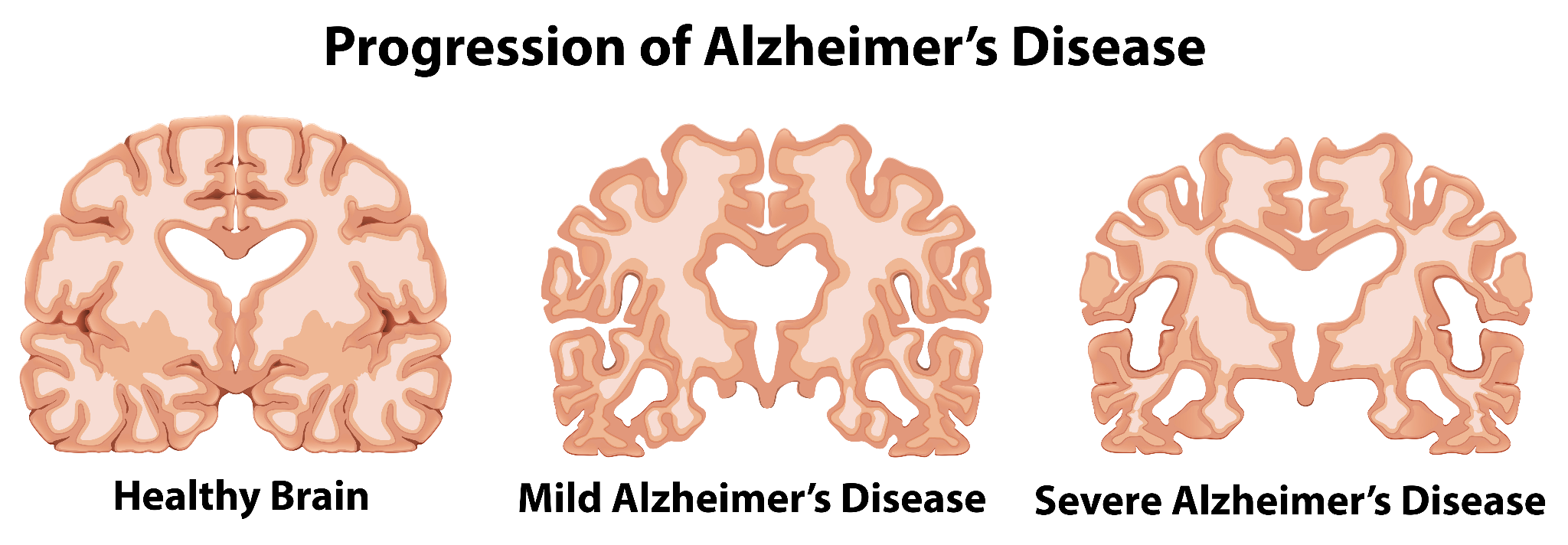
Diagrammatic presentation of how the brain looks with Alzheimer's Disease.
Observing Alzheimer's Awareness Month in November serves as an opportunity to raise public awareness, promote memory screenings, support local caregiver services and raise funds for study and research programs. Campaigns throughout the month include purple ribbons, awareness walks and hospital community events. These encourage conversations that might otherwise be absent.
Alzheimer's is already prevalent and increasing as people grow older. According to the Alzheimer’s Association, recent statistics show that around 1 in 9 people, over the age of 65 have Alzheimer's. These numbers are projected to increase significantly in the years to come. Across the globe, dementia impacts millions more. These figures serve to highlight why planning and awareness are a matter of urgency.
Early diagnosis provides individuals and families time to prepare, receive treatments that may slow decline in some instances and make legal and financial arrangements while the individual is still able to do so. Some early signs are:
If you or someone you care about experiences several of these, it is a good idea to discuss with a healthcare professional. Early steps enhance quality of life and create more options.
One step alone cannot ensure prevention. However, scientific research over the decades identifies lifestyle changes that reduce the risk of cognitive decline and can postpone the onset of dementia. These include:
These actions won't prevent all risks. Genetics and age continue to play a role but they are feasible measures individuals and communities can encourage.
Caring for an individual with Alzheimer's can be rewarding and extremely challenging. Caregivers are helped by planning, routine and support systems. Practical advice is to simplify daily tasks, set routines, communicate clearly and calmly and modify the environment to reduce confusion and risk. Equally important is caregiver self care. Join support groups, ask for help, seek professional guidance for safety or planning.
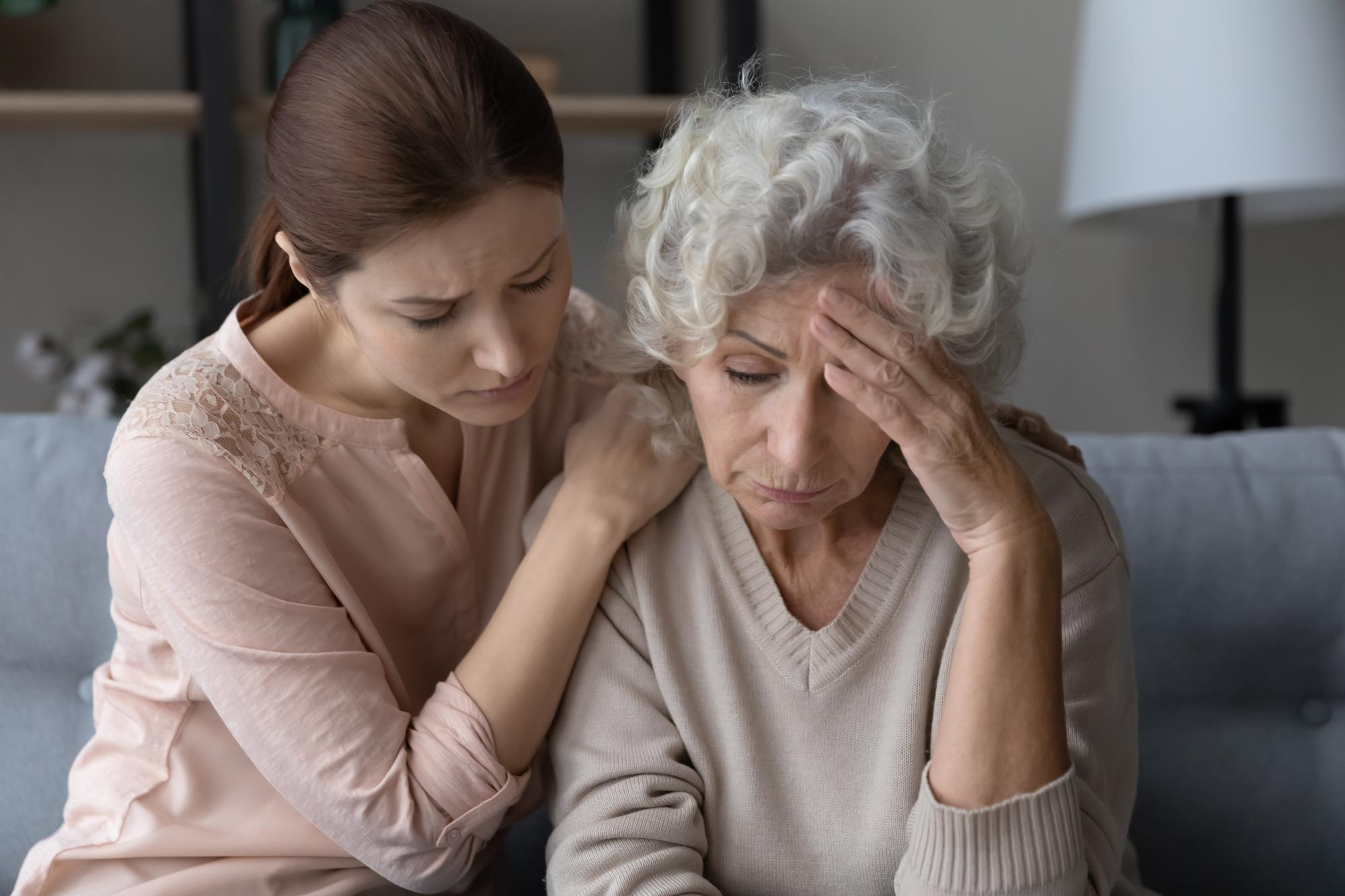
A young woman supporting her elderly mother who has Alzheimer’s.
The only way that awareness can create change is when it leads to action. Even small steps can make a real difference. Here are a few ways you can get involved this November.
 Copy
CopyWe offer expert care across key specialties, including Medicine, Cardiology, Orthopaedics, ENT, Gynaecology, and more—delivering trusted treatment under one roof.


Book a consultation with Prakash Hospital's specialists — 24/7 emergency care, 100+ doctors, NABH accredited.

Prakash Hospital Pvt. Ltd. is a 100 bedded NABH NABL accredited multispecialty hospital along with a center of trauma and orthopedics. We are in the service of society since 2001.
OUR SPECIALITIES
Patient Services
PROCEDURES
Contact Us
D – 12A, 12B, Sector-33, G. B. Nagar, Noida, Uttar Pradesh 201301
+91-8826000033


© 2026 All rights reserved.
Designed and Developed by Zarle Infotech