


Viral Fever vs Bacterial Infection: How to Tell the Difference
Viral fever symptoms vs bacterial infection signs — how to tell them apart and when antibiotics are actually needed. Prakash Hospital Noida.
19 Aug 2026
by Prakash Hospital
by Prakash Hospital
by Prakash Hospital
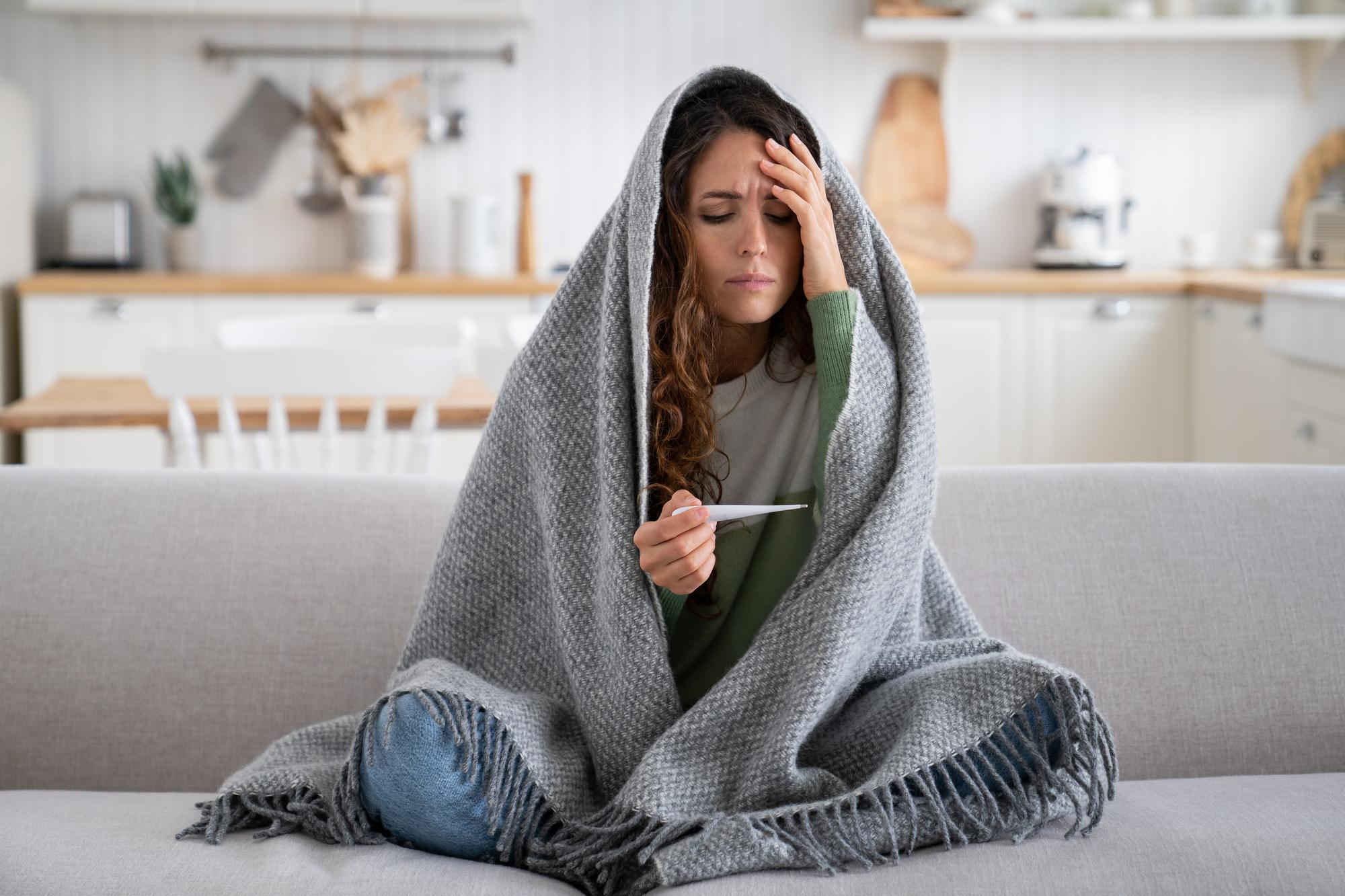
A sick woman holding a thermometer while experiencing fever.
Fever is one of the most common health symptoms experienced by people of all ages. It is not a disease in itself but rather a sign that the body is fighting an infection or illness. Most fevers are mild and clear up on their own, but proper care can help alleviate discomfort and improve recovery; likewise, improper care can worsen the condition or even delay recovery. Knowing the right do’s and don’ts during a fever is crucial to take care of it safely without inviting complications.
A fever is an elevation of the body's temperature above the normal range, usually higher than 100.4°F or 38°C. It is a natural response of the body to infections by viruses, bacteria or other parasites. Fever may also result from heat exhaustion, inflammatory disease or reaction to drugs.
Knowing how to take care of the body when it is experiencing a fever will contribute to quickening recovery and lessening discomfort.
The possible causes of fever include:
It is rather essential to determine the underlying cause, especially when fever persists for more than a few days.
The right practices after a fever help the body recover faster and avoid unnecessary strain.
Plenty of fluids like water, coconut water, oral rehydration solutions, soups and herbal teas should be consumed. Fever leads to loss of fluids through perspiration; dehydration can further worsen weakness and fatigue.
Rest is important with fever. Avoid physical exhaustion and let the body focus on its fight against the invasion. Enough sleep also helps the immune system to take control and accelerate the healing process.
Opt for easily digestible foods such as khichdi, dal, soups, fruits and vegetables. Adequate nutrition provides the necessary energy required during recovery, without putting extra pressure on the digestive system.
Regularly check your temperature with a thermometer. A record will help one in realizing if the fever is getting better or worse and it helps the doctor's diagnosis.
Take only the prescribed quantity of fever medications such as paracetamol. Medical advice should be followed at all times, particularly for children, the elderly and those with pre-existing medical conditions.
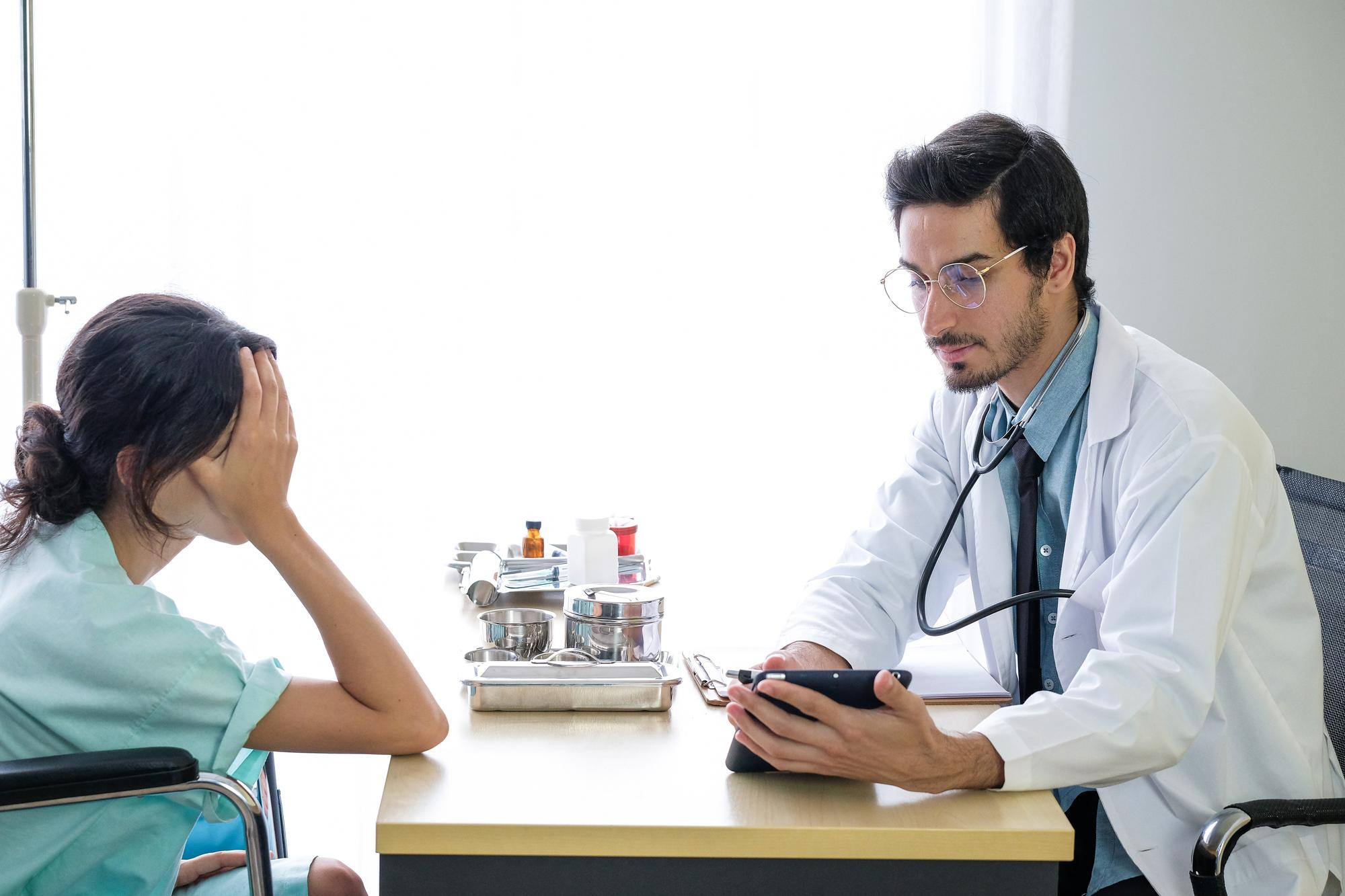
Doctor prescribing medicine for fever treatment.
The room should be kept well-ventilated with a comfortable temperature. Wearing light and loose-fitting clothes can prevent overheating.
Wash hands often, bathe with clean towels and do not share personal things. This will help avoid infecting others.
Certain habits can exacerbate fever or even lead to complications. Steer clear of the following mistakes:
Don't ignore a fever that lasts longer than 2-3 days or a fever higher than 102°F. You must seek immediate medical help.
Avoid the intake of multiple medicines or antibiotics without prescription from a doctor. Self-medication masks the symptoms, produces side effects or leads to drug resistance.
Alcohol and beverages containing caffeine dehydrate the body and hinder the recovery process. Opt for healthy fluids instead.
Putting the body under heavy blankets or heavy clothing traps heat and increases the body temperature even higher.
Although the appetite is low, it is not advisable to abstain from food because this can weaken the body. Instead, eat small portions of nutritious food.
Avoid cold baths or ice packs; shivering will raise the body's temperature. Lukewarm sponging should be used only if instructed by a physician.
Continued daily activity when one has a fever delays recovery and predisposes others to infection.
Much care is required in children and the elderly when they have a fever.
It is very important that these age groups consult a healthcare provider in good time.
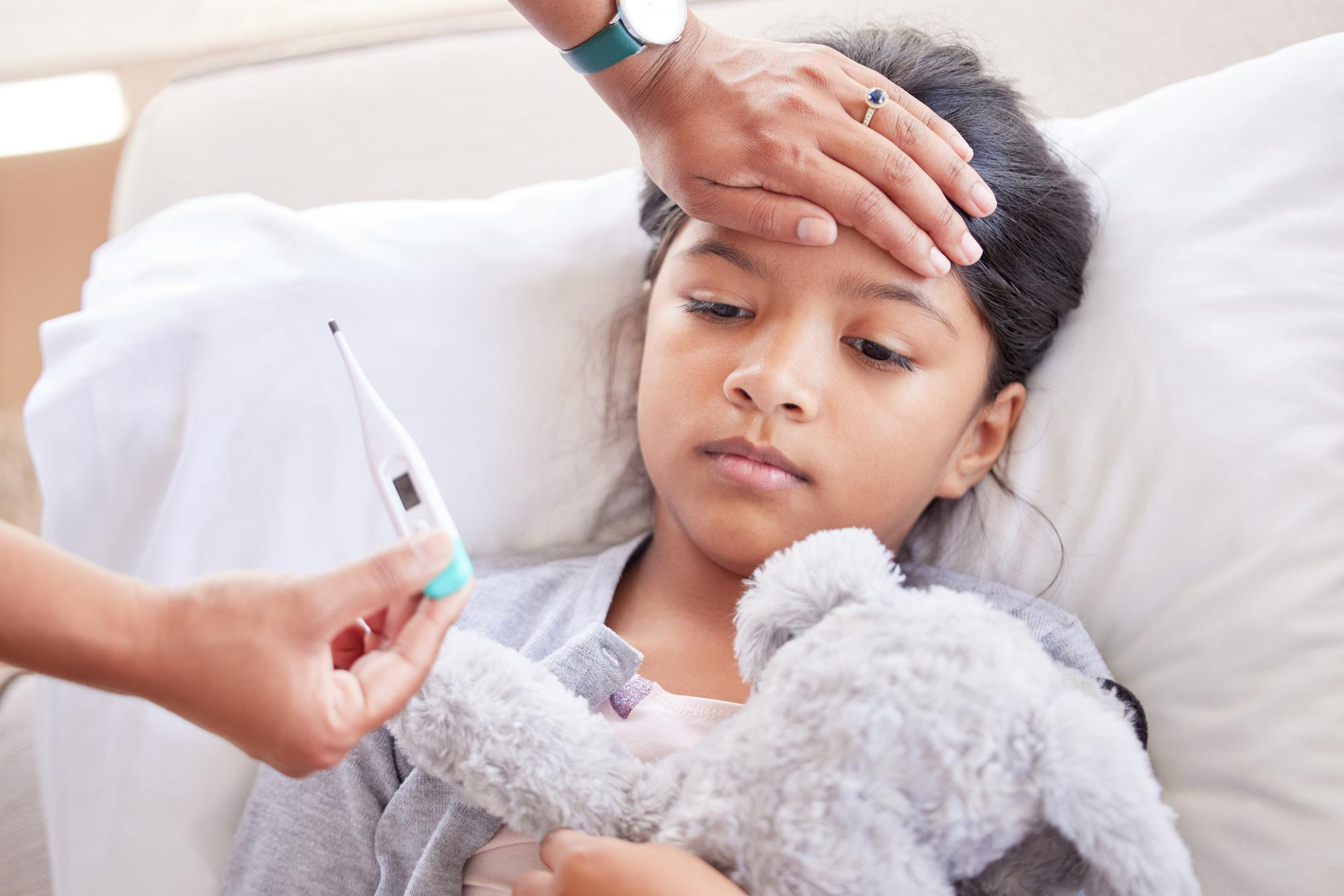
Child with fever showing signs of illness.
When to see a doctor If you experience any of the following, you should seek medical attention:
Early evaluation by a doctor helps in ascertaining the cause and preventing complications.
Fever management in Prakash Hospital focuses on appropriate diagnosis, timely treatment and safety of the patient. With a pool of experienced physicians and advanced diagnosis facilities, the underlying cause of fever, whether viral, bacterial or systemic, is sorted out. A personalized treatment plan, close monitoring and educating the patients for better recovery and reducing further complications.
No, fever is usually a sign that the body's defense is fighting an infection. However, in the case of persistent or very high fever, it needs medical attention.
Mild fever can be treated with rest and hydration at home, including medication as instructed by a healthcare provider. Seek medical consultation if the condition deteriorates.
Yes, one may sweat as the body struggles to lower the temperature, but fluids should be replaced.
Fever itself is not contagious, but the infection causing it may be.
Antibiotics should be taken only as prescribed by the doctor and when a bacterial infection is confirmed.

Removes the uterus through keyhole cuts, for fibroids, heavy periods or adenomyosis that other treatment hasn't fixed.
An X-ray dye test that maps blockages in the heart's arteries and guides the choice between medicines, stents and surgery.
Realigns and rebuilds a joint damaged by injury, deformity or earlier surgery, keeping your own joint.
Free tools to check your weight, plan a pregnancy, track calories and more.
We offer expert care across key specialties, including Medicine, Cardiology, Orthopaedics, ENT, Gynaecology, and more—delivering trusted treatment under one roof.
Viral fever symptoms vs bacterial infection signs — how to tell them apart and when antibiotics are actually needed. Prakash Hospital Noida.
19 Aug 2026
by Prakash Hospital

Typhoid fever symptoms, how it's diagnosed, what to eat during recovery, and when to see a doctor. Prakash Hospital Noida.
20 Aug 2026
by Prakash Hospital
Viral fever symptoms, treatment, recovery tips, and when to see a doctor. Visit Prakash Hospital Noida for proper evaluation and care.
26 Jun 2026
by Prakash Hospital
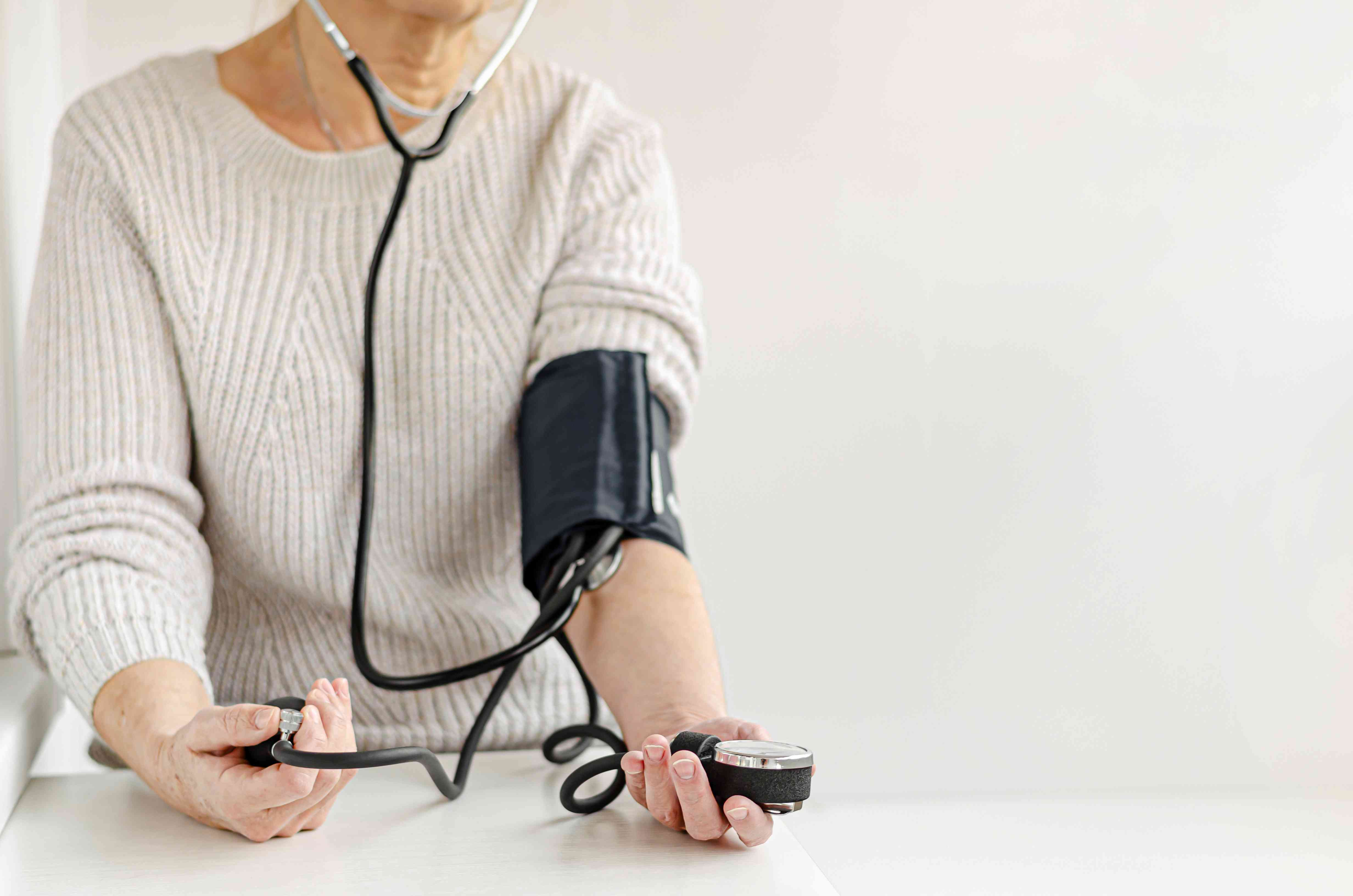
How to lower blood pressure naturally through diet, exercise, sleep and stress management. Evidence-based guide for Indians. Prakash Hospital Noida.
18 Aug 2026
by Prakash Hospital

सीने में जलन (एसिडिटी) और हार्ट प्रॉब्लम के लक्षणों में क्या फर्क है? कब यह गंभीर हो सकता है और डॉक्टर से कब मिलना चाहिए, पूरी जानकारी हिंदी में।
23 Apr 2026
by Prakash Hospital

जानिए लो हीमोग्लोबिन का दिल की सेहत पर क्या प्रभाव पड़ता है। इसके कारण, लक्षण और समय पर इलाज व सही खानपान से कैसे बचाव किया जा सकता है, सरल भाषा में समझें।
6 May 2026
by Prakash Hospital
Monsoon brings dengue, malaria, viral fever, and gut infections. Here's how to strengthen your immunity before and during the season. Prakash Hospital Noida.
18 Aug 2026
by Prakash Hospital

Science-backed ways to strengthen your immune system naturally through diet, sleep, exercise, and lifestyle. Prakash Hospital Noida.
30 Jul 2026
by Prakash Hospital

Diabetes complications including eye, kidney, heart, nerve, and foot problems. Prevention and screening. Visit Prakash Hospital Noida.
21 Jul 2026
by Prakash Hospital


Book a consultation with Prakash Hospital's specialists — 24/7 emergency care, 100+ doctors, NABH accredited.
View All Departments