


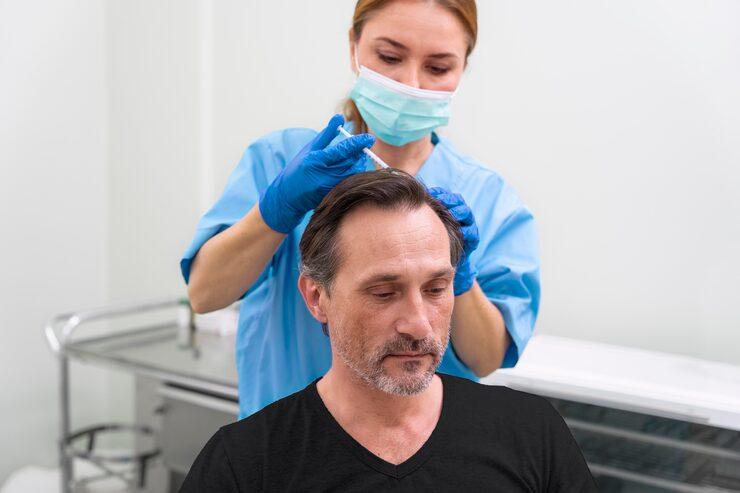
How to Get Your Natural Look and Confidence Back with Hair Replacement Surgery
Learn how to get your confidence back with hair replacement surgery with the help of the experts at Prakash Hospital, Noida.
11 Sept 2025
by Prakash Hospital
by Prakash Hospital

A baby with visible chickenpox rash on the skin.
Chickenpox is a contagious disease resulting from the ‘varicella-zoster’ virus. Chickenpox is more prevalent among children but might also affect individuals who belong to the adult population, where the symptoms might be more severe. Chickenpox is known to be monitored because it is accompanied by fever and a skin rash due to which people may feel severe itching.
Though it is a condition that, in most cases, will resolve on its own, it has many complications, especially for adults, pregnant women, newborn babies and people with a low immune system.
Chickenpox is very contagious from person to person. Common methods of transmission:
Chickenpox sufferers are considered contagious a day or two prior to the onset of the rash and until all the blisters are dry and have formed scabs.
After being exposed, the symptoms will begin appearing in 10-21 days. At this stage, the virus replicates in the body without causing any visible symptoms.
Before the rash sets in, symptoms may be flu-like. Initial symptoms might manifest in the following ways
Such symptoms are relatively mild in children, but in adults, they are quite noticeable.
The rash associated with chickenpox develops in sequences and may also appear in various forms simultaneously.
Small red spots appear for the first time, most often on a person's face, scalp, chest or back.
These spots develop into fluid-filled blisters, causing itching, within a day.
The blisters rupture and then dry and form scabs.
There may be new spots emerging for a number of days; this is the reason why all phases may be witnessed simultaneously.
Typical symptoms are:
Itching is often severe and scratching can cause infection and scarring.
Chickenpox is more serious in adults than in children. In adults, there may be
Those who remained adults without being vaccinated or exposed to chickenpox are more susceptible.

An adult experiencing itching from chickenpox spots.
A pregnancy with chickenpox warrants special care. Possible risks include:
Pregnant women who have suspected cases of chickenpox need to seek immediate medical attention.
Although most people experience a light case of CMV, there are possible complications.
Complications may include:
People who do not have strong immunity can face severe complications.
The diagnosis is usually made after clinical examination. Steps to diagnosis may include the following:
Laboratory confirmation of diagnosis is rarely required in common cases.
Currently, there is no cure for immediate destruction of the virus, but symptom management and the prevention of complications are used.
Home treatment is possible in most mild cases. Supportive care encompasses:
Hospitalization may be indicated for:
The earlier the treatment, the better.
To prevent spread:
Preventive measures comprise:
Immunization can prevent the disease from progressing to its dangerous effects even if the individual becomes infected.
Evaluation in a medical setting is required in case of:
Prompt care prevents complications.

Child experiencing fever due to chickenpox.
At Prakash Hospital, chickenpox patient care is provided by accurate diagnosis, symptomatic management and careful monitoring to avoid complications. Special care is given to more vulnerable groups like adults, pregnant ladies and immunocompromised patients. Patient education regarding chickenpox patient care is also given importance.

Treats wounds that won't heal, from diabetic foot ulcers to bedsores, with debridement, dressings and pressure relief.
A thin needle sample of liver tissue to diagnose liver disease and measure scarring when other tests can't.
A minor operation joining an artery to a vein in the arm to create lasting access for haemodialysis.
Free tools to check your weight, plan a pregnancy, track calories and more.
We offer expert care across key specialties, including Medicine, Cardiology, Orthopaedics, ENT, Gynaecology, and more—delivering trusted treatment under one roof.
Learn how to get your confidence back with hair replacement surgery with the help of the experts at Prakash Hospital, Noida.
11 Sept 2025
by Prakash Hospital

Vitamin D deficiency — recognise the symptoms, understand the causes, and learn how to correct it. Visit Prakash Hospital Noida for testing and treatment.
29 May 2026
by Prakash Hospital
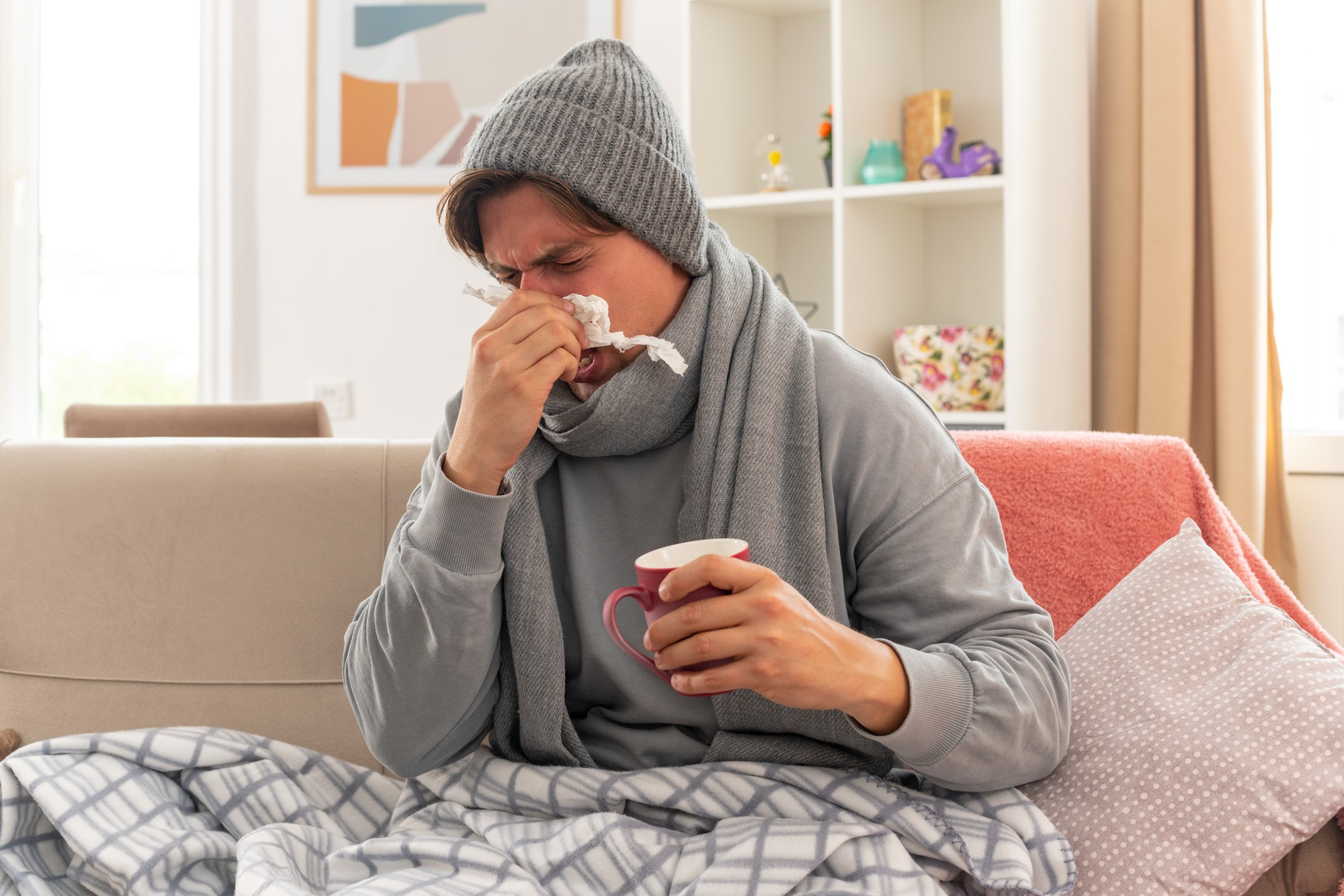
Stay healthy this winter with immunity-boosting, hygiene, and infection-prevention tips from Prakash Hospital.
27 Oct 2025
by Prakash Hospital

सीने में जलन (एसिडिटी) और हार्ट प्रॉब्लम के लक्षणों में क्या फर्क है? कब यह गंभीर हो सकता है और डॉक्टर से कब मिलना चाहिए, पूरी जानकारी हिंदी में।
23 Apr 2026
by Prakash Hospital

जानिए लो हीमोग्लोबिन का दिल की सेहत पर क्या प्रभाव पड़ता है। इसके कारण, लक्षण और समय पर इलाज व सही खानपान से कैसे बचाव किया जा सकता है, सरल भाषा में समझें।
6 May 2026
by Prakash Hospital
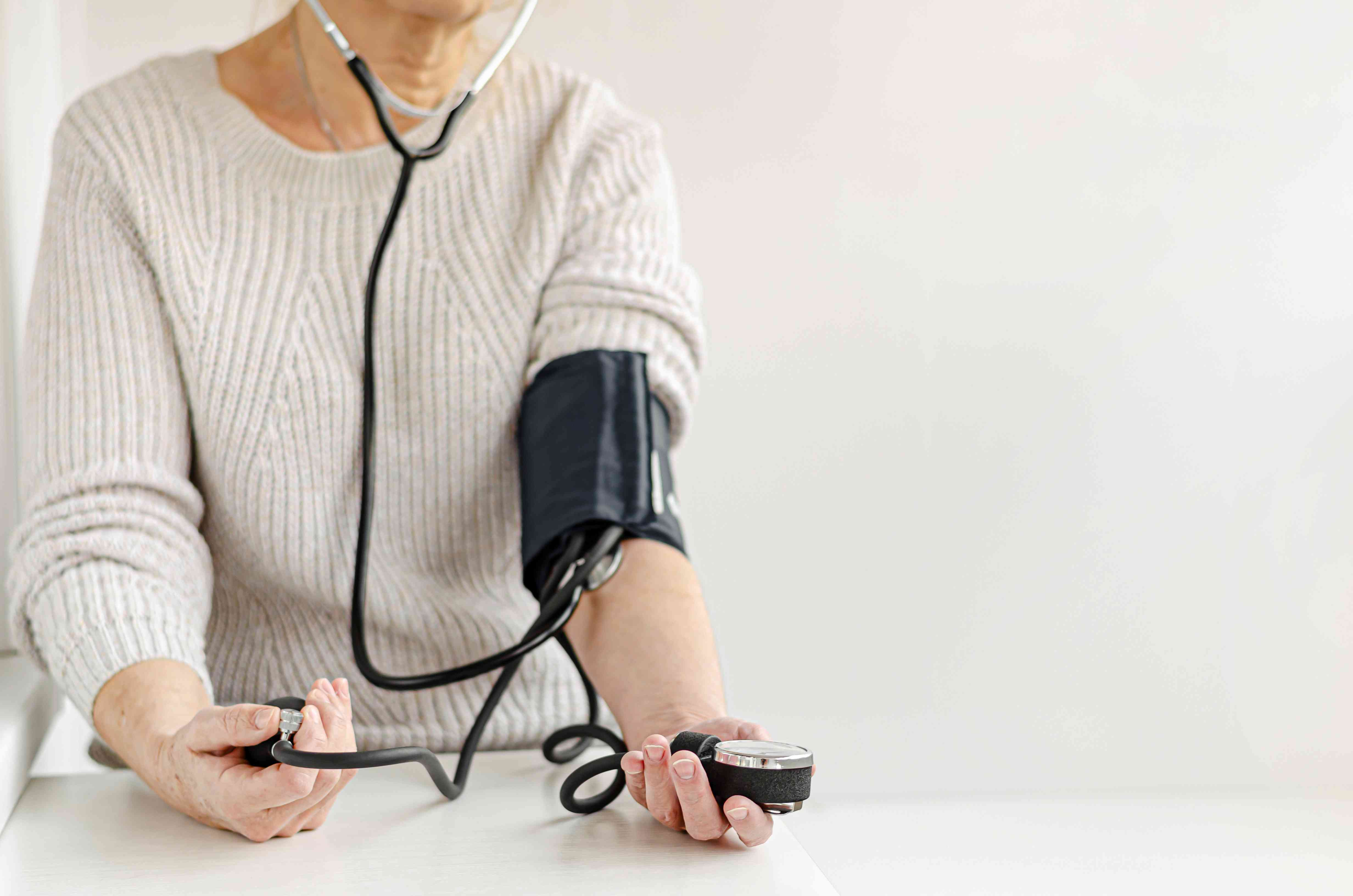
Practical ways to lower blood pressure naturally through diet, exercise, and lifestyle — plus when medication is needed. Prakash Hospital Noida.
5 Aug 2026
by Prakash Hospital


Book a consultation with Prakash Hospital's specialists — 24/7 emergency care, 100+ doctors, NABH accredited.
View All Departments