


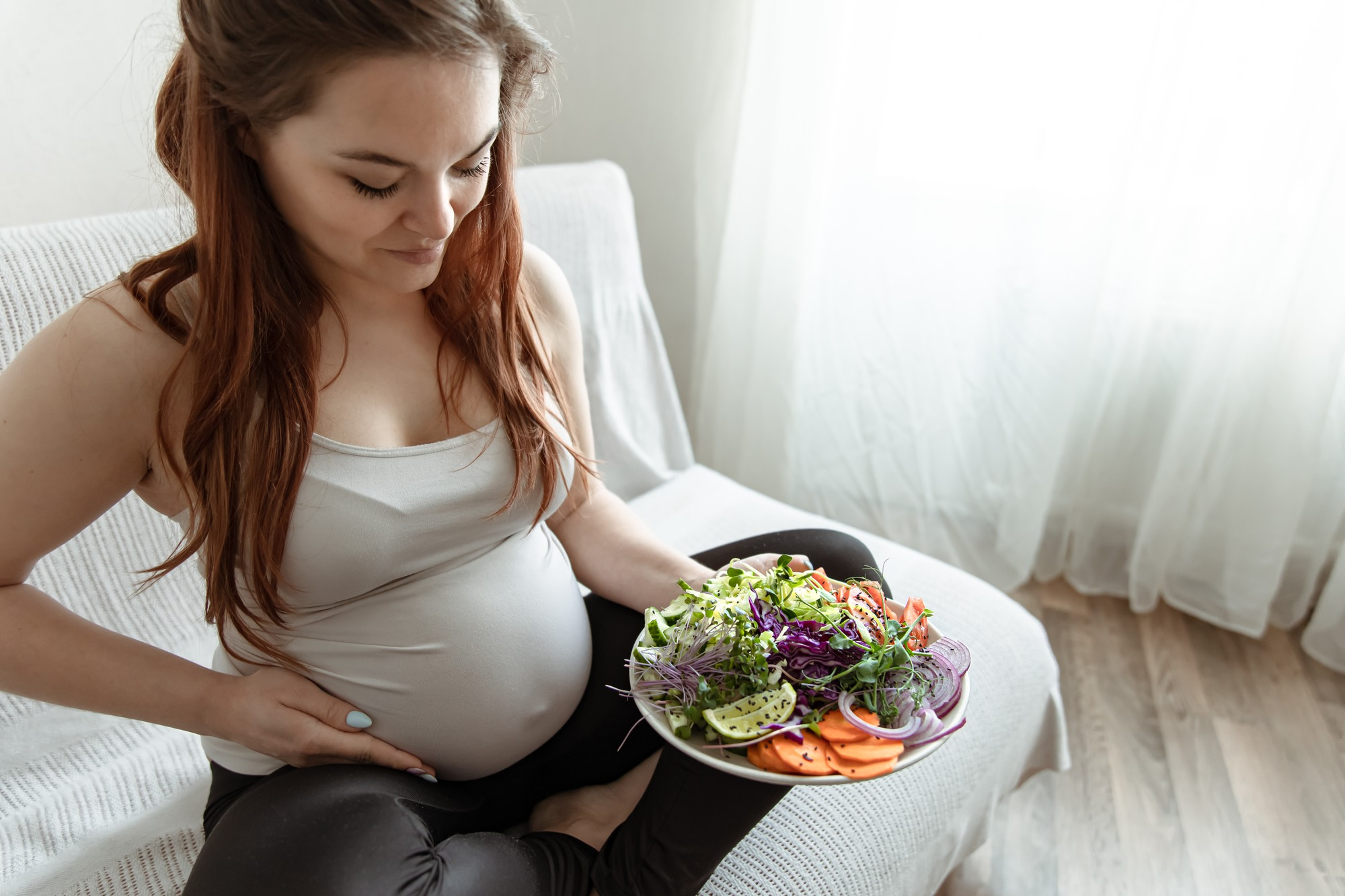
Nutrition During Pregnancy: Best Foods to Eat & Avoid for a Healthy Baby
Learn what to eat and avoid during pregnancy with expert-approved nutrition tips for a healthy mother and baby.
25 Nov 2025
by Prakash Hospital
by Prakash Hospital
The convenience of processed foods has become a part of many people’s daily lives. Packaged snacks, pre-packaged meals, sugary drinks and instant noodles are just a few examples. Although these products offer the convenience you need, multiple exposures can pose significant health risks over time and lead to chronic diseases.
If you understand how processed food products expose you to greater risk of disease, you can make better nutritional choices to help support your long-term health, especially in busy urban areas like Noida.
Processed Foods are all foods that have gone through an alteration from their whole or natural form, including processed as a result of preservation or convenience.
Generally, there are three types of processed food products:
Ultra-processed food products tend to be made with:
The ultra-processed category of food products has the strongest association to the development of chronic diseases.
Sugary Foods and Blood Sugar Spikes
Many manufactured foods have been sweetened with sugar, even if the sugary taste isn’t present. A high consumption of sugar can create blood glucose spikes very quickly. Too much sugar can cause you to be insulin-resistant, increase your risk of developing type 2 diabetes, and deposit fat in areas like the stomach. In addition, frequently fluctuating blood sugar levels can cause metabolic stress over the long-term.
Many packaged foods are full of sodium or salt, which has been added to enhance overall flavour and extend shelf-life. An excessive amount of sodium in your diet can lead to an elevated amount of blood pressure, an increased risk of developing heart disease, and increased stress on the kidneys, as well as fluid retention in the body. High blood pressure is one of the leading contributors to heart attacks and strokes.
Most packaged foods are made with trans fats and/or high in saturated fats. These types of fat can lead to:
As time passes, the plaque from your arteries will continue to build, leading to a higher risk of cardiovascular disease.
Ultra-processed foods are calorie-dense but nutrient-poor.
They are often:
Because they lack fiber and protein, they do not keep you full for long. This leads to:
Obesity itself increases the risk of diabetes, heart disease, joint problems and certain cancers.
The digestive system depends on fiber and beneficial nutrients to maintain a healthy gut microbiome.
Diets high in processed foods may:
An unhealthy gut can contribute to chronic inflammation throughout the body.

A woman gestures no toward processed food, highlighting the risks associated with unhealthy eating habits.
When reading food labels, be cautious of:
The longer the ingredient list, the more processed the food usually is.
Simple modifications in your diet can lead to significant reductions in disease risk.
Opt for:
Practical tips:
Simple changes can lead to long-term health benefits.
If any of the following describe you, it is time to get medical advice:
The earlier you can detect a potential health risk associated with your diet, the better the opportunity you have to prevent it from turning into a serious issue.
Not necessarily; minimally or lightly processed foods e.g., frozen vegetables, as well as plain yogurt or even breads made from whole grains can be eaten with no adverse effects, in moderation. Only extremely processed or "ultra-processed" foods pose the greatest risk.
Occasional consumption of processed foods is generally safe; however, if you consistently eat them every day, particularly sugary snacks, you could develop health problems like diabetes, poor cholesterol levels, obesity.
For some people, it is possible to reverse current health conditions like obesity. For others, conducting dietary changes and receiving medical supervision are key components of reversing their current health issues.
The way processed food is manufactured yields products that are very appealing due to the high amount of sugar, salt, and fat they contain, all of which activate different parts of our brains and create feelings of satisfaction.
Typically yes; it's up to you to control the types of ingredients, portion sizes and cooking methods used when preparing homemade meals.
At Prakash Hospital in Noida, our well-trained medical experts offer comprehensive advice on lifestyle diseases that arise from unhealthy eating habits.
Our services include:
If you are worried about your diet and the health consequences that follow, seek our advice to prevent complications that arise from an unhealthy lifestyle. Consult us at Prakash Hospital in Noida.

Removes tonsils that cause repeated throat infections or block a child's breathing during sleep.
Straightens the bent wall inside the nose to relieve a constantly blocked nostril, with no cut outside.
Realigns broken bones and holds them with plates, screws, rods or frames so they heal in the right position.
Free tools to check your weight, plan a pregnancy, track calories and more.
We offer expert care across key specialties, including Medicine, Cardiology, Orthopaedics, ENT, Gynaecology, and more—delivering trusted treatment under one roof.
Learn what to eat and avoid during pregnancy with expert-approved nutrition tips for a healthy mother and baby.
25 Nov 2025
by Prakash Hospital
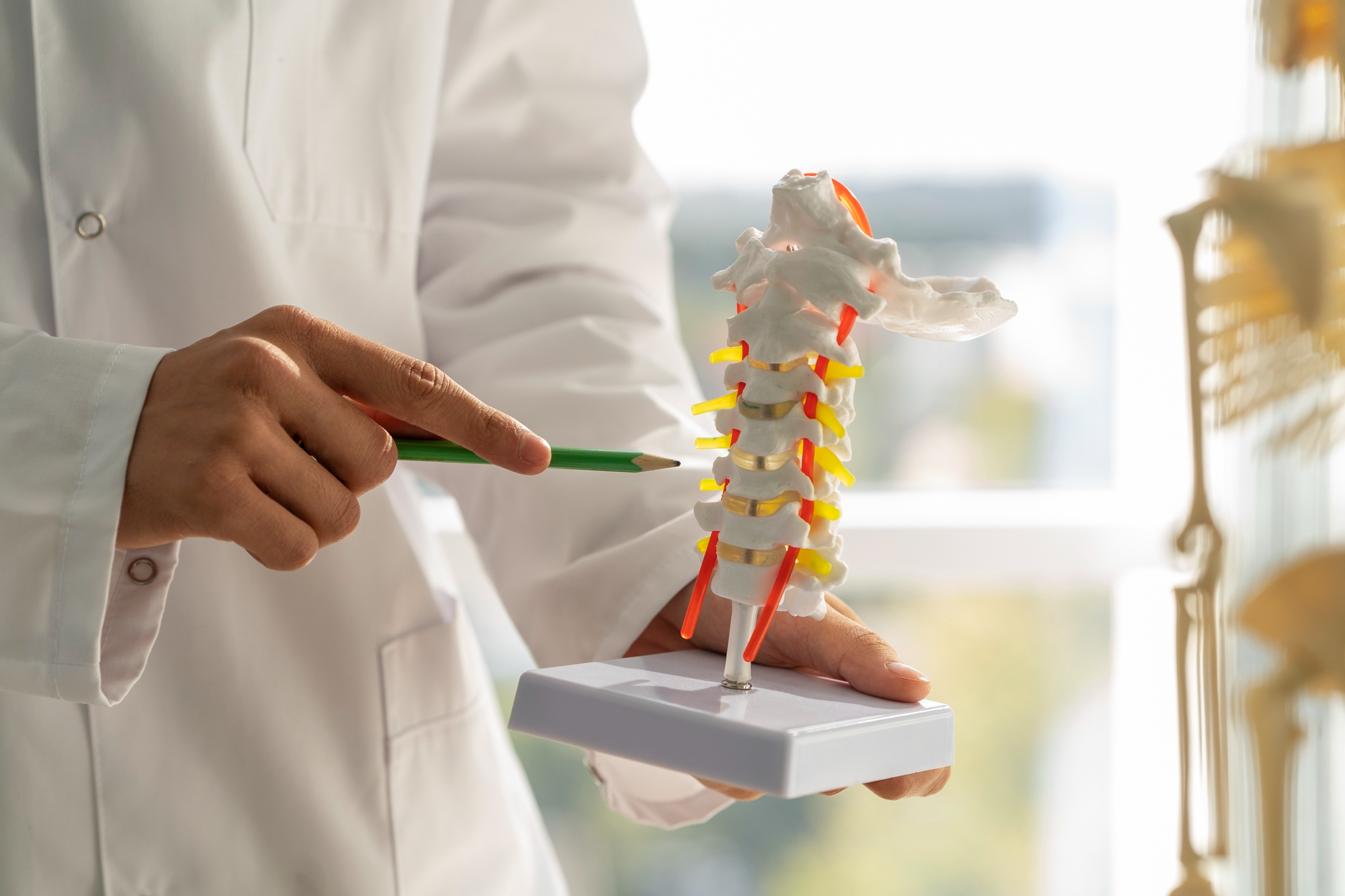
Support fracture recovery with essential nutrients like calcium, vitamin D, and protein for faster bone healing.
19 Nov 2025
by Prakash Hospital
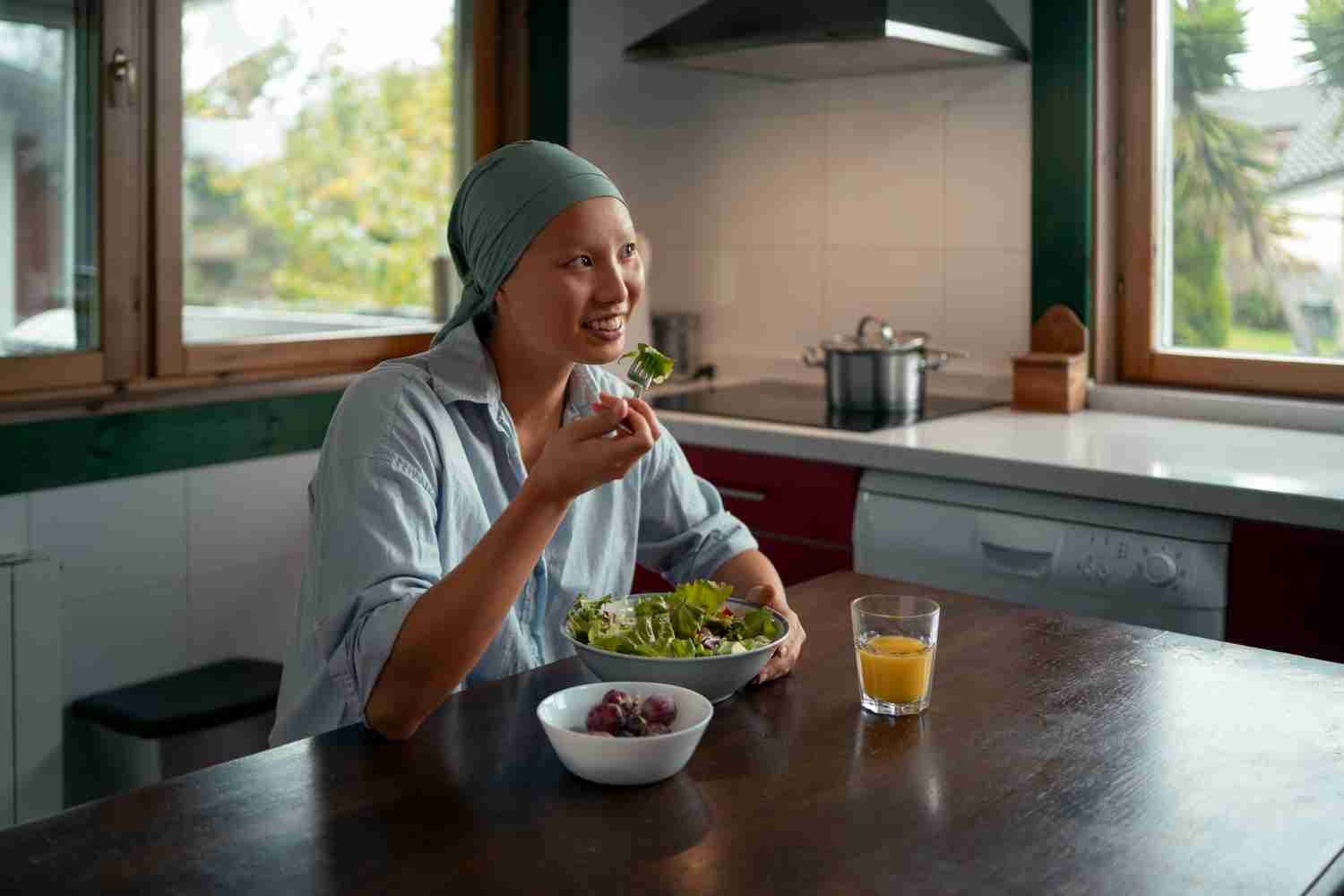
Discover expert-backed nutrition tips for cancer patients. Learn how to manage treatment side effects, stay hydrated, and eat for strength and recovery.
27 May 2025
by Prakash Hospital

Early pregnancy signs — what to watch for in the first weeks, when to take a test, and what the symptoms mean. Prakash Hospital Noida.
23 Sept 2026
by Prakash Hospital

Early signs of pregnancy explained, including when to take a test and what to expect in the first weeks. Visit Prakash Hospital Noida for maternity care.
10 Jul 2026
by Prakash Hospital
Indian pregnancy diet plan, foods to eat in each trimester, key nutrients, and what to avoid. Visit Prakash Hospital Noida for maternity care.
10 Jul 2026
by Prakash Hospital

Omega-3 fatty acid benefits for heart, brain, joints and skin, plus the best Indian sources: hilsa, sardines, flaxseed and walnuts. Prakash Hospital Noida.
2 Oct 2026
by Prakash Hospital
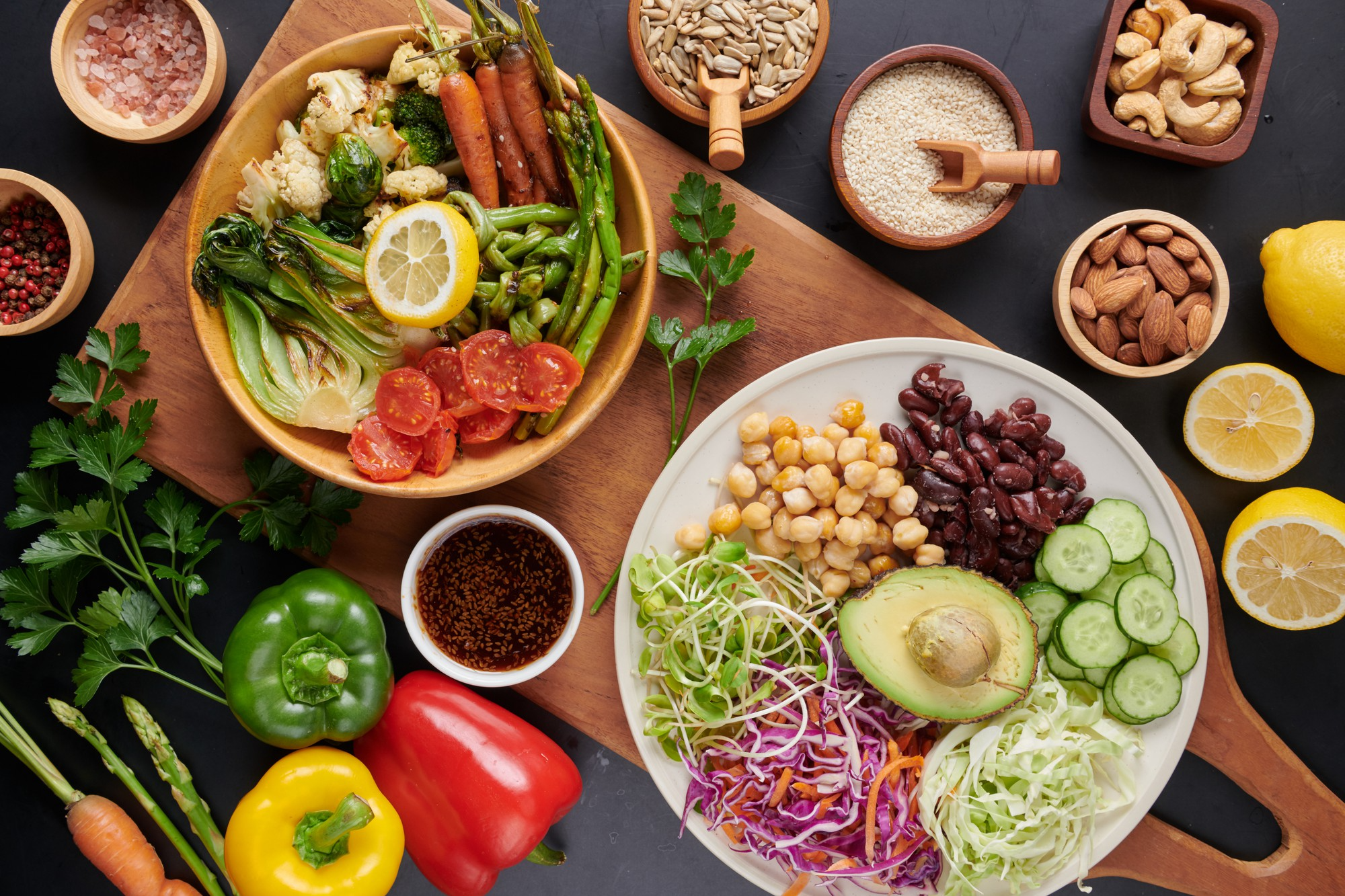
The best immunity boosting foods for Indians — from amla and turmeric to dal and garlic. Science-backed guide from Prakash Hospital Noida.
18 Aug 2026
by Prakash Hospital

Healthy diet chart — a practical daily meal plan for Indian families with portions, timing, and food choices. Visit Prakash Hospital Noida for nutrition consultation.
30 Jun 2026
by Prakash Hospital


Book a consultation with Prakash Hospital's specialists — 24/7 emergency care, 100+ doctors, NABH accredited.
View All Departments