


Foods to Lower Cholesterol: A Practical Indian Guide
Indian foods that help lower cholesterol, what to avoid, and a practical meal plan. Visit Prakash Hospital Noida for cardiology care.
21 Jul 2026
by Prakash Hospital
by Prakash Hospital
by Prakash Hospital
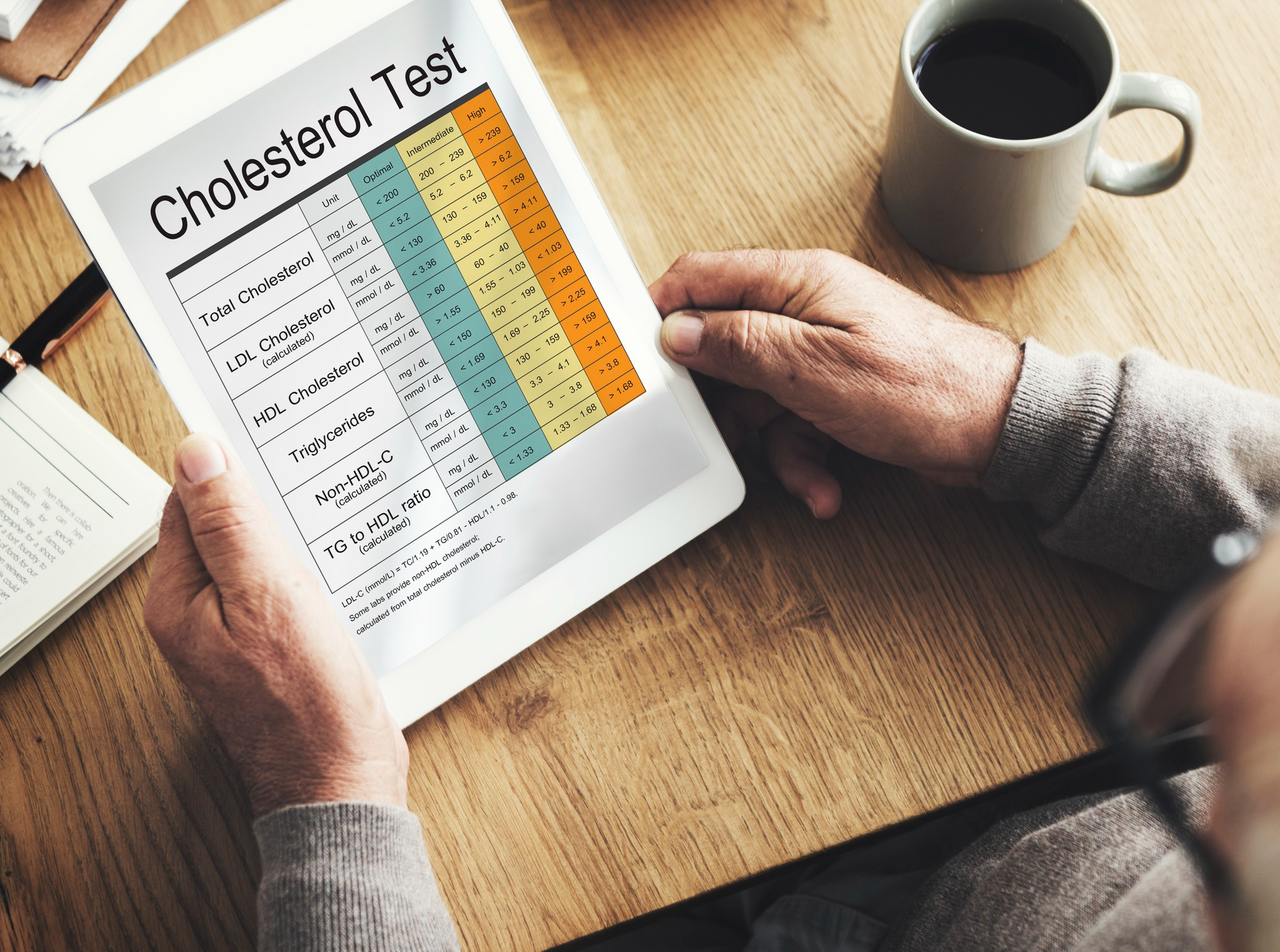
A person holding a cholesterol test report sheet showing blood lipid levels.
Many people tend to think of cholesterol in general as something rather harmful. Actually, cholesterol is a substance that is very important for your body in conducting its functions and activities. Cholesterol takes part in building cellular membranes, synthesizing hormones and digestive processes. An imbalance between different types of cholesterol, on the other hand, can increase heart disease, stroke and other health problems.
Cholesterol is a substance that looks like wax and is found in all the cells of the body. Most of the cholesterol your body requires comes from your liver while the rest comes from certain foods. It circulates through the blood attached to proteins known as lipoproteins of which there are two main types: LDL and HDL.
HDL, High-Density Lipoprotein, is often referred to as the "good cholesterol." HDL helps remove excess cholesterol from the blood and carries it to the liver for processing. The higher the HDL level, the lower the risk of heart disease and stroke.
Ways to Increase HDL:
Beyond removing excess cholesterol, HDL helps protect the inner lining of blood vessels by reducing inflammation and preventing oxidative stress. This means it doesn’t just clear cholesterol but actively supports healthier arteries and improves overall circulation. Higher HDL levels are also linked to better insulin sensitivity and reduced risk of metabolic disorders, making it beneficial not just for the heart but for overall metabolic health.
LDL, Low-Density Lipoprotein is commonly referred to as the "bad cholesterol." Too much LDL can cause deposits in arteries, narrowing and hardening them in a condition called atherosclerosis. High levels of LDL increase the risk for heart attacks and strokes.
Ways to lower LDL:
LDL itself is not harmful in small amounts but when levels remain high for long periods, the cholesterol particles become oxidised. Oxidised LDL is more likely to stick to artery walls and trigger an inflammatory response, accelerating plaque buildup. Over time, this can lead to reduced blood flow, chest pain and in severe cases, complete blockage of arteries causing heart attacks.
Another form of fat in the blood is triglycerides. High levels of triglycerides often go together with high LDL and low HDL, thus increasing heart disease risk further. They can be managed by eating a healthy diet, exercising regularly and consuming less sugar and alcohol.
Despite its negative reputation, cholesterol plays a very important role in:
Cholesterol is also essential for proper brain health. Nearly 25% of the body’s cholesterol is found in the brain where it supports nerve communication and the formation of synapses. It plays a vital role in memory, learning and cognitive function, highlighting that cholesterol is not just important for the heart but for optimal neurological performance as well.
Maintaining healthy cholesterol levels involves both making lifestyle changes and for some people, taking medicine prescribed by your doctor.
Strategies include the following:

A man getting his cholesterol levels checked for heart health by a healthcare professional.
Most often, the signs and symptoms of an imbalance in cholesterol levels do not show any specific symptoms. The only way to find out whether one has high LDL or low HDL or to check for high levels of triglycerides is through periodic check-ups. Risk factors for heart disease are said to be a family medical history, obesity, poor nutrition, lack of proper exercise, smoking and certain illnesses like diabetes and hypothyroidism.
If cholesterol imbalance is left unmanaged, it can lead to chronic conditions such as coronary artery disease, peripheral artery disease and even cognitive decline due to reduced blood supply to the brain. Early detection and proactive management significantly lower the risk of these long-term complications.
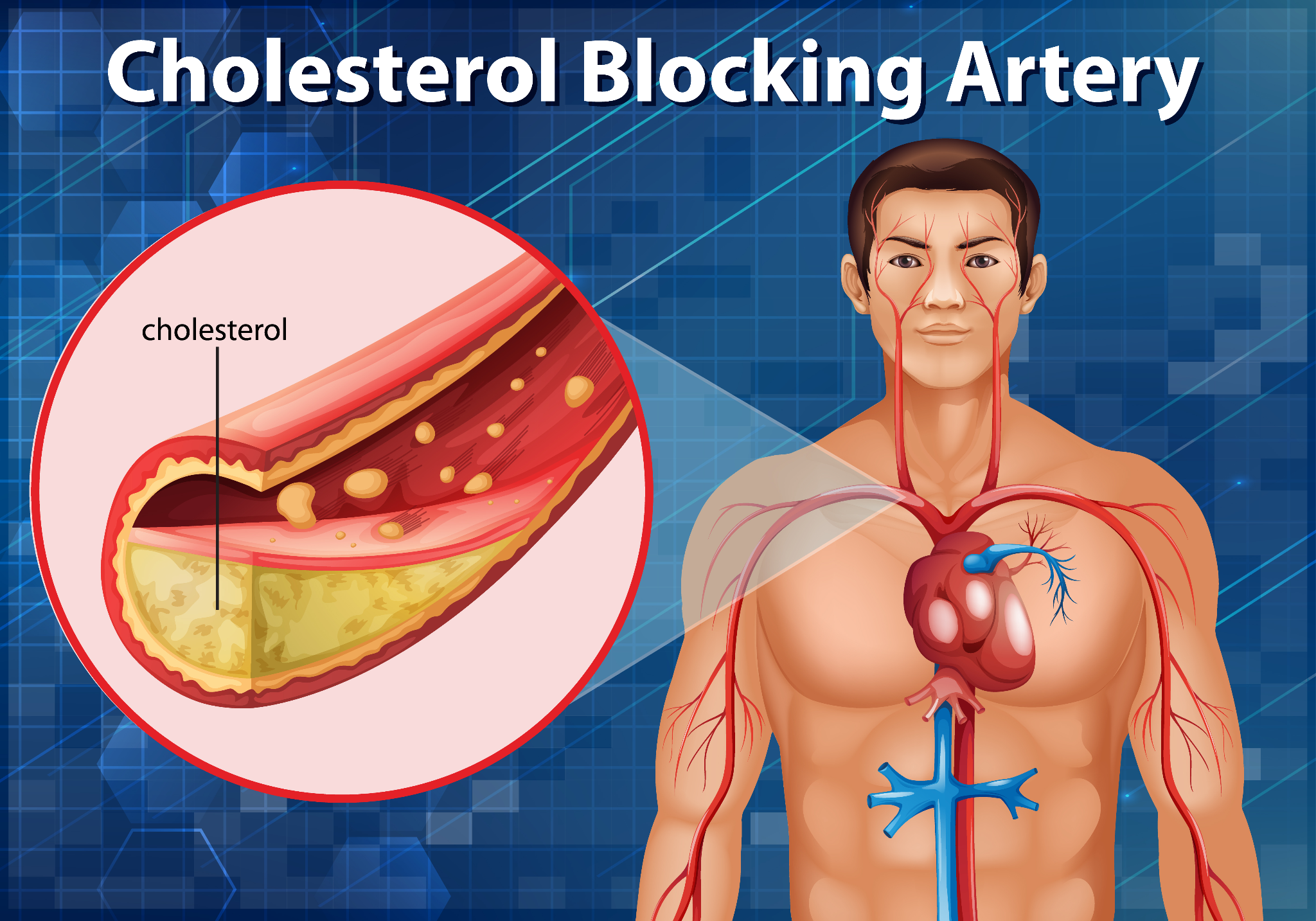
An infographic showing a blocked artery with plaque buildup due to high LDL cholesterol.
In some cases, lifestyle changes alone may not be enough to control cholesterol levels, especially for individuals with genetic conditions like familial hypercholesterolemia. Doctors may prescribe medications to lower LDL and reduce the risk of cardiovascular complications, particularly in high-risk patients.
Understanding cholesterol helps you protect your heart and your health. Not all cholesterol is bad-while LDL presents risks, HDL is protective and needed for bodily functions. A heart-healthy lifestyle, having cholesterol levels checked, and informed dietary choices will keep the right balance and lower the risk of cardiovascular diseases. By being proactive, you can make sure to reap the benefits of cholesterol while not causing too much harm. Regular exercise, good nutrition, and regular medical check-ups are your best allies in achieving optimal heart health.

This article covers general medicine concerns. These Prakash Hospital doctors in Noida treat them.

Dr. Birendra Pawar
Consultant Internal Medicine
Hysterectomies · Laparoscopic Hysterectomies · Gynecological Pathologies

Dr. Sunil P. Chaudhary
Consultant Internal Medicine
Diabetes · Hypertension · Thyroid Disorders
Anti-wrinkle injections and hyaluronic acid fillers that soften lines and restore facial volume, with no downtime.
Keyhole surgery using a thin camera to diagnose and repair problems inside the knee or shoulder.
Keyhole surgery on the ovaries to restart ovulation in PCOS when tablets haven't worked, without raising the twin risk.
Free tools to check your weight, plan a pregnancy, track calories and more.
We offer expert care across key specialties, including Medicine, Cardiology, Orthopaedics, ENT, Gynaecology, and more—delivering trusted treatment under one roof.
Indian foods that help lower cholesterol, what to avoid, and a practical meal plan. Visit Prakash Hospital Noida for cardiology care.
21 Jul 2026
by Prakash Hospital
High cholesterol increases heart disease risk. Know causes, tests, and how to lower it. Visit Prakash Hospital Noida for cardiology care.
2 Jul 2026
by Prakash Hospital

Viral fever symptoms vs bacterial infection signs — how to tell them apart and when antibiotics are actually needed. Prakash Hospital Noida.
19 Aug 2026
by Prakash Hospital
How to relieve constipation with Indian diet, home remedies, and when to see a doctor. Practical guide from Prakash Hospital Noida.
15 Sept 2026
by Prakash Hospital

एसिडिटी और गैस क्यों होती है, इसके लक्षण क्या हैं और इससे राहत पाने के घरेलू व मेडिकल उपाय हिंदी में जानें।
21 Jan 2026
by Prakash Hospital

Detailed guide on gut health, gut microbiome imbalance, symptoms of poor gut health and scientifically proven ways to improve digestive health.
19 Feb 2026
by Prakash Hospital
The best immunity boosting foods for Indians — from amla and turmeric to dal and garlic. Science-backed guide from Prakash Hospital Noida.
18 Aug 2026
by Prakash Hospital
Practical ways to lower blood pressure naturally through diet, exercise, and lifestyle — plus when medication is needed. Prakash Hospital Noida.
5 Aug 2026
by Prakash Hospital

Learn the early symptoms of thyroid problems in women, common causes, and when to seek medical advice for timely diagnosis and treatment.
13 May 2026
by Prakash Hospital


Book a consultation with Prakash Hospital's specialists — 24/7 emergency care, 100+ doctors, NABH accredited.
View All Departments