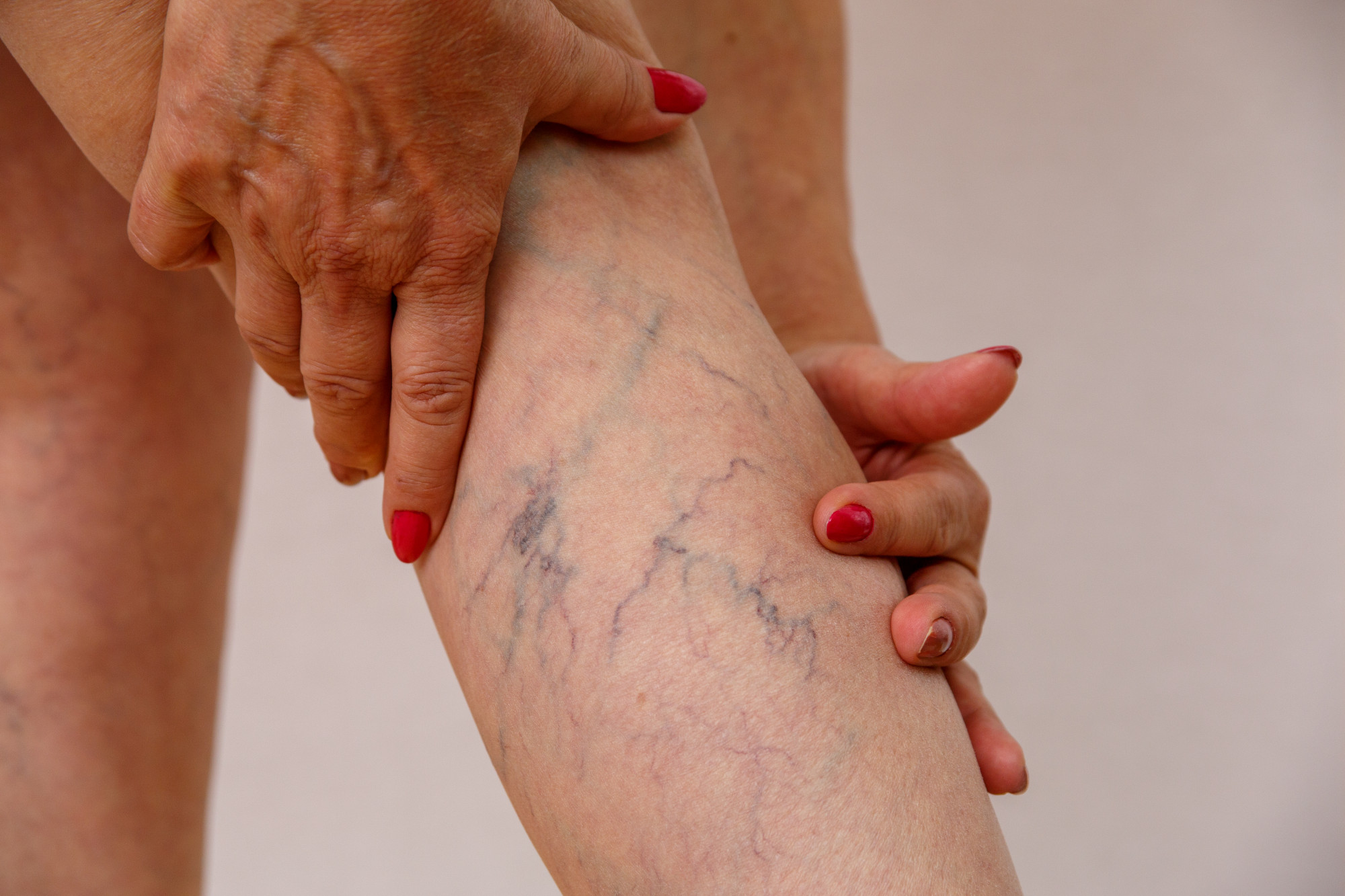
Varicose veins visible on lower leg with swollen, twisted blue veins.
Varicose veins and leg swelling can happen to anyone, from any walk of life and at any age. These conditions arise when veins in the legs weaken and blood pools rather than flows freely. While such issues can indeed trigger discomfort, pain and heaviness within the legs, they can be prevented by simple and consistent modifications in lifestyle. A proper understanding of the causes and proactive steps taken can go a long way in improving circulation and reducing your risk.
Varicose veins form when the valves within the veins do not function correctly and blood flows backward into the veins. Swelling of the legs involves the collection of fluid in tissues.
More common causes include:
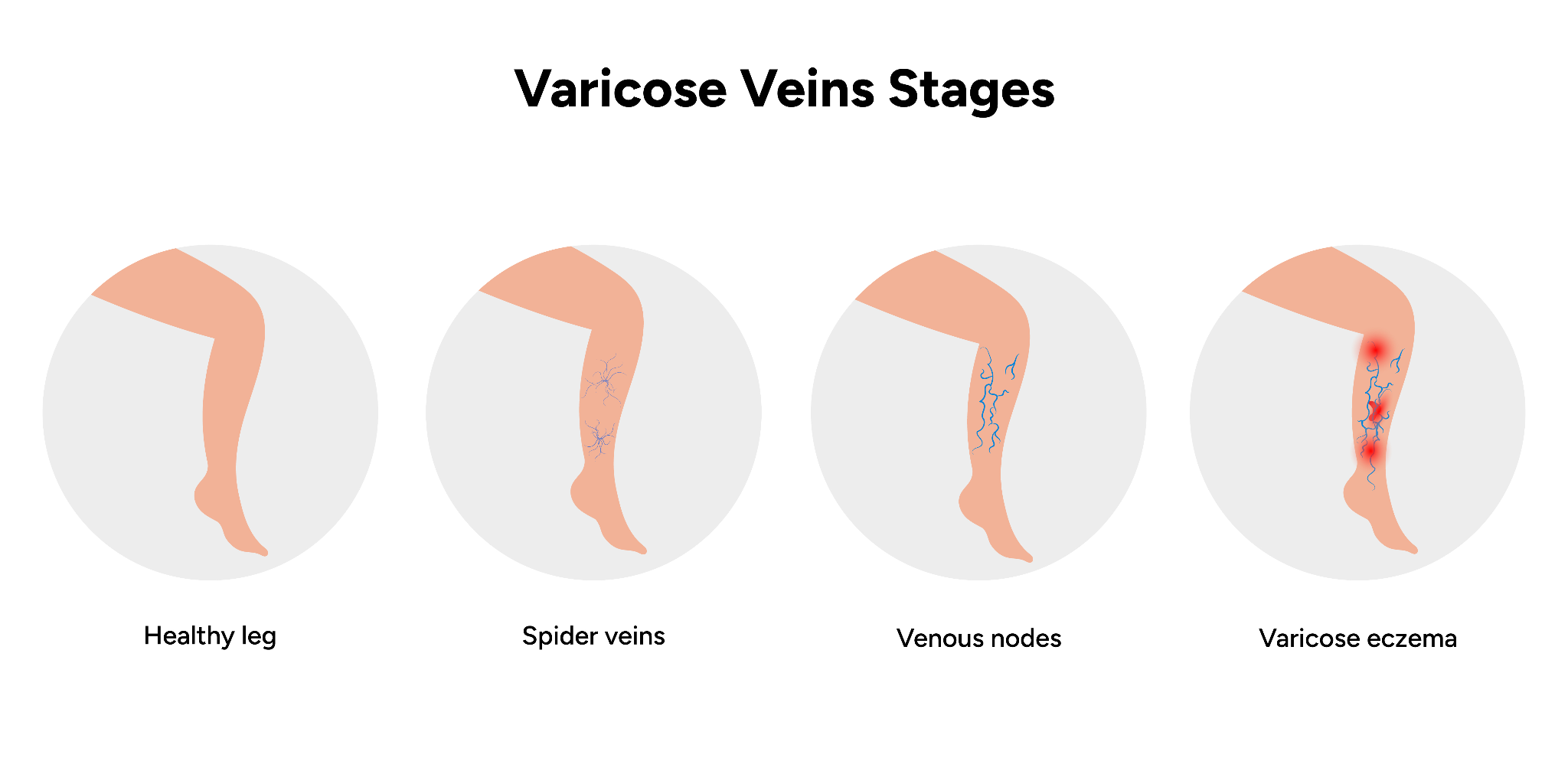
An infographic showing the different stages of varicose veins.
The most important thing you can do to maintain healthy veins is to exercise regularly. Exercise increases circulation and lessens the pressure on the veins.
Following are some helpful activities:
Extra body weight puts additional pressure on your legs and makes it more difficult for veins to push upwards. A healthy diet supports good circulation and prevents swelling.
You can follow these tips:
Being in the same position for an extended period slows blood flow and increases pressure in your veins.
Small daily habits which can prevent this are:
What you wear impacts circulation more than you would think. Supportive and comfortable shoes help reduce strain on your veins.
Some suggestions:
• Avoid wearing high heels for long durations
• Wear shoes that can provide sufficient cushioning and arch support
• Wear compression stockings, if advised
• Avoid tight clothing around the waist, thighs or legs
Raising your legs above the level of your heart helps blood flow back upward and reduces swelling.
You can do this:
• For 15 to 20 minutes daily
• Using pillows to support your legs
• By resting your legs against the wall
• After a long day of standing or walking
Certain nutrients directly support vein strength and circulation. Adding them to your diet can help prevent varicose veins.
Helpful nutrients include:
• Vitamin C is essential for collagen production and healthy blood vessels
• Vitamin E for maintaining smooth blood flow
• Antioxidants: berries, citrus fruits, tomatoes, leafy greens
• Fiber: to reduce abdominal pressure and improve digestion in general
Compression stockings prevent the pooling of blood in the lower extremities of the body.
They are specifically helpful for:
• People who travel long distances
• Pregnant women
• Those with a family history of varicose veins
• People standing for long hours
Even with lifestyle modifications, some symptoms can persist. You should consult a specialist when you experience:
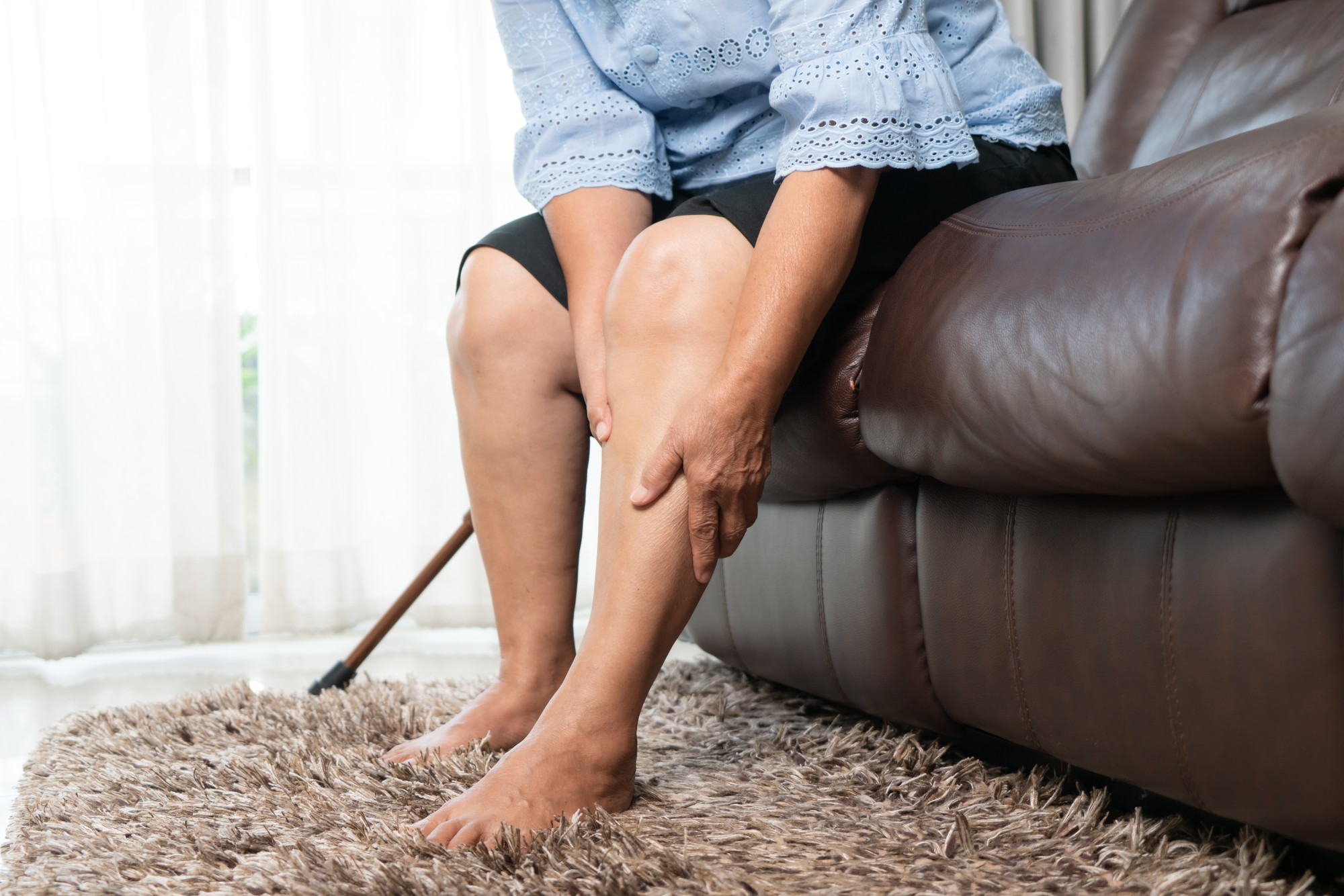
A woman holding her leg in pain due to varicose veins.
At Prakash Hospital, we are committed to the betterment of your vascular health through expert diagnosis, personalized care and advanced treatment options. Our specialists apply modern and minimally invasive techniques that bring effective solutions for varicose veins and leg swelling.
We lay emphasis on early detection, preventive guidance and long-term wellness for the best outcome in each patient.
One can avoid varicose veins and leg swelling by developing consistent and mindful behavior. Being mobile, following the right diet, avoiding prolonged sitting and standing, using supportive shoes, elevating your legs and wearing compression wear when necessary will significantly improve blood flow.
You can ensure the health of your legs to enjoy comfort and mobility by recognizing early symptoms and making minor alterations in your daily life. With the proper guidance and care, such conditions can easily be dealt with for long-term well-being.
 Copy
CopyWe offer expert care across key specialties, including Medicine, Cardiology, Orthopaedics, ENT, Gynaecology, and more—delivering trusted treatment under one roof.

Prakash Hospital Pvt. Ltd. is a 100 bedded NABH NABL accredited multispecialty hospital along with a center of trauma and orthopedics. We are in the service of society since 2001.
OUR SPECIALITIES
Patient Services
PROCEDURES
Contact Us
D – 12A, 12B, Sector-33, G. B. Nagar, Noida, Uttar Pradesh 201301
+91-8826000033


© 2026 All rights reserved.
Designed and Developed by Zarle Infotech