


बाल समय से पहले सफेद क्यों होते हैं?
कम उम्र में बाल सफेद क्यों होते हैं? जानिए इसके कारण, पोषण की कमी, हार्मोनल समस्याएं और सही उपचार। समय पर Prakash Hospital से संपर्क करें।
27 Feb 2026
by Prakash Hospital
by Prakash Hospital

Keloid scar on the hand.
Keloids are a form of abnormal scarring that results from the healing process of the skin due to injury. However, keloids differ from normal scars because they form beyond the boundary of the injury and, in many cases, continue growing even after healing has occurred. Although keloids do not cause any harm and are also non-cancerous, they may cause pain, itching and discomfort. It is important to understand keloids, their causes and treatments.
Keloids are thickened scars that appear due to an overgrowth of collagen. Normally, when a person suffers injuries from a cut, burn or even vaccination, a process of collagen formation takes place to heal that region of the body. In some cases, this process goes overboard, resulting in the formation of a keloid.
Keloids may emerge weeks or perhaps months following the injury and may continue expanding at a slow rate. These are distinct from hypertrophic scars because the latter usually stay inside the original border of the wound.
A keloid can form as a consequence of any skin injury. Such injuries include the following:
Not all individuals form keloids following a skin injury, which indicates a genetic and biological tendency towards this condition.
Certain conditions and variables can predispose to the development of keloids. These include:
Individuals with keloids must exercise extreme caution where body piercing or plastic surgery may be involved.
Keloids are of variable size, shape and color according to their position and duration. The characteristic features of keloids are:
These moles are normally found on the chest, shoulders, back, ear lobes, jaw area or upper arm.

Itching rash on skin causing discomfort.
A keloid is mostly diagnosed through a clinical examination undertaken by a doctor and a dermatologist. Rarely, a biopsy might also be performed to exclude any other skin diseases. Early treatment can thus be facilitated and the growth in size stopped.
Keloids may be difficult to treat and there may be chances of recurrence. The treatment of keloids may focus on alleviating symptoms.
Doctors can also make use of a combination of treatments in order to get effective results.
Prevention may not always be possible, especially in cases where the person has a tendency to form keloids. But the following steps can be taken to avoid them to some extent:
Early intervention can effectively restrict the size of the keloid.
Although keloids are harmless, they may influence the self-esteem and life of the affected person. Emotional support, health education and proper treatment can assist a person in dealing with the physical as well as mental problems associated with keloids.
A doctor should be consulted in case the scar becomes elevated, sore, itchy and growing despite the healing of the original wound. Fair early treatment prevents complications and ensures effectiveness of treatments.

Dermatologist examining a patient’s skin condition.
No, they are actually benign growths and are not cancerous.
Nope. Usually, keloids will not fade on their own.
Yes. It can recur, and this is the reason for the importance of follow-up care.
Keloids are not contagious.
A few individuals are likely to develop this condition because of genetic concerns.

Pushes the bulge back and reinforces the weak abdominal wall with mesh, by keyhole or open surgery.
Straightens the bent wall inside the nose to relieve a constantly blocked nostril, with no cut outside.
Round-the-clock emergency scans and treatment for stroke, followed by rehabilitation and prevention.
Free tools to check your weight, plan a pregnancy, track calories and more.
We offer expert care across key specialties, including Medicine, Cardiology, Orthopaedics, ENT, Gynaecology, and more—delivering trusted treatment under one roof.
कम उम्र में बाल सफेद क्यों होते हैं? जानिए इसके कारण, पोषण की कमी, हार्मोनल समस्याएं और सही उपचार। समय पर Prakash Hospital से संपर्क करें।
27 Feb 2026
by Prakash Hospital
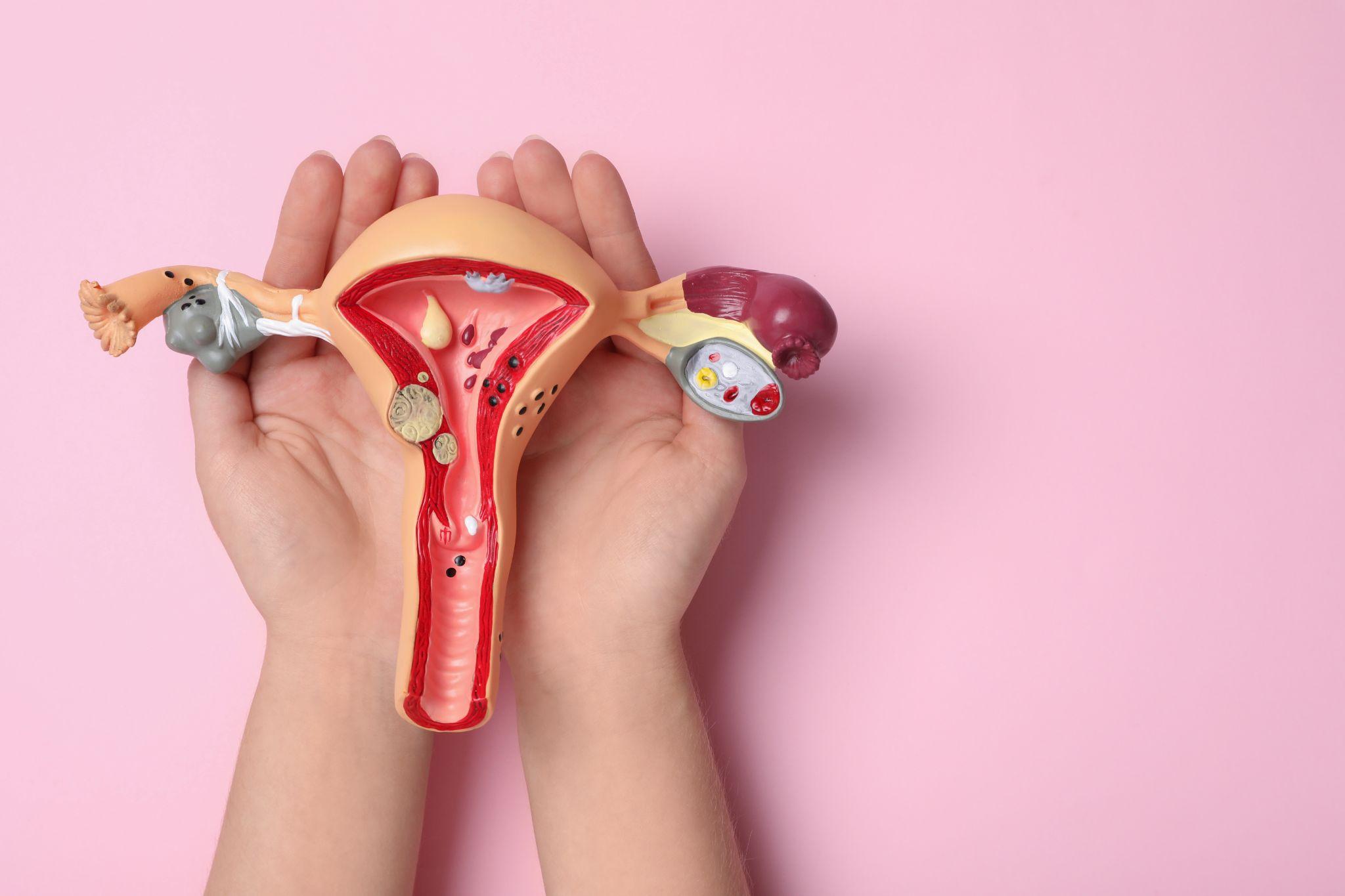
Things that are a part of your daily life might be causing cervical cancer, such as smoking and lack of regular check-ups and more.
4 Aug 2025
by Prakash Hospital

Early signs of pregnancy explained, including when to take a test and what to expect in the first weeks. Visit Prakash Hospital Noida for maternity care.
10 Jul 2026
by Prakash Hospital

Suffering from heel pain? Learn about plantar fasciitis causes, symptoms, and treatment options. Expert orthopedic care at Prakash Hospital Noida.
14 Apr 2026
by Prakash Hospital

जानिए स्ट्रेस फ्रैक्चर के कारण, लक्षण और सही इलाज। समय पर देखभाल, आराम और सही उपचार से जल्दी रिकवरी कैसे पाएं।
12 May 2026
by Prakash Hospital

Discover safe lifting techniques, common mistakes, spine injury prevention tips and expert back care at Prakash Hospital Noida.
23 Mar 2026
by Prakash Hospital


Book a consultation with Prakash Hospital's specialists — 24/7 emergency care, 100+ doctors, NABH accredited.
View All Departments