


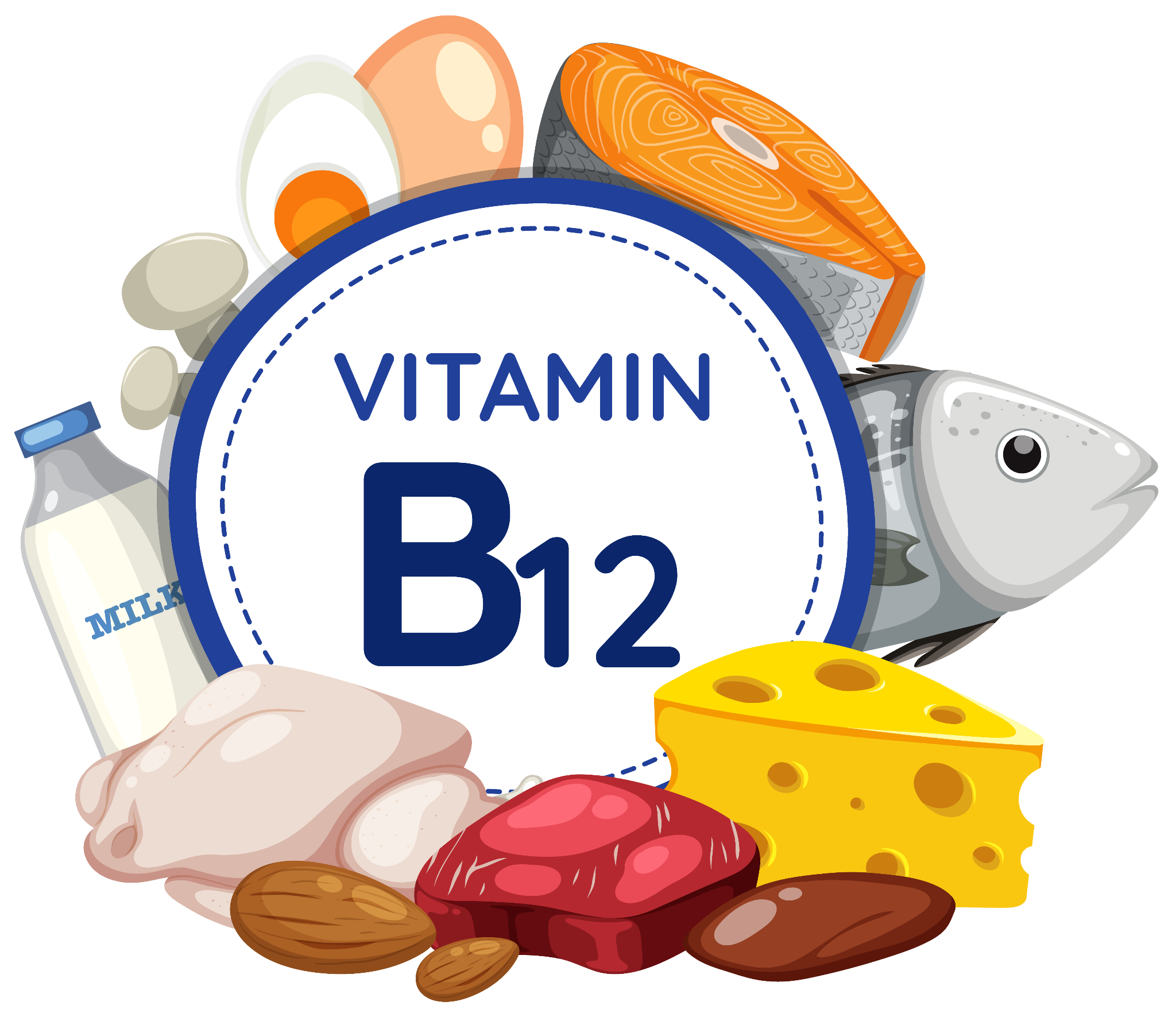
Vitamin B12 Deficiency: Symptoms, Risk Factors and What to Do
Vitamin B12 deficiency symptoms — tingling, fatigue, memory issues and more. Who's at risk in India and how to fix it. Prakash Hospital Noida.
30 Sept 2026
by Prakash Hospital
by Prakash Hospital

Vitamin D supplements placed in the sun, highlighting treatment and importance of sunlight exposure.
Vitamin D is important for overall health. It helps the body absorb calcium, supports bone strength, boosts immunity and plays a role in muscle and nerve function. Even in sunny areas, many people suffer from vitamin D deficiency due to changes in lifestyle, indoor jobs, pollution and poor diets. If not treated, this deficiency can lead to long-term health issues affecting bones, muscles and the immune system.
Recognizing the symptoms, causes and treatment options for vitamin D deficiency can aid in early detection and effective management.
Vitamin D deficiency happens when the body lacks enough vitamin D to function properly. This fat-soluble vitamin is produced in the skin when exposed to sunlight and is also found in certain foods and supplements. Low vitamin D levels decrease calcium absorption, which can weaken bones and lead to other health problems.
Vitamin D deficiency can affect people of all ages, including children, adults and seniors.
The symptoms of vitamin D deficiency are often mild at first and may go unnoticed for a long time. As vitamin D levels drop further, symptoms become clearer.
Low vitamin D levels can weaken bones, resulting in dull aches in the lower back, hips and legs. Many people report ongoing bone discomfort.
Chronic tiredness and low energy are often linked to vitamin D deficiency. People may feel exhausted even after getting enough rest.
Vitamin D is vital for muscle function. A deficiency can lead to muscle pain, cramps, weakness and difficulty with stairs or lifting items.
Vitamin D helps the immune system. People with low levels may get sick often, have prolonged recovery times from infections or experience recurring respiratory issues.
Low vitamin D may cause joint discomfort and stiffness, which can sometimes be confused with arthritis or normal aging.
Severe vitamin D deficiency may cause hair thinning and loss, especially when combined with stress or nutritional deficiencies.
Vitamin D influences brain function. Low levels may result in mood swings, anxiety and symptoms of depression.
Insufficient vitamin D can slow the healing of wounds after injuries or surgeries.
In children, vitamin D deficiency can lead to slow growth and bone deformities. Severe deficiency may result in rickets, a condition characterized by soft and weak bones, delayed teething and bowed legs.
Several factors can lead to low vitamin D levels, even in sunny climates.
Spending most of the day indoors, using sunscreen excessively, covering the skin completely or living in polluted areas can limit sunlight absorption.
Vitamin D naturally occurs in a few foods like fatty fish, egg yolks and fortified products. A vegetarian diet lacking fortified foods may raise the risk of deficiency.

Variety of vitamin D rich foods supporting overall health and deficiency prevention.
Conditions such as celiac disease, Crohn’s disease and lactose intolerance can hinder vitamin D absorption.
The liver and kidneys convert vitamin D into its active form. Diseases affecting these organs can lead to deficiency.
Vitamin D can become trapped in fat tissue, reducing its availability in the bloodstream.
As people get older, their skin becomes less effective at producing vitamin D, raising the risk of deficiency in seniors.
Doctors diagnose vitamin D deficiency with a blood test called the 25-hydroxy vitamin D test. This test checks the level of vitamin D in the blood.
Vitamin D levels are classified as:
A doctor may recommend testing if symptoms are present or if someone is part of a high-risk group.
Treatment depends on how severe the deficiency is, the person's age and any existing health conditions.
Oral vitamin D supplements are the most common treatment. The appropriate dosage depends on deficiency levels and should be taken under medical supervision.
Eating foods rich in vitamin D can help improve levels naturally. Foods like fortified milk, fortified cereals, egg yolks, mushrooms and fatty fish are good choices.
Spending 15-30 minutes outside in sunlight several times a week, especially in the morning, can help the body make vitamin D naturally.
Vitamin D works along with calcium. Getting enough calcium supports bone health and enhances treatment effectiveness.
Regular blood tests can track vitamin D levels and adjust supplement doses as needed.
You can prevent vitamin D deficiency through simple lifestyle changes.
Getting balanced sunlight exposure without overdoing it is key to maintaining healthy vitamin D levels.

Individual performing yoga outdoors in sunlight, supporting natural vitamin D absorption.
Eating fortified foods and natural sources rich in vitamin D helps support long-term health.
Regular blood tests can detect deficiencies early before symptoms become more serious.
People at higher risk, like older adults, pregnant women and those with chronic health issues, may need preventive supplements.
You should see a doctor if you have persistent bone pain, muscle weakness, frequent infections or unexplained fatigue. Early diagnosis can prevent complications like osteoporosis, fractures and long-term muscle problems.
At Prakash Hospital, patients receive thorough evaluations and personalized care for nutritional deficiencies, including vitamin D deficiency. With experienced doctors, advanced diagnostic tools and patient-focused treatment plans, Prakash Hospital ensures timely diagnosis, effective treatment and long-term preventive guidance for better bone health and overall well-being.

An ultrasound of the heart that shows how well it pumps and how the valves work. Painless and radiation-free.
Microneedling, laser, peels and minor procedures matched to your scar type to smooth pitted acne scars.
Removes tonsils that cause repeated throat infections or block a child's breathing during sleep.
Free tools to check your weight, plan a pregnancy, track calories and more.
We offer expert care across key specialties, including Medicine, Cardiology, Orthopaedics, ENT, Gynaecology, and more—delivering trusted treatment under one roof.
Vitamin B12 deficiency symptoms — tingling, fatigue, memory issues and more. Who's at risk in India and how to fix it. Prakash Hospital Noida.
30 Sept 2026
by Prakash Hospital
Which vitamin deficiencies cause hair fall — iron, vitamin D, B12, and zinc. How to test and fix them. Prakash Hospital Noida.
4 Sept 2026
by Prakash Hospital

Best Indian foods for strong bones — calcium-rich foods, vitamin D sources, and lifestyle habits to prevent bone loss. Prakash Hospital Noida.
31 Aug 2026
by Prakash Hospital

जानिए किडनी फंक्शन टेस्ट (KFT) क्या होता है, यह किन-किन पैरामीटर्स को मापता है और किडनी की सेहत के बारे में क्या जानकारी देता है।
11 May 2026
by Prakash Hospital

Prostate problems — symptoms of BPH, prostatitis and prostate cancer, the tests used to diagnose them, and when to see a doctor. Prakash Hospital Noida.
5 Oct 2026
by Prakash Hospital

Learn about urinary tract infection (UTI), including symptoms, causes, diagnosis, treatment options, and prevention tips at Prakash Hospital.
17 Feb 2026
by Prakash Hospital

Explore vitamin B12 rich foods, benefits of vitamin B12, deficiency symptoms, sources, and dietary tips for maintaining healthy levels.
10 Feb 2026
by Prakash Hospital

Detailed guide on essential vitamins, daily requirements, deficiency risks and how to increase vitamin intake naturally through a balanced diet.
20 Feb 2026
by Prakash Hospital
Learn how Vitamin B12 deficiency affects energy, nerves, and mood. Discover symptoms, causes, and treatment at Prakash Hospitals.
3 Nov 2025
by Prakash Hospital


Book a consultation with Prakash Hospital's specialists — 24/7 emergency care, 100+ doctors, NABH accredited.
View All Departments