


A doctor providing a detailed explanation of the patient's digestive health at the Gastroenterology Department of Prakash Hospital.
A gastroenterologist explaining a digestive system diagram to a patient during consultation.
Our team of skilled gastroenterologists and hepatologists use advanced diagnostic tools and minimally invasive procedures to deliver precise care.
Whether it's common conditions like acid reflux and ulcers or complex disorders such as Crohn’s disease, liver cirrhosis, and gastrointestinal cancers, we are committed to providing comprehensive, patient-centered treatment.
Our gastroenterology unit is equipped with high-definition video endoscopes for upper GI endoscopy and colonoscopy, allowing detailed visualization of the digestive tract. We perform therapeutic procedures including polypectomy (polyp removal), variceal banding for liver-related bleeding, foreign body removal, and ERCP (endoscopic retrograde cholangiopancreatography) for bile duct stones and pancreatic conditions. Our hepatologists manage the full spectrum of liver diseases — from fatty liver and hepatitis to cirrhosis — using a combination of medication, dietary intervention, and regular monitoring through fibroscan and liver function tests.

A doctor displaying and discussing x-ray results with a patient at the Gastroenterology Department of Prakash Hospital.
Highlights of the Department
Advanced diagnostic services, including endoscopy, colonoscopy, ERCP, and liver elastography
Specialized care for liver diseases such as hepatitis, fatty liver, and cirrhosis
Expert management of inflammatory bowel diseases (IBD) like Crohn’s and ulcerative colitis
Treatment for gastrointestinal cancers, including early detection and intervention
Nutritional counseling and support for digestive health
Minimally invasive procedures for faster recovery and reduced complications
Multidisciplinary collaboration with oncology, surgery, and radiology teams for complex cases

A doctor observing and assessing abdominal pain of a patient at the Gastroenterology Department of Prakash Hospital.
Why Choose Us?
Our team stays updated with the latest advancements in gastroenterology, ensuring patients benefit from the most modern diagnostic and treatment options available.
We believe in empowering patients with education about their conditions and involving them in every step of their care journey. With our patient-first philosophy, cutting-edge technology, and personalized approach, we strive to restore and maintain your digestive health effectively.
Digestive problems are among the most common reasons people visit a doctor, yet many patients put up with symptoms for months before seeking proper evaluation. Our gastroenterologists encourage early consultation — a timely endoscopy or colonoscopy can catch conditions like ulcers, polyps, or early-stage cancers when they are most treatable. We also run a structured follow-up program for patients with chronic conditions like IBD and liver disease, tracking lab values, adjusting medications, and coordinating with nutritionists for dietary support. For patients in Noida looking for thorough digestive care, Prakash Hospital brings specialist-level expertise to your neighborhood.
Digestive Conditions We Treat
Inflammatory bowel diseases — including Crohn's disease and ulcerative colitis — need careful long-term management, and our specialists work with patients to control flare-ups and maintain remission. We treat all forms of viral hepatitis (A, B, C, and E), fatty liver disease (NAFLD/NASH), and liver cirrhosis through medication, lifestyle intervention, and regular monitoring.
Acute and chronic pancreatitis, gallstones and bile duct stones (managed through ERCP), gastrointestinal bleeding from various causes, celiac disease, and food intolerances are all within our scope. We also perform colonoscopy-based screening for colon polyps and colorectal cancer — early detection that can be genuinely life-saving.
Our Approach to Digestive Health
For patients with chronic conditions like IBS, inflammatory bowel disease, or fatty liver, we develop management plans that combine medication with dietary changes and regular monitoring. Our approach is practical — we give specific food recommendations that work with Indian diets, not generic lists copied from textbooks. We also track liver enzyme levels, stool markers, and imaging findings over time to make sure treatment is working.
When intervention is needed — polyp removal during colonoscopy, variceal banding for liver patients, or ERCP for bile duct stones — our team performs these procedures in a well-equipped endoscopy suite with sedation and monitoring, keeping the patient comfortable throughout.
Diet, Lifestyle, and Long-Term Gut Health
For patients with conditions like GERD, IBS, or fatty liver, dietary modification is often as important as medication. We work with nutritionists to create meal plans that are practical and sustainable. For liver patients, we monitor weight, blood sugar, and lipid levels alongside liver function tests, because metabolic health and liver health are closely connected. Colorectal cancer screening through colonoscopy is strongly recommended starting at age 45, and we make sure patients understand why early detection can be genuinely life-saving.
Our Specializations
Diagnostic and Therapeutic Endoscopy
Colonoscopy
ERCP
Liver Disease Management
IBD Management
GI Cancer Screening
Nutritional Gastroenterology
Hepatology
Frequently Asked Questions
Find answers to common questions about Prakash Hospital Noida — our services, specialities, emergency care, insurance, appointments, and more — to help you make informed health decisions.
What conditions are treated in the Gastroenterology Department?
What are the common tests done for digestive disorders?
When should I see a gastroenterologist?
Are endoscopic procedures painful?
Can digestive problems be managed through lifestyle changes?
Do you offer liver disease treatment?
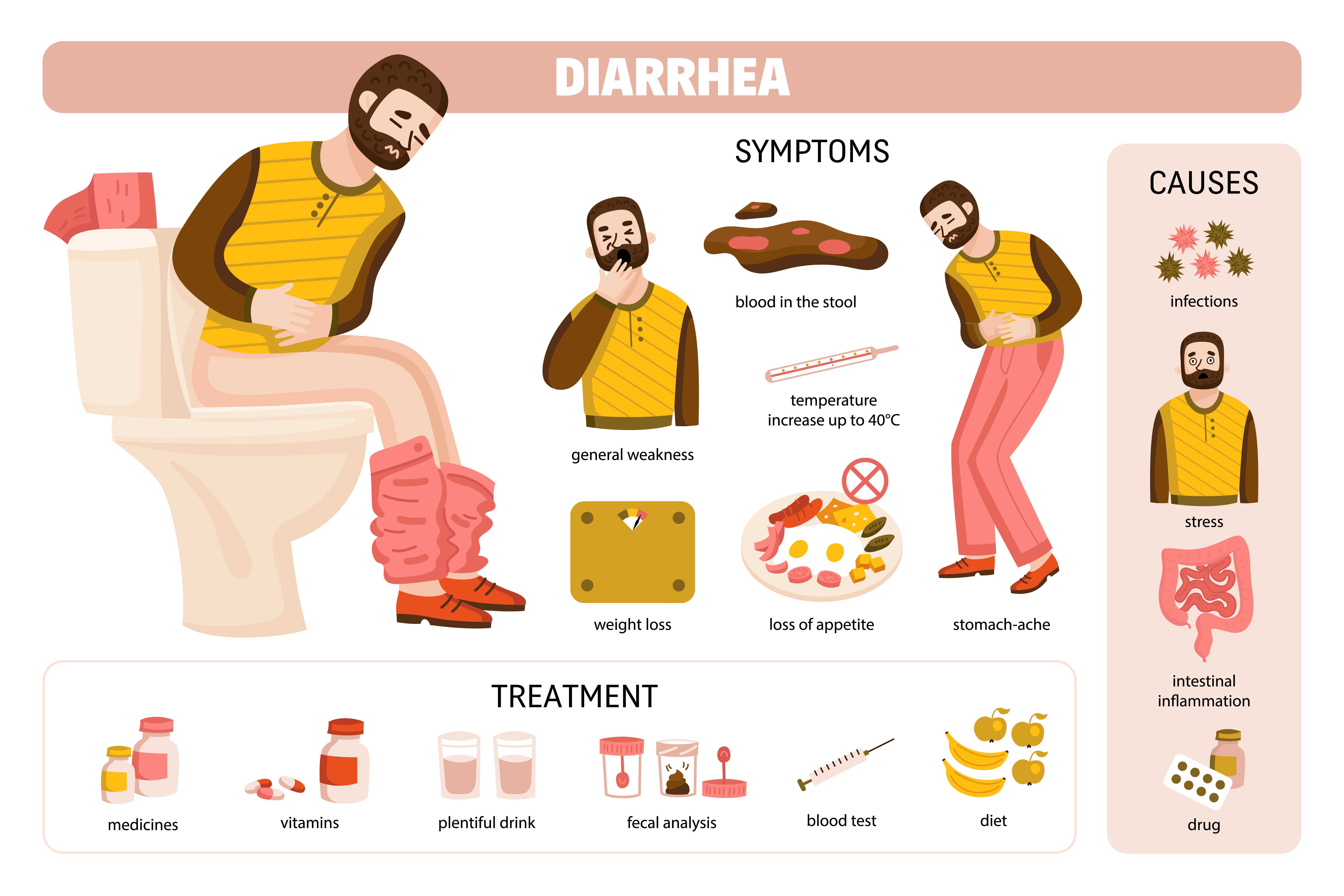
How is IBD different from IBS?
How can I book an appointment with the Gastroenterology Department?
Does insurance cover endoscopy and colonoscopy?
How should I prepare for a colonoscopy?
Can liver disease be reversed?
What foods should I avoid with acid reflux?
When should I get a colonoscopy screening?
Services we offer
We offer expert care across key specialties, including Medicine, Cardiology, Orthopaedics, ENT, Gynaecology, and more—delivering trusted treatment under one roof.


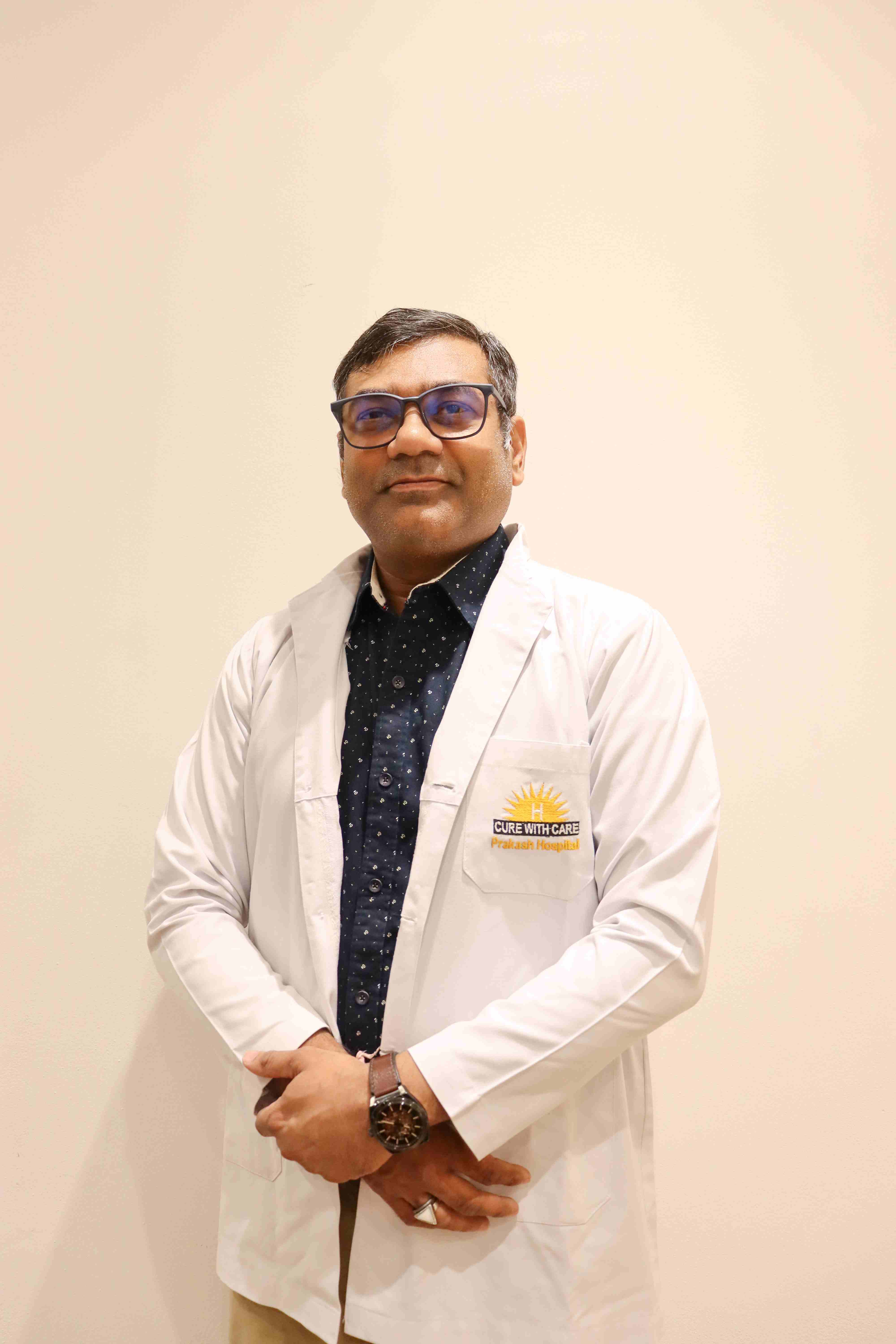

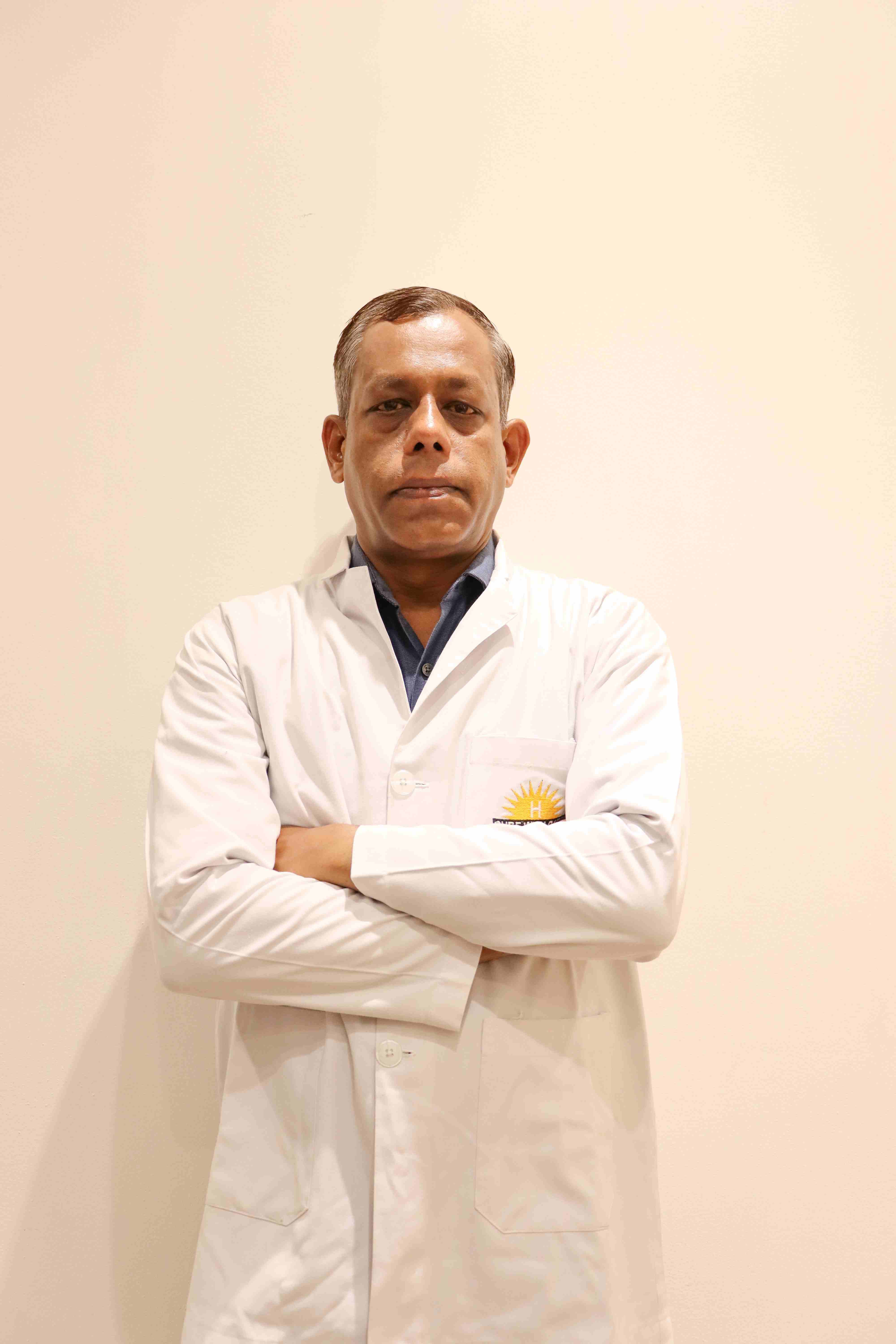

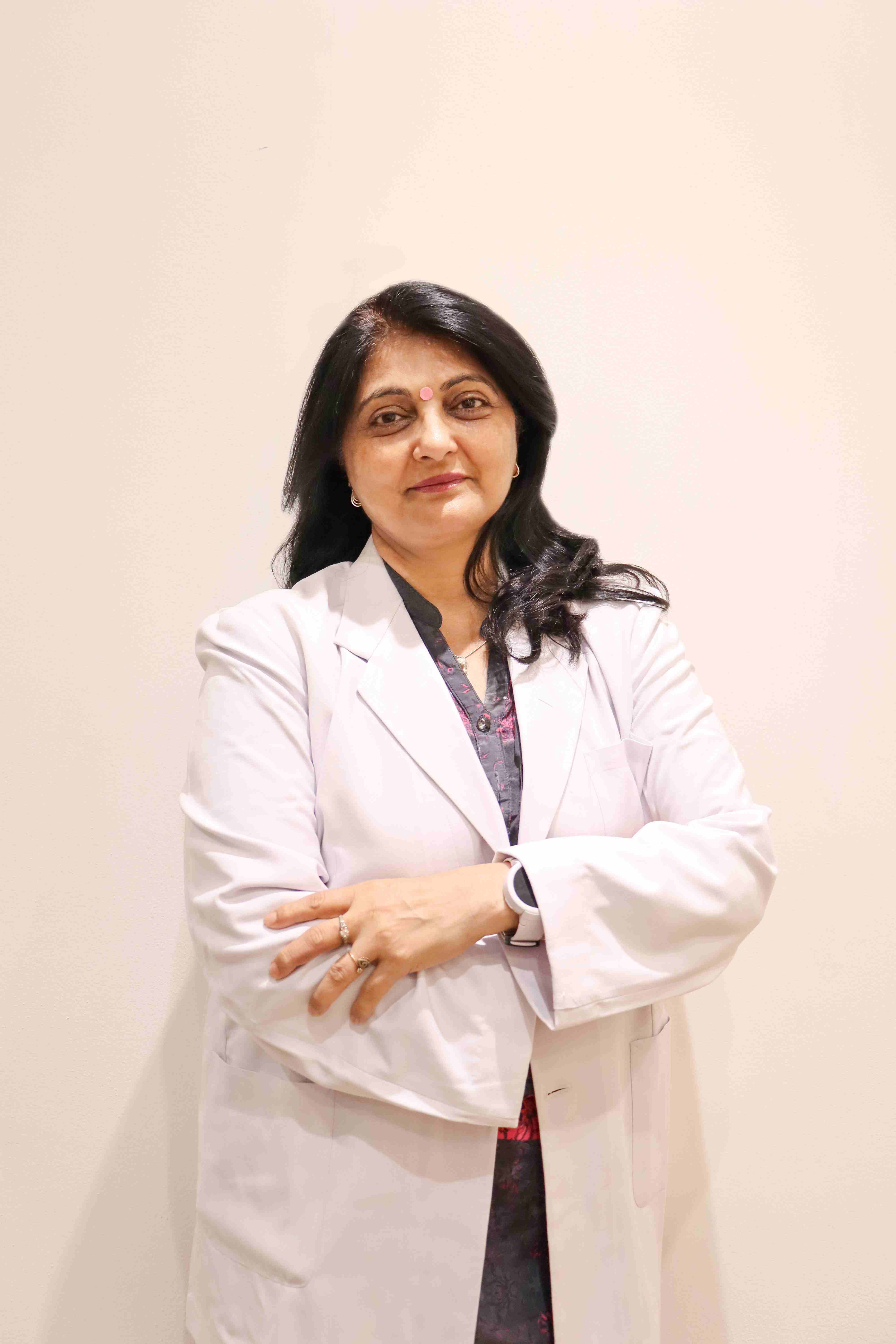


Looking for the Best Hospital in Noida? Talk to Our Experts
Book a consultation with Prakash Hospital's specialists — 24/7 emergency care, 100+ doctors, NABH accredited.
Press Release & Events

Reimagining Healthcare: How Digital Innovation Is Reshaping the Future of Medicine
27 December 2024
View More

Successful Recovery of Female Patient After Shoulder Surgery in Noida
30 January 2025
View More

Hip TB & AVN: Restoring Mobility in Nursing Officer
6 March 2024
View More

Prakash Hospital Conducts CPR and First Aid Training for Gautam Buddh Nagar Fire Department
15 October 2025
View More

What Every Young Girl Needs to Know About Her First Period
08 July 2024
View More

Prakash Hospital Strengthens Healthcare Footprint Near Jewar Airport
03 September 2025
View More

What is Psoriasis? Know Its Symptoms and Causes
05 February 2025
View More

**Budget 2026 Boosts Cancer Care, Biopharma and Affordable Healthcare**
January 31, 2026
View More






Prakash Hospital Pvt. Ltd. is a 100 bedded NABH NABL accredited multispecialty hospital along with a center of trauma and orthopedics. We are in the service of society since 2001.
OUR SPECIALITIES
Patient Services
PROCEDURES
Contact Us
D – 12A, 12B, Sector-33, G. B. Nagar, Noida, Uttar Pradesh 201301
+91-8826000033


© 2026 All rights reserved.
Designed and Developed by Zarle Infotech


