


Remarkable Power of Sesame Seeds: A Tiny Superfood for Better Health
Discover how sesame seeds support heart health, blood pressure, bone strength, and more. Learn why this ancient superfood is still relevant today.
5 May 2025
by Prakash Hospital
by Prakash Hospital
by Prakash Hospital
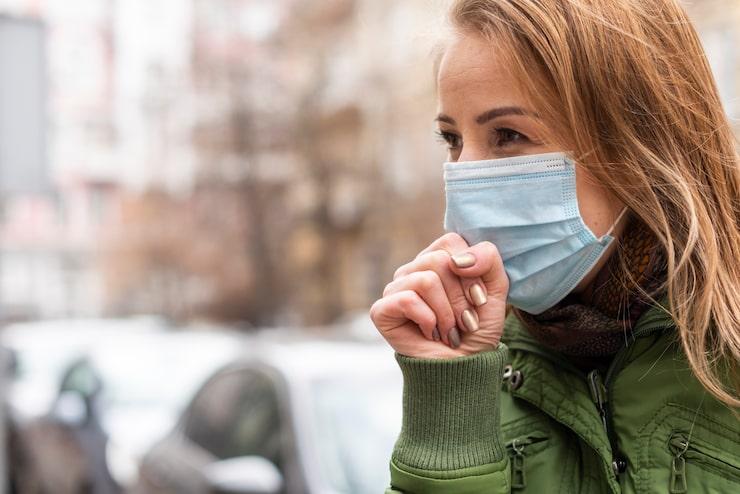
woman suffering due to air pollution
Air pollution has become one of the biggest health problems we face in modern life. The air we breathe often contains harmful particles that can harm our lungs, hearts, and overall health. These particles can come from car exhaust, industrial odors, dust, and seasonal smog. India, especially in cities like Noida and Delhi NCR, often has dangerous Air Quality Index (AQI) levels. This means that air pollution is not only bad for the environment but also a public health emergency.
At Prakash Hospital in Noida, we see firsthand how air quality affects our patients' health every day. Long-term exposure to dirty air can cause respiratory ailments, allergies, asthma, and heart problems. The good news is that we can't eliminate pollution overnight, but we can take steps to keep ourselves and our loved ones safe.
This article gives you useful and effective strategies to cope with air pollution, both inside and outside, so you may breathe easier and stay healthy.
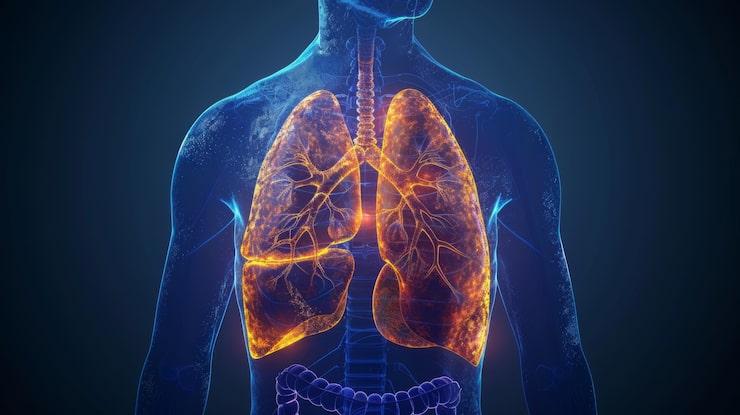
a pair of lungs under strain due to pollution
Pollution is highest between 6:00 a.m. and 10:00 a.m. and between 8:00 p.m. and 11:00 p.m, especially in winter. Plan your errands or walks for midday, when the air is cleaner. If the smog is really bad, stay inside as much as possible.
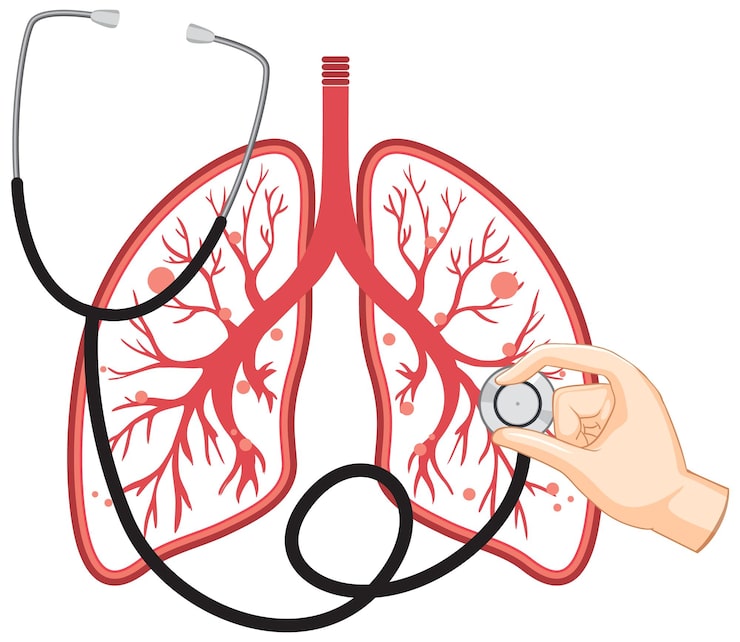
illustration of a doctor checking a pair of lungs
At Prakash Hospital in Noida, our respiratory doctors are experts at diagnosing and treating illnesses caused by pollution, such as asthma, COPD, and bronchitis.
We can't change outside pollution right away, but we can protect ourselves by making sensible decisions and getting regular checkups. Keeping your interior environments clean, utilizing protective gear, and living a healthy lifestyle can all help protect your health and the health of others you care about.
Prakash Hospital wants everyone to take action because every breath counts.

Measures pressure and oxygen inside the heart and lungs through a thin tube, to guide valve and heart failure care.
Rebuilds a torn ACL with a tendon graft through keyhole surgery to stop the knee giving way.
Removes tonsils that cause repeated throat infections or block a child's breathing during sleep.
Free tools to check your weight, plan a pregnancy, track calories and more.
We offer expert care across key specialties, including Medicine, Cardiology, Orthopaedics, ENT, Gynaecology, and more—delivering trusted treatment under one roof.
Discover how sesame seeds support heart health, blood pressure, bone strength, and more. Learn why this ancient superfood is still relevant today.
5 May 2025
by Prakash Hospital
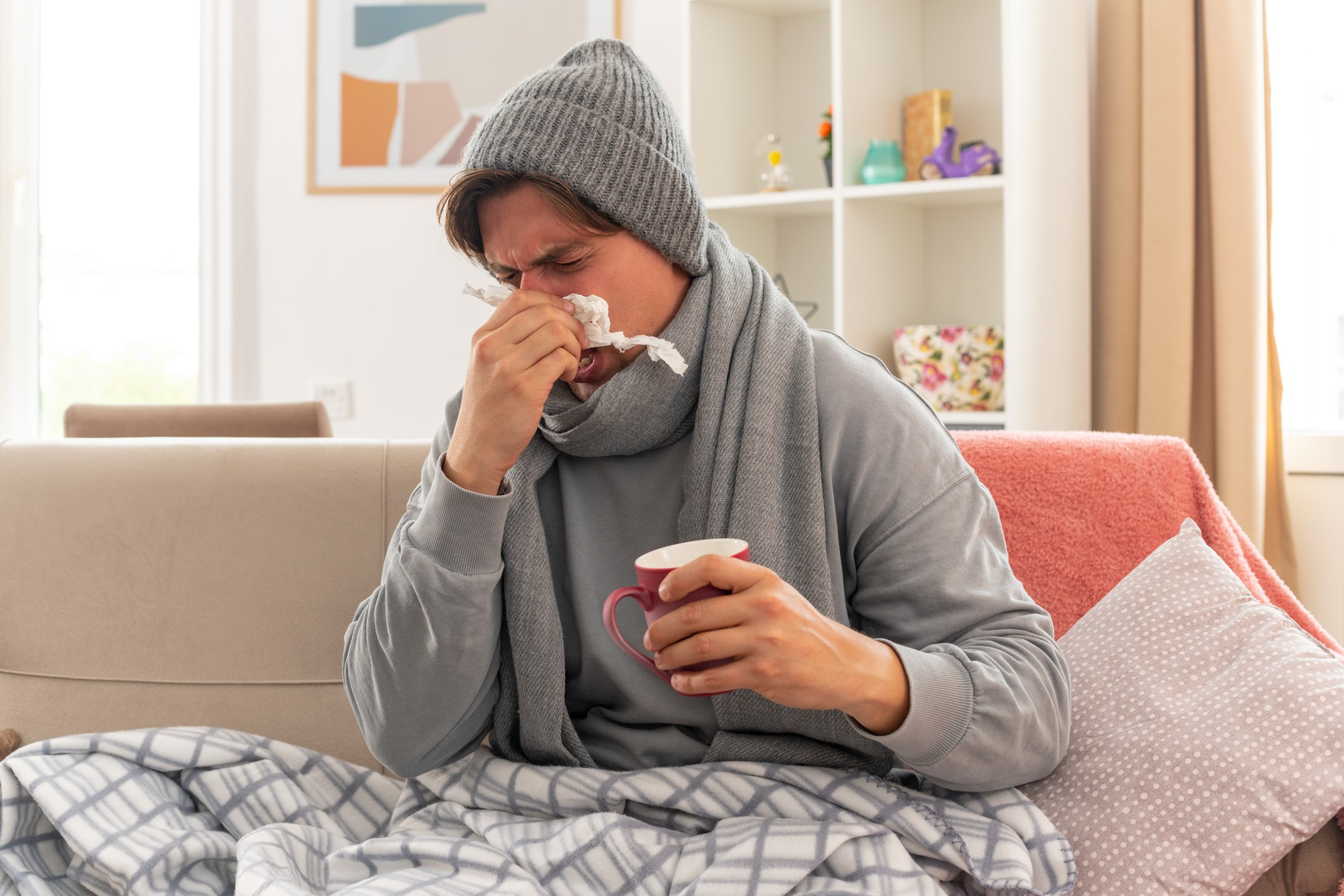
Stay healthy this winter with immunity-boosting, hygiene, and infection-prevention tips from Prakash Hospital.
27 Oct 2025
by Prakash Hospital
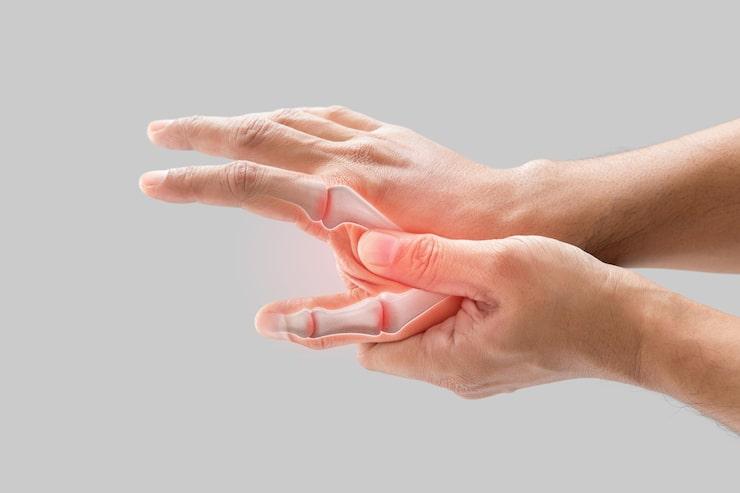
Learn all you need to about carpal tunnel surgery with the advice of seasoned experts from Prakash Hospital.
5 Sept 2025
by Prakash Hospital

Read your urine routine and microscopy report: colour, pH, protein, glucose, pus cells, RBCs and casts, with normal values and what abnormal results suggest.
9 Oct 2026
by Prakash Hospital

जानिए किडनी फंक्शन टेस्ट (KFT) क्या होता है, यह किन-किन पैरामीटर्स को मापता है और किडनी की सेहत के बारे में क्या जानकारी देता है।
11 May 2026
by Prakash Hospital

Prostate problems — symptoms of BPH, prostatitis and prostate cancer, the tests used to diagnose them, and when to see a doctor. Prakash Hospital Noida.
5 Oct 2026
by Prakash Hospital


Book a consultation with Prakash Hospital's specialists — 24/7 emergency care, 100+ doctors, NABH accredited.
View All Departments