


How to Lower High Blood Pressure Naturally
Comprehensive guide on lowering high blood pressure naturally through diet, exercise, weight control, and medical monitoring.
24 Feb 2026
by Prakash Hospital
by Prakash Hospital
by Prakash Hospital
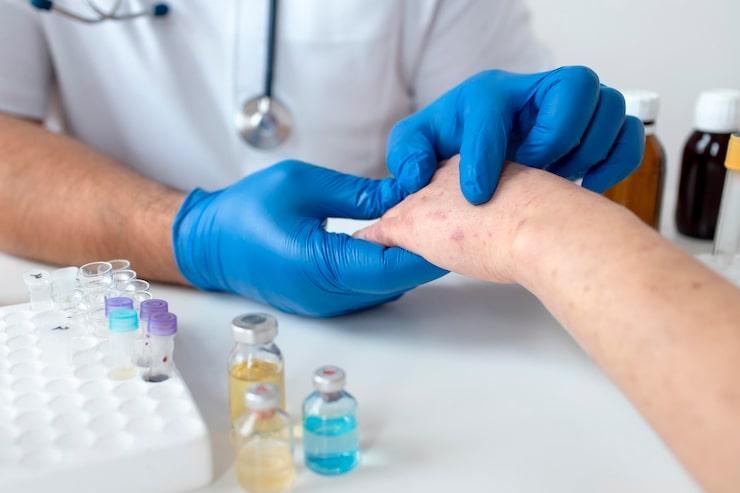
doctor checking patient for anaphylaxis
Allergies are widespread and usually not dangerous, but sometimes they can become life-threatening in just a few minutes. Anaphylaxis is a medical emergency that needs to be treated right away since it causes a severe, quick-onset reaction.
We have seen how rapid intervention may save lives at Prakash Hospital in Noida. Our emergency and critical care professionals know how to spot and treat anaphylaxis quickly and effectively, making sure that patients get the life-saving care they need right away.
This page talks about what anaphylaxis is, what its symptoms are, what causes it, and what you should do right away if you or someone you know has it.
Anaphylaxis is a serious allergic reaction that can be deadly. It happens when the body's immune system goes into overdrive in response to something that isn't dangerous, like a food item, insect sting, or medicine.
When someone has anaphylaxis, their immune system releases a lot of chemicals, such as histamine, which causes abrupt swelling, narrowing of the airways, a drop in blood pressure, and swelling of tissues all throughout the body.
Anaphylaxis can cause breathing problems, shock, organ failure, or even cardiac arrest within minutes if not treated right away.
Itching, sneezing, watery eyes, or minor rashes are all normal signs of an allergic reaction. Anaphylaxis, on the other hand, is significantly worse and affects many parts of the body, including the skin, lungs, heart, and stomach.
It gets worse quickly, usually within seconds to minutes of coming into contact with the allergen. Even a small amount of a drug that causes a reaction can set off a full-blown reaction in people who are sensitive to it.
Anaphylaxis can happen to anyone, but it happens most often to people who have had allergies or asthma in the past. Some of the most common things that set them off are:
1. Food
Peanuts, nuts from trees (such as almonds, walnuts, and cashews)
2. Medicines Antibiotics (like penicillin)
3. Bites and stings from bugs
Bee, wasp, hornet, or ant stings can put allergens into the body that cause anaphylaxis.
4. Latex
Found in gloves, balloons, and medical instruments, which is extremely bad for healthcare personnel and surgical patients.
5. Anaphylaxis Caused by Exercise
Intense physical exercise can sometimes cause an allergic reaction, especially when combined with specific foods or drugs.
6. Causes that are not known (Idiopathic Anaphylaxis)
In certain instances, a definitive etiology remains unascertained, yet symptoms manifest as acute and abrupt.
Some people are more likely to get anaphylaxis:
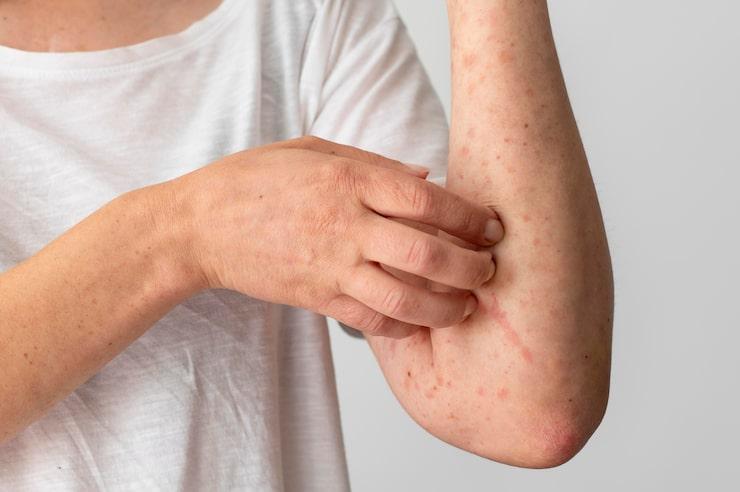
person with hives
Anaphylaxis usually starts quickly and gets worse quickly. It is very important to notice early warning symptoms in order to save a life.
Some common signs are:
1. Skin and Mucous Membranes
2. Symptoms of the respiratory system
3. Symptoms of the heart and blood vessels
4. Symptoms in the stomach and intestines
5. Symptoms of the nervous system
Feeling confused, anxious, or losing awareness
There are two phases of anaphylaxis: the first phase and a biphasic reaction, which happens hours after the first one goes away; because of this, all patients must be watched in the hospital even after they seem to be well.
Anaphylaxis is a medical emergency. If you think someone is going through it, do something right away.
Step 1: Call for medical help right away
Call your local emergency number or go to the emergency room at Prakash Hospital right away.
Don't wait to see whether the symptoms get better.
Step 2: Give Epinephrine (Adrenaline). Epinephrine is the only first-line treatment for anaphylaxis that can save a life right away.
If you have one, use an auto-injector (EpiPen). Give it a go in the outer thigh, even if you have to go through clothes.
Don't wait to use epinephrine; doing so raises the risk of mortality.
You can give a second dose if the symptoms don't get better after 5 to 10 minutes.
Step 3: Put the Person in Place in a safe way
Put the sufferer flat on their back and raise their legs to promote blood flow.
If they are having trouble breathing, let them sit up a little bit, but don't move them suddenly.
Make sure they stay still and relaxed.
Step 4: Take off tight clothes
Take off belts, ties, or tight clothes to make it easier to breathe.
Step 5: Keep an eye on your breathing and pulse
If the person passes out or stops breathing, start CPR right away and keep doing it until aid arrives.
Step 6: Care and observation in the hospital
Even if the patient feels better after getting epinephrine, they need to stay in the hospital for at least 4 to 6 hours.
To stop it from happening again, doctors may give you oxygen, fluids through an IV, antihistamines, or corticosteroids.
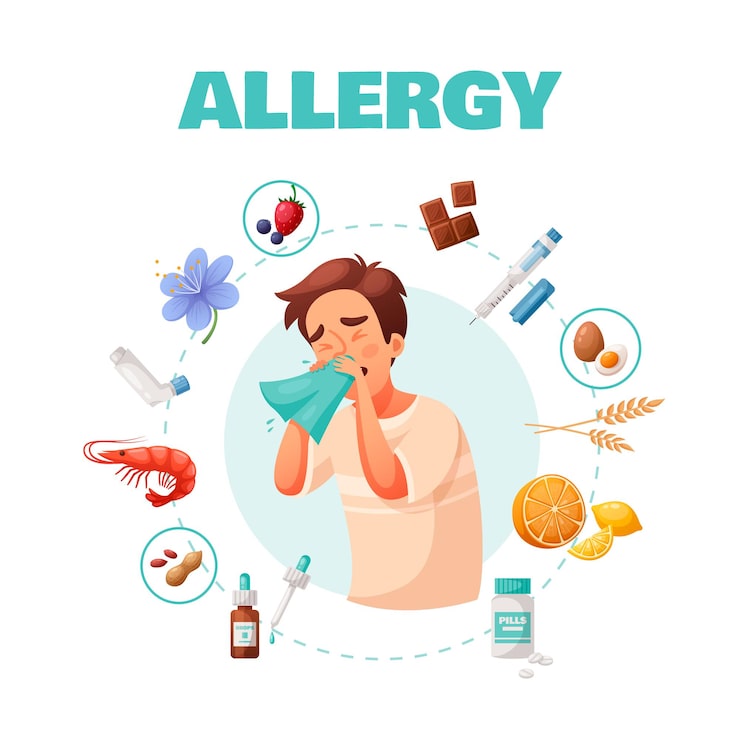
symptoms of allergies
At Prakash Hospital, doctors figure out if someone has anaphylaxis by looking at their symptoms and their history of being around allergens.
Once the patient is in the hospital, the focus of therapy is on keeping them stable and stopping any further responses.
Our emergency response team at Prakash Hospital in Noida has advanced life support equipment and is available 24 hours a day, 7 days a week to make sure that patients get immediate and complete care.
It's always preferable to stop something from happening than to address it in an emergency. Here are some things you can do to lower your risk:
1. Find and stay away from things that set you off
2. Always have an epinephrine auto-injector with you.
People who know they are allergic should always have two epinephrine pens with them.
Show your family, friends, and coworkers how to use it.
3. Put on a Medical Alert Bracelet. It helps emergency responders rapidly figure out what's wrong with you.
4. Tell Healthcare Providers
Before any therapy or surgery, always tell your doctor or surgeon about your allergies.
5. Take care of other health problems
Control asthma and other allergies.
People who are prone to anaphylaxis can live full, active lives if they are aware of the risks and take the right steps. Our allergists and immunologists at Prakash Hospital in Noida offer:
We promise you the best emergency and allergy care at Prakash Hospital. Our hospital has a 24-hour emergency room with modern life support systems.

A camera test that looks inside the bladder and urethra to find the cause of bleeding, infections or blockage.
Measures pressure and oxygen inside the heart and lungs through a thin tube, to guide valve and heart failure care.
Removes the foreskin, usually as day care, for phimosis, repeated infection or religious reasons.
Free tools to check your weight, plan a pregnancy, track calories and more.
We offer expert care across key specialties, including Medicine, Cardiology, Orthopaedics, ENT, Gynaecology, and more—delivering trusted treatment under one roof.
Comprehensive guide on lowering high blood pressure naturally through diet, exercise, weight control, and medical monitoring.
24 Feb 2026
by Prakash Hospital

कोलेस्ट्रॉल को नियंत्रित रखना दिल की सेहत के लिए बेहद ज़रूरी है। जानें HDL, LDL और ट्राइग्लिसराइड्स को संतुलित करने के आसान और प्रभावी उपाय।
5 Feb 2026
by Prakash Hospital

Science-backed ways to improve concentration and focus for study, work, and daily life. Expert guidance from Prakash Hospital Noida.
23 Jul 2026
by Prakash Hospital

Early pregnancy signs — what to watch for in the first weeks, when to take a test, and what the symptoms mean. Prakash Hospital Noida.
23 Sept 2026
by Prakash Hospital

Early signs of pregnancy explained, including when to take a test and what to expect in the first weeks. Visit Prakash Hospital Noida for maternity care.
10 Jul 2026
by Prakash Hospital

Indian pregnancy diet plan, foods to eat in each trimester, key nutrients, and what to avoid. Visit Prakash Hospital Noida for maternity care.
10 Jul 2026
by Prakash Hospital


Book a consultation with Prakash Hospital's specialists — 24/7 emergency care, 100+ doctors, NABH accredited.
View All Departments