


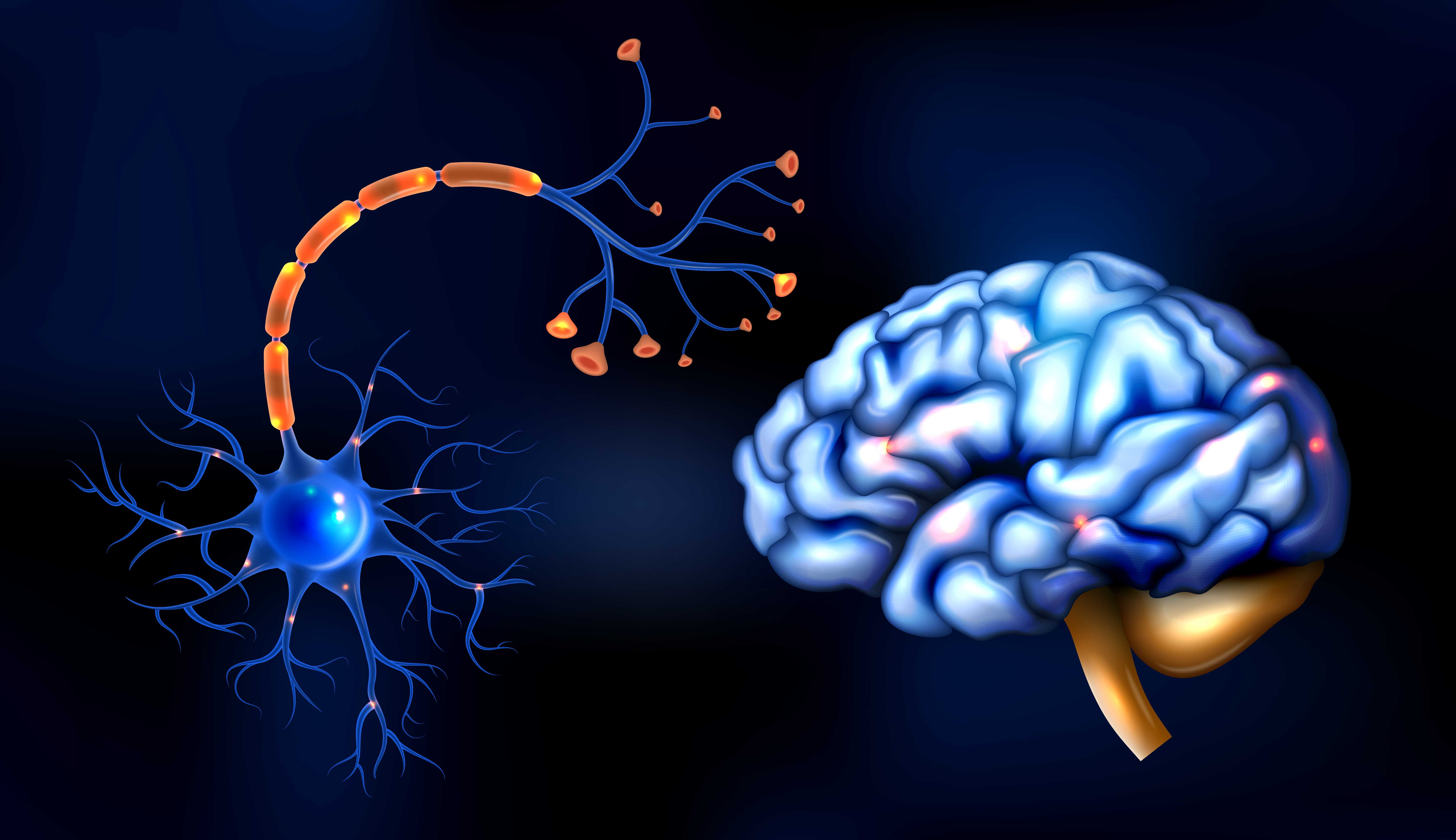
Brain Hemorrhage: Warning Signs, Causes and Emergency Treatment
Learn the warning signs of brain hemorrhage, possible causes, emergency treatment options, and why immediate medical attention is critical.
19 May 2026
by Prakash Hospital
by Prakash Hospital
by Prakash Hospital

A man sitting at a desk holding his head, struggling with brain fog and mental fatigue.
Brain fog is a condition of frustration wherein clear thinking, staying focused on something or remembering simple things is quite difficult. It has been described by many as a feeling of mental "cloudiness," slowing down or being disconnected from the environment outside. Although brain fog itself is not diagnosed medicinally, it's included among the large number of signs and symptoms associated with various life factors, hormonal changes and diseases. Brain fog has become increasingly common in today's fast-moving world among students, working professionals, new parents and elderly people.
Brain fog is a lack of sharpness, concentration, memory and cognitive performance. You feel like you have to read the same sentence over and over, can't remember names or get tired after minimal mental effort. Simple tasks which used to be easy now may appear to be overwhelmingly difficult, frustrating and unproductive.
While occasional brain fog may be considered normal, persistent symptoms are a call for intervention.
Brain fog may vary from one individual to another but overall, the common symptoms include inability to concentrate for long periods, forgetfulness, slowness of thought, confusion, lack of mental sharpness, difficulty in finding words and exhaustion, even after having enough rest. Many people also report a sense of detachment or a lack of mental drive that interferes with professional and personal life.
High levels of stress trigger the release of cortisol, a hormone interfering with memory, learning and emotional regulation. Constant worry will keep the brain in survival mode making it tough to focus on everyday tasks or retain information effectively.
Patient consulting a doctor, showing signs of stress and anxiety.
Brain fog is mainly caused by poor sleep quality. When the brain is deprived of rest, it cannot repair neural connections or consolidate memories. This in turn, leads to a reduction in attention span, slower reaction times and impaired decision-making.
There are essential nutrients required by the brain to function at its best. Nutritional deficiencies of vitamin B12, iron, vitamin D, omega-3 fatty acids and magnesium can severely impact mental performance. Increased hunger caused by an imbalanced diet high in processed foods and low in fresh produce is another contributor to mental fatigue and lethargy.
The hormonal changes that greatly affect cognitive function include those associated with pregnancy, menopause, thyroid disorders and other conditions like PCOS. Such hormonal fluctuations directly impact neurotransmitter balance, decreasing focus and mental clarity.
Brain fog is strongly associated with various health conditions: depression, anxiety disorders, chronic fatigue syndrome, fibromyalgia, diabetes, autoimmune diseases, migraines and Long COVID are among them. In all these instances, brain fog can be a persistent symptom that is in need of medical evaluation.
Other medications like antihistamines, antidepressants, sedatives and pain medications, can affect brain chemistry and temporarily cloud a person's cognition or make them less alert.
Living with brain fog can impact nearly every facet of daily functioning. Individuals may have difficulty completing tasks at work, remembering appointments, staying organized or even holding a conversation. This often results in a decrease in confidence, heightened stress, emotional exhaustion and feelings of inadequacy. If left unaddressed, brain fog may give way to changes in mental health and overall quality of life over time.
Improvement of brain fog necessitates a comprehensive approach that deals with both the body and the mind.
Sleep should be consistent and of good quality. It is best to get 7 to 9 hours of sleep every night and to establish a routine in sleep patterns. Stress reduction techniques like deep breathing, meditation or yoga can help to diminish stress levels and improve clarity of thought. Minimizing excessive screen time and frequent breaks during work can also decrease cognitive strain.
A well-balanced diet is important for preventing brain fog. Whole foods include fruits, vegetables, lean proteins, nuts, seeds and whole grains. Foods with omega-3 fatty acids such as walnuts and flaxseeds can support the brain. Limit your sugar, refined carbs and junk foods since they contribute to energy crashes and poor concentration.
Regular exercise increases blood circulation and oxygenation to the brain, enhancing concentration and memory. Even light activities like brisk walking or stretching can make a noticeable difference in mental acuteness.

A woman practicing yoga outdoors on a mat in a park.
Engaging in mentally stimulating activities will promote cognitive function. Reading, solving puzzles, practicing mindfulness or learning new skills can sharpen memory and attention over time.
Brain fog lasting for weeks, progressive worsening or causing significant impairment in daily functioning warrants consultation with a health professional. If accompanied by severe fatigue, depression, sudden confusion or neurological symptoms, prompt medical evaluation is necessary.
The most important thing is establishing a regular daily regimen that will help foster mental well-being. Adequate hydration, combating undue stress levels, good nutrition and adequate sleep go a long way in avoiding recurring brain fog. Regular check-ups can help to pinpoint deficiencies or other conditions early on.
Although brain fog feels overwhelming, it's a condition that can often be reversed with greater understanding and due care. You could restore cognitive clarity and overall better brain health by attending to poor sleep, managing stress, improving nutrition and when necessary, seeking medical guidance. Small consistent changes in lifestyle bring significant improvement in mental focus, memory and daily performance. If you frequently feel mental exhaustion or a lack of concentration, then you should not neglect these signs. Early treatment of brain fog will help you get your mind, productivity and overall well-being back on track.

Targeted injections for chronic migraine, dystonia, eyelid spasm and muscle stiffness after a stroke.
Collects spinal fluid from the lower back to diagnose meningitis, bleeding around the brain and nerve inflammation.
Records the brain's electrical activity through scalp electrodes to help diagnose epilepsy and seizures.
Free tools to check your weight, plan a pregnancy, track calories and more.
We offer expert care across key specialties, including Medicine, Cardiology, Orthopaedics, ENT, Gynaecology, and more—delivering trusted treatment under one roof.
Learn the warning signs of brain hemorrhage, possible causes, emergency treatment options, and why immediate medical attention is critical.
19 May 2026
by Prakash Hospital

Best Indian foods for brain power, memory, and focus. What to eat to sharpen your mind naturally. From Prakash Hospital Noida.
27 Jul 2026
by Prakash Hospital

Natural, science-backed ways to increase brain power, sharpen thinking, and improve mental performance. From Prakash Hospital Noida.
24 Jul 2026
by Prakash Hospital

Protect your skin barrier this winter with dermatologist-approved skincare tips and routines by Prakash Hospital.
19 Nov 2025
by Prakash Hospital

Dark circles are not always about sleep. From anaemia and thyroid issues to genetics and sun damage, our dermatology team at Prakash Hospital, Noida breaks down the real causes and what actually works.
13 Apr 2026
by Prakash Hospital

Discover effective home remedies for dandruff, including natural treatments and lifestyle tips to reduce flakes and maintain a healthy scalp.
5 May 2026
by Prakash Hospital

नस दबने की समस्या क्यों होती है? इसके शुरुआती लक्षण, कारण, इलाज और बचाव के तरीके जानें और कब डॉक्टर से संपर्क करना जरूरी है।
15 Apr 2026
by Prakash Hospital

Improve memory and focus with proven daily habits that support long-term brain health and cognitive function.
27 Nov 2025
by Prakash Hospital
Learn how Vitamin B12 deficiency affects energy, nerves, and mood. Discover symptoms, causes, and treatment at Prakash Hospitals.
3 Nov 2025
by Prakash Hospital


Book a consultation with Prakash Hospital's specialists — 24/7 emergency care, 100+ doctors, NABH accredited.
View All Departments