


Vitamin B12 Deficiency: Symptoms, Risk Factors and What to Do
Vitamin B12 deficiency symptoms — tingling, fatigue, memory issues and more. Who's at risk in India and how to fix it. Prakash Hospital Noida.
30 Sept 2026
by Prakash Hospital
by Prakash Hospital

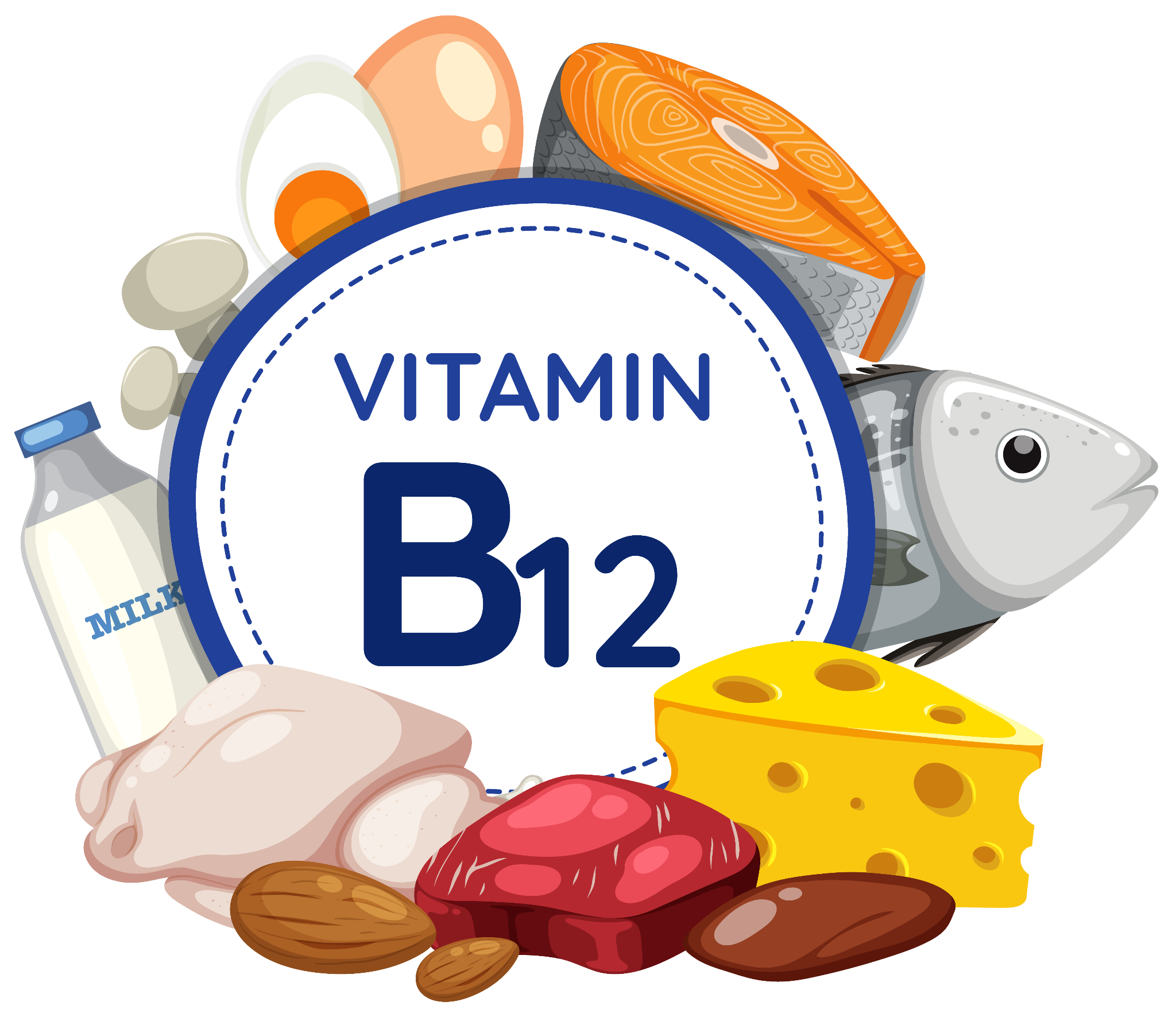
Foods rich in vitamin B12 such as dairy products, eggs, fish and fortified foods.
Vitamin B12 does a lot of work in the body. Nerve function, red blood cell production, DNA synthesis, energy metabolism, all of it depends on having enough. When levels drop, the effects tend to emerge quietly: fatigue that doesn't lift with sleep, tingling in the hands and feet, memory that feels less reliable than it used to.
Since the human body cannot make vitamin B12 on its own, it has to come from food or supplements. The catch is that most reliable sources are animal-based, which is why vitamin B12 deficiency is one of the more common nutritional problems doctors encounter, particularly in a country like India where vegetarian and plant-based diets are the norm for a large share of the population.
Studies suggest that anywhere from 47% to over 70% of Indians have low or borderline-low vitamin B12 levels, many without realising it. The symptoms develop slowly and are easily dismissed as tiredness, stress, or ageing. By the time a diagnosis is made, the shortage may have been building for years.
Vitamin B12, also known as cobalamin, is a water-soluble vitamin. It's involved in red blood cell formation, nervous system function, and DNA synthesis, three things the body cannot get wrong for long without real consequences.
One of its less obvious but important jobs is maintaining the myelin sheath, the protective layer around nerve fibres that allows signals to travel efficiently. When vitamin B12 levels fall too low, this covering starts to deteriorate. Early on, that shows up as tingling or numbness. Left untreated long enough, it can cause permanent nerve damage.
A deficiency of vitamin B12 also leads to megaloblastic anemia, a condition where red blood cells grow too large and misshapen to carry oxygen properly. The result is fatigue, weakness, and breathlessness that doesn't resolve with rest.
Because vitamin B12 is found almost entirely in animal foods, vegetarians and vegans need to be deliberate about where they get it.
Vitamin B12 does more than prevent anemia. Its reach across body systems is wider than most people realise.
The most consequential function is nerve protection. The myelin sheath around nerve fibres depends directly on B12 availability. Without enough, it degrades, starting with tingling and numbness, and progressing in severe cases to balance problems and coordination loss. This is the damage that may not fully reverse, even with treatment.
Red blood cell production is where deficiency becomes most visible in a standard blood test. When B12 is short, red blood cells form incorrectly: oversized, structurally abnormal, and unable to carry oxygen efficiently. Anemia and the fatigue that comes with it follow.
DNA synthesis is the less-discussed function. Every cell in the body replicates its genetic material, and B12 is part of that process. This makes adequate B12 especially important during pregnancy, early childhood, and adolescence, periods of rapid cell division.
Energy metabolism is partly why persistent tiredness is such a common early sign of deficiency. B12 is involved in converting food into usable fuel. When levels drop, fatigue tends to appear first, often months before anything shows on a blood test.
Brain function is also affected. B12 is needed to produce neurotransmitters that regulate mood and cognition. Deficiency shows up as brain fog, difficulty concentrating, or low mood, symptoms that are easy to attribute to stress or overwork.
Homocysteine regulation is the cardiovascular connection. Vitamin B12 converts homocysteine into methionine. When B12 is low, homocysteine rises, and at elevated levels, it damages arterial walls and raises the risk of heart attack and stroke.
Pregnancy is where B12 deficiency carries the most serious downstream effects. The Pune Maternal Nutrition Study (Yajnik et al., 2006) found widespread B12 deficiency among Indian vegetarian pregnant women, linked to neural tube defects, low birth weight, and poorer cognitive development in their children.
The recommended daily intake of vitamin B12 varies depending on age, health status, and life stage.
Most healthy adults require about 2.4 micrograms per day. Pregnant women generally need slightly higher amounts, while breastfeeding mothers may require even more to support their baby's nutritional needs.
Although the body stores some vitamin B12 in the liver, regular intake through diet is still important to maintain adequate levels over time.
People who follow plant-based diets, older adults, and individuals with digestive conditions may need to monitor their intake more carefully or consider fortified foods and supplements.
Foods from animals are the best way to get B12.
Vegetarians are more likely to have a B12 shortage since plant-based foods don't usually have much B12.
Vegans are at the highest risk of B12 deficiency and should get it from fortified foods or supplements.
This is where the story gets complicated, and where the explanation matters.
Vitamin B12 in food is bound to proteins. Stomach acid has to free it before the body can do anything with it. After that, it binds to a protein called intrinsic factor, produced by specialised cells (parietal cells) in the stomach lining. This B12-intrinsic factor complex then travels to the small intestine, where the vitamin B12 is absorbed into the bloodstream.
If any part of that chain breaks down, low stomach acid, a damaged stomach lining, absent intrinsic factor, B12 doesn't get absorbed, regardless of how much is in the diet.
This explains why older adults absorb vitamin B12 less efficiently as stomach acid production declines with age. It explains why people on PPIs (omeprazole, pantoprazole) are at risk despite eating well. It explains why people with pernicious anemia, an autoimmune condition that destroys the parietal cells, cannot absorb dietary B12 at all and need injections for life. And it's partly why H. pylori infection, which affects an estimated 50–70% of Indians, can quietly undermine B12 absorption over years.
High-dose oral supplements (500–1,000 mcg) and sublingual preparations work around this system through passive diffusion, which is why therapeutic doses look nothing like the 2.4 mcg daily dietary requirement.
B12 deficiency tends to develop slowly, which is why it often goes undetected until it's significant.
Symptoms fall across three categories:
The neurological symptoms are the ones that can become permanent. Fatigue and anemia typically reverse with treatment. Nerve damage that has been present for a long time is harder to undo, sometimes only partially. That's the practical reason for not waiting once symptoms appear.
Vegetarian or vegan diets without fortified foods or supplements are the leading dietary cause in India.
Gastritis, Crohn's disease, celiac disease, and H. pylori infection can all interfere with B12 release or absorption.
An autoimmune condition where the body attacks the stomach cells that produce intrinsic factor, making normal B12 absorption impossible.
The stomach produces less acid as people get older, which reduces the ability to extract vitamin B12 from food.
Long-term metformin and proton pump inhibitors are among the most common medication-related causes.
Removing or bypassing parts of the stomach reduces intrinsic factor production.
If dietary intake is insufficient, vitamin B12 supplements may be recommended. A healthcare professional can determine the appropriate dosage and form based on individual needs and the underlying cause of deficiency.
Getting the cause right matters. Someone with pernicious anemia needs injections, not a multivitamin.
Deficiency that goes undetected for months or years can cause damage that treatment does not fully reverse:
Prolonged deficiency destroys myelin around nerve fibres, causing lasting numbness, weakness, and coordination problems.
Affects both sensory and motor pathways; partially or fully irreversible.
Can become life-threatening if untreated.
High homocysteine, driven by vitamin B12 deficiency, is an independent risk factor for heart attack and stroke.
When the mother is B12 deficient during early pregnancy.
Indian studies have linked maternal B12 deficiency to lower cognitive scores and developmental delays.
Vitamin B12 deficiency is a treatable and frequently missed contributor, particularly in older adults.
Eat vitamin B12 rich foods consistently. For vegetarians in India, that means at least two cups of milk and one serving of curd daily, plus eggs if you eat them. A small amount of paneer alone is not a reliable B12 source.
If you're vegetarian or vegan, consider a daily supplement seriously. The diet alone, factoring in India's cooking methods and limited availability of fortified foods, rarely gets you to the 2.4 mcg daily target without supplementation.
Chronic acidity, reflux, or inflammatory bowel conditions affect how well vitamin B12 is absorbed. If you have any of these, ask your doctor about B12 testing alongside treatment of the gut condition.
Test annually if you're in a high-risk group. Vegetarians, people over 60, diabetics on metformin, and pregnant women should have a serum B12 test at least once a year. It costs ₹300–800 and takes one blood draw.
See a doctor if you have constant tiredness, numbness, memory issues, or signs of anemia. Getting treatment early can prevent lasting nerve damage and improve your health significantly.
Vitamin B12 deficiency is straightforward to diagnose and, in most cases, easy to treat. What makes it dangerous is that it doesn't announce itself clearly. The symptoms are common, gradual, and easy to attribute to something else. The longer it goes untreated, the narrower the window for full recovery becomes.
Fish (salmon, tuna, sardines), meat, eggs, and dairy products like milk, yogurt, and cheese. Beef liver has one of the highest concentrations of any commonly eaten food. Fortified breakfast cereals and plant-based milks are the most practical sources for vegetarians and vegans.
Sometimes, but it's difficult. Dairy and eggs provide some B12, but India's cooking methods (prolonged boiling reduces dairy B12 by up to 40%) and the limited content in plant foods mean many vegetarians fall short consistently. Fortified foods or a daily supplement close the gap more reliably.
Vitamin B12 is found almost exclusively in animal foods. Vegans have no reliable dietary source unless they consume fortified foods consistently and not all fortified products carry enough. A daily supplement is not optional for vegans; it's a basic nutritional requirement.
Fatigue and weakness are usually first. Numbness or tingling in the hands and feet, pale skin, dizziness, and memory changes tend to follow. Because these build slowly, deficiency often goes unnoticed for months or years.
2.4 mcg per day for most adults. 2.6 mcg during pregnancy and 2.8 mcg while breastfeeding.
Yes, and this is the most serious consequence of leaving it untreated. Prolonged deficiency breaks down the myelin sheath around nerve fibres, leading to numbness, tingling, balance problems, and in severe cases, spinal cord involvement. Neurological damage caught early is treatable; caught late, it may not fully reverse.
If you're vegan, yes. If you're vegetarian and not eating eggs regularly, very likely. Older adults, people on metformin or acid-suppressing medications, and anyone with a digestive condition should discuss supplementation with their doctor rather than guessing.
Oral supplements (500–2,000 mcg daily) for dietary deficiency. Intramuscular injections for severe deficiency, pernicious anemia, or any situation where oral absorption is compromised.
Methylcobalamin is the active form the body can use directly, which is why it's often preferred for neurological symptoms. Cyanocobalamin is cheaper, stable, and works well for most people without absorption issues. Both are clinically valid. Your doctor can advise based on your situation.
Yes. B12 is needed to produce serotonin and dopamine. Deficiency is linked to low mood, anxiety, and irritability and in some patients, correcting vitamin B12 levels noticeably improves mental health within weeks.
Prolonged boiling reduces B12 in dairy by 30–40%. For Indian households where milk is routinely boiled, this is a real factor in why dairy often isn't enough to prevent vitamin B12 deficiency in vegetarians, even when intake looks sufficient on paper.
Yes. Breastfed infants of B12-deficient mothers, especially vegetarian or vegan mothers, can develop serious deficiency in the first months of life. This affects brain development and can cause developmental delays. Pregnant and breastfeeding women with limited dietary vitamin B12 should discuss testing and supplementation with their doctor.
Vitamin B12 is not complicated to understand, but it is one of the easier nutrients to quietly run short on, particularly in India, where a large share of the population gets little to none from their regular diet. The gap between "eating enough" and "absorbing enough" is wider than most people expect, and it tends to go unnoticed until the damage is already done.
Fish, meat, eggs, and dairy are the best natural sources of vitamin B12. For vegetarians and vegans, fortified foods and supplements fill what diet cannot. In a country where deficiency affects somewhere between 47% and 70% of the population, treating this as an optional health concern rather than a routine check is the kind of oversight that costs people their neurological health over time.
If you're experiencing persistent fatigue, tingling, or memory changes, get a blood test. It's inexpensive, quick, and gives a clear answer.
At Prakash Hospital, experienced doctors can diagnose vitamin B12 deficiency through proper blood tests and provide personalised treatment and nutritional guidance. Early diagnosis and timely treatment can help restore healthy vitamin B12 levels and prevent long-term complications. The sooner it's caught, the better the outcome.
Last reviewed: March 2026 | For informational purposes only. Consult a qualified healthcare professional for diagnosis and treatment.

A minor operation joining an artery to a vein in the arm to create lasting access for haemodialysis.
Closes a hole in the eardrum with your own tissue to stop ear discharge and protect or improve hearing.
Hearing tests, scans and counselling to decide whether a cochlear implant can help where hearing aids no longer do.
Free tools to check your weight, plan a pregnancy, track calories and more.
We offer expert care across key specialties, including Medicine, Cardiology, Orthopaedics, ENT, Gynaecology, and more—delivering trusted treatment under one roof.
Vitamin B12 deficiency symptoms — tingling, fatigue, memory issues and more. Who's at risk in India and how to fix it. Prakash Hospital Noida.
30 Sept 2026
by Prakash Hospital

Vitamin D rich vegetables and fruits — what actually contains vitamin D and what is myth. Visit Prakash Hospital Noida for nutrition guidance.
30 Jun 2026
by Prakash Hospital
Vitamin C deficiency — recognise the signs, understand the causes, and learn the best food sources. Visit Prakash Hospital Noida for nutrition care.
26 Jun 2026
by Prakash Hospital

Eczema — understand the symptoms, causes, triggers, and effective treatments for this chronic skin condition. Visit Prakash Hospital Noida for dermatology care.
3 Jun 2026
by Prakash Hospital

Learn about face pigmentation causes, types, symptoms, home care tips and prevention methods for clear and even-toned skin.
27 Jan 2026
by Prakash Hospital

एक्जिमा के लक्षण, कारण, प्रकार और इलाज जानें। खुजली, लाल चकत्ते और रूखी त्वचा से परेशान हैं? Prakash Hospital में पाएं विशेषज्ञ डर्मेटोलॉजी परामर्श और उपचार।
8 Jun 2026
by Prakash Hospital

Vitamin D rich vegetables और fruits की पूरी list — कौन से शाकाहारी foods विटामिन डी देते हैं। नोएडा में health checkup के लिए Prakash Hospital।
17 Jun 2026
by Prakash Hospital
The best immunity boosting foods for Indians — from amla and turmeric to dal and garlic. Science-backed guide from Prakash Hospital Noida.
18 Aug 2026
by Prakash Hospital
Learn symptoms, risks, and treatment options for vitamin D deficiency with expert guidance from Prakash Hospital.
12 Nov 2025
by Prakash Hospital


Book a consultation with Prakash Hospital's specialists — 24/7 emergency care, 100+ doctors, NABH accredited.
View All Departments