


Foods That Improve Brain Power and Memory
Best Indian foods for brain power, memory, and focus. What to eat to sharpen your mind naturally. From Prakash Hospital Noida.
27 Jul 2026
by Prakash Hospital
by Prakash Hospital
by Prakash Hospital

A stressed man overwhelmed with work tasks at his desk.
In today’s fast-paced world, stress has become a common part of everyday life. Occasional pressure like meeting deadlines or preparing for exams is normal and even helpful. But when stress becomes chronic, lasting for weeks or months, it begins to affect the body in deeper and more harmful ways. One of the most significant and often overlooked consequences is its impact on brain function and memory.
Chronic stress can actually change the structure and functioning of your brain. This blog explains how long-term stress affects attention, learning, memory, emotional balance and decision-making and what you can do to protect your brain.
When you face a stressful situation, your brain activates the “fight-or-flight” response, releasing hormones like cortisol and adrenaline. These hormones help you react quickly to danger or challenges by increasing alertness, focus and energy.
However, the problem arises when stress becomes continuous and these hormones stay elevated for too long. High cortisol levels begin to interfere with the brain’s normal processes, affecting its structure, function and ability to repair itself.
Research shows that chronic stress can lead to a reduction in the size and volume of certain brain regions. Here’s what is affected:
The hippocampus plays a vital role in forming, storing and retrieving memories. Chronic stress can:
This is why you may find yourself forgetting things easily or feeling mentally slow during stressful periods.
The prefrontal cortex controls:
High cortisol levels weaken the connections in this area, leading to:
The amygdala becomes hyperactive due to chronic stress. This creates:
An overactive amygdala also feeds back into the stress system, creating a vicious cycle of anxiety and fear.
Memory is about recalling information but also involves paying attention, storing data properly and retrieving it when needed. Chronic stress disrupts all three stages.
High stress interferes with attention and working memory, making it difficult to keep track of things like:
The hippocampus becomes less efficient at forming long-term memories. You may struggle to:
Chronic stress narrows your attention, making it difficult to focus on one task at a time. This can look like:
All this influences both academic and professional performance.
Stress impacts brain structure and also influences neurotransmitters, the chemicals that regulate mood, motivation and thinking.
This can lead to:
Affects:
Which can cause:
When these chemical systems are disrupted, the brain struggles to think clearly, remember well, and regulate emotions effectively.
Chronic stress often leads to:
Lack of sleep directly influences:
During sleep, the brain clears toxins, repairs neurons and forms memories. Without proper sleep, stress damage intensifies.

A tired woman experiencing poor sleep and fatigue.
Long-term stress is associated with the following conditions:
In severe cases, chronic stress may even increase the risk of Alzheimer’s disease due to ongoing inflammation and cell damage.
The brain and body are deeply connected through the nervous system and hormones. Chronic stress disrupts this balance, leading to:
All these physical symptoms can further affect the mental clarity of memory.
One of the most important facts about the brain is that it is capable of neuroplasticity, the ability to repair and rebuild neural pathways.
Here's how you can protect and heal your brain:
These techniques lower cortisol levels and calm the nervous system.
Aim for 7-8 hours of uninterrupted sleep to allow the brain to restore itself.
Physical activity increases blood flow to the brain and boosts memory-related hormones like BDNF (Brain-Derived Neurotrophic Factor).
Engage in:
If stress is overwhelming, speaking to a psychologist or doctor is essential.

A man attending a therapy session for mental health support.
Chronic stress has powerful and long-lasting effects on brain structure, brain chemistry, memory and overall mental health. However, with awareness, lifestyle changes and timely support, you can reverse much of this damage and strengthen your brain’s resilience.

Targeted injections for chronic migraine, dystonia, eyelid spasm and muscle stiffness after a stroke.
Round-the-clock emergency scans and treatment for stroke, followed by rehabilitation and prevention.
Nerve and muscle tests that find the cause of numbness and weakness, such as neuropathy or carpal tunnel.
Free tools to check your weight, plan a pregnancy, track calories and more.
We offer expert care across key specialties, including Medicine, Cardiology, Orthopaedics, ENT, Gynaecology, and more—delivering trusted treatment under one roof.
Best Indian foods for brain power, memory, and focus. What to eat to sharpen your mind naturally. From Prakash Hospital Noida.
27 Jul 2026
by Prakash Hospital

Improve memory and focus with proven daily habits that support long-term brain health and cognitive function.
27 Nov 2025
by Prakash Hospital
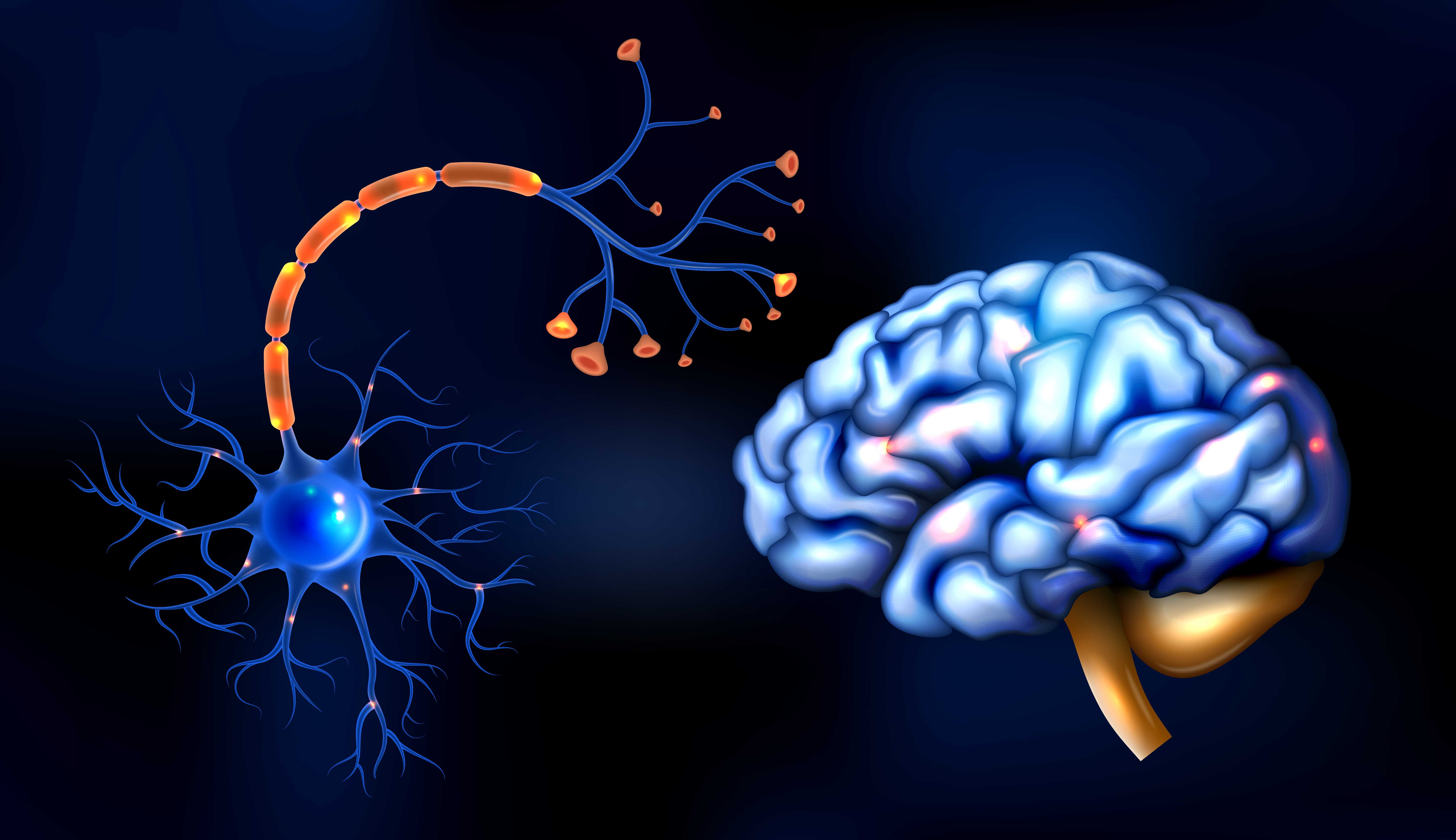
Learn the warning signs of brain hemorrhage, possible causes, emergency treatment options, and why immediate medical attention is critical.
19 May 2026
by Prakash Hospital

Male infertility causes, from varicocele to heat and smoking, the semen analysis, and what helps — a practical guide for Indian men. Prakash Hospital Noida.
7 Oct 2026
by Prakash Hospital

जानिए किडनी फंक्शन टेस्ट (KFT) क्या होता है, यह किन-किन पैरामीटर्स को मापता है और किडनी की सेहत के बारे में क्या जानकारी देता है।
11 May 2026
by Prakash Hospital

Learn about urinary tract infection (UTI), including symptoms, causes, diagnosis, treatment options, and prevention tips at Prakash Hospital.
17 Feb 2026
by Prakash Hospital

Natural, science-backed ways to increase brain power, sharpen thinking, and improve mental performance. From Prakash Hospital Noida.
24 Jul 2026
by Prakash Hospital

Discover how sleep apnoea silently harms your heart and brain. Learn its symptoms, risks, and treatment options at Prakash Hospitals.
3 Nov 2025
by Prakash Hospital
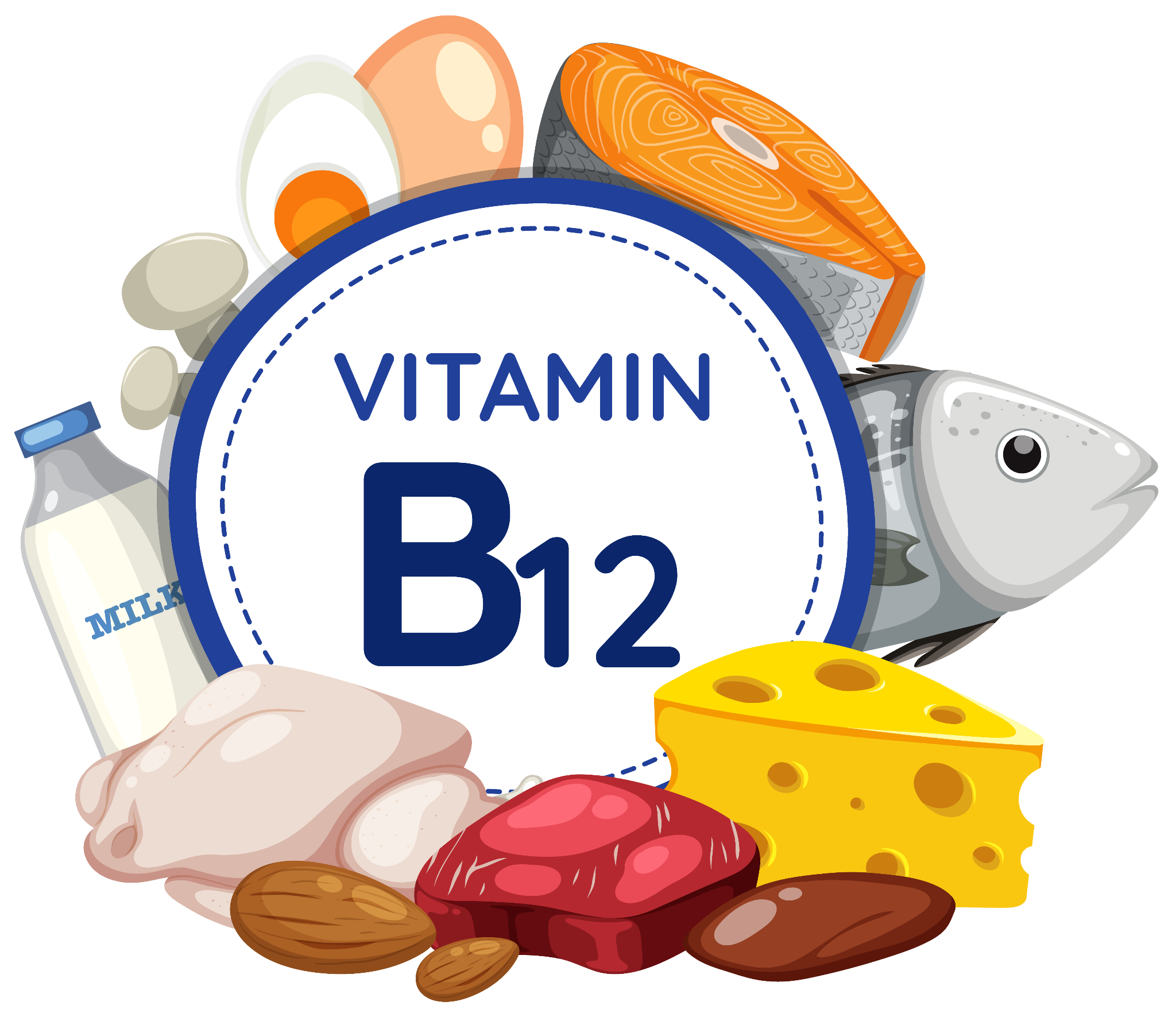
Learn how Vitamin B12 deficiency affects energy, nerves, and mood. Discover symptoms, causes, and treatment at Prakash Hospitals.
3 Nov 2025
by Prakash Hospital


Book a consultation with Prakash Hospital's specialists — 24/7 emergency care, 100+ doctors, NABH accredited.
View All Departments