


Winter Skin Barrier Repair Guide: Dermatologist Tips for Healthy, Hydrated Skin
Protect your skin barrier this winter with dermatologist-approved skincare tips and routines by Prakash Hospital.
19 Nov 2025
by Prakash Hospital
by Prakash Hospital
by Prakash Hospital

A woman looking at a screen in a dim room.
In a world where most of us spend more than 8 hours a day looking at screens, a new kind of skin damage has quietly become one of the biggest ageing triggers: blue light. You may protect your skin from sunlight with sunscreen but this glow from your smartphone, laptop and LED lights may just be adding to your pigmentation, dullness and premature aging.
Below, learn exactly what blue light is, how it impacts your skin and most importantly-what you can do to protect and fix your complexion.
Blue light, otherwise known as High-Energy Visible (HEV) light, is a part of the visible light spectrum that sits next to ultraviolet light. While UV rays are known for tanning and sunburn, blue light is emitted by digital devices like:
Unlike UV rays which only strike your skin when you are outdoors, blue light exposure happens all day, day in and day out, even when you're inside your home or office.
Research has shown that long-term exposure to blue light can cause oxidative stress which leads to the deterioration of skin cells and the appearance of early signs of aging.
Here's what happens beneath the surface:
The disturbed circadian rhythm is one reason, blue light suppresses the production of melatonin, leading to poor sleep. And that is when repair and recovery occur in your skin.
If you spend long hours on screens, look out for these common signs of blue light damage:
These things don't occur in one night, they accumulate with time.

A woman checking her dull skin.
Studies have shown that even a single hour of exposure to blue light from electronic devices can produce similar oxidative stress as 15 minutes of midday sun without protection. The reason for this is that HEV light forms Reactive Oxygen Species which are unstable molecules that attack DNA, lipids and proteins in skin cells.
Over time, ROS causes collagen fragmentation, slower healing and weakened skin barrier function. For this reason, dermatologists nowadays consider digital exposure as part of "photoaging" which refers to the process of skin ageing due to light.
You don't have to give up your screens to save your skin. Simple lifestyle and skincare changes can help you protect and repair effectively.
Choose a broad-spectrum sunscreen mentioning HEV or blue light protection specifically containing ingredients like:
These minerals create a physical barrier on the skin that reflects both UV and visible light. Apply sunscreen daily, even if you're working indoors or it's cloudy.
Antioxidants neutralize free radicals before they have a chance to harm your skin. Add these to your list:
Using an antioxidant serum in the morning underneath sunscreen gives double protection.
A strong barrier defends your skin against environmental and light-induced stress. Look for moisturizers rich in ceramides and hyaluronic acid. These ingredients help with hydrating the skin and retaining resilience.
Digital habits are as important as skincare. Try these easy tech tips:
If you already notice pigmentation or fine lines, clinical treatments can reverse the damage. Dermatologists often recommend:
These treatments address deeper layers of skin and amplify the results of your at-home regimen.
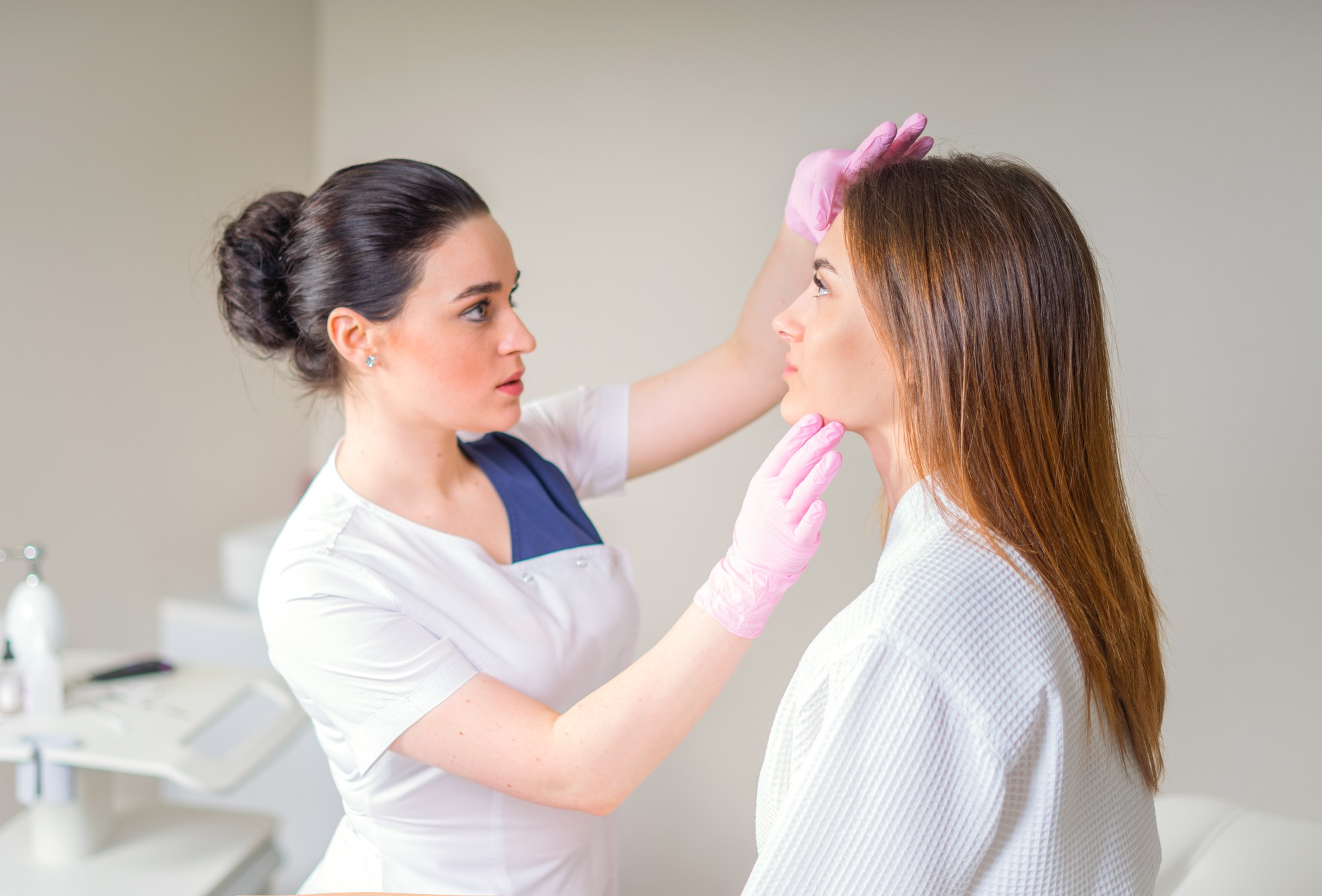
A woman consulting a dermatologist about dull skin.
Your diet plays a big role in protecting your skin from digital ageing. Include antioxidant and vitamin-rich foods:
Hydration is important too as water keeps skin plump and helps to flush the toxins out.
Here's a simple daily routine that would keep your skin safe and glowing even with screen exposure:
Let's solve some common misconceptions:
Fact- Blue light indoors causes oxidative stress just the same.
Fact- Blue light and UV rays from windows affect skin and that's why SPF is still a must.
Fact- It's cumulative and builds up over months or years.
Blue light might be invisible but on your skin, it is very real. In today's screen-laden life, protection of your skin from HEV light is just as important as protection against UV rays. Combine antioxidants, sunscreen and smart screen habits to keep your skin young and glowing even in the digital era. Consult a dermatologist if there is already some pigmentation or any other early signs of aging. Professional guidance and regular care can reduce the blue light damage and restore your skin's natural glow.

Microneedling, laser, peels and minor procedures matched to your scar type to smooth pitted acne scars.
Laser light damages hair roots to reduce unwanted hair over 6 to 8 sessions, with settings matched to your skin.
Anti-wrinkle injections and hyaluronic acid fillers that soften lines and restore facial volume, with no downtime.
Free tools to check your weight, plan a pregnancy, track calories and more.
We offer expert care across key specialties, including Medicine, Cardiology, Orthopaedics, ENT, Gynaecology, and more—delivering trusted treatment under one roof.
Protect your skin barrier this winter with dermatologist-approved skincare tips and routines by Prakash Hospital.
19 Nov 2025
by Prakash Hospital

Best Indian foods for healthy, glowing skin — what to eat for skin hydration, collagen, and protection from UV damage. Prakash Hospital Noida.
14 Sept 2026
by Prakash Hospital
Oily skin causes in India, what makes it worse, and how to manage it with diet and skincare. Prakash Hospital Noida.
11 Sept 2026
by Prakash Hospital

Learn the early symptoms of thyroid problems in women, common causes, and when to seek medical advice for timely diagnosis and treatment.
13 May 2026
by Prakash Hospital

Low testosterone symptoms — fatigue, low libido, mood changes and more. Causes, when to get a morning blood test, and treatment. Prakash Hospital Noida.
6 Oct 2026
by Prakash Hospital

Discover what causes insulin resistance and how diet, exercise, sleep, and lifestyle changes can help you take control of your health
9 Apr 2026
by Prakash Hospital
How to get glowing skin naturally — Indian diet, hydration, sleep, and skincare tips that actually work. Prakash Hospital Noida.
9 Sept 2026
by Prakash Hospital
How to remove sun tan from face and body — what works at home and what professional treatments offer. Prakash Hospital Noida.
10 Sept 2026
by Prakash Hospital

How to remove pimples — what causes acne, what works fast, and how to prevent pimples from returning. Guide from Prakash Hospital Noida.
8 Sept 2026
by Prakash Hospital


Book a consultation with Prakash Hospital's specialists — 24/7 emergency care, 100+ doctors, NABH accredited.
View All Departments