


कमजोरी और थकान क्यों होती है?
जानिए कमजोरी और थकान के कारण, लक्षण, घरेलू उपाय और डॉक्टर से कब संपर्क करना चाहिए।
3 Feb 2026
by Prakash Hospital
by Prakash Hospital
by Prakash Hospital

A woman experiencing back pain.
Our muscles, joints and bones work constantly to keep us active day in and day out for activities like climbing stairs, working on a computer or engaging in other physical activities. However, we tend to overlook stiffness, pain or decreased mobility until daily life begins to be affected. Such symptoms may be indicative of underlying orthopedic conditions that require medical care.
If you've been asking yourself when to consult an orthopedic physician, this blog discusses the most prevalent indications you need to go see an orthopedic expert and how early consultation can prove all the difference in your overall joint well-being.
Occasional joint discomfort can result from minor strain or overuse, but chronic joint pain that lasts more than a few days shouldn’t be ignored. Continuous pain in your knees, shoulders, hips or wrists could indicate conditions like arthritis, bursitis or tendon inflammation.
If pain relievers over the counter or rest do not work, schedule an appointment with an orthopedic specialist. They may use imaging tests to determine the underlying cause and suggest customized treatment from physiotherapy to minimally invasive procedures.
Do you find it hard to bend, stretch or rotate a joint completely? Limited mobility and stiffness usually indicate joint inflammation or degeneration. Frequent offenders are osteoarthritis, frozen shoulder or cartilage injury.
Orthopedic experts can identify the condition early on and recommend therapeutic movements or joint injections to regain movement and avoid more harm. Stiffness can progress to chronic immobility or muscle weakness if not addressed early on.
Accidents, falls or sports injuries can cause bone fractures, ligament tears or muscle strains. While some injuries heal with rest, others may need orthopedic evaluation, especially if:
An orthopedic physician can prescribe an X-ray or MRI to identify a concealed fracture or soft tissue damage and craft a plan for safe recovery. Treatment early on reduces the risk of long-term complications or inadequate healing.
Today's lifestyles that include long periods spent at a desk or poor posture can lead to back and neck pain. But when the pain is ongoing or shoots down to your arms or legs, it may be indicative of spinal disc problems, nerve compression or spondylosis.
Orthopedic spine experts employ sophisticated diagnostic equipment to detect structural issues in your spine. Based on the condition, they might suggest physiotherapy, posture correction, pain management or minimally invasive spine surgery to ease pain and restore motion.
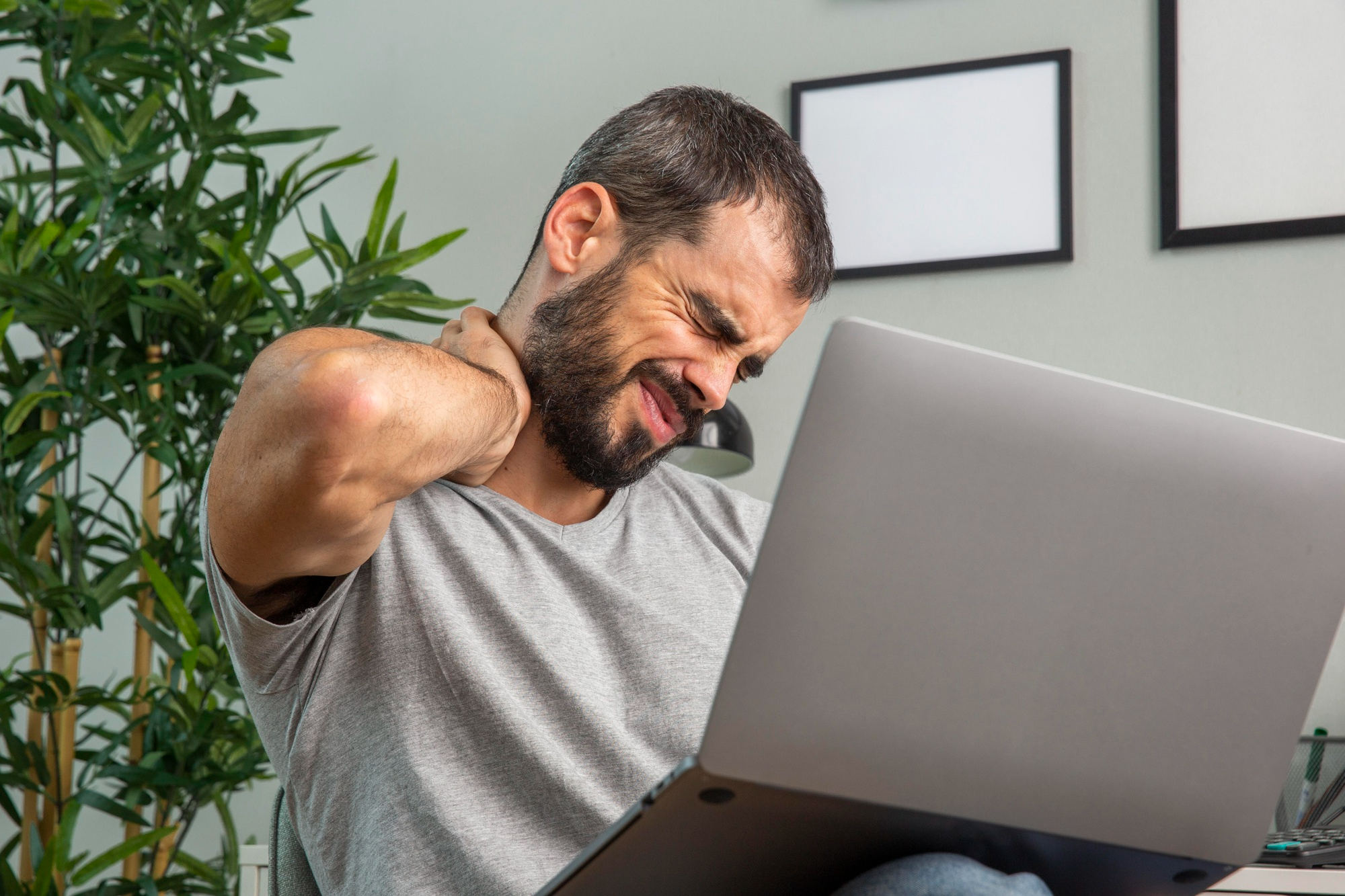
A young man experiencing neck pain from prolonged laptop use.
Inflammation, swelling, redness or heat in a joint may be a sign of infection, rheumatoid arthritis or gout. The conditions need to be addressed immediately by an orthopedic specialist to avoid damage to the joint and systemic complications.
Orthopedic professionals can conduct lab tests and imaging to determine the cause and develop a focused treatment plan that decreases inflammation and maintains joint health.
If everyday activities like climbing stairs, opening jars or going short distances are becoming challenging, then it is more than age. Wear and tear on the joints or weakness in muscles usually signal emerging orthopedic problems.
An orthopedic consultation can assist you in regaining strength and mobility through directed exercise regimens, diet counseling and sometimes even corrective surgery. The aim is to get your comfort and quality of life back before the condition can deteriorate.
Numbness, tingling or weakness in your feet, hands or legs can indicate nerve compression or spinal issues like herniated discs or carpal tunnel syndrome. Such symptoms must never be left unchecked, as left untreated, nerve problems can cause irreparable damage.
An orthopedic or spine specialist can diagnose the cause using nerve conduction studies and imaging tests and recommend suitable treatment options from wrist supports and therapy to advanced surgical care.
Active individuals and athletes are prone to repetitive stress injuries such as tendonitis, ACL tears or stress fractures. If you’re experiencing frequent pain, swelling or instability after physical activity, visiting an orthopedic sports specialist can help.
They are able to determine biomechanical imbalances, prescribe injury prevention techniques and construct rehabilitation programs to enable you to return to sport safely. Early assessment avoids long-term injury and optimizes athletic performance.

An athlete with a knee injury.
If you've had orthopedic surgery or a fracture in the past and are noticing new pain, stiffness or swelling in the same location, see your orthopedic physician. Complications after recovery, like hardware irritation or non-union of bones, need to be evaluated by a professional in order to create long-term success and range of motion.
See an orthopedic specialist immediately if you have:
Seeking immediate care can avoid permanent damage and allow for quicker, safer healing.
Your musculoskeletal system is responsible for all of your movements, no matter how small or significant. Ignoring pain, swelling or stiffness could result in long-term complications that impede your independence and quality of life.
Knowing the telltale signs you need to see an orthopedic specialist is the key to enhanced joint wellness. If you are suffering from any of the above symptoms, do not wait. Schedule a consultation with an experienced orthopedic specialist today and begin your journey toward pain-free living.

A minor operation joining an artery to a vein in the arm to create lasting access for haemodialysis.
Removes a breast lump after tests, usually as day care, and sends it to the lab to confirm what it is.
Removes the uterus through keyhole cuts, for fibroids, heavy periods or adenomyosis that other treatment hasn't fixed.
Free tools to check your weight, plan a pregnancy, track calories and more.
We offer expert care across key specialties, including Medicine, Cardiology, Orthopaedics, ENT, Gynaecology, and more—delivering trusted treatment under one roof.
जानिए कमजोरी और थकान के कारण, लक्षण, घरेलू उपाय और डॉक्टर से कब संपर्क करना चाहिए।
3 Feb 2026
by Prakash Hospital
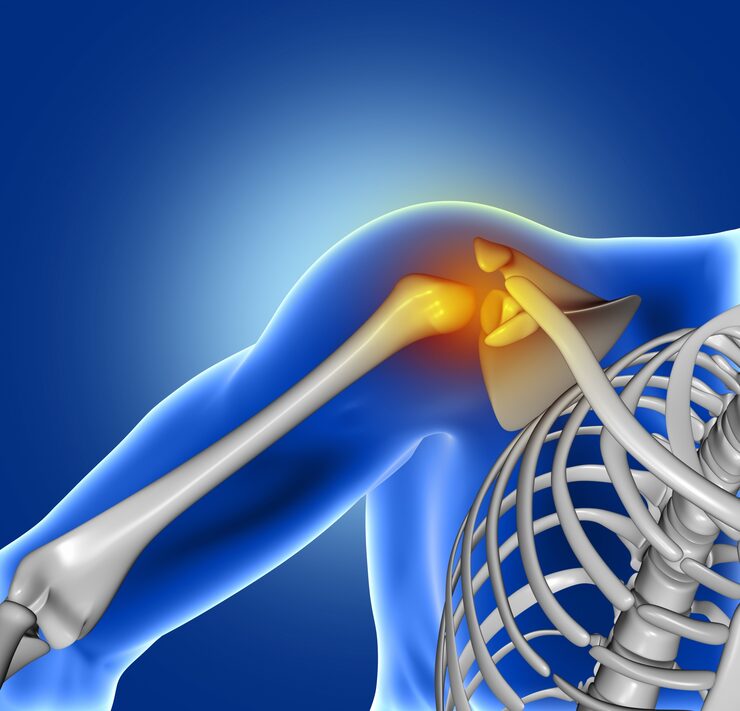
Learn all about osteonecrosis and its treatment with the best advice from the doctors at Prakash Hospital, Noida.
14 Oct 2025
by Prakash Hospital

Discover effective natural remedies for period pain relief, including lifestyle tips, home treatments, and ways to ease menstrual cramps safely.
28 Apr 2026
by Prakash Hospital

Skin pigmentation — what causes dark patches, melasma, and uneven skin tone, and what treatment works. Prakash Hospital Noida.
9 Sept 2026
by Prakash Hospital

Dry skin causes, best Indian remedies, and when it's something more serious. Prakash Hospital Noida.
10 Sept 2026
by Prakash Hospital

How to get glowing skin naturally — Indian diet, hydration, sleep, and skincare tips that actually work. Prakash Hospital Noida.
9 Sept 2026
by Prakash Hospital


Book a consultation with Prakash Hospital's specialists — 24/7 emergency care, 100+ doctors, NABH accredited.
View All Departments