


Irregular Periods: What Causes Them and When to Seek Help
Why periods become irregular — PCOD, thyroid, stress, and more. When irregular periods need investigation. Prakash Hospital Noida.
21 Sept 2026
by Prakash Hospital
by Prakash Hospital
by Prakash Hospital
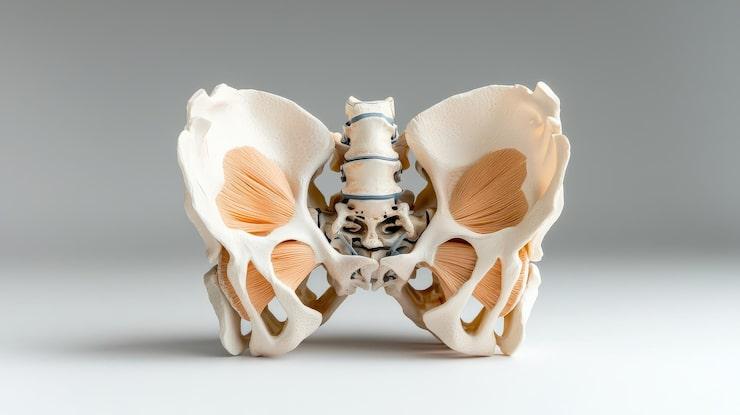
The region where pelvic laparoscopy is performed
Medical technology has advanced significantly in recent years, transforming the way many surgeries are performed. One of the most innovative ways is laparoscopy. It is a minimally invasive treatment that is now a key part of finding and fixing abnormalities in the pelvic area. If you have unexplained pelvic pain, infertility, or need surgery, pelvic laparoscopy is a safer, faster, and less painful choice than regular open surgery.
In this article, we'll discuss what pelvic laparoscopy is, why it's done, how it works, its advantages and cons, and what patients can expect throughout their recovery.
Pelvic laparoscopy is a type of surgery that uses a small, bright tool with a camera to help the surgeon see the organs in the pelvic area. The surgeon doesn't cut a giant hole in the stomach; instead, they make small holes (usually 0.5 to 1 cm) that the laparoscope and other surgical tools can fit through.
The camera sends live images to a monitor, allowing the surgeon to see the uterus, ovaries, fallopian tubes, bladder, and other pelvic structures in great detail. This means that laparoscopy can be used to diagnose the issue and correct it.
There are a lot of reasons why doctors might recommend pelvic laparoscopy. You can use it to find out what's generating unusual symptoms or to treat some conditions.
Uses for diagnosis

A woman being sedated for pelvic laparoscopy
A pelvic laparoscopy usually takes place when the patient is unconscious.
The steps are:
There are several advantages of laparoscopy over traditional open surgery (laparotomy):
Pelvic laparoscopy is usually safe, but like any surgery, it does have some risks. There could be issues such as:
Most risks are modest and easy to handle, especially if a professional surgeon does the treatment in a hospital with good equipment.
If you experience pelvic pain that lasts for a long time and there is no apparent cause, your doctor may suggest a laparoscopy.
Most individuals get better quickly, but not everyone does. What you may expect is:

A woman getting a follow up check-up after a pelvic laparoscopy
For many patients, laparoscopy significantly improves their condition. For instance, women who can't get pregnant might have a better probability of getting pregnant.
It's not just about figuring out what's wrong and correcting it; it's also about making things better.
Pelvic laparoscopy has altered how doctors discover and treat disorders within the pelvic and reproductive organs. Now, it is the main way to treat many gynecological and pelvic problems because it is safe, doesn't require a lot of invasive surgery, and works quite efficiently.
If you experience unexplained pelvic pain, difficulties getting pregnant, or have been informed you have ovarian cysts, fibroids, or endometriosis, pelvic laparoscopy might be the answer. Always consult a qualified gynecologist or surgeon, like Dr. Priya Shikha Modi at Prakash Hospital in Noida, about your choices, the risks, and what will happen.
Pelvic laparoscopy is not just for fixing medical problems; it's also to assist individuals in getting back to their everyday lives with better health, more fertility, and more comfort.

Blocks or removes the fallopian tubes for permanent contraception, usually as day-care keyhole surgery.
A portable ECG worn for 24 to 48 hours to catch irregular heartbeats that come and go.
Records the brain's electrical activity through scalp electrodes to help diagnose epilepsy and seizures.
Free tools to check your weight, plan a pregnancy, track calories and more.
We offer expert care across key specialties, including Medicine, Cardiology, Orthopaedics, ENT, Gynaecology, and more—delivering trusted treatment under one roof.
Why periods become irregular — PCOD, thyroid, stress, and more. When irregular periods need investigation. Prakash Hospital Noida.
21 Sept 2026
by Prakash Hospital

Vitamin D3 foods — understand the difference between D2 and D3, top sources, and how to meet your needs. Visit Prakash Hospital Noida for nutrition consultation.
24 Jun 2026
by Prakash Hospital

Discover the truth about men’s skincare. Learn how to build an easy, dermatologist-approved routine, debunk common myths, and keep your skin healthy and confident.
18 Nov 2025
by Prakash Hospital

Focus, concentration or ADHD? Learn how they differ, the types of attention, what an ADHD diagnosis needs, other causes of poor focus and when to get tested.
21 Oct 2026
by Prakash Hospital

Insomnia, sleep apnoea, restless legs and more. Learn the signs of sleep disorders, when to see a doctor, and how they are treated. Prakash Hospital Noida.
4 Nov 2026
by Prakash Hospital

Know the early signs of a stroke, the BE-FAST check, what to do first and why minutes matter. Causes, risk factors and prevention. Prakash Hospital Noida.
22 Oct 2026
by Prakash Hospital


Book a consultation with Prakash Hospital's specialists — 24/7 emergency care, 100+ doctors, NABH accredited.
View All Departments