


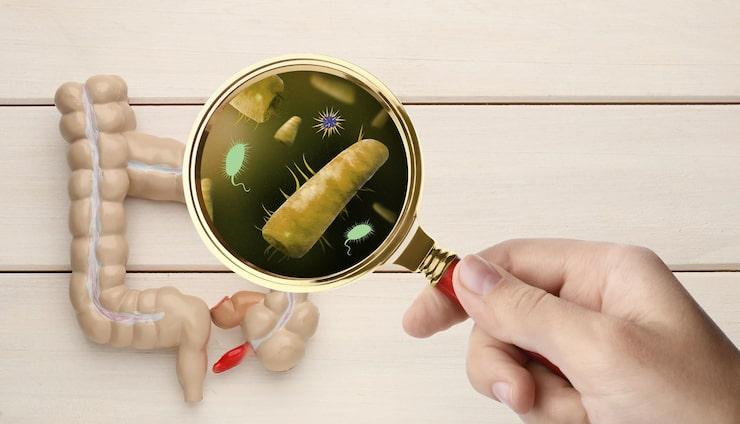
Understanding Crohn’s Disease and Its Treatment
Learn more about Crohn's disease with the help of the expert knowledge of the doctors in Prakash Hospital, Noida.
26 Aug 2025
by Prakash Hospital
A pill-sized camera you swallow photographs the small intestine, the long stretch of gut that standard endoscopes can't reach.

You've had an upper GI endoscopy and a colonoscopy, and both were normal. Yet your haemoglobin keeps falling, your stool keeps testing positive for blood, or the pain and diarrhoea that suggest Crohn's disease still have no explanation. The small intestine, several metres long and lying between the areas those two scopes reach, is the likeliest place the answer is hiding.
In capsule endoscopy, you swallow a capsule about the size of a large vitamin tablet that contains a tiny camera, a light and a battery. As the gut's natural movement carries it along, it takes several pictures a second and sends them to a recorder worn on a belt. After about 8 to 12 hours you hand back the recorder, and the capsule passes out in your stool a day or two later. You don't need to retrieve it.
The test is painless and needs no sedation, and it's good at finding bleeding spots, ulcers, inflammation and small tumours in the small intestine. It can't take biopsies or treat anything, though, so some findings lead to a follow-up procedure with a longer scope.
Our gastroenterology department investigates gastrointestinal bleeding, anaemia and inflammatory bowel disease, usually starting with upper GI endoscopy and colonoscopy using high-definition video endoscopes. If both are clear and the small intestine is still suspected, your gastroenterologist will discuss whether capsule endoscopy is the right next test.
Capsule endoscopy is mostly used after upper GI endoscopy and colonoscopy haven't found the answer.
The standard test, designed to photograph the small intestine from end to end.
A dummy capsule of the same size that dissolves if it gets stuck. It's swallowed a day or two before the real test when a narrowing is suspected. If it passes intact, the camera capsule is safe to use.
A version for the large bowel, used in some centres for people who can't have a colonoscopy. It needs a full bowel prep and can't remove polyps.
Sensor pads or a sensor belt are placed on your abdomen, and a small recorder is worn on a strap or belt.
You swallow the capsule with a glass of water. It's smooth, and most people find it goes down easily.
You can walk around and do light activity. Clear fluids are usually allowed after about 2 hours and a light snack after about 4. Keep away from strong magnets and MRI machines.
After about 8 to 12 hours, you hand in the recorder, or bring it back the next morning, as instructed.
Tens of thousands of pictures are downloaded and reviewed frame by frame by a trained gastroenterologist, which takes time.
Because there are so many images to review, the report usually comes after a few days. It describes how far the capsule travelled, whether it reached the large bowel before the battery ran out, and any findings, with pictures and an estimate of where along the small intestine each one lies.
Common findings include angiodysplasias (small, fragile blood vessels that ooze, especially in older people), ulcers caused by painkillers such as ibuprofen or aspirin, inflammation suggesting Crohn's disease, and occasionally a polyp or tumour. A normal study makes a significant small-bowel cause much less likely.
Since the capsule can't take samples or treat anything, findings often lead to a next step: medicines, iron replacement, a longer scope called enteroscopy to treat a bleeding spot or take a biopsy, or surgery for a tumour. If the capsule didn't reach the large bowel in time, the study may need repeating.
Once you've handed back the recorder, you can eat normally. Most people feel no different.
The capsule usually passes within 1 to 3 days, often unnoticed, and is flushed away. If you're unsure whether it has gone, an X-ray can check.
Don't have an MRI scan until you're sure the capsule has passed, because the scanner's magnet could pull on it and cause injury.
Call us on +91-8826000033 or come straight to our 24/7 emergency department.
Scans with contrast that show the thickness of the small intestine's wall and any narrowing. They're good for Crohn's disease and for checking for narrowing before a capsule, but less sensitive for small, flat bleeding spots.
A long scope that reaches deep into the small intestine and can take biopsies and treat bleeding. It's more invasive and needs sedation or anaesthesia, so it's often used after a capsule has pinpointed the problem.
Some bleeding spots within reach of a normal endoscope or colonoscope are missed the first time. A repeat look is sometimes suggested before a capsule.
Talk to our Gastroenterology team
Ask about your options, the cost and your insurance before you decide. See the insurance and TPA panels we work with.
This page explains Capsule Endoscopy (Pill Camera) in general terms. Your own plan depends on your health, your test results and your doctor's advice. Please read our medical disclaimer.
Capsule Endoscopy (Pill Camera) is led by our Gastroenterology team, with other departments stepping in at each stage of your care.
At Prakash Hospital, our Gastroenterology Department offers specialized care for digestive system disorders, ensuring accurate diagnosis, advanced treatments, and compassionate support for your gastrointestinal health.
What the department treats
Diagnostic and Therapeutic Endoscopy
Colonoscopy
ERCP
Liver Disease Management
IBD Management
GI Cancer Screening
Procedures often considered alongside Capsule Endoscopy (Pill Camera), or that treat related conditions.
A camera test of the food pipe, stomach and duodenum for acidity, ulcers, bleeding and swallowing problems.
A camera test of the large bowel that investigates bleeding or bowel changes and removes polyps early.
Endoscopic treatment through the mouth that removes bile duct stones and opens blockages causing jaundice.
Other procedures our Gastroenterology team performs.
We offer expert care across key specialties, including Medicine, Cardiology, Orthopaedics, ENT, Gynaecology, and more—delivering trusted treatment under one roof.
Free tools to check your weight, plan a pregnancy, track calories and more.
Learn more about Crohn's disease with the help of the expert knowledge of the doctors in Prakash Hospital, Noida.
26 Aug 2025
by Prakash Hospital

Learn about intestinal pain, its causes, warning signs, associated symptoms, and when to seek medical attention.
13 Feb 2026
by Prakash Hospital
Iron deficiency symptoms — what anaemia feels like, who's at risk in India, and how to fix it. Prakash Hospital Noida.
30 Sept 2026
by Prakash Hospital

जानिए थायरॉइड टेस्ट कब करवाना चाहिए, किन लक्षणों में जांच जरूरी है, और कौन-कौन से टेस्ट होते हैं। सही समय पर Prakash Hospital से संपर्क करें।
2 Mar 2026
by Prakash Hospital

Learn the early symptoms of thyroid problems in women, common causes, and when to seek medical advice for timely diagnosis and treatment.
13 May 2026
by Prakash Hospital

Low testosterone symptoms — fatigue, low libido, mood changes and more. Causes, when to get a morning blood test, and treatment. Prakash Hospital Noida.
6 Oct 2026
by Prakash Hospital
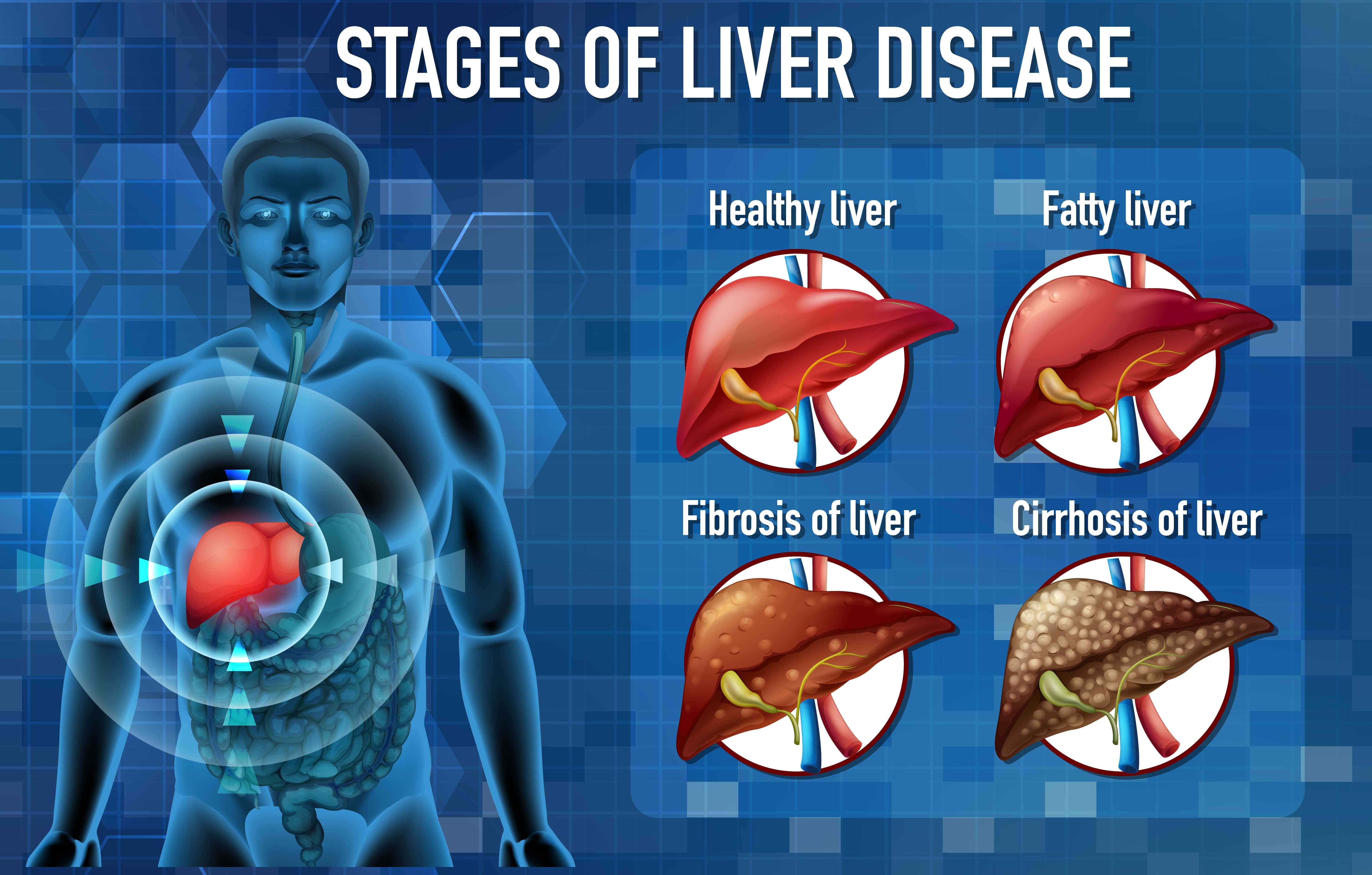
Home remedies to strengthen the liver — foods, lifestyle changes, and natural approaches that support liver health. Visit Prakash Hospital Noida for liver care.
11 Jun 2026
by Prakash Hospital

Hepatomegaly or enlarged liver — understand the causes, symptoms, and treatment options. Visit Prakash Hospital Noida for liver evaluation and care.
7 Jul 2026
by Prakash Hospital

पेट की खराब सेहत से जुड़ी समस्याएं जैसे गैस, एसिडिटी, कब्ज़ और IBS क्यों होती हैं? जानिए इनके कारण, लक्षण और सही इलाज के उपाय Prakash Hospital।
13 Jan 2026
by Prakash Hospital
Answers to common questions about Capsule Endoscopy (Pill Camera) at Prakash Hospital, Noida.


Book a consultation with Prakash Hospital's specialists — 24/7 emergency care, 100+ doctors, NABH accredited.
View All Departments