


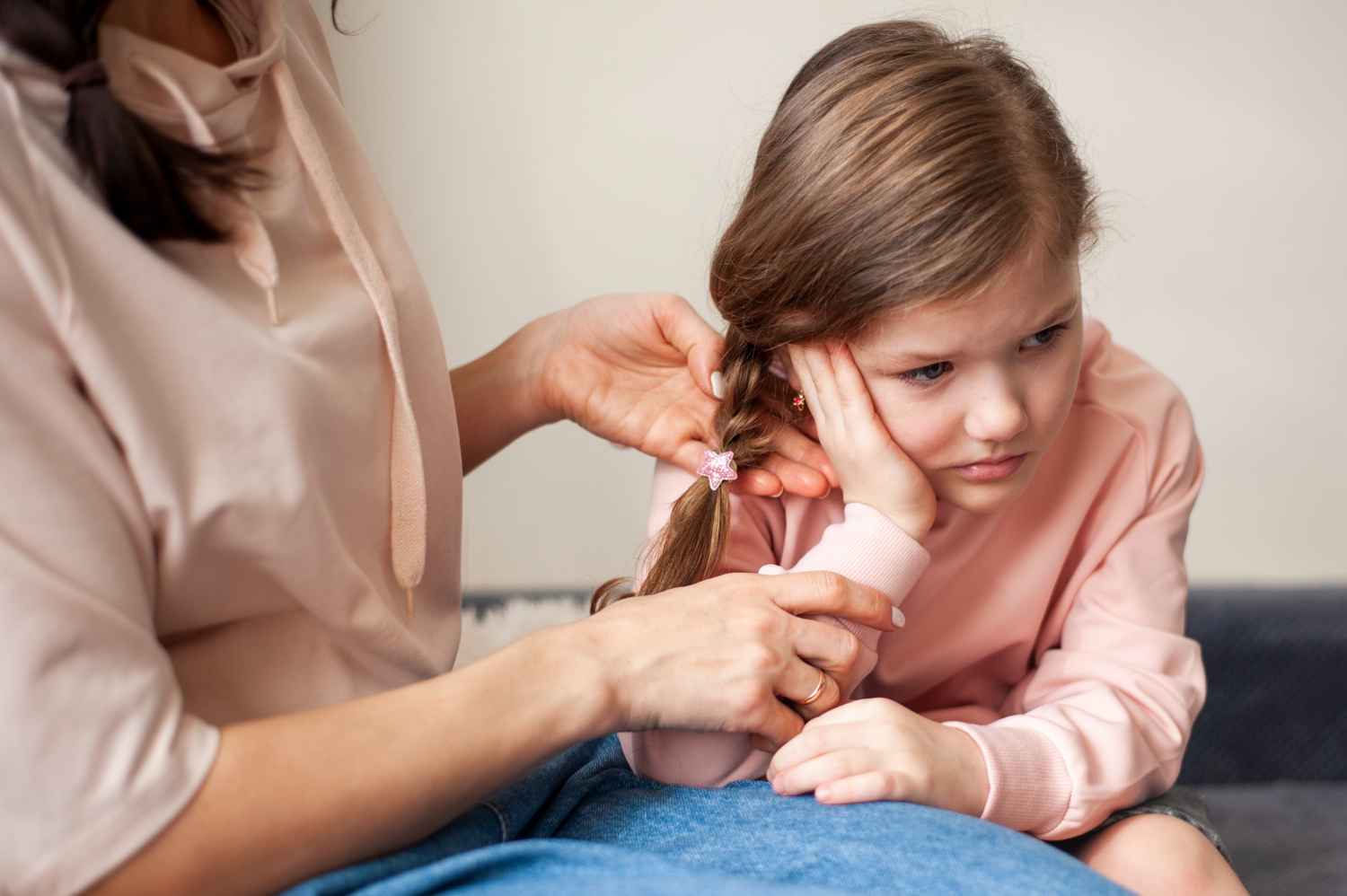
What Triggers Ear Infections (Otitis Media) and How to Treat Them
Learn what triggers ear infections, how to spot symptoms early, and which treatments work best for both children and adults.
4 May 2025
by Prakash Hospital
Removes enlarged adenoids from the back of the nose so your child can breathe through the nose, sleep quietly and have fewer ear problems.

You may notice it at night first. Your child sleeps with the mouth open, snores, and tosses around the bed. During the day the nose is always blocked or running, the voice sounds as if they have a permanent cold, and perhaps a teacher has mentioned that they don't seem to hear properly in class.
The adenoids are a pad of lymph tissue at the very back of the nose, above the roof of the mouth. You can't see them by looking into the mouth. They're largest between about 3 and 7 years of age and usually shrink by the teens. When they're too big, they block the back of the nose and the openings of the Eustachian tubes, the small channels that let air into the middle ears. Adenoidectomy removes them through the open mouth under general anaesthesia, with no cuts on the face.
It's one of the shorter children's operations, and recovery is much easier than after tonsil removal. Most children breathe through the nose more easily within a couple of weeks. Where fluid behind the eardrums (glue ear) is the problem, removing the adenoids lowers the chance of it coming back after grommets, especially in children over about 4.
Children with enlarged adenoids are a regular part of our ENT department's paediatric work. We assess each child individually, check hearing with audiometry where the ears are involved, and suggest surgery only when symptoms are frequent and severe enough to warrant it. If the tonsils are also causing trouble, both can come out under one anaesthetic with a tonsillectomy.
Adenoids cause trouble in two ways: they block the airway at the back of the nose, and they block the ear tubes or hold on to infection. Your ENT surgeon confirms their size with a side X-ray of the neck or a look through a thin nasal endoscope.
The traditional method. A curved instrument called an adenoid curette scrapes the tissue from the back of the nose, and a gauze pack pressed into the space stops the bleeding.
The surgeon watches through a thin telescope or a mirror and removes the tissue with suction cautery or a small powered shaver. This gives a direct view of tissue sitting close to the ear tube openings.
If glue ear is present, tiny ventilation tubes (grommets) can be placed in the eardrums during the same anaesthetic. If the tonsils are also large or repeatedly infected, they're usually removed at the same time.
Your child is given a general anaesthetic, often breathing it through a mask so they're asleep before a drip is placed.
A mouth gag holds the mouth open. The soft palate is gently lifted so the surgeon can see the adenoids behind it, directly or with a mirror or endoscope.
The adenoids are removed with a curette or, under endoscopic view, with suction cautery or a shaver. The surgeon takes care not to damage the openings of the ear tubes.
A gauze pack is pressed into the back of the nose for a few minutes and any remaining bleeding points are sealed. The pack always comes out before your child wakes.
The operation takes about 20 to 30 minutes. Your child wakes in recovery, and most go home the same day once they're drinking and comfortable.
Most children bounce back quickly, often faster than their parents expect.
Your child may be groggy and grumpy for a few hours, and may bring up a little old, dark blood swallowed during surgery. Offer cold drinks first, then soft food once fluids stay down. Most children go home in the evening.
A blocked nose, snoring and slightly smelly breath are common while the area heals. They don't mean the operation hasn't worked. Some children have a stiff neck or ear pain. Give paracetamol regularly, offer normal soft meals, and keep your child away from crowded places and anyone with a cold.
Most children are back at school after about a week, and snoring should be getting quieter. Your ENT surgeon usually sees your child at 1 to 2 weeks.
Nose breathing and sleep have usually settled. If glue ear was the reason for surgery, a repeat hearing test checks that hearing is back to normal.
Call us on +91-8826000033 or come straight to our 24/7 emergency department.
A few months of a steroid nasal spray can shrink adenoids and ease blockage, especially where allergy plays a part. Many children with milder symptoms improve enough to avoid surgery.
Adenoids shrink naturally with age. If symptoms are mild and sleep and hearing aren't affected, reviewing your child every few months is a reasonable choice.
For younger children with glue ear and no nose symptoms, grommets without adenoidectomy are often enough.
Talk to our ENT team
Ask about your options, the cost and your insurance before you decide. See the insurance and TPA panels we work with.
This page explains Adenoidectomy (Adenoid Removal) in general terms. Your own plan depends on your health, your test results and your doctor's advice. Please read our medical disclaimer.
Adenoidectomy (Adenoid Removal) is led by our ENT team, with other departments stepping in at each stage of your care.
At Prakash Hospital, our ENT Department offers expert diagnosis and advanced treatments for ear, nose, throat, head, and neck conditions, ensuring better health and quality of life for all ages.
What the department treats
Sinus Surgery (FESS)
Tympanoplasty
Septoplasty
Tonsillectomy
Hearing Aid Fitting
Allergy Management
Procedures often considered alongside Adenoidectomy (Adenoid Removal), or that treat related conditions.
Removes tonsils that cause repeated throat infections or block a child's breathing during sleep.
Closes a hole in the eardrum with your own tissue to stop ear discharge and protect or improve hearing.
Straightens the bent wall inside the nose to relieve a constantly blocked nostril, with no cut outside.
Endoscopic surgery through the nose that clears blocked sinuses and polyps when medicines stop working.
Other procedures our ENT team performs.
We offer expert care across key specialties, including Medicine, Cardiology, Orthopaedics, ENT, Gynaecology, and more—delivering trusted treatment under one roof.
Free tools to check your weight, plan a pregnancy, track calories and more.
Learn what triggers ear infections, how to spot symptoms early, and which treatments work best for both children and adults.
4 May 2025
by Prakash Hospital

Discover how sleep apnoea silently harms your heart and brain. Learn its symptoms, risks, and treatment options at Prakash Hospitals.
3 Nov 2025
by Prakash Hospital
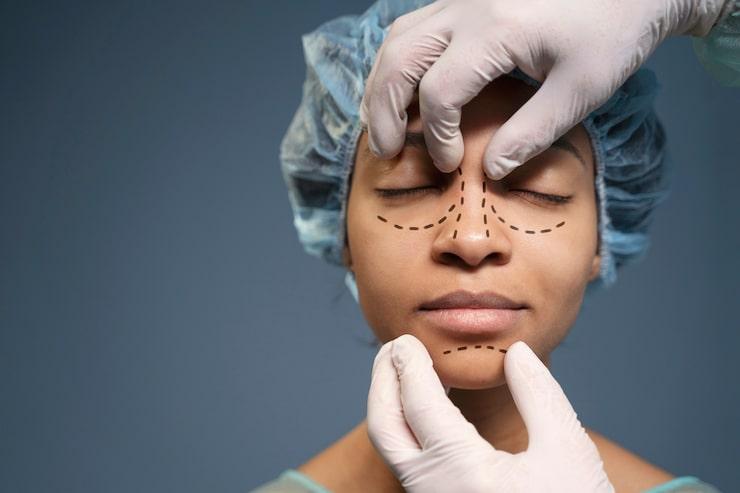
Learn all you need to before getting nose surgery with special insight from doctors at Prakash Hospital, Noida.
19 Aug 2025
by Prakash Hospital

जानिए किडनी फंक्शन टेस्ट (KFT) क्या होता है, यह किन-किन पैरामीटर्स को मापता है और किडनी की सेहत के बारे में क्या जानकारी देता है।
11 May 2026
by Prakash Hospital

Male infertility causes, from varicocele to heat and smoking, the semen analysis, and what helps — a practical guide for Indian men. Prakash Hospital Noida.
7 Oct 2026
by Prakash Hospital

Prostate problems — symptoms of BPH, prostatitis and prostate cancer, the tests used to diagnose them, and when to see a doctor. Prakash Hospital Noida.
5 Oct 2026
by Prakash Hospital

Sore throat treatment, home remedies that work, and warning signs that mean you need medical care. Visit Prakash Hospital Noida for consultation.
25 Jun 2026
by Prakash Hospital
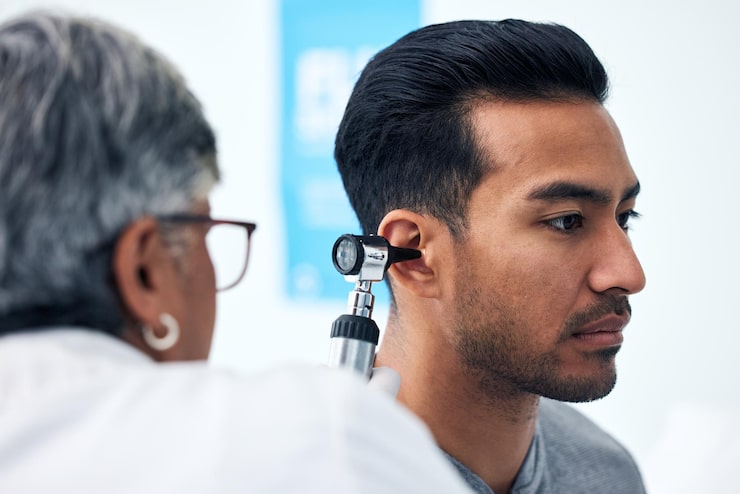
Learn everything about Cochlear implants through this helpful guide with the advice of seasoned experts from Prakash Hospital, Noida.
25 Aug 2025
by Prakash Hospital

Discover the common causes of lumps behind the ear and how to identify when it's time to seek medical care. Learn about treatment options and diagnostic steps.
10 May 2025
by Prakash Hospital
Answers to common questions about Adenoidectomy (Adenoid Removal) at Prakash Hospital, Noida.


Book a consultation with Prakash Hospital's specialists — 24/7 emergency care, 100+ doctors, NABH accredited.
View All Departments