


High Protein Foods for Vegetarians
Discover high protein foods for vegetarians, daily protein needs, benefits of protein, meal planning tips, and how to prevent protein deficiency.
9 Feb 2026
by Prakash Hospital

Understand the silent epidemic affecting 70% of Indians. Learn how to recognize and treat the dangerous signs of low protein intake.
Protein is present in every single cell of your body. It is responsible for building muscle, synthesizing hormones, creating antibodies for your immune system, and forming the structural foundation of your skin, hair, and nails.
Because the traditional Indian diet relies so heavily on carbohydrates (wheat, rice) and so lightly on high-density proteins, mild to severe protein deficiency (Hypoproteinemia) is rampant across the country. Left unchecked, it can lead to devastating metabolic consequences.
Your body cannot store protein for later use. If you don't eat enough protein daily, your body will literally begin breaking down its own skeletal muscle tissue to harvest the amino acids it needs to keep your vital organs functioning.
Hair follicles require huge amounts of protein (Keratin) to grow. During a deficiency, the body shuts down hair production to conserve protein for the heart and liver.
Protein (specifically Albumin) circulating in the blood acts like a sponge, keeping fluid inside the blood vessels. When albumin levels drop drastically, fluid leaks out into the surrounding tissues, causing severe swelling in the feet, ankles, and stomach (as seen in Kwashiorkor).
Antibodies—the microscopic soldiers that fight off viruses and bacteria in your immune system—are made entirely of protein. A lack of protein destroys your immune response, leaving you constantly sick.
While Calcium is famous for bone health, bones are actually built on a structural matrix of protein (Collagen). Without protein, calcium has nothing to attach to, leading to osteoporosis.
If you are experiencing severe swelling (edema), chronic fatigue, or massive hair loss, do not try to fix it with diet alone. You need a comprehensive blood panel (including Serum Albumin and Total Protein tests) to rule out liver or kidney failure, which can mimic protein deficiency.
Consult our General Medicine department at Prakash Hospital for an accurate diagnosis and a medically supervised rehabilitation plan.
Calculate your recommended daily protein intake range in grams and calories based on weight, age, activity level, and fitness goals.
Health CalculatorsCalculate your Body Mass Index (BMI) using standard classifications. Find if you are in a healthy range.
Nutrition GuidesEveryday Indian foods ranked by protein, for vegetarians and non-vegetarians.
How much protein you need to build and keep muscle, and the best sources.
Nutrition GuidesEssential for nerve function and red blood cell production. Very common deficiency in vegetarians.
Nutrition GuidesVital for brain health, mood regulation, and creating neurotransmitters.
A week of Indian vegetarian and non-vegetarian meals built around protein.
Health CalculatorsCalculate daily target calories and macronutrient splits to achieve healthy weight gain gradually.
Health CalculatorsIdentify your skeletal somatotype (ectomorph, mesomorph, endomorph) and frame size using wrist measurements.
Free tools to check your weight, plan a pregnancy, track calories and more.
Discover high protein foods for vegetarians, daily protein needs, benefits of protein, meal planning tips, and how to prevent protein deficiency.
9 Feb 2026
by Prakash Hospital

Best protein rich foods in India — vegetarian and non-vegetarian sources, daily requirements, and how to eat enough protein on an Indian diet. Prakash Hospital Noida.
18 Aug 2026
by Prakash Hospital
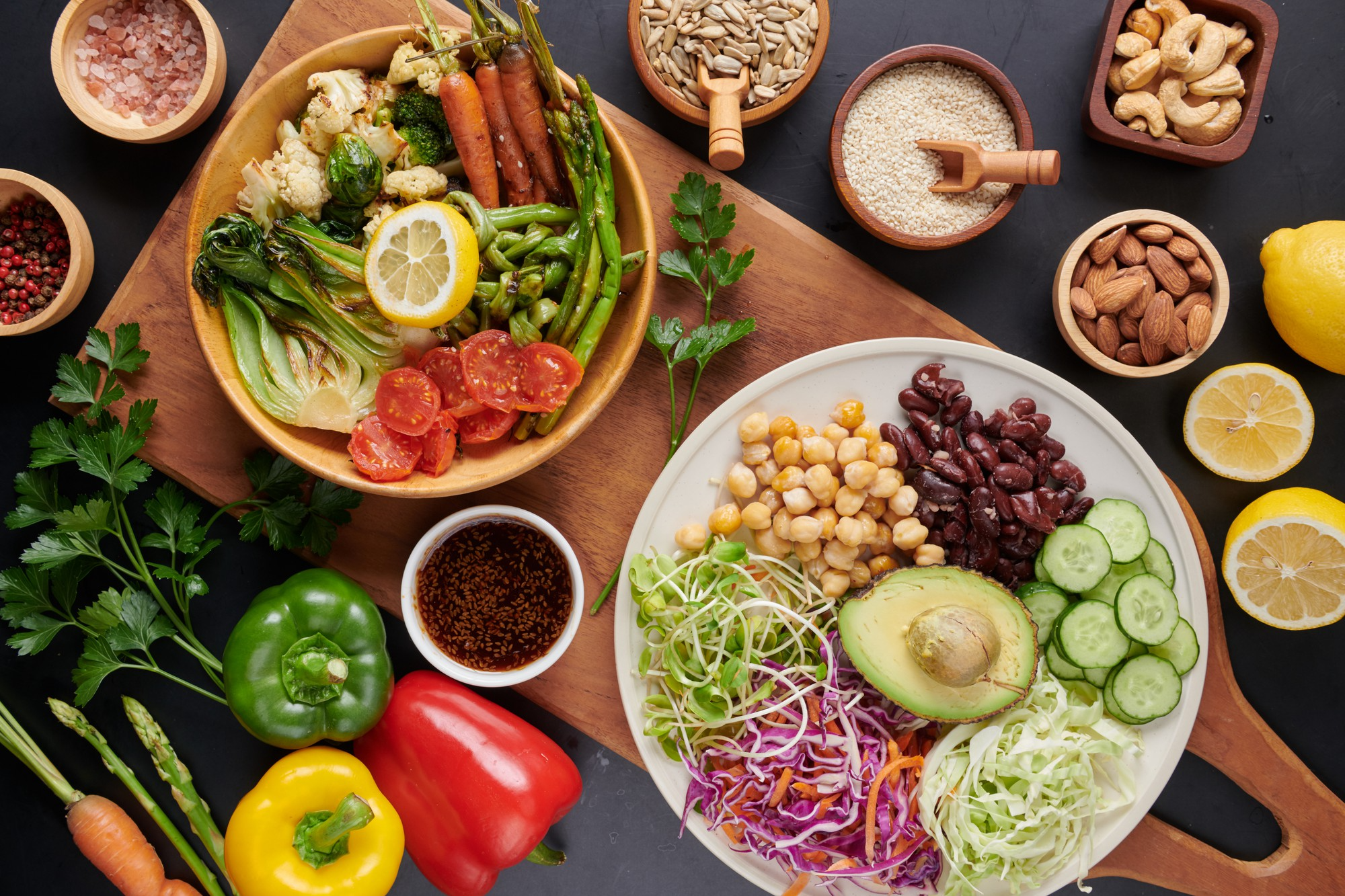
Protein-rich vegetarian foods — the best Indian sources to meet your daily protein needs. Visit Prakash Hospital Noida for nutrition consultation.
1 Jun 2026
by Prakash Hospital

Discover effective home remedies for dry and wet cough. Know when to seek medical care and get expert respiratory treatment at Prakash Hospital.
5 Feb 2026
by Prakash Hospital

COPD क्या है, इसके शुरुआती लक्षण क्या हैं और इसका इलाज कैसे होता है? जानिए क्रॉनिक ऑब्सट्रक्टिव पल्मोनरी डिजीज के बारे में पूरी जानकारी।
11 Mar 2026
by Prakash Hospital

ब्लड क्लॉट (खून का थक्का) क्या है, क्यों बनता है, इसके लक्षण क्या हैं और यह कितना खतरनाक हो सकता है, पूरी जानकारी आसान हिंदी में।
27 Apr 2026
by Prakash Hospital
Find answers to common questions about Protein Deficiency Symptoms & Signs at Prakash Hospital Noida.


Book a consultation with Prakash Hospital's specialists — 24/7 emergency care, 100+ doctors, NABH accredited.
View All Departments