


Fatty Liver Diet: What to Eat and Avoid for a Healthier Liver
Fatty liver diet guide — what to eat, what to avoid, and lifestyle changes that actually reduce liver fat. Prakash Hospital Noida.
20 Sept 2026
by Prakash Hospital
A small needle sample of liver tissue that shows what is damaging your liver and how far it has gone, when blood tests and scans can't answer.

Your liver tests have been abnormal for months. The ultrasound says fatty liver, or shows something the radiologist can't name, and now the question is how much damage there is and why. Blood tests and scans can suggest a great deal about the liver, but sometimes only a piece of tissue under the microscope settles it.
In a liver biopsy, a doctor takes a thin core of liver tissue, narrower than a pencil lead and 1 to 2 cm long, with a special needle. The usual route is through the skin between the lower right ribs, guided by ultrasound, under local anaesthetic. The needle is in the liver for only a second or two. A pathologist then examines the sample for inflammation, fat, iron, scarring (fibrosis) and abnormal cells.
The test is quick, but you'll need to rest for several hours afterwards while the team watches for bleeding, the main risk. In return you get a precise answer: the cause of the liver disease, how active it is and how advanced the scarring is.
The hepatologists in our gastroenterology department manage the full range of liver disease, from fatty liver and hepatitis to cirrhosis. Many patients never need a biopsy, because scarring can first be assessed with liver elastography (a painless stiffness scan) and liver function tests. A biopsy is suggested only when those don't give a clear answer.
A biopsy is considered when its result would change your treatment, and simpler tests haven't settled the question.
The most common type. Ultrasound marks a safe spot, and the needle goes in between the ribs on the right side. It suits most people whose blood clots normally.
When the aim is to sample a particular lump, the needle is guided into it with ultrasound or CT.
If your blood doesn't clot well, or there's fluid in the abdomen (ascites), the sample can be taken from inside the liver through a thin tube passed down a vein in the neck. The needle never crosses the liver's surface, so bleeding is less likely. It needs specialised radiology facilities.
You lie on your back with your right arm tucked behind your head. A cannula goes into your arm, and your pulse and blood pressure are checked.
The doctor uses ultrasound to choose a safe point between the lower right ribs, away from large blood vessels and the gallbladder, and marks the skin.
The skin and the tissue down to the liver are numbed with local anaesthetic, sometimes with light sedation as well. A tiny nick is made in the skin.
You breathe out and hold your breath for a few seconds while the needle goes in and out. You'll feel pressure, and perhaps a brief ache in the right shoulder. Sometimes a second pass is needed.
Pressure is applied and a small dressing goes on. No stitches are needed.
The pathologist's report usually takes about a week, sometimes longer if special stains are needed. Your hepatologist will go through it with you, because the terms are technical.
The report grades inflammation, which shows how active the disease is, and stages fibrosis, usually from F0 (no scarring) to F4 (cirrhosis). It also notes fat, iron or copper, signs of autoimmune or viral hepatitis, bile duct damage, and whether any lump is harmless or cancer.
The findings then shape your treatment: a weight-loss and exercise plan for fatty liver, antiviral medicines for hepatitis B or C, medicines that calm the immune system for autoimmune hepatitis, and regular screening if there's cirrhosis. Occasionally the sample is too small to be conclusive, and a repeat is needed.
You lie on your right side or your back, which presses on the biopsy site. Nurses check your pulse, blood pressure and dressing regularly.
If all is well, you can sit up, eat and drink, and most people go home after 4 to 6 hours.
Rest at home and don't drive. A mild ache is normal, and paracetamol helps. Avoid ibuprofen-type painkillers.
Avoid heavy lifting, the gym, sport, and riding a two-wheeler over bumpy roads for about a week. Keep the dressing dry for a day.
Call us on +91-8826000033 or come straight to our 24/7 emergency department.
A painless ultrasound-based scan that measures liver stiffness, which rises with scarring. It's often enough to judge fibrosis in fatty liver and hepatitis B or C without a biopsy.
Combinations of routine blood tests, such as the FIB-4 score, estimate the risk of scarring and help decide who needs further tests.
CT or MRI with contrast can often identify a liver lump, such as a harmless blood vessel growth or a typical liver cancer in cirrhosis, without a biopsy.
Talk to our Gastroenterology team
Ask about your options, the cost and your insurance before you decide. See the insurance and TPA panels we work with.
This page explains Liver Biopsy in general terms. Your own plan depends on your health, your test results and your doctor's advice. Please read our medical disclaimer.
Liver Biopsy is led by our Gastroenterology team, with other departments stepping in at each stage of your care.
At Prakash Hospital, our Gastroenterology Department offers specialized care for digestive system disorders, ensuring accurate diagnosis, advanced treatments, and compassionate support for your gastrointestinal health.
What the department treats
Diagnostic and Therapeutic Endoscopy
Colonoscopy
ERCP
Liver Disease Management
IBD Management
GI Cancer Screening
Procedures often considered alongside Liver Biopsy, or that treat related conditions.
A camera test of the food pipe, stomach and duodenum for acidity, ulcers, bleeding and swallowing problems.
Endoscopic treatment through the mouth that removes bile duct stones and opens blockages causing jaundice.
A needle sample of kidney tissue that finds the cause of protein or blood in the urine, or of failing kidneys.
A camera test of the large bowel that investigates bleeding or bowel changes and removes polyps early.
Other procedures our Gastroenterology team performs.
We offer expert care across key specialties, including Medicine, Cardiology, Orthopaedics, ENT, Gynaecology, and more—delivering trusted treatment under one roof.
Free tools to check your weight, plan a pregnancy, track calories and more.
Fatty liver diet guide — what to eat, what to avoid, and lifestyle changes that actually reduce liver fat. Prakash Hospital Noida.
20 Sept 2026
by Prakash Hospital
What is fatty liver disease, its causes in Indians, warning signs, and how to reverse it with diet and lifestyle. Prakash Hospital Noida.
5 Aug 2026
by Prakash Hospital

Liver cirrhosis — understand symptoms, causes, stages, and treatment options. Visit Prakash Hospital Noida for liver health care and consultation.
2 Jun 2026
by Prakash Hospital

Male infertility causes, from varicocele to heat and smoking, the semen analysis, and what helps — a practical guide for Indian men. Prakash Hospital Noida.
7 Oct 2026
by Prakash Hospital

जानिए किडनी फंक्शन टेस्ट (KFT) क्या होता है, यह किन-किन पैरामीटर्स को मापता है और किडनी की सेहत के बारे में क्या जानकारी देता है।
11 May 2026
by Prakash Hospital

Prostate problems — symptoms of BPH, prostatitis and prostate cancer, the tests used to diagnose them, and when to see a doctor. Prakash Hospital Noida.
5 Oct 2026
by Prakash Hospital

Detailed guide on jaundice symptoms, causes, diagnosis, diet, recovery tips and medical care for healthy liver function.
7 Jan 2026
by Prakash Hospital

Discover early signs your liver may not be functioning properly, including fatigue, jaundice and digestive issues, expert liver care in Noida.
24 Mar 2026
by Prakash Hospital
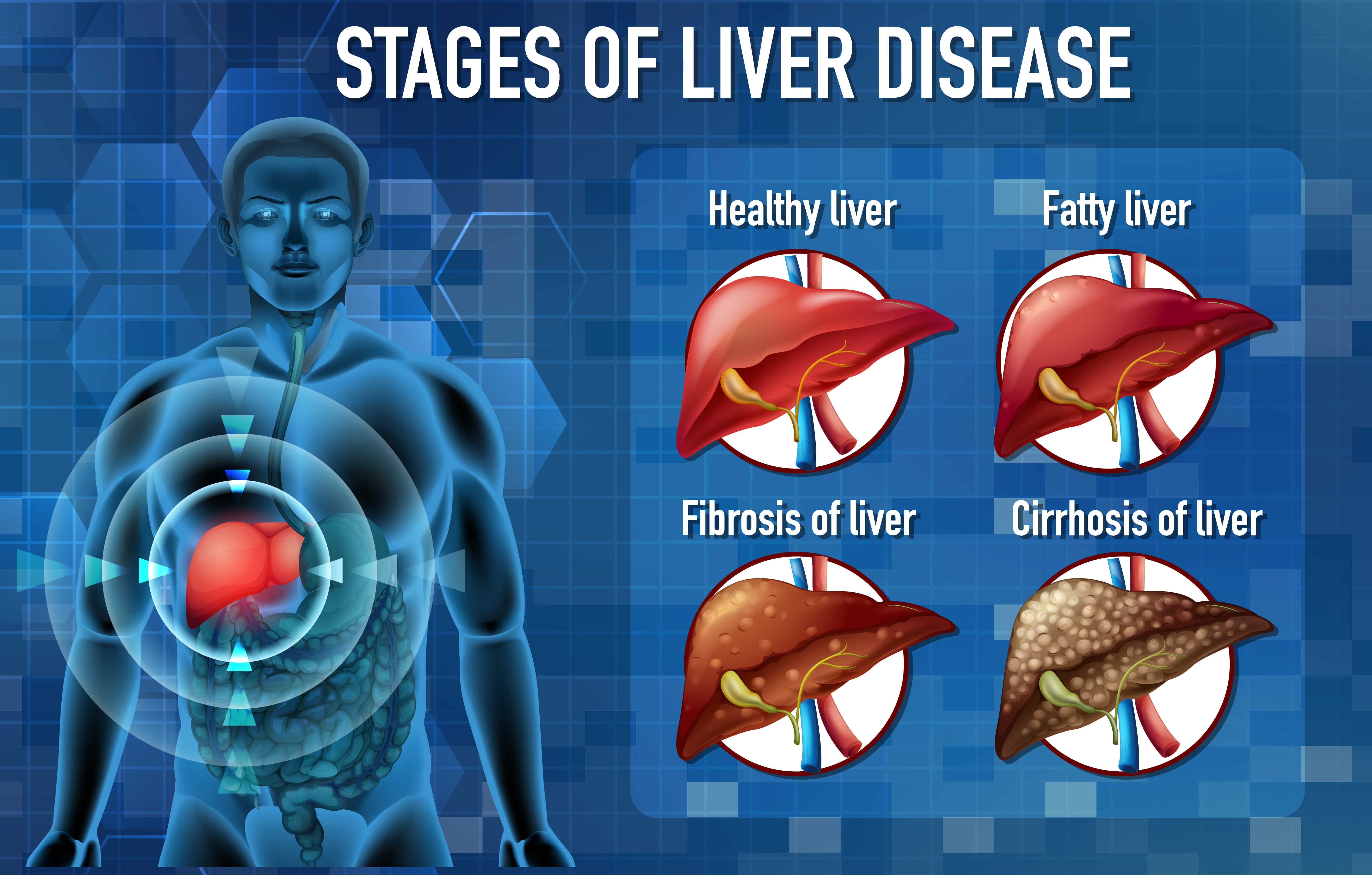
Learn about the different types of hepatitis, how they spread, common symptoms, prevention strategies, and the role of vaccines in protecting your liver
10 May 2025
by Prakash Hospital
Answers to common questions about Liver Biopsy at Prakash Hospital, Noida.


Book a consultation with Prakash Hospital's specialists — 24/7 emergency care, 100+ doctors, NABH accredited.
View All Departments