


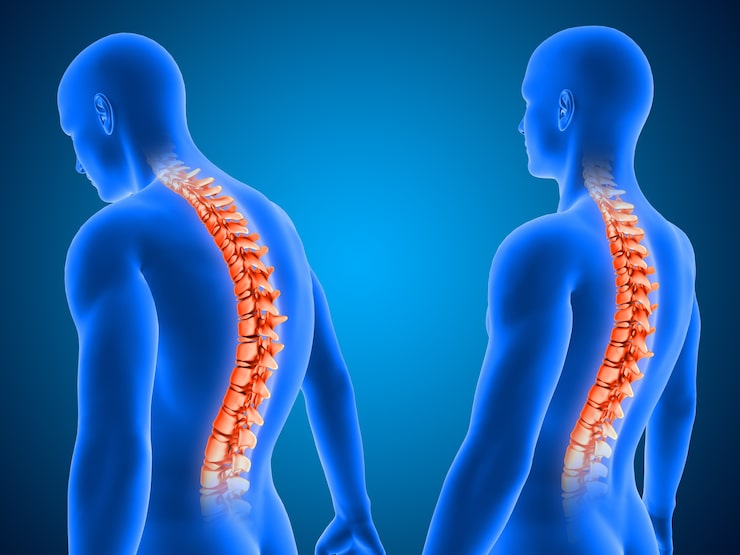
A Full Guide for Patients on Back Surgery and Its Causes
Understand when back surgery is needed and what to expect during recovery with expert surgical guidance from Prakash Hospital.
10 Sept 2025
by Prakash Hospital
Removes the piece of slipped disc or bone pressing on a spinal nerve, to relieve leg pain, numbness and weakness that haven't settled with time.

Sciatica from a slipped disc is an odd kind of pain. The problem is in your lower back, but the worst of it shoots down the buttock and leg, often with numbness or pins and needles. Spinal stenosis, usually after 60, feels different: legs that ache or go numb after a few minutes of walking and ease when you sit or lean forward.
Both come from pressure on nerves. Each disc between the vertebrae (spine bones) has a tough outer ring and a soft centre. If the ring tears, part of the centre can bulge out onto a nerve root, which is a slipped or herniated disc. In stenosis, thickened ligament, bulging disc and bone spurs narrow the canal the nerves run through. A discectomy removes the piece of disc pressing on the nerve. A laminectomy removes part of the bony roof of the spinal canal (the lamina) and the thickened tissue beneath it to give the nerves more room.
Most people with sciatica from a slipped disc get better without an operation, usually within 6 to 12 weeks. For those who don't, surgery usually relieves leg pain faster than waiting. It's much less predictable for back pain alone, and numbness or weakness can take months to recover as the nerve heals.
Spine surgery at Prakash Hospital is done by our orthopaedics team and the neurosurgeons of our neurosciences department, whose operating rooms have surgical microscopes and nerve-monitoring equipment.
An MRI shows where the disc or narrowing is, but the decision rests on your symptoms and examination matching that scan. Plenty of people have disc bulges on MRI with no pain at all.
This is the most common operation for a slipped disc. Through a cut of 2 to 4 cm, the surgeon moves the back muscles aside, removes a sliver of bone if needed, eases the nerve aside and takes out only the loose piece of disc, working under magnification. The rest of the disc stays.
The lamina and thickened ligament over the squeezed nerves are removed at one or more levels. The cut is longer and recovery a little slower. If the spine is unstable, a fusion with screws and rods may be added in the same operation.
You're given a general anaesthetic and turned face down on a padded frame that leaves your tummy free, which reduces bleeding.
An X-ray in theatre confirms the exact disc level before the cut is made.
Through a cut in the middle of the back, the muscles are eased off the bone. A small window is made in the lamina, and the thickened ligament beneath it is removed to show the nerve.
The nerve root is gently moved aside and the disc fragment removed, or for stenosis, bone and ligament are trimmed until the nerves lie free.
The muscles settle back into place and the skin is stitched or glued. A microdiscectomy usually takes 1 to 2 hours, and a laminectomy over several levels up to 3.
Walking is the main exercise after spine surgery, starting on the day or the morning after. Long bed rest does more harm than good.
You get up and walk with a physiotherapist within hours or by the next morning. Leg pain is often noticeably better, and some ache around the wound is normal.
Most people go home a day or two after a microdiscectomy, or two to three days after a laminectomy, having learned to get out of bed by rolling onto their side first.
Walk a little further each day. Avoid bending, twisting and lifting more than about 2 to 3 kg, and break up sitting every 30 to 45 minutes. Stitches come out at about 2 weeks, and desk workers are often back by 2 to 4 weeks.
Physiotherapy builds up the core and back muscles, and lifting comes back gradually. Numbness or weakness may keep improving for months.
Call us on +91-8826000033 or come straight to our 24/7 emergency department.
For most people with sciatica, this is the first treatment and often the only one needed. Painkillers, medicines for nerve pain, staying active and physiotherapy usually help the pain settle within 6 to 12 weeks.
A steroid injection near the irritated nerve can ease leg pain for weeks to months while the disc settles. It doesn't remove the disc, and the effect often wears off.
Talk to our Orthopedics & Joint Replacement team
Ask about your options, the cost and your insurance before you decide. See the insurance and TPA panels we work with.
This page explains Spine Surgery (Discectomy and Laminectomy) in general terms. Your own plan depends on your health, your test results and your doctor's advice. Please read our medical disclaimer.
Spine Surgery (Discectomy and Laminectomy) is led by our Orthopedics & Joint Replacement team, with other departments stepping in at each stage of your care.
At Prakash Hospital, our Orthopedics and Traumatology Department offers expert diagnosis, surgical and non-surgical treatments, and rehabilitation for bone, joint, and musculoskeletal injuries.
What the department treats
Total Knee Replacement
Total Hip Replacement
Arthroscopic Surgery
Spine Surgery
Trauma and Fracture Care
Sports Medicine
Neurosurgeons assess complex nerve and spinal cord compression and operate on cases that need their microscopes and nerve monitoring.
Gets you walking on the first day and builds a core-strengthening programme to protect your back.
Does the spine MRI that shows the slipped disc or narrowing, reported by a radiologist.
Procedures often considered alongside Spine Surgery (Discectomy and Laminectomy), or that treat related conditions.
Nerve and muscle tests that find the cause of numbness and weakness, such as neuropathy or carpal tunnel.
Replaces a worn or collapsed hip ball and socket with an artificial joint to end groin pain and restore walking.
Realigns broken bones and holds them with plates, screws, rods or frames so they heal in the right position.
Other procedures our Orthopedics & Joint Replacement team performs.
Replaces a knee worn out by arthritis with a metal and plastic joint to relieve pain and get you walking again.
Replaces a damaged shoulder ball and socket to relieve arthritis pain and help you use your arm again.
Keyhole surgery using a thin camera to diagnose and repair problems inside the knee or shoulder.
Rebuilds a torn ACL with a tendon graft through keyhole surgery to stop the knee giving way.
Reattaches or rebuilds torn ligaments in the knee, ankle, elbow or thumb to steady an unstable joint.
Realigns and rebuilds a joint damaged by injury, deformity or earlier surgery, keeping your own joint.
Replaces a failed knee implant that is loose, worn, infected or unstable with new revision parts.
Replaces only the worn part of an arthritic knee, keeping the healthy cartilage and ligaments.
We offer expert care across key specialties, including Medicine, Cardiology, Orthopaedics, ENT, Gynaecology, and more—delivering trusted treatment under one roof.
Free tools to check your weight, plan a pregnancy, track calories and more.
Understand when back surgery is needed and what to expect during recovery with expert surgical guidance from Prakash Hospital.
10 Sept 2025
by Prakash Hospital

स्लिप डिस्क क्या होती है, इसके कारण, लक्षण, जांच और बिना सर्जरी इलाज के विकल्प हिंदी में जानें।
28 Jan 2026
by Prakash Hospital

Discover safe lifting techniques, common mistakes, spine injury prevention tips and expert back care at Prakash Hospital Noida.
23 Mar 2026
by Prakash Hospital

Best fruits to gain weight — bananas, mangoes, avocados, dates, and more calorie-dense fruit options. Visit Prakash Hospital Noida for nutrition consultation.
9 Jul 2026
by Prakash Hospital

Healthy Indian breakfast ideas: high-protein, low-sugar options like eggs and moong dal chilla for steady energy. Practical guide from Prakash Hospital Noida.
1 Oct 2026
by Prakash Hospital

Best protein rich foods in India — vegetarian and non-vegetarian sources, daily requirements, and how to eat enough protein on an Indian diet. Prakash Hospital Noida.
18 Aug 2026
by Prakash Hospital
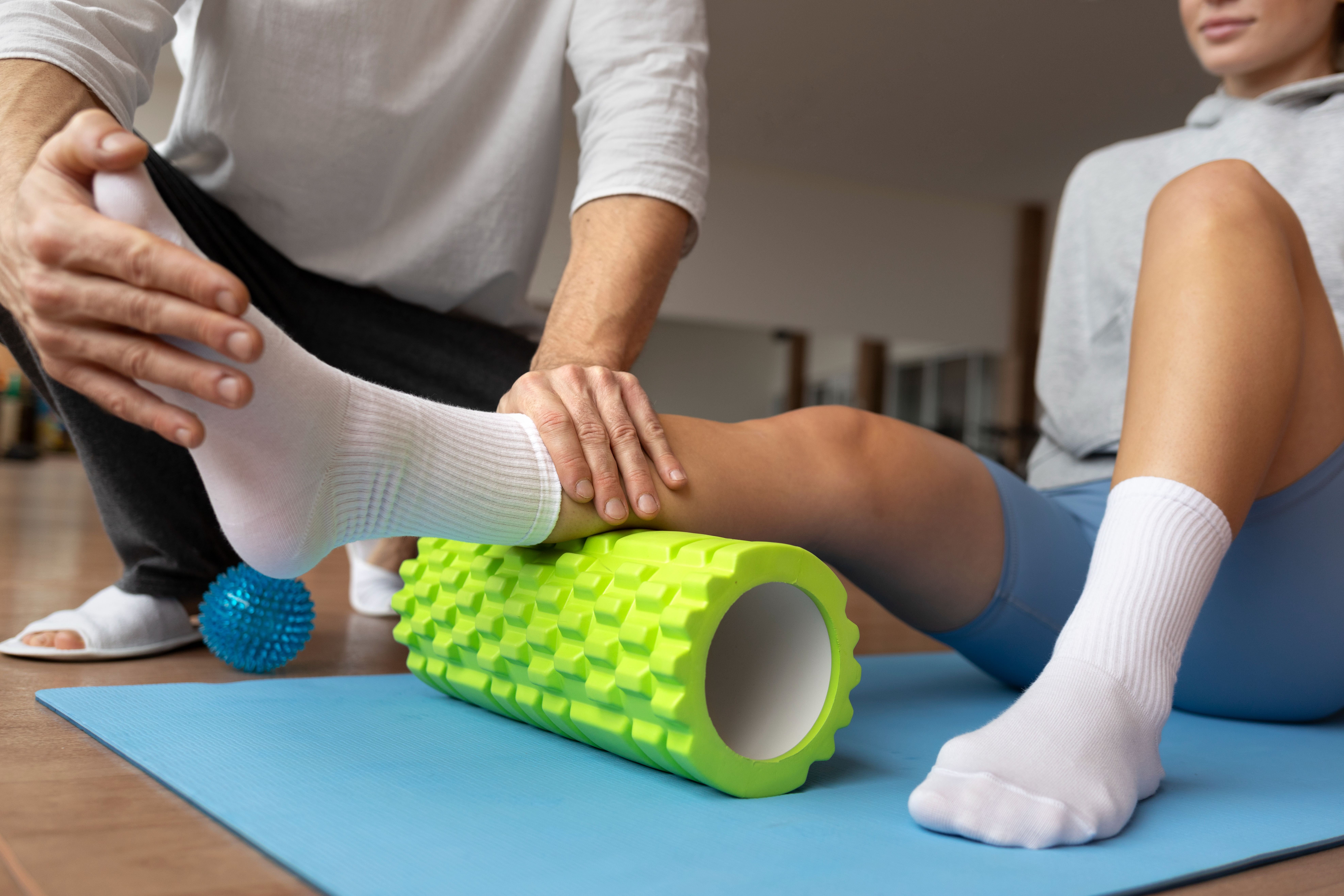
Discover expert-approved orthopedic fitness strategies with safe exercises to support your joints, reduce pain, and improve mobility. Ideal for all age groups.
25 Jun 2025
by Prakash Hospital
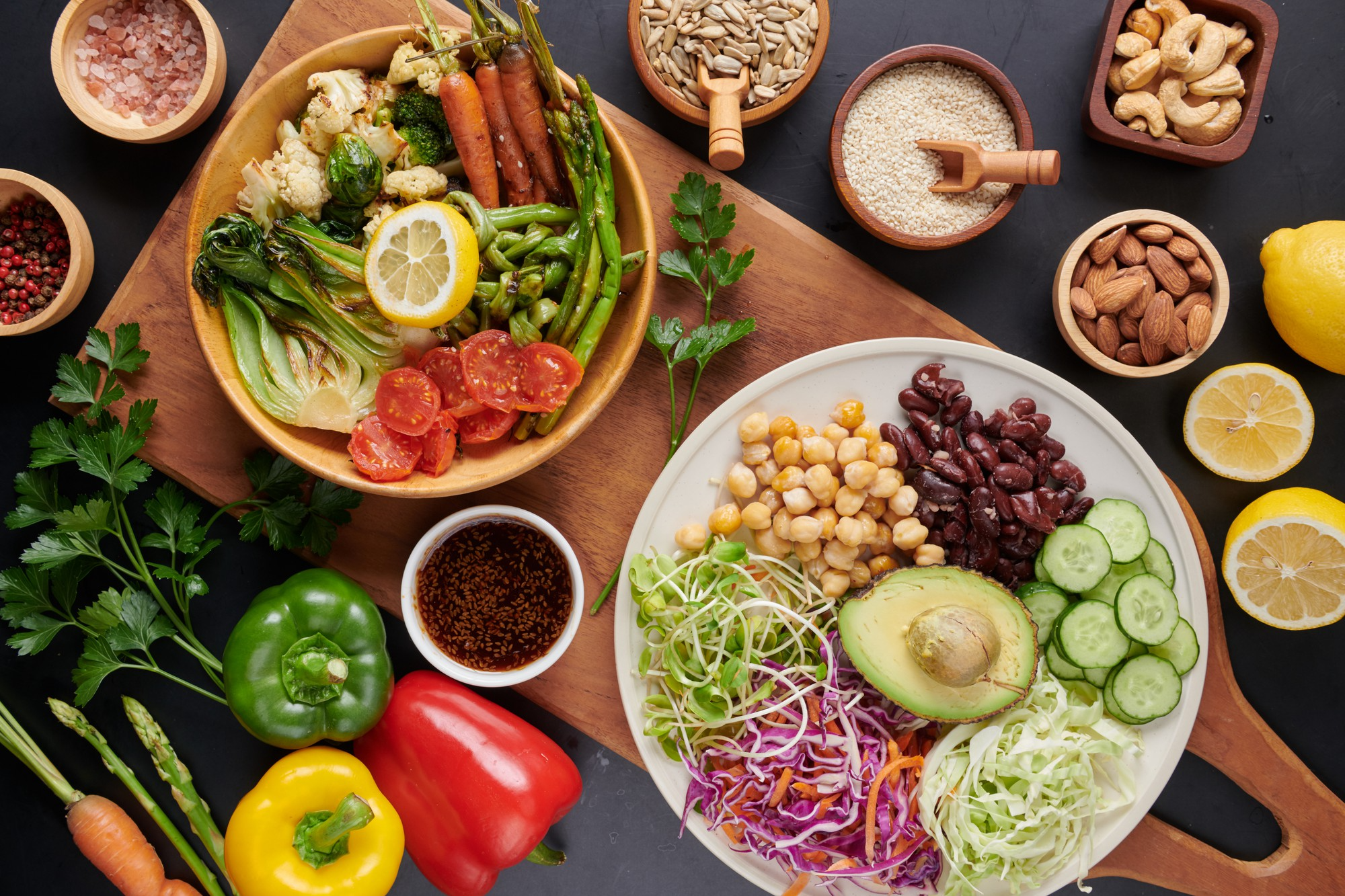
Best Indian foods for strong bones — calcium-rich foods, vitamin D sources, and lifestyle habits to prevent bone loss. Prakash Hospital Noida.
31 Aug 2026
by Prakash Hospital
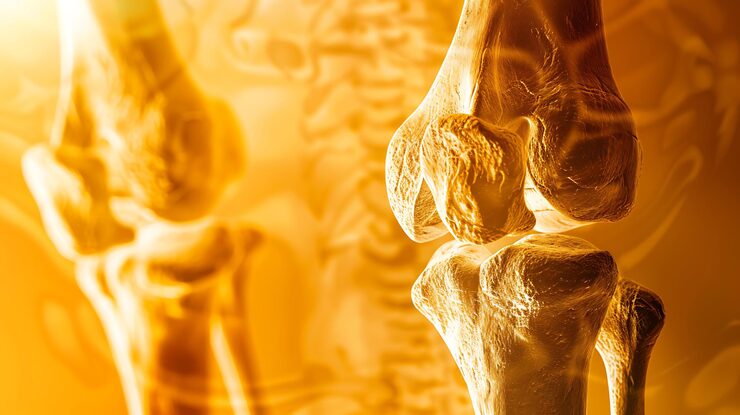
Osteoporosis symptoms, risk factors for Indian women, and how to protect bone density. Guide from Prakash Hospital Noida, Noida.
27 Aug 2026
by Prakash Hospital
Answers to common questions about Spine Surgery (Discectomy and Laminectomy) at Prakash Hospital, Noida.


Book a consultation with Prakash Hospital's specialists — 24/7 emergency care, 100+ doctors, NABH accredited.
View All Departments