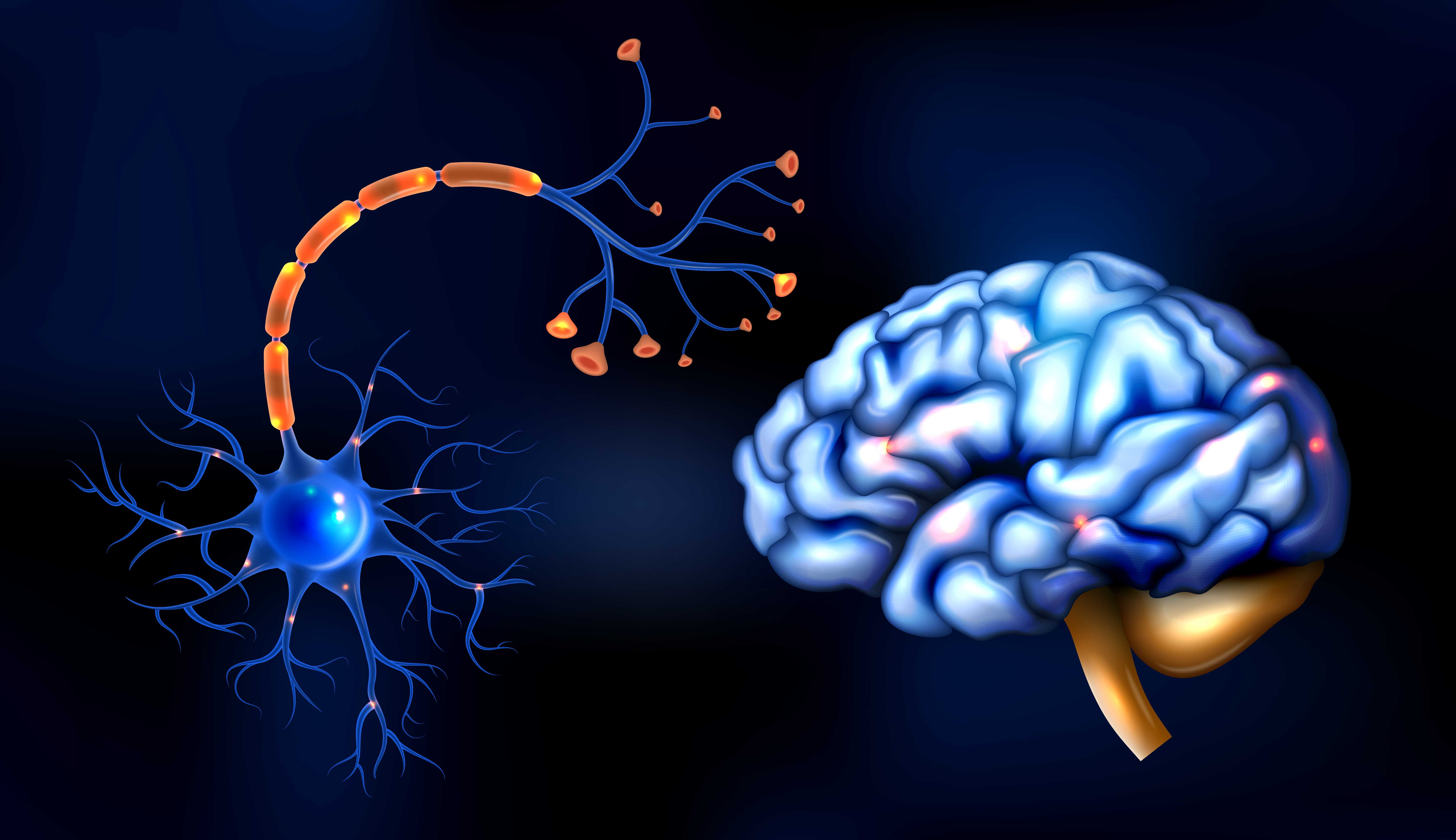
A semen analysis is the first and most informative test in a male fertility evaluation.
Infertility affects approximately 10–15% of couples trying to conceive. Of these, male-factor infertility accounts for approximately 40–50% of cases — either as the sole cause or as a contributing factor alongside female factors. Yet in India, the investigation of infertility remains disproportionately focussed on women, with men often not tested at all — or tested as a reluctant afterthought after extensive female investigations.
This reflects a cultural assumption that infertility is a "women's problem." It is not. When a couple is unable to conceive after 12 months of regular unprotected intercourse (or 6 months for women above 35), the male partner should be evaluated simultaneously and from the start — with a semen analysis as the first investigation, not the last.
Male fertility depends on:
Problems at any stage can impair fertility.
A semen analysis (SA) is the first, most important, and most informative test in male fertility evaluation. It is non-invasive (providing a sample by masturbation into a sterile container), inexpensive, and provides more diagnostic information than any blood test for male fertility.
What is measured:
| Parameter | Normal (WHO 2021) | |---|---| | Semen volume | ≥ 1.4 ml | | Total sperm count | ≥ 39 million | | Sperm concentration | ≥ 16 million/ml | | Total motility (PR + NP) | ≥ 42% | | Progressive motility (PR) | ≥ 30% | | Morphology (normal forms) | ≥ 4% | | Vitality | ≥ 54% |
Terminology:
Important: a single abnormal semen analysis should be repeated after 2–3 months (the time for a new cycle of sperm production). Illness, fever, stress, or medication at the time of the original sample can temporarily impair semen quality.
A varicocele is a dilatation of the veins that drain blood from the testes (the pampiniform plexus) — similar to varicose veins in the leg. Present in approximately 15% of all men and in 35–40% of men presenting for infertility evaluation.
The mechanism of infertility: the dilated veins reduce efficient blood drainage, raising the temperature of the testes. Sperm production is exquisitely temperature-sensitive — the testes are in the scrotum (outside the body) specifically to maintain a temperature 2–3°C cooler than core body temperature. Elevated scrotal temperature from varicocele impairs sperm production and DNA integrity.
Varicoceles are typically on the left side (from the anatomy of the left testicular vein draining into the left renal vein at a right angle — a higher-pressure connection).
Examination: a varicocele can often be felt as a "bag of worms" at the top of the testes during physical examination, particularly when the man stands and performs a Valsalva manoeuvre (bearing down). Ultrasound confirms the diagnosis.
Treatment: varicocelectomy (surgical ligation of the dilated veins, done laparoscopically or microsurgically) or percutaneous embolisation (a minimally invasive radiological procedure). Multiple meta-analyses confirm that varicocele repair improves semen parameters and pregnancy rates in men with varicocele and abnormal semen analysis.
Low FSH and LH (from the pituitary) result in inadequate stimulation of the testes — producing low testosterone and poor sperm production.
Causes include: hyperprolactinaemia (prolactinoma), Kallmann syndrome (congenital GnRH deficiency), pituitary tumours, and importantly — anabolic steroid use (extremely common in Indian gym culture). Exogenous testosterone (from steroids) suppresses LH and FSH — the testes receive no stimulation signal and sperm production drops to near zero. Azoospermia from anabolic steroid use can take 6–12+ months to reverse after cessation.
Treatment with gonadotropins (hCG to replace LH; recombinant FSH) successfully restores sperm production in secondary hypogonadism cases.
Sperm may be produced normally but unable to exit due to obstruction:
Obstruction presents as azoospermia with normal-volume semen and normal hormones (FSH, LH, testosterone).
Surgical sperm retrieval (PESA, TESA, or micro-TESE) can extract sperm directly from the epididymis or testes for use in ICSI (intracytoplasmic sperm injection — an IVF technique).
Klinefelter syndrome (47,XXY): the most common genetic cause of male infertility. An extra X chromosome results in small testes, primary testicular failure, azoospermia, and elevated FSH/LH with low testosterone. Micro-TESE can sometimes retrieve sperm even in Klinefelter men for IVF/ICSI.
Y chromosome microdeletions: deletions in the AZF regions of the Y chromosome impair spermatogenesis. AZFa and AZFb deletions typically cause complete azoospermia with no recovery; AZFc deletions may allow some sperm production. Genetic testing is recommended in non-obstructive azoospermia.
Chromosomal translocations: structural chromosomal abnormalities that impair meiosis during spermatogenesis.
Orchitis: inflammation of the testes from viral infection (mumps orchitis — bilateral in approximately 20% of post-pubertal mumps cases — causes significant testicular damage; mumps vaccination prevents this) or bacterial infection. Can cause permanent damage to spermatogenic tubules.
Sexually transmitted infections: as above — untreated gonorrhoea or chlamydia can cause obstructive infertility.
Heat exposure: occupational heat exposure (welders, bakers, drivers who sit for long periods — car seat heating, laptops on the lap), hot baths, tight underwear — all raise scrotal temperature and temporarily suppress sperm production. The suppression from prolonged heat exposure may persist for 3+ months.
Obesity: adipose tissue converts testosterone to estrogen via aromatase, lowering testosterone and impairring spermatogenesis. Obesity is associated with lower sperm count, reduced motility, and increased sperm DNA fragmentation.
Smoking: directly toxic to spermatozoa — reduces count, motility, and morphology; increases oxidative stress-induced DNA damage.
Alcohol: reduces testosterone, impairs spermatogenesis.
Recreational drugs: marijuana reduces sperm count and motility; opioids suppress the HPT axis; cocaine directly damages spermatogenic tubules.
Anabolic steroids: as above — suppresses the entire sperm production pathway.
Psychological stress: elevates cortisol and oxidative stress, both of which impair sperm production.
Laptop heat and mobile radiation: the evidence for mobile radiation is inconsistent. The heat from a laptop placed on the lap does raise scrotal temperature — using a desk or laptop stand prevents this.
Pesticide exposure: organophosphates and other agricultural chemicals are endocrine disruptors — associated with reduced sperm counts in agricultural workers.
For men with mildly abnormal semen analysis or who want to optimise sperm health before planned conception:
Antioxidants: sperm are highly vulnerable to oxidative stress — the mitochondria in the sperm tail produce reactive oxygen species during energy generation. Excess oxidative stress damages sperm DNA.
Evidence-based antioxidant supplementation for sperm quality:
Multiple combination antioxidant supplements for male fertility are available in Indian pharmacies.
Dietary approach: Mediterranean-style diet (vegetables, legumes, fruits, fish, moderate dairy, olive oil) is consistently associated with better semen quality in observational studies. Processed meat, high-fat dairy, and trans fats are associated with worse quality.
Exercise (moderate): regular moderate aerobic exercise improves sperm parameters. Excessive endurance training (ultra-marathon, very high-volume) may temporarily suppress testosterone and sperm production.
Weight loss (if overweight): improves testosterone and sperm parameters.
Stop smoking and reduce alcohol: the most impactful modifiable factors for men who smoke.
Cool the testes: loose cotton underwear, avoiding prolonged laptop on lap, cool baths — practical measures with a genuine temperature rationale.
The 3-month window: sperm take 64–72 days to develop. All lifestyle interventions should be maintained for at least 3 months before assessing impact or before planned conception.
If semen analysis is abnormal after two samples:
At Prakash Hospital Noida, our physicians evaluate male infertility — including semen analysis, hormonal blood tests, referral for ultrasound and urology assessment, and coordination with fertility specialists for couples undergoing infertility evaluation.
Whether you live in Sector 18, Sector 62, Greater Noida West, or anywhere in the NCR, Prakash Hospital Noida is a trusted name for male infertility, men's health, and fertility care in Noida.
To book a consultation, call the number.
Tags: #MaleInfertilityIndia #SpermHealth #PrakashHospitalNoida

This article covers gynaecology concerns. These Prakash Hospital doctors in Noida treat them.
Dr. Priya Shikha Modi
Consultant Gynaecologist
Hysterectomies · Laparoscopic Hysterectomies · Gynecological Pathologies

Dr. Shachi Singh
Consultant Gynaecologist & Obstetrician
Obstetrics & High-Risk Pregnancy · Laparoscopic Surgery · Infertility Treatment
We offer expert care across key specialties, including Medicine, Cardiology, Orthopaedics, ENT, Gynaecology, and more—delivering trusted treatment under one roof.


Book a consultation with Prakash Hospital's specialists — 24/7 emergency care, 100+ doctors, NABH accredited.

Prakash Hospital Pvt. Ltd. is a 100 bedded NABH NABL accredited multispecialty hospital along with a center of trauma and orthopedics. We are in the service of society since 2001.
OUR SPECIALITIES
Patient Services
PROCEDURES
Contact Us
D – 12A, 12B, Sector-33, G. B. Nagar, Noida, Uttar Pradesh 201301
+91-8826000033


© 2026 All rights reserved.
Designed and Developed by Zarle Infotech