


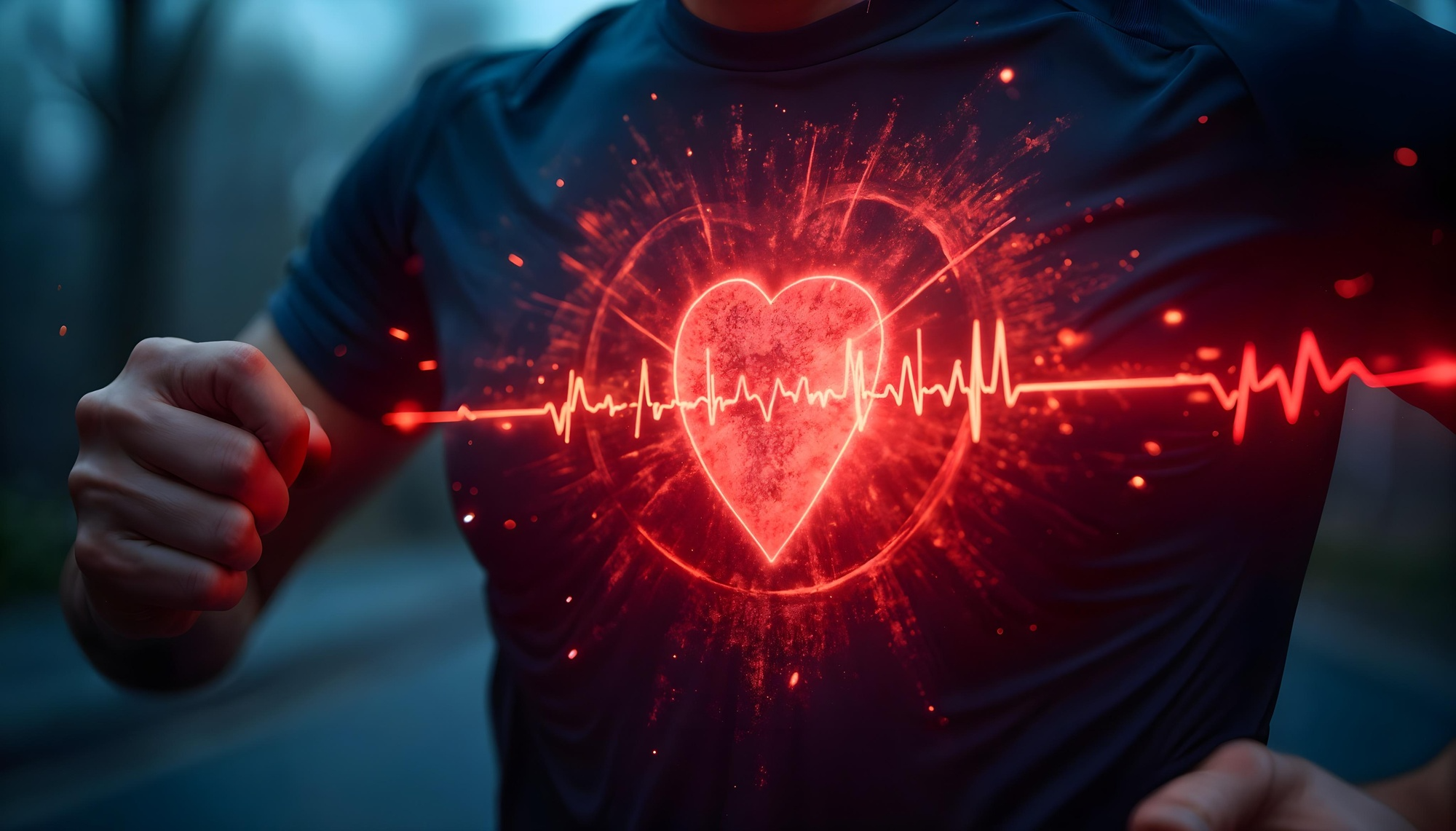
Heart Palpitations: When to Worry
Learn what causes heart palpitations and when they signal heart trouble. Expert insights and treatment from cardiologists at Prakash Hospital.
14 Nov 2025
by Prakash Hospital
A small recorder you wear for a day or two at home that captures every heartbeat, so palpitations or dizzy spells can be matched to what your heart was doing.

Your heart races for ten minutes in the middle of the market, then settles. By the time you reach the clinic it's beating normally and the ECG shows nothing, because a standard ECG records only about 10 seconds.
A Holter monitor records your heart rhythm continuously through an ordinary day. Sticky electrodes on your chest connect by thin wires to a recorder the size of a mobile phone, worn on a belt or in a pouch. It logs every beat, usually for 24 or 48 hours, while you keep a diary of what you were doing and feeling.
The test works well when symptoms happen most days. If they come once a month, a 24-hour recording will probably miss them and a longer monitor makes more sense. A clear result still helps: if you felt your usual palpitations and the rhythm was normal at that moment, a dangerous rhythm is very unlikely to be the cause.
Holter monitors for 24-hour rhythm tracking are part of our cardiology unit, and a cardiologist reads your recording and diary side by side.
A Holter recording is used when symptoms suggest a rhythm problem, or when a known rhythm problem needs checking.
The standard test, for symptoms that happen every day or nearly every day.
Patch monitors worn for 7 to 14 days, and event recorders worn for several weeks, catch less frequent symptoms. An event recorder saves the rhythm around the moment you press its button.
A device smaller than a USB stick goes under the skin of the chest through a tiny cut and records for up to 3 years. It's used for rare but serious symptoms such as unexplained blackouts, and your cardiologist can refer you for one if needed.
The skin on your chest is cleaned and lightly rubbed, and the electrodes are stuck on. It takes about 10 to 15 minutes.
The wires clip onto the recorder, which goes on a belt or in a pouch. The technician checks the signal and starts recording.
You go home, to work or to college as usual. Note the time of any symptom in the diary, or on your phone, along with when you took medicines, exercised and slept.
After 24 or 48 hours the electrodes come off and the recording is downloaded.
Software sorts through the 100,000 or so heartbeats in each day and flags anything unusual. The cardiologist then checks those sections against your diary.
The report lists your fastest, slowest and average heart rates, with the times they happened. A rate that dips into the 40s during sleep is often normal. It also counts extra beats from the upper chambers (atrial ectopics) and lower chambers (ventricular ectopics, often written VPCs). A few hundred a day is common in healthy people. A very high count, more than roughly 1 in 10 beats, may need an echo to check the heart muscle.
The findings that matter most are runs of abnormal rhythm, such as atrial fibrillation, supraventricular tachycardia (SVT) or ventricular tachycardia, and pauses of 3 seconds or more while awake, especially if their timing matches your diary.
Depending on the result, the next step may be reassurance, rhythm medicines, a blood thinner if atrial fibrillation is found, an echocardiogram, or a pacemaker for significant pauses or heart block. Some fast rhythms respond well to a catheter procedure called ablation, for which you may be referred.
Sleep as usual. Don't shower, swim or use an electric blanket, but a sponge bath that avoids the chest is fine. Carry on with your normal activity, though drenching sweat can loosen the electrodes.
Red marks where the electrodes sat usually fade within a day or two. A little coconut oil or moisturiser lifts any leftover glue.
The recording takes time to analyse, so results usually come within a few days. Book a follow-up with your cardiologist to go through them.
Call us on +91-8826000033 or come straight to our 24/7 emergency department.
If your palpitations last long enough, getting an ECG at a clinic or emergency department while they're happening can give the answer directly.
Some smartwatches record a single-lead ECG and can pick up atrial fibrillation. A recording made during symptoms is worth showing your cardiologist, but it doesn't replace a proper test.
If your symptoms come mainly with exertion, a treadmill test can bring them on under supervision.
Talk to our Cardiology team
Ask about your options, the cost and your insurance before you decide. See the insurance and TPA panels we work with.
This page explains Holter Monitoring (24-Hour ECG) in general terms. Your own plan depends on your health, your test results and your doctor's advice. Please read our medical disclaimer.
Holter Monitoring (24-Hour ECG) is led by our Cardiology team, with other departments stepping in at each stage of your care.
At Prakash Hospital, our Cardiology Department offers expert, round-the-clock care, providing timely diagnosis and advanced treatments for heart conditions to keep your heart healthy and strong.
What the department treats
Interventional Cardiology
Echocardiography
Cardiac Rehabilitation
Pacemaker Implantation
Angioplasty and Stenting
Heart Failure Management
Records an ECG straight away if you come in during a bad episode, which can settle the question faster than any planned test.
Checks for causes of palpitations outside the heart, such as an overactive thyroid, anaemia or low potassium.
Assesses blackouts and strokes where a heart rhythm problem may be the cause.
Procedures often considered alongside Holter Monitoring (24-Hour ECG), or that treat related conditions.
An ultrasound of the heart that shows how well it pumps and how the valves work. Painless and radiation-free.
A small device under the collarbone that keeps a slow or pausing heartbeat at a safe rate.
An ECG recorded while you walk on a treadmill, to check for reduced blood flow to the heart during exercise.
Records the brain's electrical activity through scalp electrodes to help diagnose epilepsy and seizures.
An X-ray dye test that maps blockages in the heart's arteries and guides the choice between medicines, stents and surgery.
Other procedures our Cardiology team performs.
We offer expert care across key specialties, including Medicine, Cardiology, Orthopaedics, ENT, Gynaecology, and more—delivering trusted treatment under one roof.
Free tools to check your weight, plan a pregnancy, track calories and more.
Learn what causes heart palpitations and when they signal heart trouble. Expert insights and treatment from cardiologists at Prakash Hospital.
14 Nov 2025
by Prakash Hospital
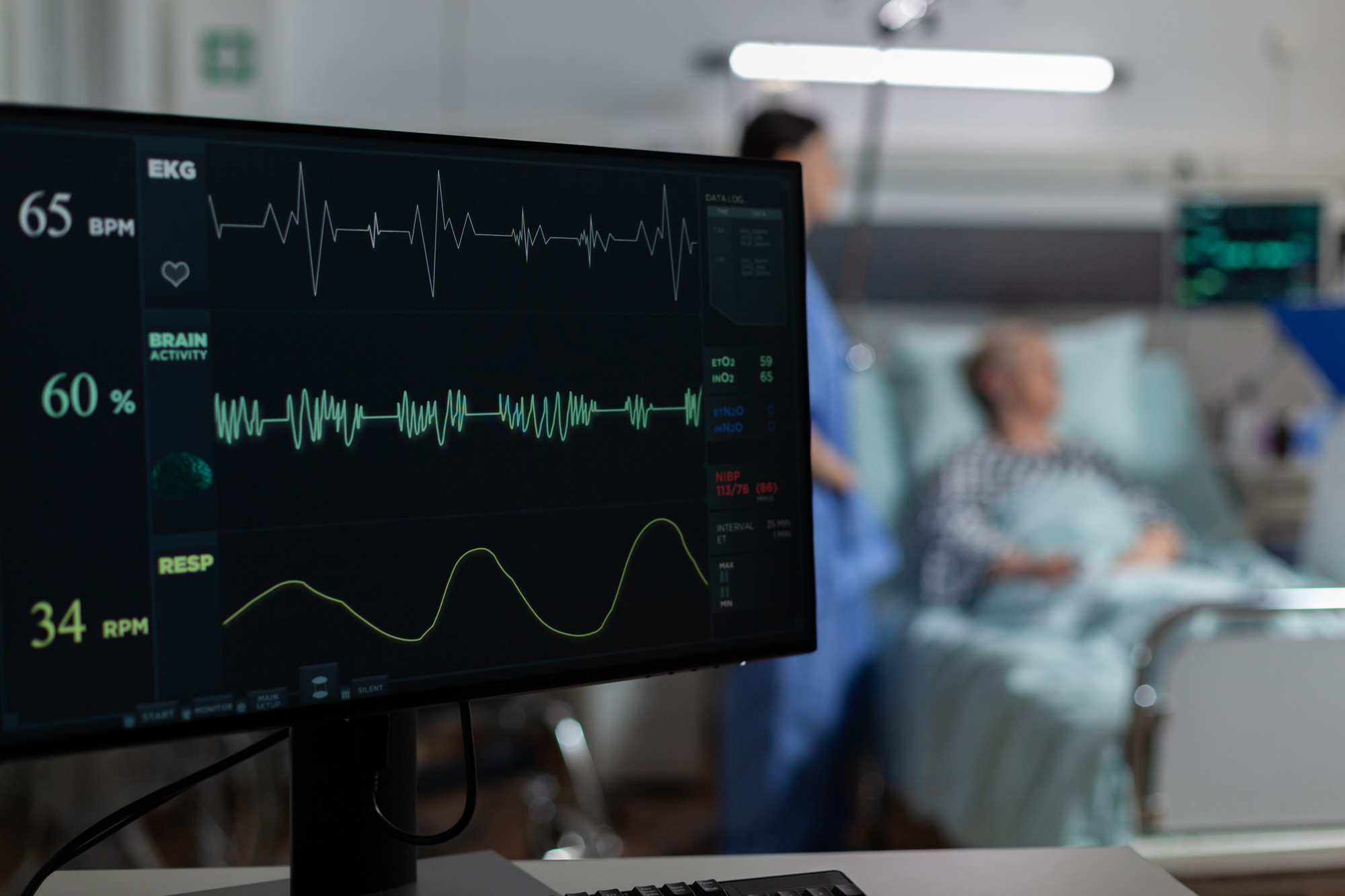
Learn what arrhythmia is, why it happens, warning signs, risk factors, complications, and treatment options. A complete guide by Prakash Hospital for better heart health.
12 Dec 2025
by Prakash Hospital

जानिए अचानक बेहोशी (फेंटिंग) के मुख्य कारण, इसके लक्षण और कब डॉक्टर से संपर्क करना चाहिए। सही देखभाल और बचाव के आसान उपाय भी समझें।
13 May 2026
by Prakash Hospital

Gastritis symptoms — what inflamed stomach lining feels like, what causes it, and what actually helps. Prakash Hospital Noida.
16 Sept 2026
by Prakash Hospital

IBS symptoms, causes, triggers, and management. What is irritable bowel syndrome and how to live with it. Prakash Hospital Noida.
15 Sept 2026
by Prakash Hospital

Detailed guide on gut health, gut microbiome imbalance, symptoms of poor gut health and scientifically proven ways to improve digestive health.
19 Feb 2026
by Prakash Hospital

Learn about dizziness—its types, causes, and warning signs—to better understand and manage this common but sometimes serious health symptom.
14 May 2025
by Prakash Hospital
Learn live saving tips when faced with an heart attack with advice from experts from Prakash Hospital.
1 Oct 2025
by Prakash Hospital

Learn symptoms, risk factors, prevention tips and when to seek expert cardiac care in Noida.
25 Mar 2026
by Prakash Hospital
Answers to common questions about Holter Monitoring (24-Hour ECG) at Prakash Hospital, Noida.


Book a consultation with Prakash Hospital's specialists — 24/7 emergency care, 100+ doctors, NABH accredited.
View All Departments