


Laser Hair Removal Procedure and Benefits
Learn about laser hair removal procedure, benefits, safety, side effects, preparation, aftercare, and who is the right candidate for treatment.
28 Jan 2026
by Prakash Hospital
Laser light targets the pigment in hair roots to thin out unwanted hair over a course of sessions, with settings chosen for your skin tone.

If you thread your upper lip every two weeks and still see stubble by the weekend, or shave your neck daily and get painful bumps, you know how much time unwanted hair takes. For some women, thick hair on the chin, jaw or chest is also a sign of a hormone problem such as PCOS, which is worth checking before you start.
Laser hair removal sends short pulses of light into the skin. The pigment (melanin) in the hair absorbs the light and turns it into heat, which damages the follicle that makes the hair. Hair then grows back finer and slower, or not at all. The laser only affects hairs in their active growth phase, and only some hairs are in that phase at any moment, so you need a course of sessions spaced weeks apart.
Most people end up with much less hair, and what grows back is thinner and lighter. This is long-term reduction rather than permanent removal. Some hairs, especially hormone-driven hair on the face, return over time and need a touch-up once or twice a year. The laser doesn't work on white, grey, blonde or red hair, because there is too little pigment to absorb the light.
Our skin and hair department uses laser systems for hair removal that can be adjusted for different skin tones. Brown skin has more melanin competing with the hair for the light, so a dermatologist assesses your skin type first and sets the laser to match, with a test patch where needed.
Laser works when the hair is darker than the skin around it. That describes most Indian patients, though darker skin needs more careful settings.
Lasers with longer wavelengths, such as diode and Nd:YAG types, reach the hair root while heating the surface less, so they are generally preferred for brown and darker skin. The dermatologist sets the energy and pulse length for your skin type and hair thickness, starting lower and adjusting from session to session.
Intense pulsed light (IPL) machines, common in salons, are not lasers. Their light is less targeted and more likely to burn or darken brown skin, which is why dermatologists usually prefer a laser for Indian skin.
Facial hair, especially hormone-driven hair on the chin, often needs more sessions, about every 4 to 6 weeks. Legs, arms and underarms usually respond faster, with sessions every 6 to 8 weeks because body hair regrows more slowly.
The dermatologist confirms your skin type and hair colour and marks the area. A small test patch may be done first and checked a few days later.
The skin is cleaned and any leftover hair trimmed. You and the operator wear protective goggles, because laser light can damage the eyes. Moles and tattoos are covered or avoided.
A cooling gel or chilled tip protects the surface while the handpiece moves across the area in overlapping pulses. Each pulse feels like a rubber band snapping against the skin, with a quick burst of heat.
Cold compresses and a soothing cream calm the area. Mild redness and small bumps around each hair root are normal and usually settle within hours to a day.
There is no real downtime. Most people go back to work or college the same day.
Redness and bumps settle. Avoid hot showers, steam, saunas, swimming and heavy exercise for a day or two, and keep deodorant and perfumed products off treated underarms for 24 hours.
Treated hairs shed over 1 to 3 weeks and can look like regrowth at first. Let them fall out. You can shave between sessions, but no waxing, threading or plucking.
Put sunscreen on exposed treated areas every day and keep them out of strong sun, especially on a two-wheeler and in summer. Each session you should see less hair and slower regrowth.
Hair usually stays much reduced for years. Touch-ups are needed more often if hormones keep driving new growth, so keep any hormone treatment going.
Call us on +91-8826000033 or come straight to our 24/7 emergency department.
Cheap and quick, and fine if you don't mind doing them often. They don't reduce hair over time, and waxing and threading cause ingrown hairs and dark marks in some people.
A fine probe destroys each follicle with an electric current, one hair at a time. It works on white and light hair, which lasers can't treat, but it is slow and only practical for small areas.
When excess hair comes from PCOS or another hormone problem, tablets prescribed by your gynaecologist or physician slow new growth. Many women combine them with laser for a longer-lasting result.
Talk to our Dermatology & Cosmetic Surgery team
Ask about your options, the cost and your insurance before you decide. See the insurance and TPA panels we work with.
This page explains Laser Hair Removal in general terms. Your own plan depends on your health, your test results and your doctor's advice. Please read our medical disclaimer.
Laser Hair Removal is led by our Dermatology & Cosmetic Surgery team, with other departments stepping in at each stage of your care.
At Prakash Hospital, our Skin and Hair Department offers personalized dermatology and cosmetic care, delivering advanced treatments for healthier skin and stronger hair.
What the department treats
Acne Management
Hair Restoration (PRP)
Laser Therapy
Chemical Peels
Anti-Aging Treatments
Vitiligo Treatment
Procedures often considered alongside Laser Hair Removal, or that treat related conditions.
A controlled acid solution lifts damaged surface skin to fade pigmentation, tanning and acne marks.
Gentle exfoliation that removes dead surface skin to brighten dull skin and soften light marks, with no downtime.
Anti-wrinkle injections and hyaluronic acid fillers that soften lines and restore facial volume, with no downtime.
Keyhole surgery on the ovaries to restart ovulation in PCOS when tablets haven't worked, without raising the twin risk.
Other procedures our Dermatology & Cosmetic Surgery team performs.
Surgery, often with injections, to make wide, raised or tight scars flatter and less noticeable.
Creams, light therapy, tablets and grafting to stop white patches spreading and restore skin colour.
Microneedling, laser, peels and minor procedures matched to your scar type to smooth pitted acne scars.
We offer expert care across key specialties, including Medicine, Cardiology, Orthopaedics, ENT, Gynaecology, and more—delivering trusted treatment under one roof.
Free tools to check your weight, plan a pregnancy, track calories and more.
Learn about laser hair removal procedure, benefits, safety, side effects, preparation, aftercare, and who is the right candidate for treatment.
28 Jan 2026
by Prakash Hospital

Protect your skin barrier this winter with dermatologist-approved skincare tips and routines by Prakash Hospital.
19 Nov 2025
by Prakash Hospital
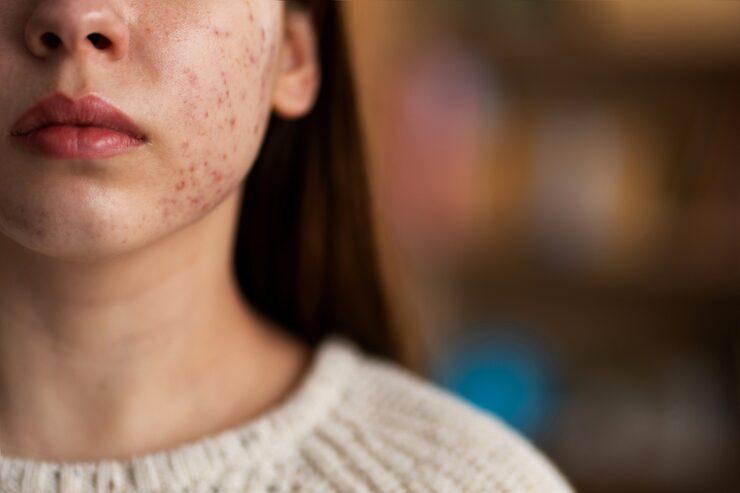
How to remove pimples — what causes acne, what works fast, and how to prevent pimples from returning. Guide from Prakash Hospital Noida.
8 Sept 2026
by Prakash Hospital

COPD क्या है, इसके शुरुआती लक्षण क्या हैं और इसका इलाज कैसे होता है? जानिए क्रॉनिक ऑब्सट्रक्टिव पल्मोनरी डिजीज के बारे में पूरी जानकारी।
11 Mar 2026
by Prakash Hospital

ब्लड क्लॉट (खून का थक्का) क्या है, क्यों बनता है, इसके लक्षण क्या हैं और यह कितना खतरनाक हो सकता है, पूरी जानकारी आसान हिंदी में।
27 Apr 2026
by Prakash Hospital

Discover effective home remedies for dry and wet cough. Know when to seek medical care and get expert respiratory treatment at Prakash Hospital.
5 Feb 2026
by Prakash Hospital

Hair fall in women — hormones, PCOD, thyroid, iron deficiency, and more. Why women lose hair and what helps. Prakash Hospital Noida.
2 Sept 2026
by Prakash Hospital

कम उम्र में बाल सफेद क्यों होते हैं? जानिए इसके कारण, पोषण की कमी, हार्मोनल समस्याएं और सही उपचार। समय पर Prakash Hospital से संपर्क करें।
27 Feb 2026
by Prakash Hospital

Which foods cause or worsen hair fall — sugar, crash diets, raw eggs, and more. Diet tips for healthier hair. Prakash Hospital Noida.
3 Sept 2026
by Prakash Hospital
Answers to common questions about Laser Hair Removal at Prakash Hospital, Noida.


Book a consultation with Prakash Hospital's specialists — 24/7 emergency care, 100+ doctors, NABH accredited.
View All Departments