


Gallstones Causes, Symptoms and Treatment
Know the causes, symptoms, and treatment options for gallstones and get advanced diagnosis and safe treatment at Prakash Hospital.
30 Jan 2026
by Prakash Hospital
Keyhole removal of a gallbladder with stones, to stop the attacks of pain after meals and the risk of jaundice, infection or pancreatitis.

The pattern is often the same. A heavy or oily meal, a wedding dinner or a plate of pakoras, and an hour or two later a gripping pain under the right ribs that spreads to the back or right shoulder. It may last a few hours, sometimes with vomiting, and then settle until the next time. Many people are treated for acidity for months before an ultrasound shows gallstones.
The gallbladder is a small pouch under the liver that stores bile, the digestive juice that helps break down fat. Stones form when bile becomes too concentrated. In a laparoscopic cholecystectomy, the surgeon removes the whole gallbladder with its stones through four small cuts. The duct and artery connected to it are clearly identified, closed with clips and divided, and the gallbladder is peeled off the liver and taken out in a bag.
For most people the attacks stop for good. Bile now flows straight from the liver into the gut, and most people eat normally again within a few weeks. A minority notice looser stools after fatty food, which usually settles with time.
Our general surgery team performs laparoscopic cholecystectomy regularly, using HD laparoscopic systems. Every patient has blood tests, an ECG and a chest X-ray before surgery. If a stone has slipped into the bile duct, our gastroenterologists can clear it by ERCP before or after the operation.
Gallstones found by chance on an ultrasound, with no symptoms, usually don't need surgery. The operation is advised once stones start causing trouble, because after the first attack, further attacks and complications become more likely.
If you're admitted with an inflamed gallbladder, current practice favours removing it during the same admission, ideally within the first few days. If you arrive late or are too unwell, antibiotics settle the infection first and surgery is planned about 6 weeks later.
Jaundice, dark urine or raised liver enzymes suggest a stone in the bile duct. An MRCP (a special MRI scan of the bile ducts) confirms it, and the stone is usually removed by ERCP, an endoscopy passed through the mouth, before the gallbladder comes out.
Around 1 in 20 planned keyhole operations is converted to an open cut under the right ribs, more often when the gallbladder is badly inflamed, scarred from earlier attacks, or the anatomy isn't clear. Surgeons convert when an open view is the safer way to protect the bile duct.
Under general anaesthesia, the surgeon makes a small cut at the navel and fills your abdomen with carbon dioxide to create space.
A camera goes in at the navel, and three more cuts of 5 to 10 mm, below the ribs, take the instruments.
The surgeon clears the fat around the neck of the gallbladder until the cystic duct and cystic artery can be seen clearly. This careful step, called the critical view of safety, protects the main bile duct.
The duct and artery are sealed with clips and divided, and the gallbladder is freed from the liver with an electric instrument that seals small vessels. It's removed in a bag through the navel or upper cut.
The area is checked for bleeding or bile leak, a drain is occasionally left, and the cuts are closed with dissolvable stitches. The gallbladder is sent for examination under a microscope. Most gallbladder removals take between 45 and 90 minutes.
Recovery after keyhole gallbladder surgery is usually quick. Tiredness tends to linger longest, especially if you'd had weeks of attacks or an infection before the operation.
You walk the same evening, start with fluids, and move on to light food such as dal, rice and curd once you're not nauseous. Many people are discharged that evening, the rest the following morning.
Expect some soreness at the cuts and a bloated feeling. Take regular painkillers, walk several times a day, and eat small meals that are low in oil. Showering is fine after 48 hours.
Most people are back at desk jobs within 1 to 2 weeks. The surgeon reviews your wounds and the lab report on the gallbladder. Heavy lifting waits until about 4 weeks.
Build back to your usual diet, including ghee and fried food in moderation. If loose stools carry on, tell your doctor. A small change in diet or a medicine usually helps.
Call us on +91-8826000033 or come straight to our 24/7 emergency department.
Stones that have never caused symptoms are usually just watched, and you seek help if attacks start. After even one proper attack, though, putting off surgery carries a real chance of complications.
Ursodeoxycholic acid tablets can slowly dissolve small cholesterol stones in a working gallbladder. They take many months, work in only a minority, and stones often return once you stop, so they're rarely the main treatment.
For people too frail for surgery, a thin tube placed through the skin into the gallbladder (cholecystostomy) can drain an infection. It buys time but leaves the stones in place.
Talk to our General & Laparoscopic Surgery team
Ask about your options, the cost and your insurance before you decide. See the insurance and TPA panels we work with.
This page explains Laparoscopic Cholecystectomy (Gallbladder Removal) in general terms. Your own plan depends on your health, your test results and your doctor's advice. Please read our medical disclaimer.
Laparoscopic Cholecystectomy (Gallbladder Removal) is led by our General & Laparoscopic Surgery team, with other departments stepping in at each stage of your care.
At Prakash Hospital, our General Surgery Department delivers expert surgical care for a wide range of conditions, combining advanced techniques with personalized treatment plans to ensure safe, effective, and faster recovery for our patients.
What the department treats
Laparoscopic Surgery
Hernia Repair
Gallbladder Surgery
Appendectomy
Thyroid Surgery
Wound Management
Removes bile duct stones by ERCP and checks whether your pain might come from the stomach instead.
Does your ultrasound, liver function tests and MRCP, and examines the gallbladder after surgery.
Gets diabetes, blood pressure and thyroid levels under control before your operation.
Procedures often considered alongside Laparoscopic Cholecystectomy (Gallbladder Removal), or that treat related conditions.
Endoscopic treatment through the mouth that removes bile duct stones and opens blockages causing jaundice.
A camera test of the food pipe, stomach and duodenum for acidity, ulcers, bleeding and swallowing problems.
Removes an inflamed appendix through three small cuts, usually with one or two nights in hospital.
Pushes the bulge back and reinforces the weak abdominal wall with mesh, by keyhole or open surgery.
Other procedures our General & Laparoscopic Surgery team performs.
Removes large or prolapsing piles that haven't settled with diet, medicines or banding.
Removes part or all of the thyroid for a goitre, a suspicious nodule or an overactive gland.
Removes a breast lump after tests, usually as day care, and sends it to the lab to confirm what it is.
Treats wounds that won't heal, from diabetic foot ulcers to bedsores, with debridement, dressings and pressure relief.
We offer expert care across key specialties, including Medicine, Cardiology, Orthopaedics, ENT, Gynaecology, and more—delivering trusted treatment under one roof.
Free tools to check your weight, plan a pregnancy, track calories and more.
Know the causes, symptoms, and treatment options for gallstones and get advanced diagnosis and safe treatment at Prakash Hospital.
30 Jan 2026
by Prakash Hospital
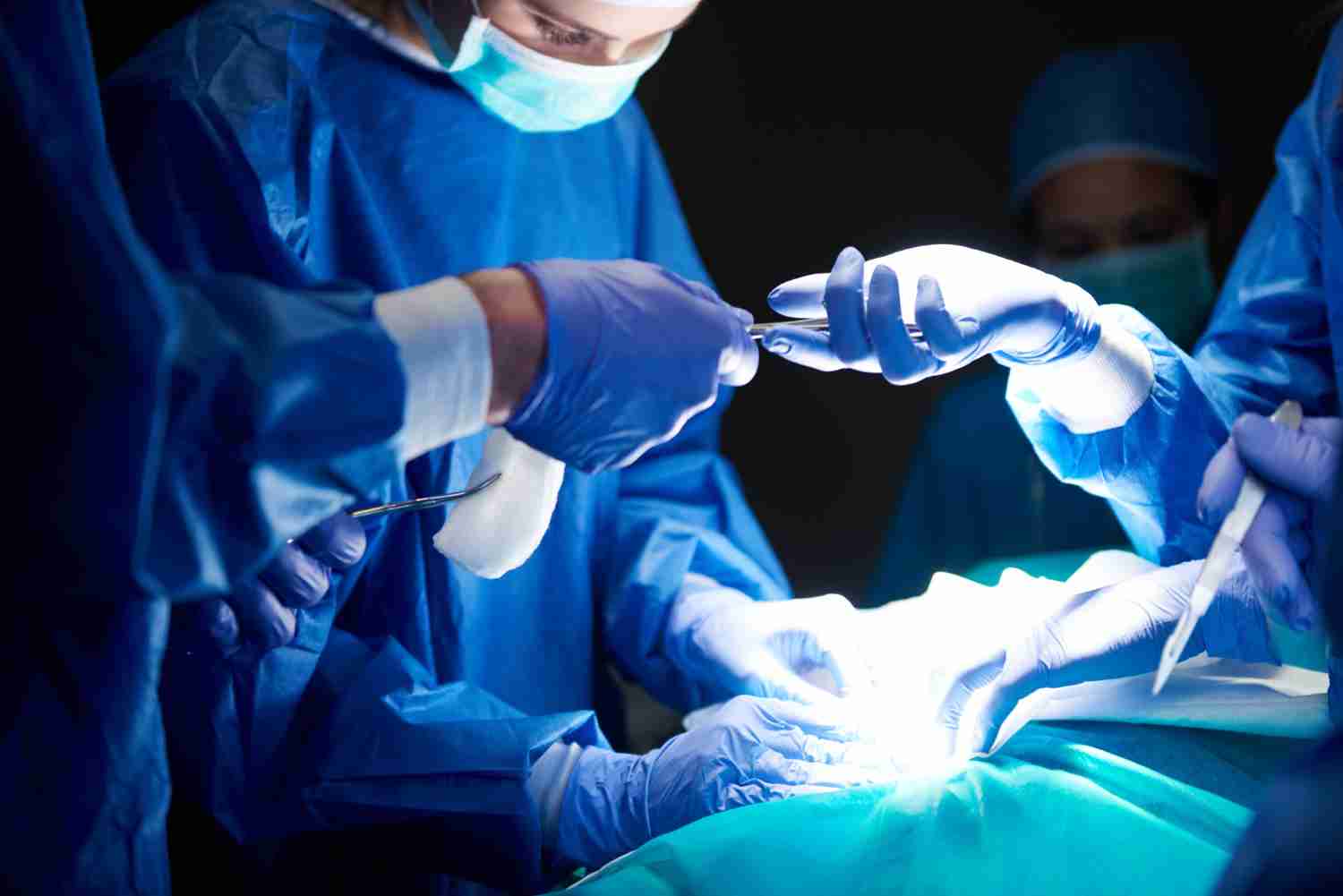
Learn about gallbladder wall thickening, its causes, warning signs of cancer, and treatment options. Early evaluation can improve outcomes.
25 May 2025
by Prakash Hospital

Omega-3 fatty acid benefits for heart, brain, joints and skin, plus the best Indian sources: hilsa, sardines, flaxseed and walnuts. Prakash Hospital Noida.
2 Oct 2026
by Prakash Hospital
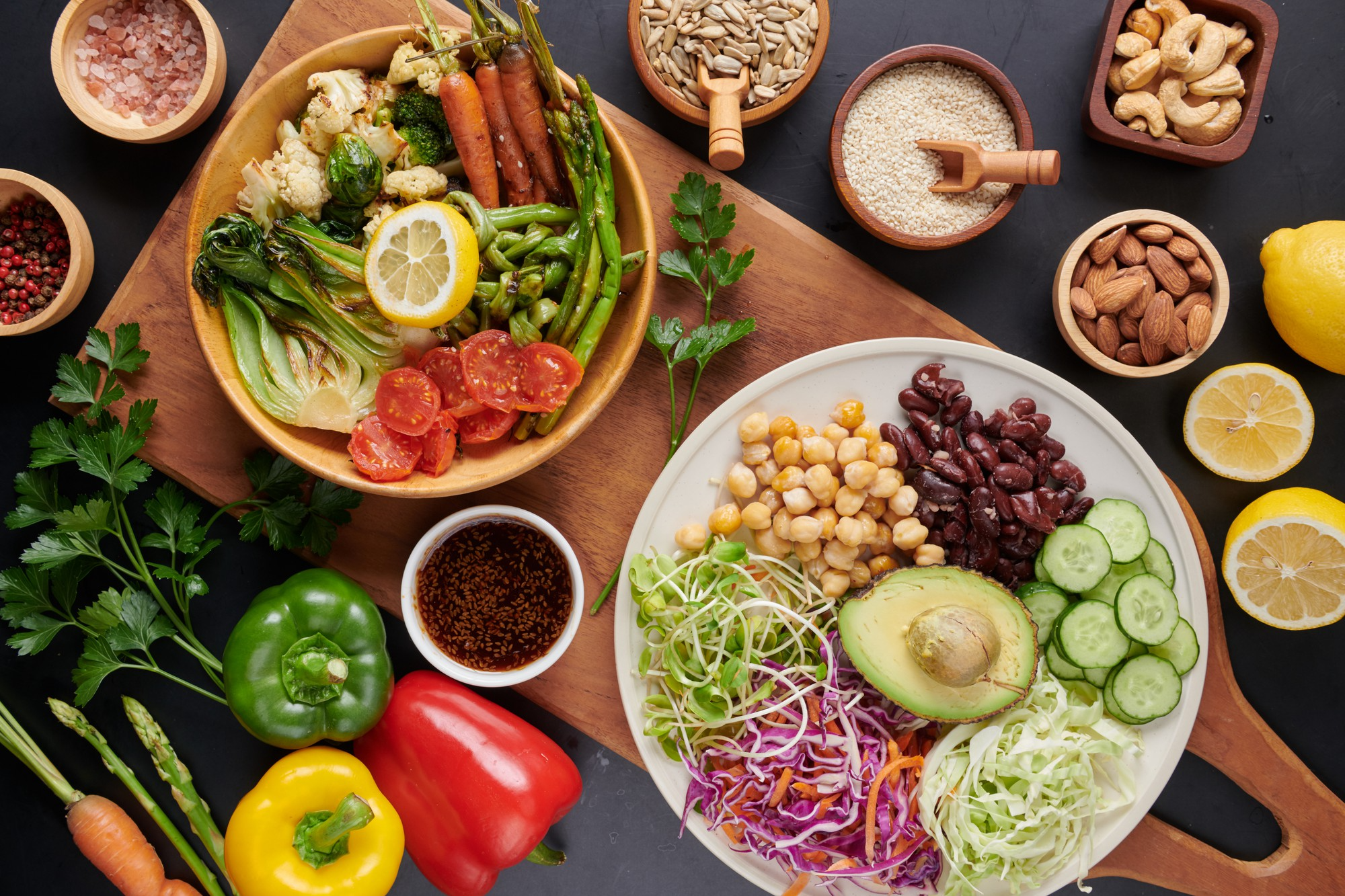
The best immunity boosting foods for Indians — from amla and turmeric to dal and garlic. Science-backed guide from Prakash Hospital Noida.
18 Aug 2026
by Prakash Hospital

Discover high protein foods for vegetarians, daily protein needs, benefits of protein, meal planning tips, and how to prevent protein deficiency.
9 Feb 2026
by Prakash Hospital
Answers to common questions about Laparoscopic Cholecystectomy (Gallbladder Removal) at Prakash Hospital, Noida.


Book a consultation with Prakash Hospital's specialists — 24/7 emergency care, 100+ doctors, NABH accredited.
View All Departments