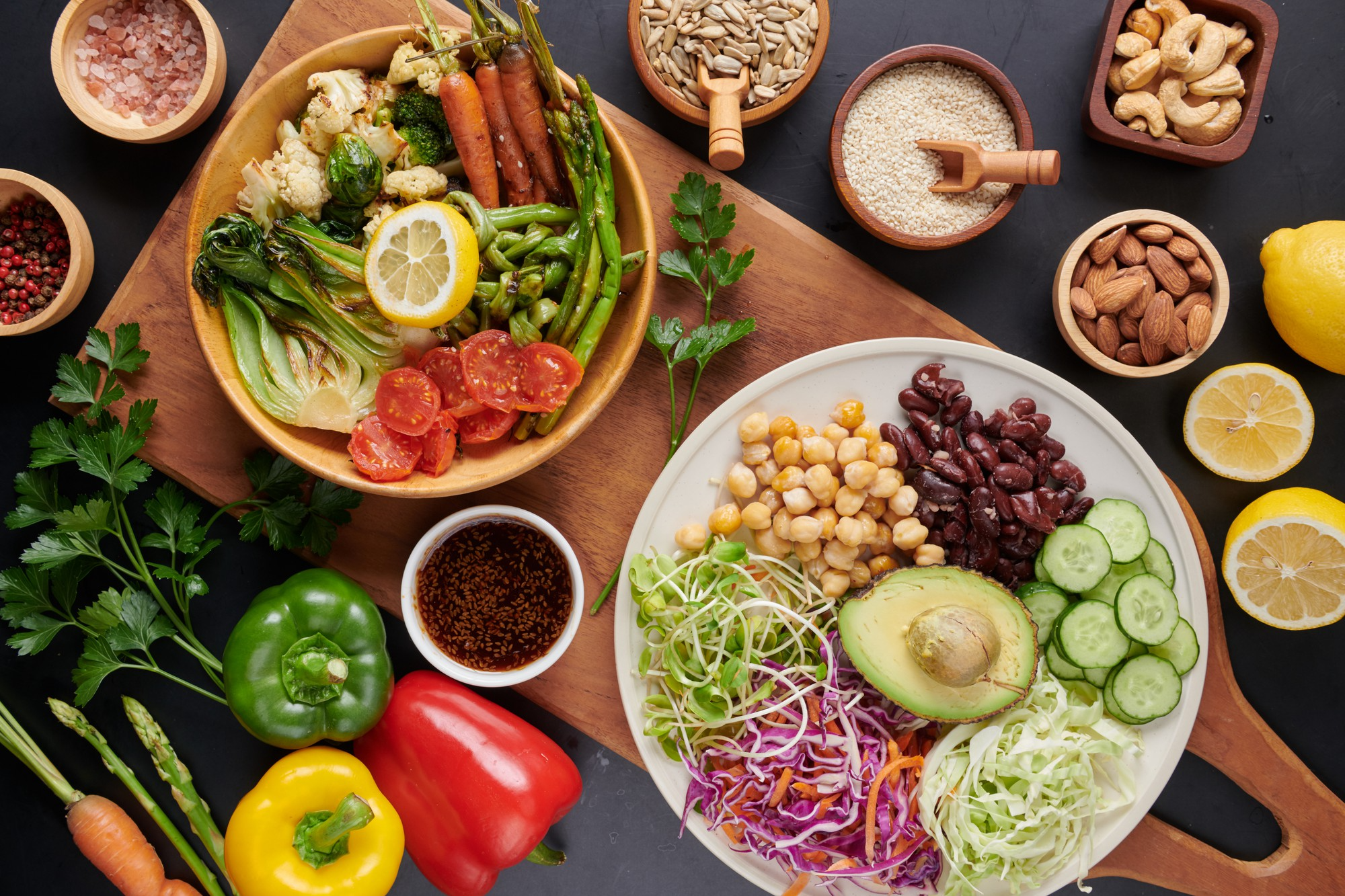
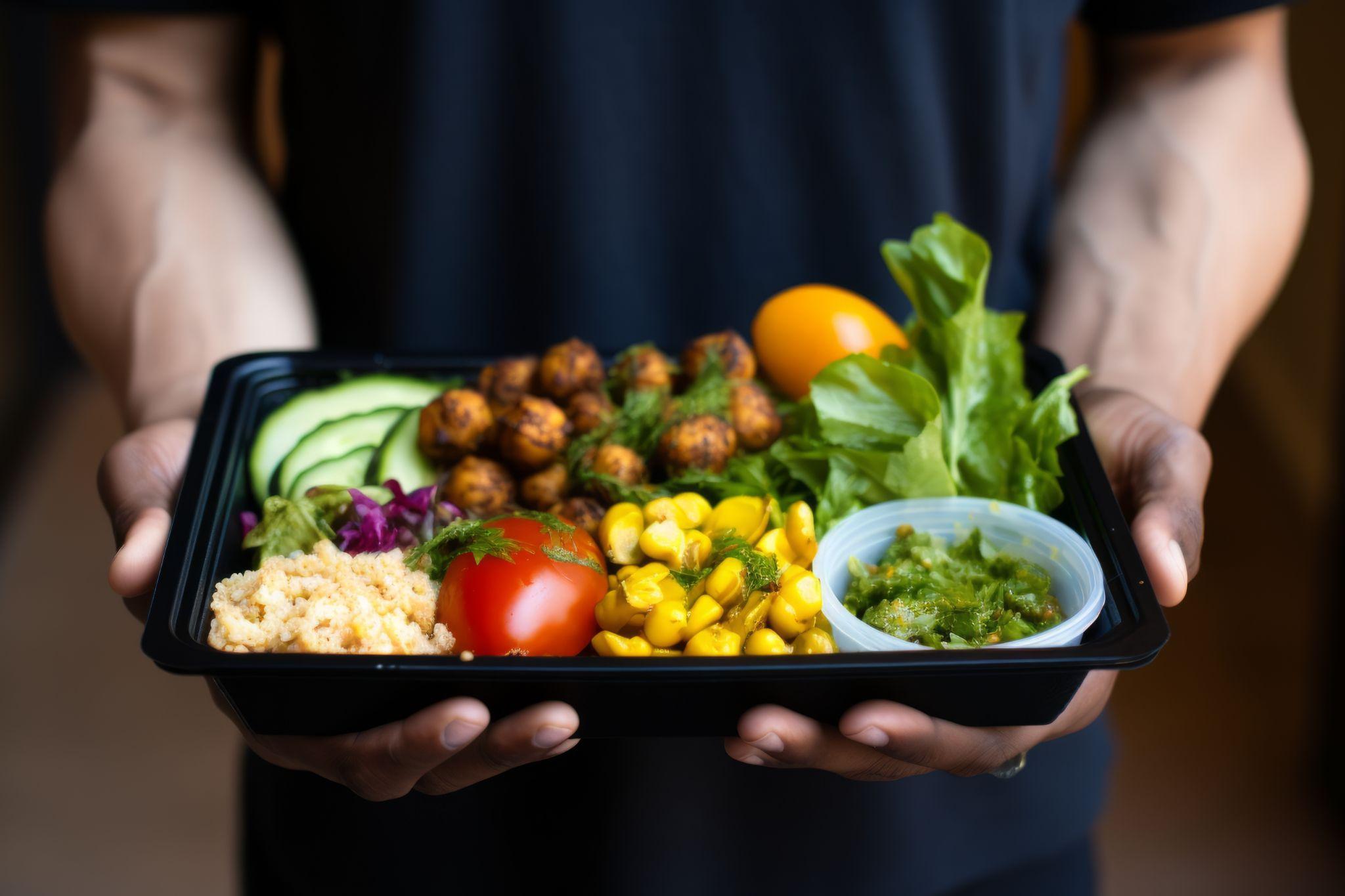
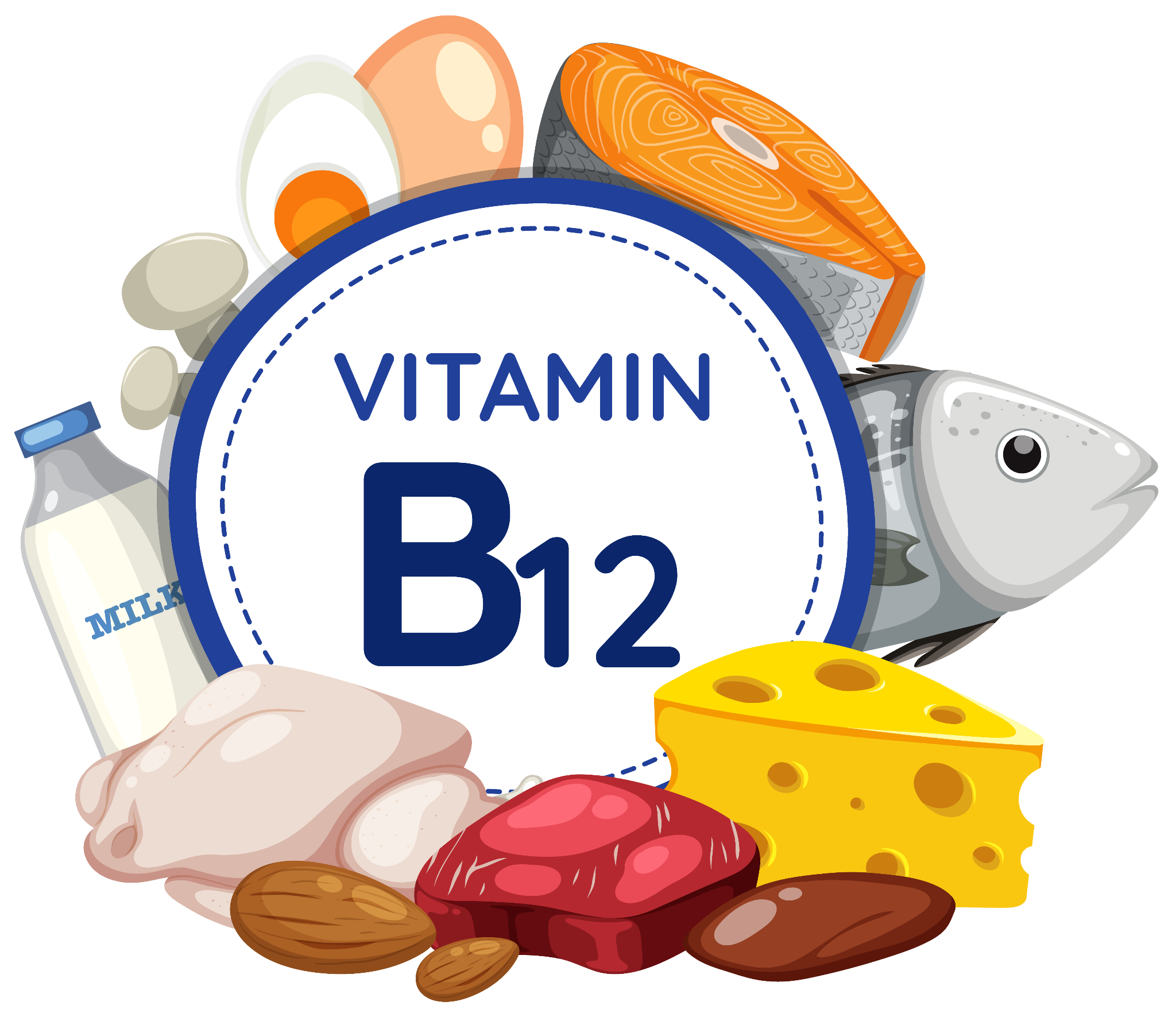
A colourful assortment of healthy foods ideal for immunity, including fresh fruits, vegetables, whole grains, dairy and protein-rich options.
The conversation around immunity in India got louder after 2020 — and with it came a flood of powders, supplements, and "immunity shots" marketed at prices that assumed everyone had forgotten that amla has existed in Indian kitchens for centuries. The truth is that the foods with the strongest immunity-supporting evidence are largely the ones most Indian households already use. They just need to be used more consistently and in the right combinations.
The immune system is not a single organ you can switch to "high" with a drink. It's a complex network of cells, proteins, and processes that requires consistent nutritional support across multiple vitamins, minerals, and antioxidants. No single food does it all — but the right eating pattern, built around whole, nutrient-dense Indian foods, provides the foundation the immune system needs.
What the Immune System Actually Needs
Before listing foods, it helps to understand what nutrients the immune system depends on:
Vitamin C — supports the production and function of white blood cells (neutrophils and lymphocytes), acts as an antioxidant protecting immune cells, and supports the skin barrier as a first line of defence.
Vitamin D — regulates immune responses. Vitamin D receptors are present on virtually every immune cell. Deficiency is associated with higher rates of respiratory infections, autoimmune conditions, and impaired immune response. Extremely common in India despite abundant sunshine, because of indoor work, clothing coverage, and dark skin requiring more sun exposure for equivalent synthesis.
Zinc — required for the development and function of immune cells. Even mild zinc deficiency impairs immunity significantly. Common in Indians who consume primarily plant-based protein.
Iron — immune cells require iron for their proliferation and function. Iron deficiency (very common in Indian women especially) impairs immunity.
Vitamin A — essential for the health of mucosal barriers (gut lining, respiratory lining) — the surfaces where most infections first arrive.
Omega-3 fatty acids — reduce chronic inflammation, which when excessive, impairs immune function.
Probiotics and prebiotics — roughly 70% of immune tissue is in and around the gut. Gut microbiome health directly affects systemic immunity.
Antioxidants (polyphenols, carotenoids, flavonoids) — protect immune cells from oxidative damage during the inflammatory process.
The Best Immunity Boosting Foods in the Indian Kitchen
1. Amla (Indian Gooseberry) — the highest priority
Amla has one of the highest vitamin C concentrations of any food on earth — roughly 600–700 mg per 100g (compared to around 50 mg per 100g in oranges). The vitamin C in amla is also more stable than in most other fruits because of its tannin content, which protects it from heat degradation.
Beyond vitamin C, amla contains polyphenols, gallic acid, and emblicanin A and B — powerful antioxidants unique to amla. Studies have shown amla supplementation improves neutrophil function, reduces markers of oxidative stress, and supports both innate and adaptive immunity.
How to use: one to two fresh amla daily when in season (December to March). Amla powder in warm water year-round. Small amounts of amla pickle. Amla candy in moderation (watch the sugar content).
2. Turmeric with Black Pepper
Curcumin — the active compound in turmeric — is one of the most studied anti-inflammatory and immune-modulating compounds in natural medicine. It modulates NF-κB (a key regulator of immune and inflammatory responses), enhances antibody responses, and supports the activity of Natural Killer cells.
The critical point: curcumin alone has very poor bioavailability. Black pepper (piperine) increases curcumin absorption by approximately 2,000%. This is why the traditional Indian pairing of haldi and kali mirch in cooking is metabolically smart, not coincidental.
How to use: cook with turmeric and black pepper in every dal and sabzi. A glass of warm turmeric milk (haldi doodh) before bed. Don't take isolated curcumin supplements without piperine.
3. Garlic
Allicin — the compound formed when garlic is crushed or chopped — stimulates the proliferation of lymphocytes, enhances Natural Killer cell activity, and has well-documented antimicrobial and antiviral properties. Clinical trials show that garlic supplementation reduces the frequency of common colds and the duration of respiratory infections.
The key: allicin is activated by crushing or mincing and then reduced by immediate high heat. Crush garlic and allow it to rest for 10 minutes before adding to food — this allows the enzymatic conversion of alliin to allicin. Some allicin survives moderate cooking.
How to use: generous garlic in everyday cooking. Crush before use and rest before adding to the pan. Some people consume raw garlic — the most effective but socially challenging approach.
4. Ginger
Gingerol and shogaol in ginger have potent anti-inflammatory effects and inhibit the replication of several respiratory viruses. Ginger also supports the gut — where a large proportion of immune tissue resides — by promoting healthy gut motility and reducing intestinal inflammation.
How to use: ginger in chai, in dal tadka, in chutneys, grated into sabzi. Warm ginger water (thin slices of fresh ginger in hot water with lemon and honey) is a genuinely effective first-line support for early cold and throat irritation.
5. All Dal and Pulses — for zinc and plant protein
Dal is among the most immunity-relevant foods in the Indian diet. The zinc content of dal — moong, masoor, chana, rajma — directly supports immune cell development. The plant protein provides the amino acids needed to build antibodies and immune proteins. The fibre feeds beneficial gut bacteria.
Zinc from plant sources has lower bioavailability than from animal sources — soaking and sprouting dal before cooking improves zinc absorption significantly by reducing phytates that inhibit mineral absorption.
How to use: dal at every meal, generously. Sprouted moong added to salads. Soak dal for several hours before cooking when possible.
6. Leafy Greens — palak, methi, sarson
Dark leafy greens are rich in vitamins A, C, E, folate, and iron — all essential for immune function. Vitamin A specifically supports the integrity of mucosal barriers (the respiratory and gut linings where infections arrive).
Methi (fenugreek) additionally has compounds that stimulate macrophage activity. Palak (spinach) is rich in folate, iron, and vitamin C. Sarson (mustard greens) is high in vitamins A, C, and K.
How to use: include at least one serving of dark leafy greens daily — in sabzi, as palak dal, in parathas (methi paratha provides both nutritional benefit and flavour).
7. Citrus Fruits and Guava
Most people know that citrus provides vitamin C. What's less widely known is that guava has significantly more vitamin C than most citrus fruits — a single guava provides 200–400 mg, compared to 50–70 mg in an orange. Guava is also cheaper, more local, and available most of the year.
Vitamin C doesn't prevent infections but shortens their duration and severity and directly supports immune cell function.
How to use: one guava daily. Seasonal citrus (mosambi, amla, orange). Avoid juice — eat the whole fruit for fibre and slower absorption.
8. Curd and Fermented Foods
Curd is a probiotic food — it contains live bacteria (Lactobacillus species primarily) that support the gut microbiome. A diverse, healthy gut microbiome is directly connected to immune regulation — the gut's immune cells (GALT — gut-associated lymphoid tissue) represent roughly 70% of the body's total immune tissue.
Regular curd consumption improves immune responses, reduces the duration of gastrointestinal infections, and is associated with lower rates of respiratory infections in several studies.
Fermented Indian foods — kanji (fermented carrot and mustard drink), fermented rice, idli and dosa batter (if fermented overnight), homemade achaar — all provide beneficial bacteria.
How to use: plain curd at lunch and dinner daily. Plain chaas (buttermilk). Traditional kanji in winter. Idli and dosa from properly fermented batter.
9. Walnuts and Flaxseeds — omega-3 for immune regulation
Omega-3 fatty acids reduce chronic systemic inflammation that, when excessive, impairs immune function. The plant-based omega-3 (ALA) in walnuts and flaxseeds is converted (partially) to the active EPA and DHA forms.
Walnuts also contain melatonin, polyphenols, and vitamin E — antioxidants that protect immune cells from oxidative damage.
How to use: a small daily handful of walnuts (6–7 whole walnuts). A tablespoon of ground flaxseed stirred into curd or oats. Both are affordable and practical.
10. Eggs — for vitamin D, zinc and protein
Eggs are one of the few significant food sources of vitamin D (in the yolk). They're also a complete protein and contain zinc. People who are vitamin D deficient — which is extremely common in India — have impaired immune responses to infections.
How to use: one to two eggs daily. Don't discard the yolk — the vitamin D and most of the micronutrients are in the yolk.
11. Fatty Fish — for vitamin D and omega-3
Fatty fish (rohu, pomfret, sardines, hilsa, mackerel) provide vitamin D, omega-3 fatty acids (EPA and DHA in forms the body uses directly), zinc, and selenium — a comprehensive immune-support package.
How to use: fatty fish two to three times per week. Grilled, baked, or in curry — the omega-3 and vitamin D are retained regardless of cooking method.
12. Mushrooms
Mushrooms exposed to sunlight (placed gill-side up in the sun for 15–30 minutes before cooking) are one of the few plant-based sources of vitamin D2. Additionally, mushrooms contain beta-glucans — polysaccharides that stimulate macrophage and Natural Killer cell activity.
How to use: mushroom sabzi, mushroom in pulao, added to soups. Sun-expose before cooking when vitamin D support is the goal.
13. Seeds — pumpkin, sesame, sunflower
Pumpkin seeds are among the richest plant sources of zinc. Sesame seeds (til) provide zinc, iron, calcium, and selenium. Sunflower seeds provide vitamin E and selenium — both important antioxidants for immune cell protection.
How to use: a tablespoon of mixed seeds stirred into curd, sprinkled on salads, or as part of a trail mix snack.
Lifestyle Factors That Support or Undermine Immunity
Food alone doesn't build immunity. Several lifestyle factors matter as much or more:
Sleep: during sleep, the immune system consolidates its memory of pathogens (immunological memory) and produces cytokines essential for immune function. Chronic sleep deprivation reduces Natural Killer cell activity by up to 70%. Seven to eight hours is the minimum for immune function.
Exercise: moderate regular exercise improves immune surveillance — immune cells circulate more effectively and respond more efficiently. Overtraining (extreme endurance exercise without adequate recovery) temporarily suppresses immunity. The sweet spot: 30 minutes of moderate aerobic activity most days.
Stress management: cortisol suppresses immune function directly. Chronic psychological stress is one of the most well-documented causes of impaired immunity. Yoga, breathing, adequate rest, and reducing genuine stressors where possible all support immune function through the cortisol-reduction pathway.
Smoking and alcohol: both significantly impair immune function. Smoking damages mucosal barriers and impairs macrophage function. Alcohol disrupts gut microbiome and reduces immune cell proliferation.
Sunlight (for vitamin D): 15–30 minutes of direct sunlight on arms and legs daily (not through glass) supports vitamin D synthesis. This is less reliable in North India in winter when the UV index is low. Supplementation may be needed.
What Doesn't Work (Despite the Marketing)
Commercial "immunity shots" and packaged supplements: most are expensive versions of vitamin C, zinc, and a few herbs in doses that are marginally effective when the same nutrition can come from real food.
Megadose vitamin C: the body excretes vitamin C above about 200 mg in urine. Taking 1,000 mg supplements provides minimal additional benefit over eating an amla or a guava. It also produces kidney stones with chronic megadosing.
Boiling amla or lemon in hot water destroys vitamin C: heat destroys vitamin C rapidly. Add lemon to warm (not boiling) water. Amla pickle (low-heat preparation) retains more than amla boiled in kadha.
A single "kadha" or drink: kadha made with ginger, tulsi, and pepper is genuinely beneficial — these ingredients have real immune-supportive compounds. But sipping one kadha while otherwise eating poor-quality food, sleeping badly, and being chronically stressed produces minimal benefit. The kadha is a supplement to a good overall lifestyle, not a substitute.
A Daily Immunity-Supporting Routine
Morning:
Warm water with amla powder or fresh amla juice
6–7 soaked walnuts, a few almonds
Breakfast:
Eggs (vitamin D, zinc, protein) with whole wheat roti, or
Sprouted moong salad, or
Curd with flaxseed and fruit
Lunch:
Generous dal (zinc, protein, fibre)
Palak or methi sabzi (vitamins A, C, iron)
Curd (probiotics)
Salad with lemon (vitamin C)
Evening:
Green tea with ginger
A small handful of pumpkin or sunflower seeds
Dinner:
Fatty fish or dal
Leafy greens sabzi
Garlic in the cooking
Before bed:
Haldi doodh (turmeric milk with black pepper)
Care at Prakash Hospital Noida
At Prakash Hospital Noida, our physicians assess nutritional status including vitamin D, B12, iron, and zinc levels — deficiencies that directly impair immunity and are common in Indians. Comprehensive health screening and dietary guidance are available.
Whether you live in Sector 18, Sector 62, Greater Noida West, or anywhere in the NCR, Prakash Hospital Noida is a trusted name for preventive health, nutrition assessment, and general wellness in Noida.
To book a consultation, call the number on the website
We offer expert care across key specialties, including Medicine, Cardiology, Orthopaedics, ENT, Gynaecology, and more—delivering trusted treatment under one roof.
Monsoon brings dengue, malaria, viral fever, and gut infections. Here's how to strengthen your immunity before and during the season. Prakash Hospital Noida.
Learn why processed foods increase disease risk including heart disease, diabetes and obesity. Discover healthier choices and expert nutrition care in Noida.
Best protein rich foods in India — vegetarian and non-vegetarian sources, daily requirements, and how to eat enough protein on an Indian diet. Prakash Hospital Noida.