


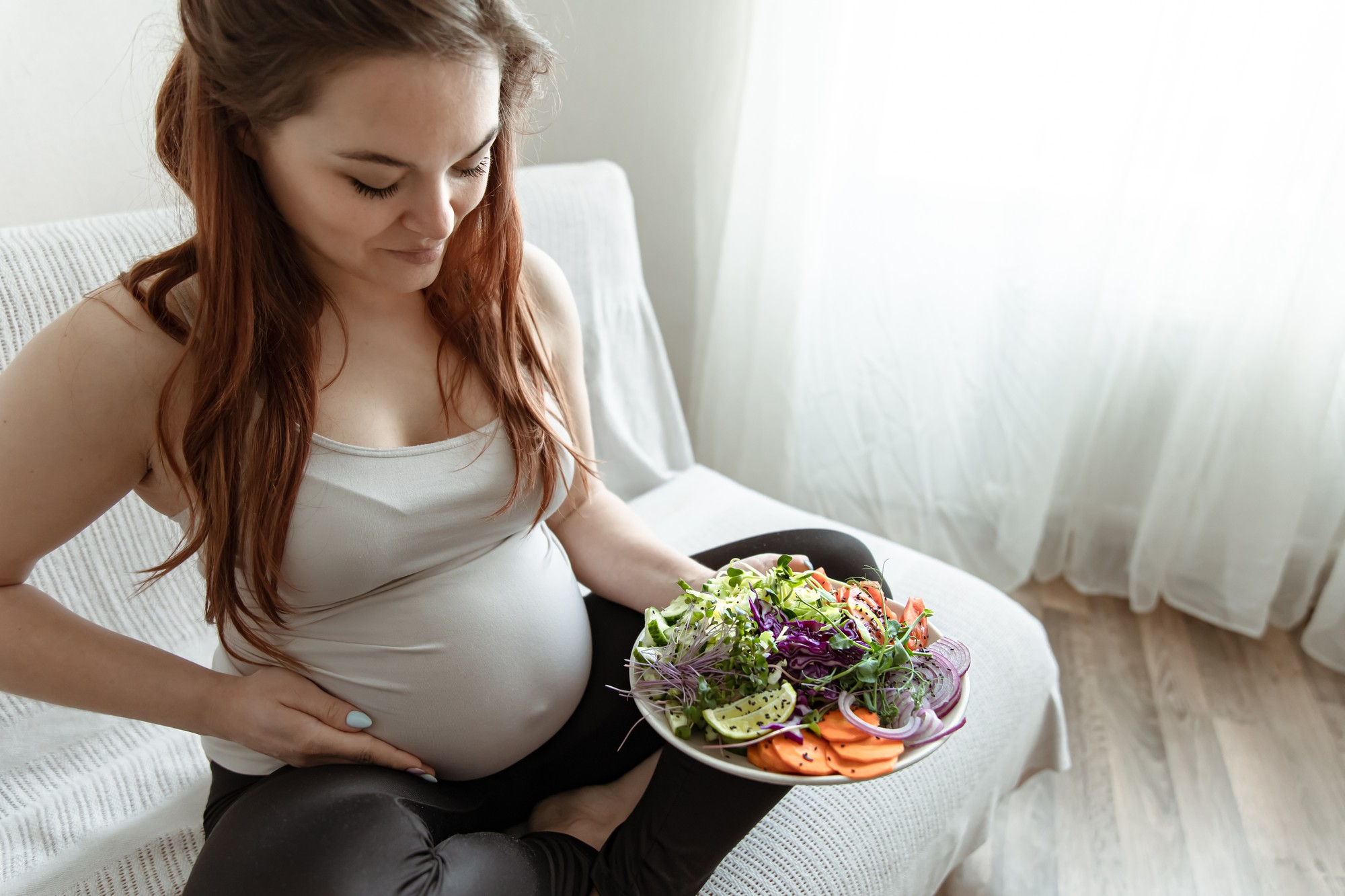
Nutrition During Pregnancy: Best Foods to Eat & Avoid for a Healthy Baby
Learn what to eat and avoid during pregnancy with expert-approved nutrition tips for a healthy mother and baby.
25 Nov 2025
by Prakash Hospital
by By Prakash Hospital

For Asian Indians, a waist above 90 cm in men or 80 cm in women signals raised risk, even with a normal BMI.
Yes, you can estimate body fat percentage from BMI. The Deurenberg formula does it: body fat % = (1.20 × BMI) + (0.23 × age) − (10.8 × sex) − 5.4, where sex is 1 for men and 0 for women. It takes ten seconds and needs only your height, weight and age.
The catch is that it's a population average, and you're not one. It can't see your muscle, your waist or where your fat sits, and in South Asians it tends to give numbers that are too reassuring. This guide shows how to use the formula, what it gets wrong, and what to do instead.
BMI is weight in kilograms divided by height in metres squared. A person who weighs 78 kg and is 1.72 m tall has a BMI of 78 ÷ (1.72 × 1.72) = 78 ÷ 2.9584 = 26.4.
It was designed in the 19th century to describe populations, not to diagnose individuals. It has no idea whether your weight is muscle, bone, water or fat. A bodybuilder and a person with a fatty liver can have identical BMIs.
The usual international categories are underweight below 18.5, normal 18.5 to 24.9, overweight 25 to 29.9 and obese 30 and above. For Asian Indians, the proposed categories are lower: overweight from 23, obese from 25 (Misra and Shrivastava, Nutrients, 2013).
Deurenberg and colleagues compared BMI with measured body fat in a large group of adults and fitted this equation:
Body fat % = (1.20 × BMI) + (0.23 × age) − (10.8 × sex) − 5.4
with sex = 1 for males and 0 for females.
You'll see variants for children and older adults. The adult version above is the common one.
Rohit is 30, weighs 78 kg and is 172 cm tall.
If Rohit measured himself with the Navy tape method (height 172, neck 38, waist 94), he'd get about 23.9 percent. Not far apart, which is why the BMI method seems to "work".
Seema is 35, weighs 62 kg and is 158 cm tall.
On the standard chart, 32.5 percent is in the obese range for a woman. Yet her BMI of 24.8 would be called "normal" on the international scale and "overweight" on the Indian one. This is the kind of mismatch that makes the formula worth knowing.
Vikram is 25, weighs 68 kg and is 175 cm tall.
Looks fine. But the formula knows nothing about Vikram's waist. If he sits ten hours a day and carries his fat in his belly, his real body fat could be much higher.
A man who lifts weights and weighs 85 kg at 175 cm has a BMI of 27.8 and the formula says he's around 26 percent fat. In reality he might be at 14 percent. The formula treats his muscle as fat.
Two people can have the same BMI and age, so the same formula result, while one carries fat under the skin of the hips and thighs and the other carries it in the abdomen. The second pattern is the one that causes diabetes and heart disease.
The original data came largely from Dutch and other European adults. In South Asians, the relationship between BMI and body fat is different. The Misra review reports Singapore data in which, at the same body fat percentage, Indians, Chinese and Malays had a BMI about 3 points lower than white participants. In other words, at BMI 22, an Indian can carry as much fat as a white European at BMI 25. So the formula, which assumes the European relationship, tends to underestimate body fat in Indians.
The formula adds 0.23 for every year of age. That's an average of muscle loss and fat gain across a population. It might overshoot a fit 60-year-old and undershoot a sedentary one.
Waist circumference predicts diabetes and heart disease risk better than BMI in many studies of South Asians. The formula ignores it.
Studies of BMI-based equations typically find errors of several percentage points for individuals, and larger errors at the extremes of muscularity. The formula is more reliable for groups than for you. Treat the result as a very rough ballpark, plus or minus five points or more.
In every other case, add a waist measurement.
Combine BMI with waist circumference, using the Asian Indian thresholds:
| | Waist below 90 cm (men) / 80 cm (women) | Waist above 90 cm (men) / 80 cm (women) | |---|---|---| | BMI below 23 | Low risk | Raised risk (thin-fat) | | BMI 23 to 24.9 | Low to moderate | Moderate to high | | BMI 25 and above | Moderate | High |
The top right cell is the one to watch. A BMI under 23 with a large waist is the thin-fat pattern: invisible to BMI, visible to the tape.
Here is how much the method matters. Rohit, from the example above, is 30, 78 kg and 172 cm, with a 38 cm neck and a 94 cm waist.
The two percentages are close, and a reader could stop there and feel fine. The waist tells a different story. At 94 cm, Rohit is already in the range where doctors start asking about blood sugar and liver fat, whatever his body fat percentage says. This is the situation the BMI formula hides: the number looks acceptable while the shape of the body is not.
We cover all of these in our guide to calculating body fat percentage.
If the formula suggests your body fat is high, or your BMI is above 23 and your waist is above the cut-off:
Use the Deurenberg formula: (1.20 × BMI) + (0.23 × age) − (10.8 × sex) − 5.4, with sex 1 for men and 0 for women. It's a rough estimate only.
It's a reasonable screening tool for populations and a poor measure for individuals. It misses muscle, fat distribution and ethnic differences.
The proposed Asian Indian cut-offs are 23 to 24.9 for overweight and 25 and above for obesity, compared with 25 and 30 internationally.
Yes. A normal BMI with a large waist and low muscle (the thin-fat pattern) is common in India and carries real risk of diabetes and fatty liver.
BMI counts all weight equally. Body fat percentage counts only the fat. Muscular people look worse on BMI, and low-muscle people look better.
For health risk, body fat distribution and waist size generally tell you more than BMI. BMI remains useful because it's easy and well studied.
Whether you live in Sector 18, Sector 62, Greater Noida West, or anywhere nearby, Prakash Hospital Noida is a trusted name for weight management, diabetes prevention and metabolic health in Noida. Our physicians look at BMI, waist and blood results together, so you get a realistic picture rather than a single number.
To book a consultation, call the number.
Sources: Deurenberg P, Weststrate JA, Seidell JC. Body mass index as a measure of body fatness: age- and sex-specific prediction formulas. British Journal of Nutrition, 1991. Misra A, Shrivastava U. Obesity and dyslipidemia in South Asians. Nutrients, 2013.
Tags: #BMIvsBodyFat #BMIForIndians #PrakashHospitalNoida

Removes a gallbladder with stones through four small cuts, usually with a stay of one night or less.
Replaces a knee worn out by arthritis with a metal and plastic joint to relieve pain and get you walking again.
Pushes the bulge back and reinforces the weak abdominal wall with mesh, by keyhole or open surgery.
Free tools to check your weight, plan a pregnancy, track calories and more.
We offer expert care across key specialties, including Medicine, Cardiology, Orthopaedics, ENT, Gynaecology, and more—delivering trusted treatment under one roof.
Learn what to eat and avoid during pregnancy with expert-approved nutrition tips for a healthy mother and baby.
25 Nov 2025
by Prakash Hospital
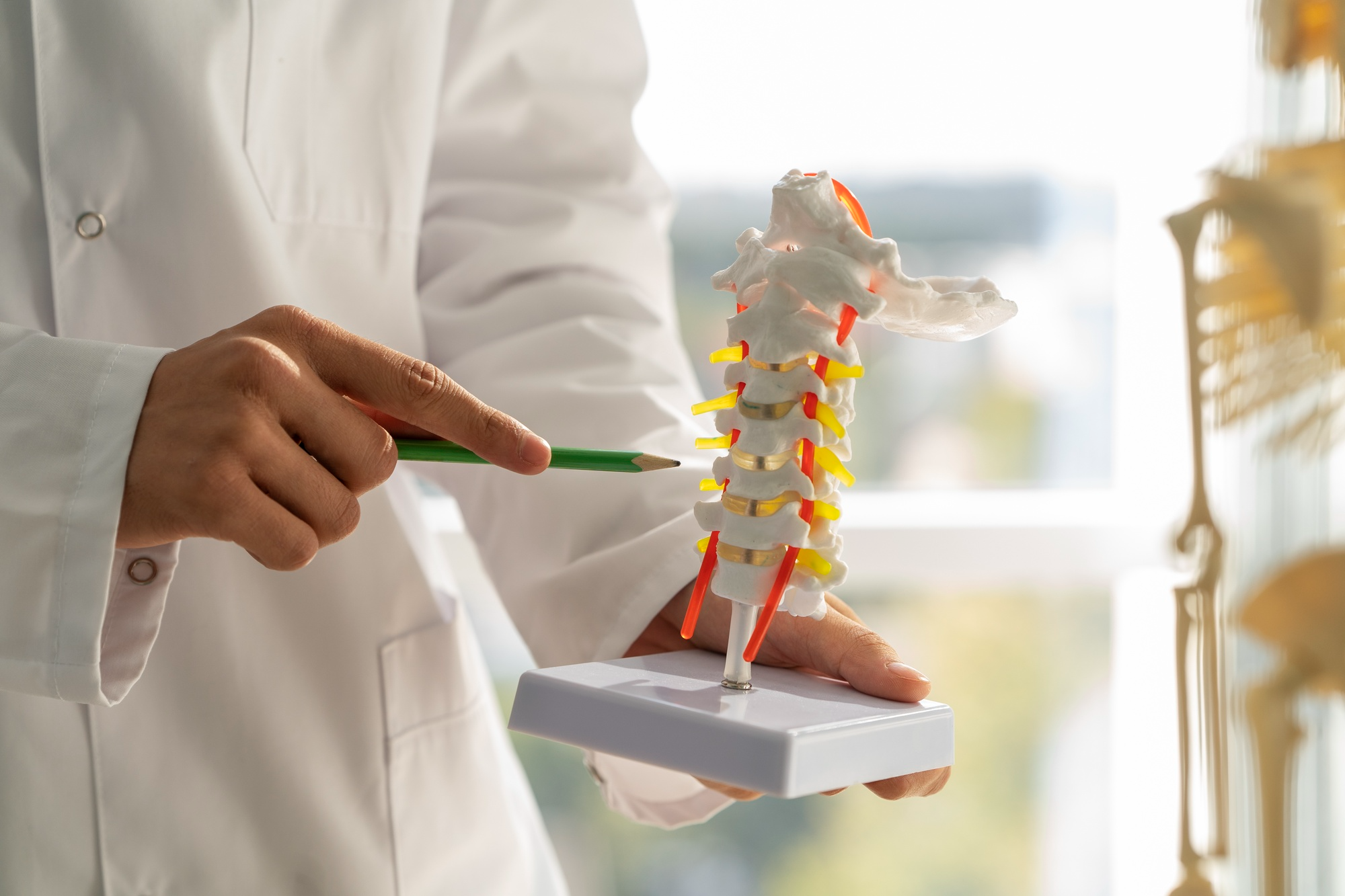
Support fracture recovery with essential nutrients like calcium, vitamin D, and protein for faster bone healing.
19 Nov 2025
by Prakash Hospital

Discover expert-backed nutrition tips for cancer patients. Learn how to manage treatment side effects, stay hydrated, and eat for strength and recovery.
27 May 2025
by Prakash Hospital

Hair growth tips that are evidence-backed — diet, scalp care, and treatments that genuinely promote hair growth. Prakash Hospital Noida.
3 Sept 2026
by Prakash Hospital

Which vitamin deficiencies cause hair fall — iron, vitamin D, B12, and zinc. How to test and fix them. Prakash Hospital Noida.
4 Sept 2026
by Prakash Hospital

Hair fall in men — male pattern baldness, causes, and what treatments actually work. Guide from Prakash Hospital Noida, Noida.
7 Sept 2026
by Prakash Hospital

Vitamin D rich vegetables and fruits — what actually contains vitamin D and what is myth. Visit Prakash Hospital Noida for nutrition guidance.
30 Jun 2026
by Prakash Hospital
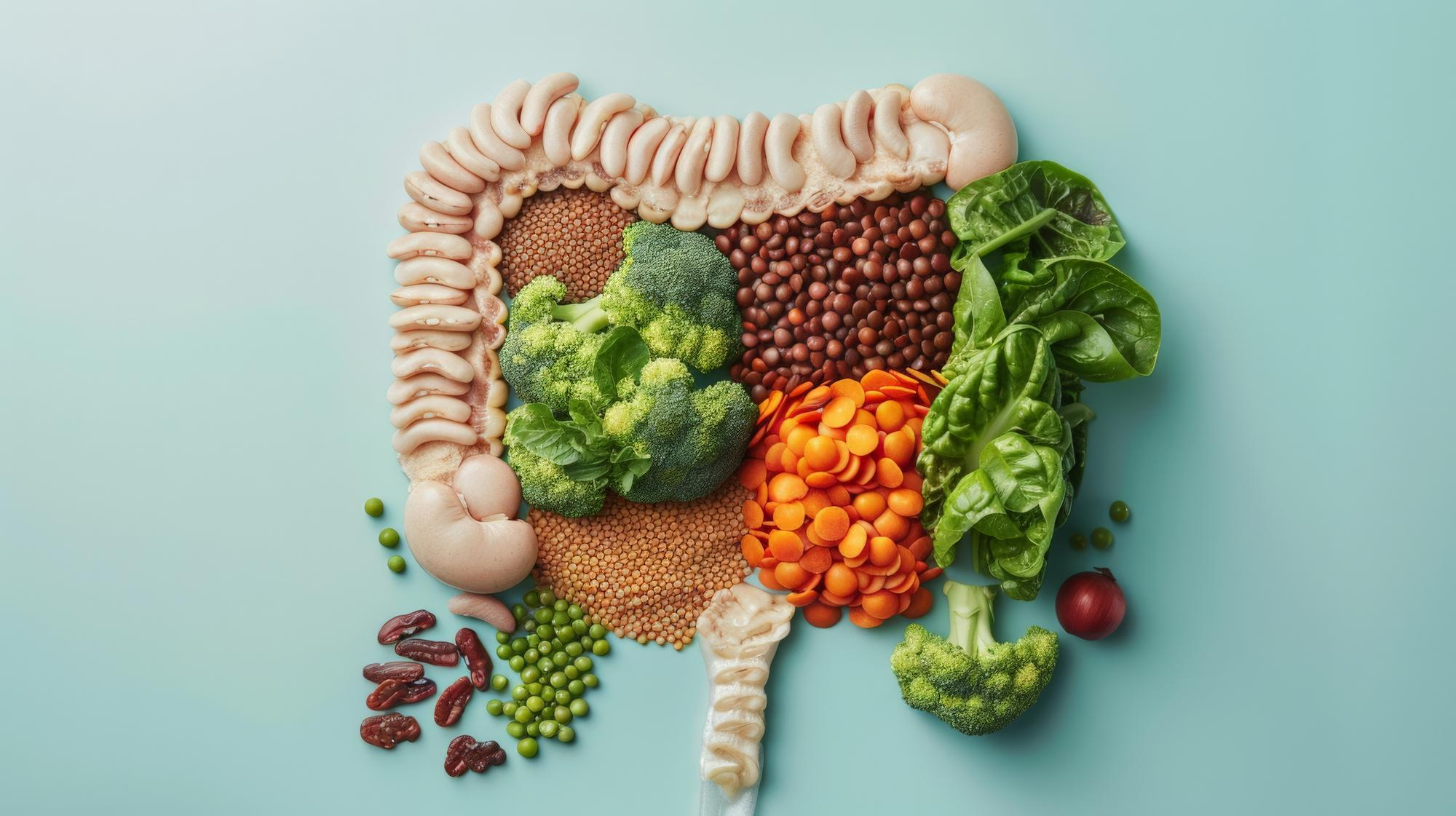
How to improve digestion naturally with Indian diet, lifestyle changes, and traditional remedies. Guide from Prakash Hospital Noida.
18 Aug 2026
by Prakash Hospital

TDEE is the calories you burn in a day. Learn to calculate BMR and TDEE with the Mifflin-St Jeor formula, Indian examples and tips for weight loss or gain.
21 Oct 2026
by Prakash Hospital


Book a consultation with Prakash Hospital's specialists — 24/7 emergency care, 100+ doctors, NABH accredited.
View All Departments