


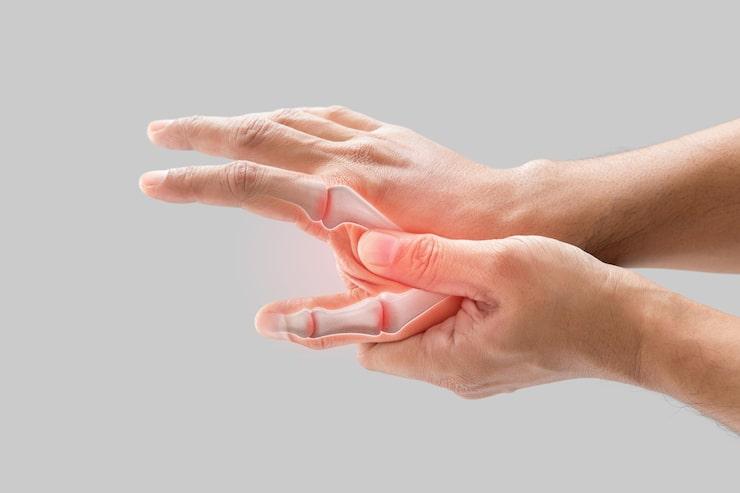
Things You Should Know About Carpal Tunnel Surgery and How to Recover.
Learn all you need to about carpal tunnel surgery with the advice of seasoned experts from Prakash Hospital.
5 Sept 2025
by Prakash Hospital
Tests that measure how well your nerves carry signals and how your muscles respond, to find the cause of numbness, tingling or weakness in your arms or legs.

It starts with tingling in your fingers at night, and then you start dropping cups. For someone else it's burning feet that feel like cotton wool, years after a diabetes diagnosis. Symptoms like these point to the nerves, but not to where the damage is or how bad it is.
Nerve conduction studies (NCV) and electromyography (EMG) answer that. For nerve conduction, small electrical pulses are passed along a nerve through stickers on the skin, and the machine measures how fast and how strongly the signal travels. For EMG, a fine needle records the electrical activity of a few muscles. Together they show whether the problem lies in a nerve, a nerve root in the spine or the muscle itself, and how severe it is.
The tests can be normal in the first 2 to 3 weeks after a nerve injury, and they miss damage limited to the smallest nerve fibres.
These studies are part of the diagnostic services in our neurology department, where neuropathy caused by diabetes is regularly managed.
Slow signals suggest damage to the nerve's insulating coat (myelin). Small signals suggest loss of the nerve fibres themselves.
Healthy muscle is silent at rest. Activity at rest suggests nerve damage, and the pattern during contraction separates nerve from muscle disease.
For suspected myasthenia gravis, a nerve is stimulated several times in a row to see whether the muscle response fades.
The doctor examines you and chooses which nerves and muscles to test.
A small probe gives brief pulses along the nerve. Each feels like a quick tap or static shock and may make a finger twitch.
A fine needle goes into a few muscles one at a time. You relax, then tighten each muscle, while the machine shows the signals and plays crackling sounds.
The doctor may give you an early idea of the findings, with the full report to follow.
For each nerve, the report gives the speed (conduction velocity), the size of the signal (amplitude) and the delay (latency). Slowing at one spot, such as the wrist, suggests compression there, and carpal tunnel syndrome is graded mild, moderate or severe. Small signals along whole nerves suggest loss of nerve fibres, as in most diabetic neuropathy.
Mild carpal tunnel often settles with a night splint, while severe compression may need a small operation. Neuropathy leads to tests for causes such as diabetes, low vitamin B12 or thyroid problems. A pinched nerve root usually needs an MRI and, if it doesn't improve, sometimes surgery such as a discectomy.
You can drive, eat and go back to work straight away.
Muscles that had the needle may feel sore, and a warm compress and paracetamol usually help. Take your report to the doctor who asked for the test to plan treatment.
Call us on +91-8826000033 or come straight to our 24/7 emergency department.
These show structure, such as a disc pressing on a nerve root or a swollen nerve at the wrist, while EMG shows function, so they're often used together.
Sugar, HbA1c, vitamin B12 and thyroid tests find common, treatable causes of neuropathy.
Talk to our Neurosciences / Neurology team
Ask about your options, the cost and your insurance before you decide. See the insurance and TPA panels we work with.
This page explains EMG and Nerve Conduction Study (NCV) in general terms. Your own plan depends on your health, your test results and your doctor's advice. Please read our medical disclaimer.
EMG and Nerve Conduction Study (NCV) is led by our Neurosciences / Neurology team, with other departments stepping in at each stage of your care.
At Prakash Hospital, our Neurology Department provides expert care for brain and nervous system disorders, offering accurate diagnoses and effective treatments to improve your neurological health.
What the department treats
Stroke Management
Epilepsy Care
Movement Disorder Treatment
Headache and Migraine Clinic
Nerve Conduction Studies
Dementia Care
Treats carpal tunnel, fractures with nerve injury and spine problems that the test picks up.
Operates on pinched nerve roots in the spine and compressed nerves such as carpal tunnel when surgery is needed.
Rebuilds strength and function with exercises, splints and nerve gliding.
Procedures often considered alongside EMG and Nerve Conduction Study (NCV), or that treat related conditions.
Frees a trapped spinal nerve by removing slipped disc or bone, easing sciatica and leg pain.
Targeted injections for chronic migraine, dystonia, eyelid spasm and muscle stiffness after a stroke.
Collects spinal fluid from the lower back to diagnose meningitis, bleeding around the brain and nerve inflammation.
Records the brain's electrical activity through scalp electrodes to help diagnose epilepsy and seizures.
Other procedures our Neurosciences / Neurology team performs.
We offer expert care across key specialties, including Medicine, Cardiology, Orthopaedics, ENT, Gynaecology, and more—delivering trusted treatment under one roof.
Free tools to check your weight, plan a pregnancy, track calories and more.
Learn all you need to about carpal tunnel surgery with the advice of seasoned experts from Prakash Hospital.
5 Sept 2025
by Prakash Hospital

नस दबने की समस्या क्यों होती है? इसके शुरुआती लक्षण, कारण, इलाज और बचाव के तरीके जानें और कब डॉक्टर से संपर्क करना जरूरी है।
15 Apr 2026
by Prakash Hospital

नसों की कमजोरी के लक्षण, कारण और इलाज जानें। झनझनाहट, सुन्नपन, कमजोरी जैसे संकेतों को नजरअंदाज न करें। Prakash Hospital में पाएं सटीक न्यूरोलॉजिकल जांच और इलाज।
5 Jun 2026
by Prakash Hospital

How to get rid of gas and bloating fast — practical Indian remedies, dietary changes, and when to see a doctor. Prakash Hospital Noida.
16 Sept 2026
by Prakash Hospital
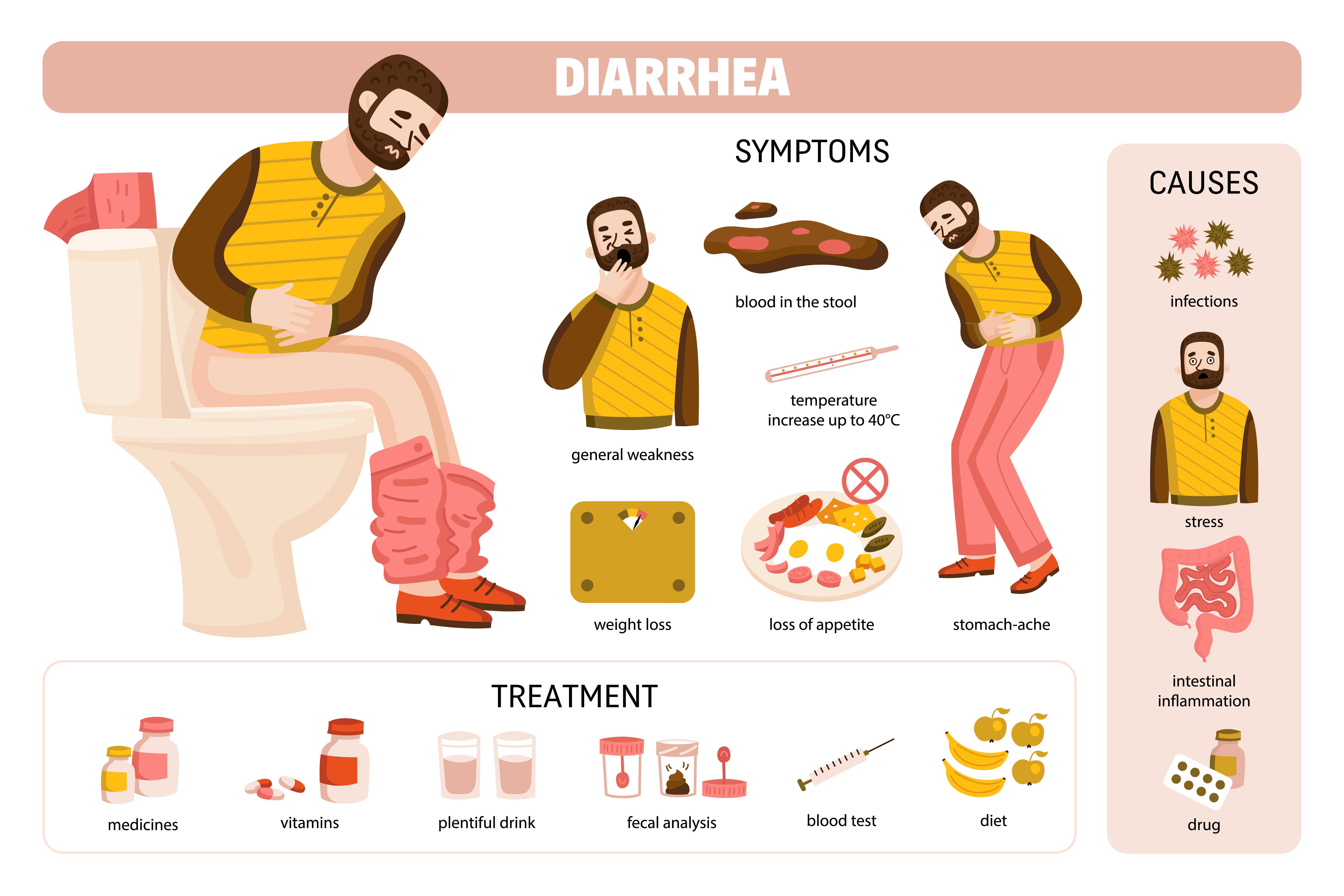
How to relieve constipation with Indian diet, home remedies, and when to see a doctor. Practical guide from Prakash Hospital Noida.
15 Sept 2026
by Prakash Hospital

Why you feel bloated after eating — common Indian food triggers, medical causes, and what helps. Prakash Hospital Noida.
16 Sept 2026
by Prakash Hospital

Best Indian foods for brain power, memory, and focus. What to eat to sharpen your mind naturally. From Prakash Hospital Noida.
27 Jul 2026
by Prakash Hospital
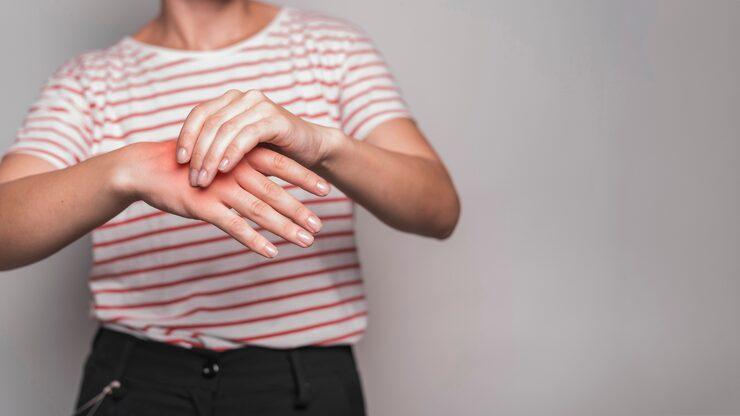
Understand nerve injury symptoms, causes, and recovery options with expert evaluation and treatment from Prakash Hospital, Noida.
15 Oct 2025
by Prakash Hospital
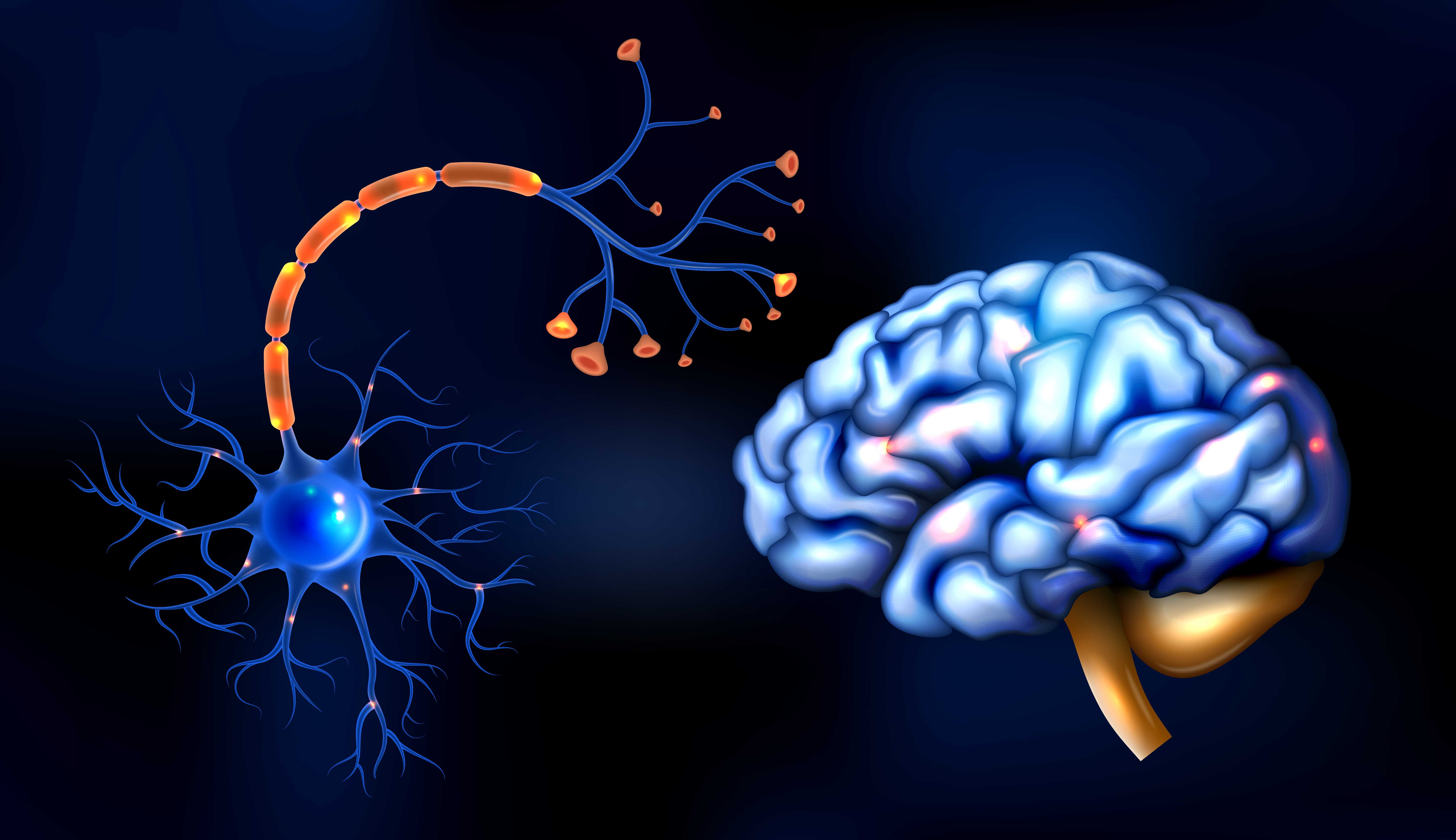
Learn the warning signs of brain hemorrhage, possible causes, emergency treatment options, and why immediate medical attention is critical.
19 May 2026
by Prakash Hospital
Answers to common questions about EMG and Nerve Conduction Study (NCV) at Prakash Hospital, Noida.


Book a consultation with Prakash Hospital's specialists — 24/7 emergency care, 100+ doctors, NABH accredited.
View All Departments