


What Are Keloids? Causes, Symptoms & Treatment
Learn what keloids are, why they form, their symptoms, treatment options, and prevention tips at Prakash Hospital.
5 Jan 2026
by Prakash Hospital
Surgery to make a wide, tight or raised scar narrower, flatter and less noticeable, or to free a scar that limits how you move.

Most scars fade and flatten over a year or so. Some don't. A burn scar can tighten across the elbow until you can't straighten it, and a keloid on the earlobe after a piercing can go on growing long after the ear healed.
Scar revision doesn't erase a scar. It replaces it with a better one: narrower, flatter, closer to your skin colour, or turned to lie along the natural creases of your skin where it shows less. Depending on the scar, the surgeon may cut it out and close the skin carefully in layers, break a straight line into a zigzag (a Z-plasty or W-plasty) to lengthen a tight scar and disguise it, or bring in a skin graft or flap when there isn't enough skin to close the gap.
The new scar goes through the same healing as the first. It starts red and slightly firm and settles over 12 to 18 months, so the result is judged at about a year, not when the stitches come out. Most people end up with a scar that is much less visible. Keloids are the exception. They often return, even after careful surgery, unless the operation is followed by injections or other treatment.
Scar reduction is part of the work of our skin and hair department, where dermatologists try non-surgical treatment first. Larger scars, including burn and injury scars, can be assessed by our plastic surgeon, Dr. Vishvendu Gaur.
Revision is usually considered once a scar has matured, at least 12 months after the injury or operation, and non-surgical treatment hasn't done enough. Scars that restrict movement may be treated sooner.
The scar is cut out as a thin ellipse and the edges are brought together in layers. Deep stitches take the tension so the surface heals as a fine line. It suits wide or stretched scars with enough loose skin around them.
These rearrange the scar. A Z-plasty swaps two small triangular flaps to lengthen a tight scar and change its direction, which frees a contracture. A W-plasty turns a long straight scar into a zigzag, which the eye notices less. Both leave a longer scar that is harder to see.
When a burn scar is removed or released, there may not be enough skin to close the gap. A skin graft, often from the thigh, or a flap of nearby skin with its own blood supply fills it. These are longer operations, often under general anaesthesia.
Keloids are cut out with as little tension on the wound as possible. Steroid injections into the healing scar follow for several months, with silicone gel and, for earlobes, pressure earrings. Some patients are referred for a short course of radiotherapy after surgery. Without this follow-up, keloids commonly return, often bigger.
The surgeon marks the scar and the planned cuts with you sitting up, so the natural skin lines show, and takes photographs.
Most revisions on the face and small areas are done under local anaesthetic, so you're awake but numb. Larger scars, burn contractures and most children need a general anaesthetic.
The scar tissue is cut out, or cut across and rearranged with a Z-plasty or W-plasty. Tethered scars are freed from the tissue underneath.
Deep dissolving stitches take the tension, and fine stitches or skin glue close the surface. A graft or flap is used if the gap is too large to close directly.
A light dressing goes on. For keloids, the first steroid injection is often given into the wound edges at the end of the operation or when the stitches come out.
The wound heals in a couple of weeks, but the scar keeps changing for a year or more, and what you do in that time affects the final result.
Keep the dressing clean and dry for 48 hours unless told otherwise. Paracetamol usually handles the soreness. Don't stretch or strain the area. Stitches on the face come out at about 5 to 7 days, and most people are back at desk work within the week.
Stitches elsewhere come out at 10 to 14 days. Heavier work and lifting can usually restart after that.
Once the wound has closed, start silicone gel or sheets and gentle massage as advised. Keep the scar out of direct sun and put sunscreen on it, because new scars darken easily in brown skin. After keloid surgery, steroid injections continue every few weeks.
The scar slowly fades from pink towards your skin colour and softens. The final result is judged at about 12 to 18 months. After keloid surgery, keep follow-up visits for at least a year so any regrowth is treated early.
Call us on +91-8826000033 or come straight to our 24/7 emergency department.
Silicone gel or sheets worn daily for 2 to 3 months, and pressure garments for burn scars, flatten many raised scars without surgery.
Injections into a raised or keloid scar every few weeks flatten and soften it and ease the itch. They are the first treatment for most keloids and may be all you need.
Laser can reduce redness and improve texture, and microneedling helps some sunken scars. For scars left by pimples, see acne scar treatment.
A new scar often looks its worst at 2 to 3 months. Unless it limits movement, give it a full year before deciding.
Talk to our Dermatology & Cosmetic Surgery team
Ask about your options, the cost and your insurance before you decide. See the insurance and TPA panels we work with.
This page explains Scar Revision Surgery in general terms. Your own plan depends on your health, your test results and your doctor's advice. Please read our medical disclaimer.
Scar Revision Surgery is led by our Dermatology & Cosmetic Surgery team, with other departments stepping in at each stage of your care.
At Prakash Hospital, our Skin and Hair Department offers personalized dermatology and cosmetic care, delivering advanced treatments for healthier skin and stronger hair.
What the department treats
Acne Management
Hair Restoration (PRP)
Laser Therapy
Chemical Peels
Anti-Aging Treatments
Vitiligo Treatment
Procedures often considered alongside Scar Revision Surgery, or that treat related conditions.
Microneedling, laser, peels and minor procedures matched to your scar type to smooth pitted acne scars.
Treats wounds that won't heal, from diabetic foot ulcers to bedsores, with debridement, dressings and pressure relief.
A controlled acid solution lifts damaged surface skin to fade pigmentation, tanning and acne marks.
Anti-wrinkle injections and hyaluronic acid fillers that soften lines and restore facial volume, with no downtime.
Other procedures our Dermatology & Cosmetic Surgery team performs.
Laser light damages hair roots to reduce unwanted hair over 6 to 8 sessions, with settings matched to your skin.
Gentle exfoliation that removes dead surface skin to brighten dull skin and soften light marks, with no downtime.
Creams, light therapy, tablets and grafting to stop white patches spreading and restore skin colour.
We offer expert care across key specialties, including Medicine, Cardiology, Orthopaedics, ENT, Gynaecology, and more—delivering trusted treatment under one roof.
Free tools to check your weight, plan a pregnancy, track calories and more.
Learn what keloids are, why they form, their symptoms, treatment options, and prevention tips at Prakash Hospital.
5 Jan 2026
by Prakash Hospital

Learn the immediate first aid steps for burn injuries, including how to reduce damage, relieve pain, and know when to seek medical help.
8 May 2026
by Prakash Hospital

Protect your skin barrier this winter with dermatologist-approved skincare tips and routines by Prakash Hospital.
19 Nov 2025
by Prakash Hospital
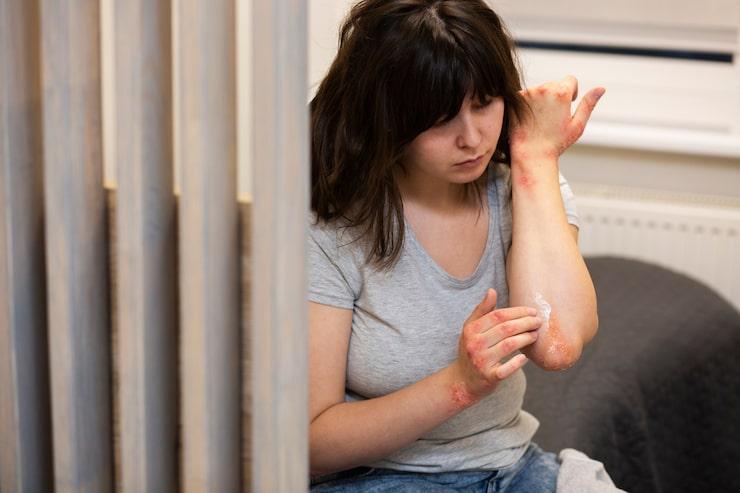
Eczema — understand the symptoms, causes, triggers, and effective treatments for this chronic skin condition. Visit Prakash Hospital Noida for dermatology care.
3 Jun 2026
by Prakash Hospital

Dark circles under eyes — understand the causes, effective treatments, and how to remove them. Visit Prakash Hospital Noida for dermatology care.
1 Jun 2026
by Prakash Hospital

Noticing unusual hair fall after your pregnancy? Prakash Hospital's experts in Noida explain the real causes, timeline, and treatments for postpartum hair loss.
31 Mar 2026
by Prakash Hospital
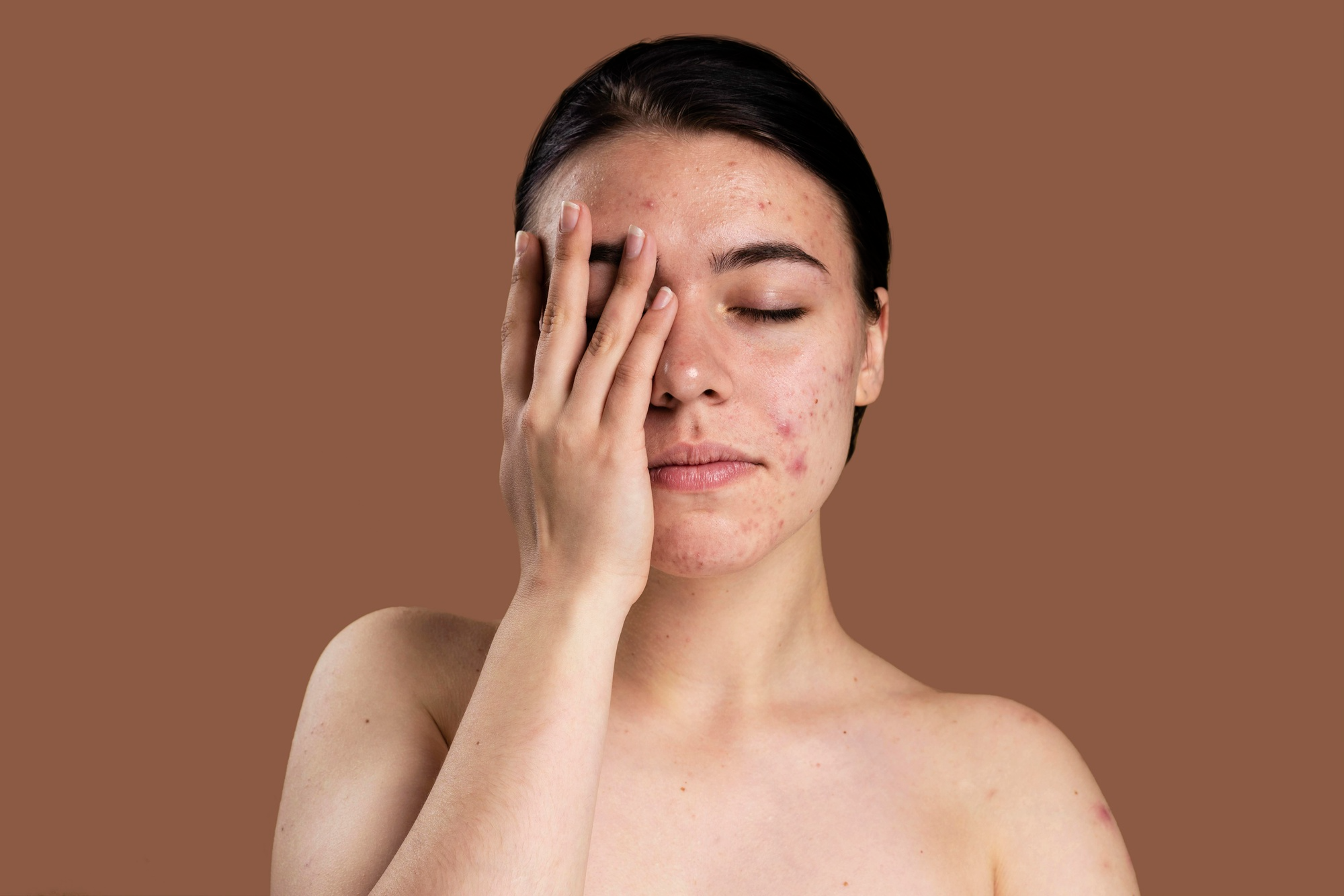
Learn the causes of adult acne, effective treatments, and when to seek dermatologist care for lasting relief.
13 Nov 2025
by Prakash Hospital

Which foods cause or worsen hair fall — sugar, crash diets, raw eggs, and more. Diet tips for healthier hair. Prakash Hospital Noida.
3 Sept 2026
by Prakash Hospital

Hair fall in women — hormones, PCOD, thyroid, iron deficiency, and more. Why women lose hair and what helps. Prakash Hospital Noida.
2 Sept 2026
by Prakash Hospital
Answers to common questions about Scar Revision Surgery at Prakash Hospital, Noida.


Book a consultation with Prakash Hospital's specialists — 24/7 emergency care, 100+ doctors, NABH accredited.
View All Departments