


स्ट्रेस फ्रैक्चर (Stress Fracture): कारण, लक्षण और रिकवरी
जानिए स्ट्रेस फ्रैक्चर के कारण, लक्षण और सही इलाज। समय पर देखभाल, आराम और सही उपचार से जल्दी रिकवरी कैसे पाएं।
12 May 2026
by Prakash Hospital
Lines up a broken bone and holds it with plates, screws, a rod or a frame so it heals straight and you can start moving the limb sooner.

Most broken bones heal well in a plaster cast. Some don't: the pieces have shifted too far, the bone is in several fragments, the break runs into a joint, or it has come through the skin. Left in a cast, these can heal crooked or short, or not at all, and a joint that heals with a step in its surface wears out early.
Fracture fixation surgery puts the pieces back in position (reduction) and holds them there (fixation) while your body heals the bone. In open reduction and internal fixation (ORIF), the surgeon opens the skin over the break, lines up the fragments and fixes them with a metal plate and screws. Long bones such as the thigh and shin are often fixed with a rod (intramedullary nail) passed down the hollow centre of the bone through small cuts.
The metal holds the bone, but your body does the healing, usually over 6 to 12 weeks, and longer for the shin, in smokers and with diabetes. The big gain is that nearby joints can move far sooner than in a cast, so there's less stiffness and muscle wasting.
Our emergency department runs 24 hours with a dedicated trauma bay and hands over to the orthopaedics and trauma team. Our theatres have C-arm machines, which show live X-ray images during surgery, and a range of plates, screws and nails. When a fracture comes from thin, osteoporotic bone, we also look at your bone health so it's less likely to happen again.
Your surgeon uses X-rays, and often a CT scan, to judge whether a break will heal well without an operation. Fixation is usually advised in these situations.
A shaped metal plate is fixed to the bone surface with screws. It's the usual choice for breaks near or into joints and for the forearm, where exact alignment matters most, and it needs a larger cut.
A rod is passed down the centre of the thigh, shin or upper arm bone through a small cut near the hip, knee or shoulder, and locked with screws at each end. The break itself often isn't opened, and many patients can take weight on the leg early.
Pins through the skin into the bone above and below the break are joined by bars outside the limb. Frames are used for open fractures, badly swollen limbs and people with many injuries, often as a temporary step before a plate or nail. Small breaks in the wrist, hand and children's elbows are often held with wires put in through tiny cuts.
Leg and hip fractures are often fixed under spinal anaesthesia, and arm fractures under a nerve block or general anaesthesia.
If bone came through the skin, the wound is washed thoroughly and dead tissue removed first. Some wounds are closed or covered at a second operation a few days later.
The surgeon reduces the fracture either through a cut over it (open reduction) or by pulling and manipulating the limb while checking on the C-arm (closed reduction).
A plate and screws, a nail, wires or a frame hold the position. Live X-ray images confirm the alignment and screw positions before the end.
The wound is closed and dressed, with a splint or plaster slab added if needed. Most operations take 1 to 3 hours.
Your surgeon sets how much weight the limb can take, and usually raises it after each follow-up X-ray. Pain isn't a reliable guide, because a fixed bone can feel fine well before it has healed.
Pain relief, the limb raised, and regular checks of circulation and feeling in the fingers or toes. A physiotherapist gets nearby joints moving and, after a leg fracture, has you walking with a frame or crutches within your weight limit.
Stitches or clips are taken out at about two weeks. Soft new bone (callus) is forming, so keep moving within your limits and go to every follow-up X-ray.
In most adult fractures, X-rays show bridging bone by now and you can put more weight through the limb. Physiotherapy moves on to strengthening and walking without aids.
Shin and thigh fractures may take 4 to 6 months to unite fully. Bone keeps strengthening for up to a year, and swelling after an ankle fracture can last as long.
Call us on +91-8826000033 or come straight to our 24/7 emergency department.
Stable, well-aligned fractures, and most children's fractures, heal well without surgery, including many wrist, collarbone, upper arm and ankle breaks. A cast needs regular X-rays to check the bone hasn't slipped.
Weeks of traction in bed were once standard for thigh fractures but are now rare in adults, because long bed rest brings chest infections, clots and bed sores. Traction is mainly a short-term measure before surgery.
Talk to our Orthopedics & Joint Replacement team
Ask about your options, the cost and your insurance before you decide. See the insurance and TPA panels we work with.
This page explains Fracture Fixation Surgery in general terms. Your own plan depends on your health, your test results and your doctor's advice. Please read our medical disclaimer.
Fracture Fixation Surgery is led by our Orthopedics & Joint Replacement team, with other departments stepping in at each stage of your care.
At Prakash Hospital, our Orthopedics and Traumatology Department offers expert diagnosis, surgical and non-surgical treatments, and rehabilitation for bone, joint, and musculoskeletal injuries.
What the department treats
Total Knee Replacement
Total Hip Replacement
Arthroscopic Surgery
Spine Surgery
Trauma and Fracture Care
Sports Medicine
Stabilises you in the trauma bay after an accident, controls pain and bleeding, and splints the fracture before handing over.
X-rays and CT scans that show the fracture pattern, and follow-up X-rays to track healing.
Teaches safe walking within your weight limits and rebuilds movement and strength as the bone heals.
Procedures often considered alongside Fracture Fixation Surgery, or that treat related conditions.
Realigns and rebuilds a joint damaged by injury, deformity or earlier surgery, keeping your own joint.
Replaces a worn or collapsed hip ball and socket with an artificial joint to end groin pain and restore walking.
Treats wounds that won't heal, from diabetic foot ulcers to bedsores, with debridement, dressings and pressure relief.
Reattaches or rebuilds torn ligaments in the knee, ankle, elbow or thumb to steady an unstable joint.
Replaces a damaged shoulder ball and socket to relieve arthritis pain and help you use your arm again.
Other procedures our Orthopedics & Joint Replacement team performs.
Replaces a knee worn out by arthritis with a metal and plastic joint to relieve pain and get you walking again.
Keyhole surgery using a thin camera to diagnose and repair problems inside the knee or shoulder.
Rebuilds a torn ACL with a tendon graft through keyhole surgery to stop the knee giving way.
Frees a trapped spinal nerve by removing slipped disc or bone, easing sciatica and leg pain.
Replaces a failed knee implant that is loose, worn, infected or unstable with new revision parts.
Replaces only the worn part of an arthritic knee, keeping the healthy cartilage and ligaments.
We offer expert care across key specialties, including Medicine, Cardiology, Orthopaedics, ENT, Gynaecology, and more—delivering trusted treatment under one roof.
Free tools to check your weight, plan a pregnancy, track calories and more.
जानिए स्ट्रेस फ्रैक्चर के कारण, लक्षण और सही इलाज। समय पर देखभाल, आराम और सही उपचार से जल्दी रिकवरी कैसे पाएं।
12 May 2026
by Prakash Hospital

Learn about bone fractures in adults including types of fractures, causes, symptoms, diagnosis, treatment options at Prakash Hospital.
23 Feb 2026
by Prakash Hospital
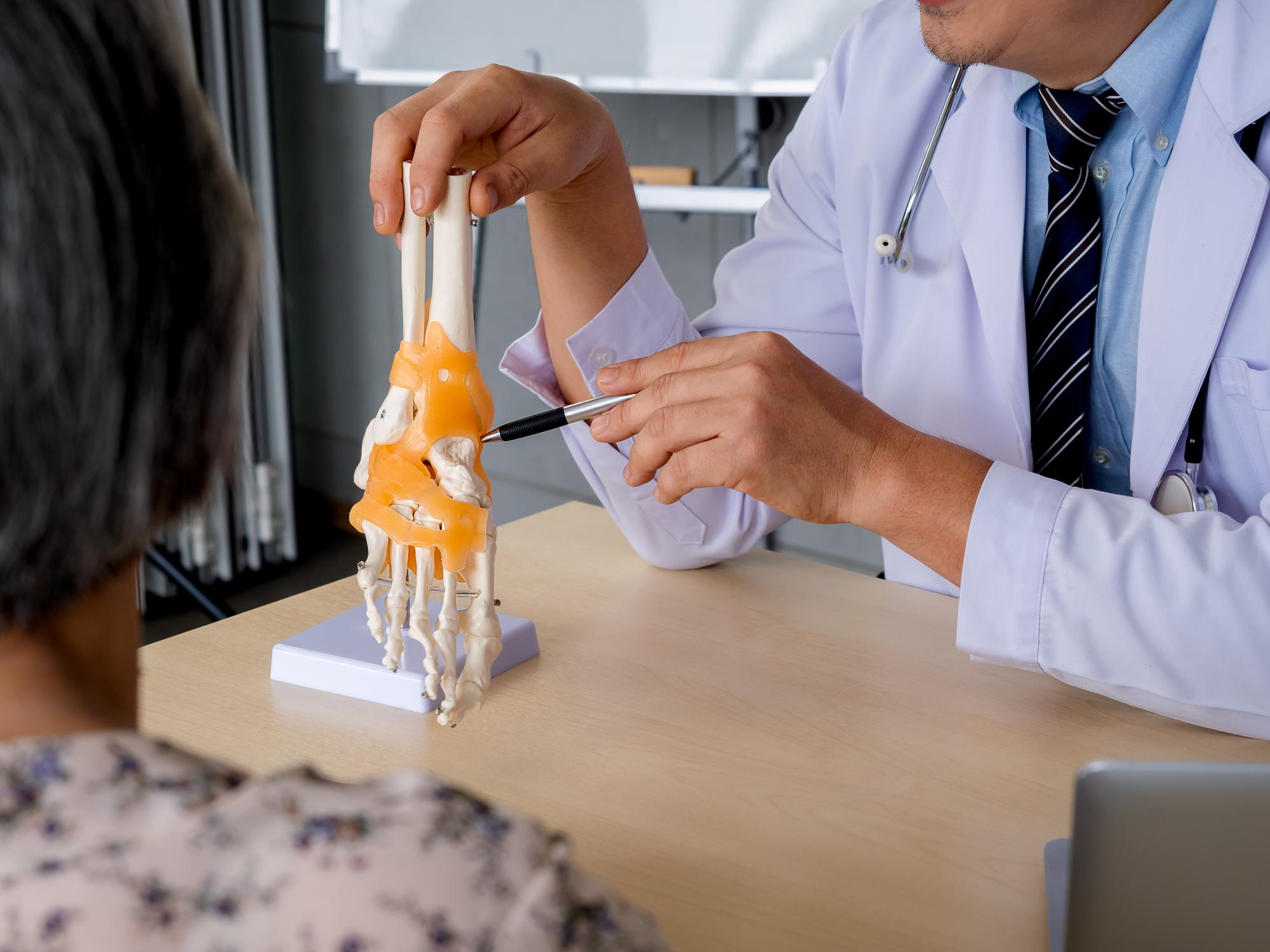
Learn how bones heal after a fracture, from inflammation to remodeling. Understand the stages of bone healing, recovery time, and tips for faster healing.
15 Dec 2025
by Prakash Hospital

Best protein rich foods in India — vegetarian and non-vegetarian sources, daily requirements, and how to eat enough protein on an Indian diet. Prakash Hospital Noida.
18 Aug 2026
by Prakash Hospital

जानिए बच्चों को हेल्दी खाने की आदत कैसे सिखाएं। सही आहार, व्यवहार और माता-पिता की भूमिका पर आसान और उपयोगी जानकारी।
20 Apr 2026
by Prakash Hospital

Understand the importance of a balanced diet, its key benefits, essential nutrients, and how healthy eating supports overall well-being.
22 Jan 2026
by Prakash Hospital
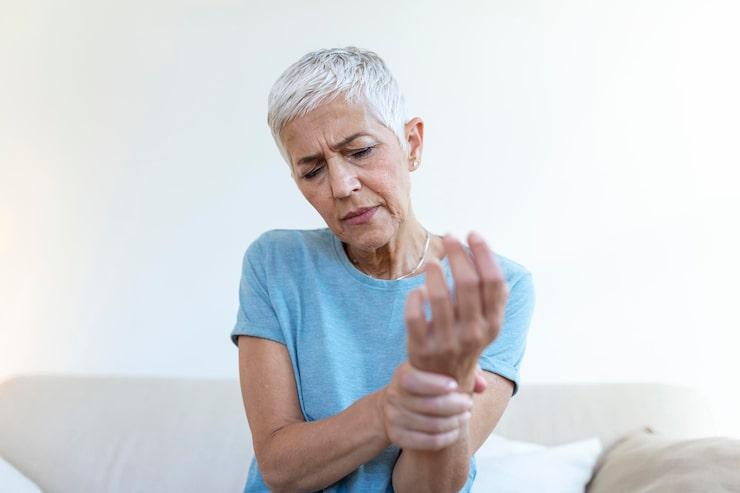
Learn the signs of weak bones and how to fix them with advice from the learned doctors at Prakash Hospital, Noida.
15 Oct 2025
by Prakash Hospital
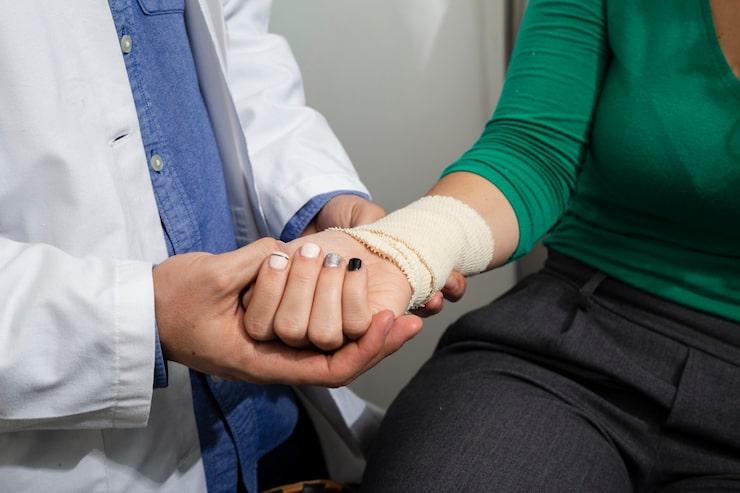
Learn about stress fractures, including causes, symptoms, treatment options, and recovery tips for faster healing and injury prevention.
18 May 2026
by Prakash Hospital

Compound Bone Fracture क्या है, इसके लक्षण, इलाज के तरीके, सर्जरी, सावधानियां और पूरी रिकवरी प्रक्रिया जानें इस विस्तृत हिंदी गाइड में।
30 Dec 2025
by Prakash Hospital
Answers to common questions about Fracture Fixation Surgery at Prakash Hospital, Noida.


Book a consultation with Prakash Hospital's specialists — 24/7 emergency care, 100+ doctors, NABH accredited.
View All Departments