


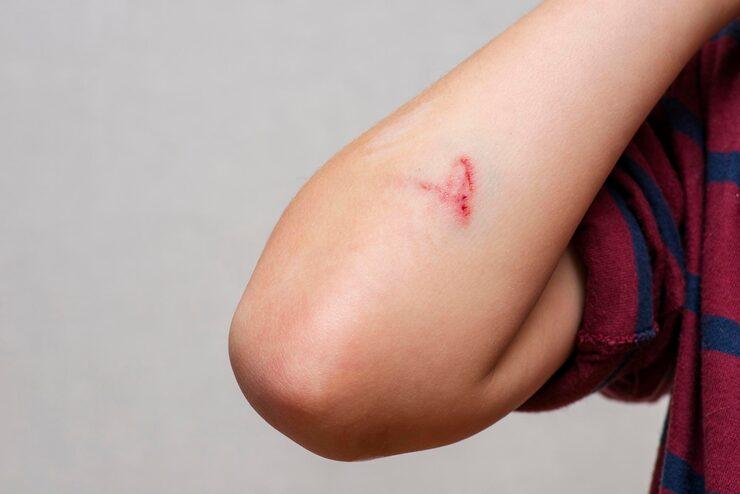
Necrotizing Fasciitis: The Flesh-Eating Infection That Spreads Quickly
Discover the causes, warning signs, and treatments for necrotizing fasciitis with expert medical guidance from Prakash Hospital, Noida.
16 Oct 2025
by Prakash Hospital
Cleaning away dead and infected tissue and dressing the wound properly, so slow wounds such as diabetic foot ulcers and bedsores can start to heal.

A wound that hasn't healed in four to six weeks is telling you something. On the foot of someone with diabetes, it may have started as a blister from new chappals or a crack in the heel that went unnoticed because the foot has lost feeling. On the back or hips of a bedridden parent, it may be a bedsore that began as a patch of red skin. Slow wounds are often painless, and that's exactly why they get worse quietly.
Wounds stall because of dead tissue, infection, poor blood supply, constant pressure, high blood sugar or poor nutrition, often several at once. Wound care and debridement deals with each. Debridement means removing dead, infected or contaminated tissue (the yellow slough or black crust on the wound) so the healthy tissue underneath can grow. Small amounts are removed in the dressing room, and deep wounds are cleaned in the operation theatre. Regular dressings, pressure relief and treatment of the cause follow.
Healing is slow. A diabetic foot ulcer often takes 2 to 4 months to close, and a deep bedsore longer. Starting early matters most for diabetic feet, because most amputations in diabetes begin with a foot ulcer that got worse.
Wound debridement and wound management are part of the regular work of our general surgery department, and operation theatres are available round the clock for severe infections. Wounds that need a graft or flap are planned with our plastic surgeon. Between hospital visits, our home care plan can send trained staff to do dressings at home.
Any wound that isn't clearly getting smaller after two weeks, or hasn't healed in four to six, needs a proper assessment.
Dead and infected tissue is cut away with a scalpel or scissors. Small amounts can be trimmed at the bedside, often without anaesthetic. Spreading infection, pus under the skin or infected bone needs debridement in theatre, sometimes repeated a few days later.
For people who can't have surgery, or for a thin layer of slough, moist gel dressings let the body's own enzymes soften dead tissue over several days. Enzyme ointments work in a similar way. Both are slower but painless.
The dressing is matched to the wound: foam for heavy discharge, silver or iodine for infection, hydrocolloid for shallow sores. Some large wounds do well with negative pressure therapy, a sealed dressing on a gentle suction pump. Once a large wound is clean, a plastic surgeon may close it with a skin graft (a thin layer of skin from the thigh) or a flap of nearby tissue.
The doctor measures the wound, checks its depth with a sterile probe, feels for foot pulses and tests sensation. Photos let us compare progress at each visit.
The wound is washed with saline and dead or infected tissue is removed, in theatre under anaesthesia if it's deep or badly infected.
Antibiotics are chosen from the culture report. Mild surface infection may not need them, while bone infection needs a longer course, sometimes through a drip.
A dressing suited to the wound goes on, changed daily or every few days. Pressure comes off with special footwear or a cast for foot ulcers, regular turning and a pressure-relieving mattress for bedsores, and compression bandages for vein-related leg ulcers.
Blood sugar, nutrition, anaemia and blood flow are treated alongside, because a wound can't heal while they're out of control.
We measure the wound at each visit. One that stops shrinking for two weeks means the plan needs to change.
After debridement the wound usually looks bigger and redder. Red, moist, bumpy tissue (granulation) is a good sign, and any infection should start to settle.
The wound shrinks from the edges. Visits become less frequent, and once the plan is clear, a trained family member or home care nurse may take over some dressings.
Many diabetic foot ulcers close in this period if pressure is kept off. Larger wounds may be ready for a skin graft.
New skin stays fragile for months, and wounds come back easily. With diabetes, check both feet daily and come in early for any blister or crack. For bedsores, keep up the turning.
Call us on +91-8826000033 or come straight to our 24/7 emergency department.
If narrowed arteries are starving the leg of blood, dressings alone won't heal the wound. Some patients are referred to a vascular specialist for angioplasty or bypass of the leg arteries first.
When infection has destroyed a toe or threatens life, removing the dead part can be the safest option. A planned small amputation, such as a single toe, often lets the rest of the foot heal and keeps you walking.
For some very frail patients, the aim shifts from healing to keeping the wound clean, comfortable and free of smell. That's a reasonable choice to make with your family and doctor.
Talk to our General & Laparoscopic Surgery team
Ask about your options, the cost and your insurance before you decide. See the insurance and TPA panels we work with.
This page explains Wound Care and Debridement in general terms. Your own plan depends on your health, your test results and your doctor's advice. Please read our medical disclaimer.
Wound Care and Debridement is led by our General & Laparoscopic Surgery team, with other departments stepping in at each stage of your care.
At Prakash Hospital, our General Surgery Department delivers expert surgical care for a wide range of conditions, combining advanced techniques with personalized treatment plans to ensure safe, effective, and faster recovery for our patients.
What the department treats
Laparoscopic Surgery
Hernia Repair
Gallbladder Surgery
Appendectomy
Thyroid Surgery
Wound Management
Brings blood sugar under control and treats anaemia, kidney problems and poor nutrition that slow healing.
Runs wound cultures, blood tests, foot X-rays and Doppler scans of blood flow to the legs.
Teaches safe walking with offloading footwear or a walker, and helps bedbound patients move to relieve pressure.
Procedures often considered alongside Wound Care and Debridement, or that treat related conditions.
Surgery, often with injections, to make wide, raised or tight scars flatter and less noticeable.
Round-the-clock emergency scans and treatment for stroke, followed by rehabilitation and prevention.
Realigns broken bones and holds them with plates, screws, rods or frames so they heal in the right position.
Other procedures our General & Laparoscopic Surgery team performs.
Removes an inflamed appendix through three small cuts, usually with one or two nights in hospital.
Removes a gallbladder with stones through four small cuts, usually with a stay of one night or less.
Pushes the bulge back and reinforces the weak abdominal wall with mesh, by keyhole or open surgery.
Removes large or prolapsing piles that haven't settled with diet, medicines or banding.
Removes part or all of the thyroid for a goitre, a suspicious nodule or an overactive gland.
Removes a breast lump after tests, usually as day care, and sends it to the lab to confirm what it is.
We offer expert care across key specialties, including Medicine, Cardiology, Orthopaedics, ENT, Gynaecology, and more—delivering trusted treatment under one roof.
Free tools to check your weight, plan a pregnancy, track calories and more.
Discover the causes, warning signs, and treatments for necrotizing fasciitis with expert medical guidance from Prakash Hospital, Noida.
16 Oct 2025
by Prakash Hospital
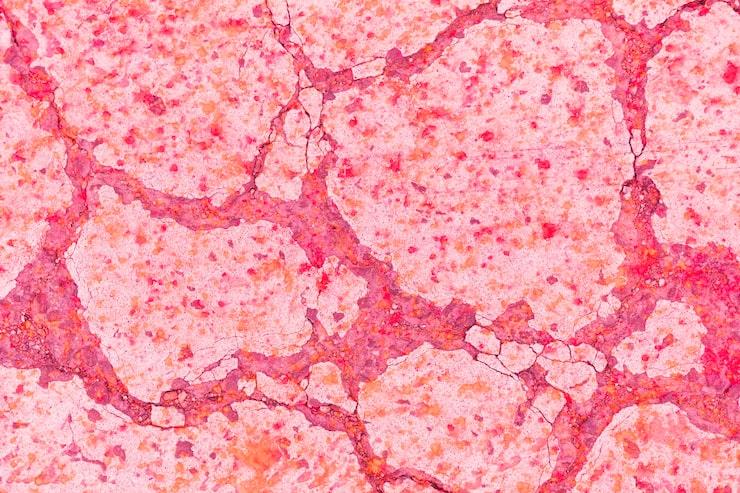
Learn about tissue necrosis, its causes, and effective treatment approaches with expert wound care support from Prakash Hospital, Noida.
10 Oct 2025
by Prakash Hospital

Leg pain while walking, cold feet, slow-healing wounds, these could be early signs of Peripheral Artery Disease. Prakash Hospital's vascular specialists in Noida explain what to watch for and when to act.
6 Apr 2026
by Prakash Hospital

Male infertility causes, from varicocele to heat and smoking, the semen analysis, and what helps — a practical guide for Indian men. Prakash Hospital Noida.
7 Oct 2026
by Prakash Hospital

जानिए किडनी फंक्शन टेस्ट (KFT) क्या होता है, यह किन-किन पैरामीटर्स को मापता है और किडनी की सेहत के बारे में क्या जानकारी देता है।
11 May 2026
by Prakash Hospital

Learn about urinary tract infection (UTI), including symptoms, causes, diagnosis, treatment options, and prevention tips at Prakash Hospital.
17 Feb 2026
by Prakash Hospital
Answers to common questions about Wound Care and Debridement at Prakash Hospital, Noida.


Book a consultation with Prakash Hospital's specialists — 24/7 emergency care, 100+ doctors, NABH accredited.
View All Departments