


The Link Between Stress and Heart Disease
Learn symptoms, risk factors, prevention tips and when to seek expert cardiac care in Noida.
25 Mar 2026
by Prakash Hospital
by Prakash Hospital

A doctor checks a man’s leg for circulation issues, indicating screening for peripheral artery disease.
Most people who have Peripheral Artery Disease don't know it yet. PAD is one of those conditions that develops quietly over years, producing symptoms that are easy to write off as something else.
Each one dismissed, attributed to age or tiredness or bad shoes, until the problem has progressed significantly further than it needed to.
Peripheral Artery Disease is a condition where the arteries supplying blood to the legs become progressively narrowed due to plaque buildup, a process called atherosclerosis. The narrowing restricts blood flow, starves leg muscles of oxygen, and over time produces a range of symptoms that get worse the longer the condition goes unaddressed.
What makes it more than just a leg problem is this: the same plaque process happening in the leg arteries is very often happening elsewhere in the body too. PAD is strongly associated with heart attack and stroke risk. It is, in many ways, a warning signal from the vascular system.
The specialists at Prakash Hospital, Noida, diagnose and manage PAD regularly. Catching it early, before it reaches the stage of non-healing wounds or rest pain, is where the real difference gets made.
The legs are uniquely vulnerable to arterial narrowing. They sit far from the heart, rely on long arteries that give plaque plenty of surface area to accumulate, and during physical activity, their oxygen demand spikes significantly. Even a modest reduction in blood flow, one that might go entirely unnoticed elsewhere, becomes apparent in the legs the moment someone starts walking.
This is why leg symptoms are almost always the earliest sign of PAD, and why they follow such a specific pattern: fine at rest, problematic with activity, relieved by stopping.
PAD does not announce itself dramatically. The early signs are incremental, easy to rationalise, and frequently missed. Here is what actually warrants attention.
Medically termed intermittent claudication, this is the symptom most classically associated with PAD. The pain, typically a cramping, aching, or burning sensation, comes on during walking or exertion and eases within minutes of rest.
The detail that distinguishes it from ordinary muscle soreness is its predictability. It tends to come on at roughly the same distance every time. Walk 200 metres, the cramp starts. Stop and rest, it clears. Walk another 200 metres, it returns. That consistent, reproducible pattern is characteristic of PAD rather than general fatigue or musculoskeletal pain.
Where the pain is felt depends on which artery is affected:

A woman holds her calf while exercising, indicating muscle pain that may be linked to circulation issues.
Before pain becomes the dominant symptom, many people notice a general heaviness in the legs during activity. A sense that they are working much harder than the effort warrants. Walks that used to feel easy start feeling laboured. Stairs that were not an issue start becoming one.
This gets blamed on fitness levels, weight, or getting older. Sometimes it is those things. But when it consistently follows the activity-rest-relief pattern, it deserves investigation.
Restricted blood flow affects nerves as well as muscles. Numbness or a pins-and-needles sensation in the feet or toes, particularly during or after activity, can be an early indicator of compromised circulation. Some people describe a feeling of walking on something slightly numb, or reduced awareness of temperature or pressure in the foot.
This one often gets noticed by someone other than the patient like a partner, a family member, a doctor during a routine check. One foot is noticeably colder than the other, not just after being outdoors but consistently, even in warm conditions.
A meaningful temperature difference between the two limbs reflects a difference in blood flow between them. It is one of the more reliable early physical signs of PAD.
This is where PAD starts to feel more serious and rightly so. Wound healing depends on blood supply. Oxygen, nutrients, and immune cells all reach a wound through the circulation. When that circulation is compromised, healing slows dramatically.
A blister from ill-fitting shoes that would normally resolve in a week takes three or four. A minor cut on the toe does not seem to be getting better. A sore develops on the heel and starts to worsen rather than improve.
In the context of PAD, these slow-healing wounds are not minor inconveniences. They are a sign that tissue is not being adequately supplied, and they can escalate into serious infections quickly, particularly in people with diabetes, where wound healing is already impaired.
Signs to watch for:
The skin changes that come with reduced circulation are gradual, but they are real:
Hair loss on the legs specifically gets very little attention as a symptom, but it reflects exactly what is happening: follicles, like every other tissue, need blood supply to function.
This is a clinical finding rather than something a patient would typically notice, but it is one of the most direct indicators of PAD. A doctor checking the pedal pulse, at the top of the foot or behind the ankle and finding it faint or absent has immediate cause to investigate further.

A doctor examines a patient’s foot, checking for a weak or absent pulse as a sign of circulation problems.
When the pain is no longer limited to activity and starts occurring at rest, particularly at night or while lying down, it indicates that blood flow has been reduced to the point where even baseline tissue demands are not being met.
A pattern that vascular specialists at Prakash Hospital, Noida, watch for specifically: patients who dangle their legs off the side of the bed at night to relieve foot pain. Lowering the legs allows gravity to assist blood flow toward the feet, which temporarily reduces the pain. If someone is doing this, even if they have not connected it to a circulatory problem, it is a significant sign that PAD has reached an advanced stage and needs urgent assessment.
PAD is not random. It clusters strongly around specific health conditions and lifestyle factors. The more of these that apply, the higher the risk and the more reason there is for proactive screening rather than waiting for symptoms.
The major risk factors:
Smoking is the single largest modifiable risk factor. Smoking damages artery walls directly and dramatically accelerates plaque formation. People who smoke are more likely to develop PAD than non-smokers.
Diabetes or chronically elevated blood sugar damages blood vessels throughout the body. People with diabetes are at particularly high risk, and PAD tends to progress more aggressively in this group.
High blood pressure or sustained pressure against artery walls contributes to structural damage over time
High cholesterol or LDL cholesterol is the primary building block of arterial plaque
Additional factors that raise risk:
One point that is sometimes underappreciated: PAD is a systemic disease. The atherosclerosis that narrows leg arteries does not confine itself neatly to the legs. It is typically present to varying degrees throughout the arterial system.
People with confirmed PAD have a substantially elevated risk of heart attack and stroke, not because of the leg disease itself, but because of what it indicates about the state of their arteries more broadly.
Understanding where a patient sits on the severity spectrum shapes the treatment approach:
Stage 1 and 2 are where lifestyle changes and medication do the most good. Stage 4 almost always requires intervention.

An infographic that explains peripheral artery disease, focusing on what the condition is and how it affects blood flow.
Diagnosis begins with a physical examination and a straightforward test called the Ankle-Brachial Index (ABI).
This compares blood pressure measured at the ankle with blood pressure measured at the arm. In a healthy artery, these numbers should be roughly equal. A significant difference indicates reduced flow in the leg and is a reliable screening tool for PAD.
Further investigations may include:
For PAD, lifestyle modification is genuinely treatment, not just background advice.
Several classes of medication play a role in PAD management:
For more advanced cases, restoring blood flow may require intervention:
The vascular team at Prakash Hospital, Noida, offers the full range of these procedures, with the approach chosen based on the anatomy of the disease, the patient's overall health, and their goals.
The trajectory of untreated PAD is not subtle:
None of this is the inevitable outcome of a PAD diagnosis. But it becomes increasingly difficult to avoid the longer the condition goes unmanaged.

A patient consults a doctor for diagnosis and treatment of peripheral artery disease.
Yes, if left unmanaged. Beyond the risk to the limb itself, PAD signals elevated cardiovascular risk overall. People with PAD have a meaningfully higher risk of heart attack and stroke than those without it.
Atherosclerosis is not fully reversible, but its progression can be significantly slowed, and symptoms can improve substantially with the right treatment. Many patients regain significant quality of life.
Not only safe, it's recommended. Supervised walking exercise is one of the most effective treatments for claudication. The key is a structured, progressive programme rather than pushing through severe pain without guidance.
Yes, particularly in early stages. People with multiple risk factors, especially diabetes and smoking history should discuss proactive vascular screening with their doctor.
Leg pain triggered consistently by activity, one foot colder than the other, slow-healing foot wounds, or rest pain at night, any of these is reason to seek evaluation rather than wait.
PAD is a condition where the window for straightforward management is real but it does not stay open indefinitely. The earlier an assessment happens, the more options are available and the less likely it is that the disease has progressed to something harder to treat.
At Prakash Hospital, Noida, the vascular team provides:
For patients across Noida, Greater Noida, Ghaziabad, and Delhi NCR experiencing leg pain, cold feet, or any of the symptoms described above, early assessment at Prakash Hospital can change the outcome considerably.
Book a vascular consultation at Prakash Hospital, Noida today.

Opens a narrowed or blocked heart artery with a balloon and a stent, passed up from the wrist or groin.
A small device under the collarbone that keeps a slow or pausing heartbeat at a safe rate.
An ultrasound of the heart that shows how well it pumps and how the valves work. Painless and radiation-free.
Free tools to check your weight, plan a pregnancy, track calories and more.
We offer expert care across key specialties, including Medicine, Cardiology, Orthopaedics, ENT, Gynaecology, and more—delivering trusted treatment under one roof.
Learn symptoms, risk factors, prevention tips and when to seek expert cardiac care in Noida.
25 Mar 2026
by Prakash Hospital

जानिए लो हीमोग्लोबिन का दिल की सेहत पर क्या प्रभाव पड़ता है। इसके कारण, लक्षण और समय पर इलाज व सही खानपान से कैसे बचाव किया जा सकता है, सरल भाषा में समझें।
6 May 2026
by Prakash Hospital

सीने में जलन (एसिडिटी) और हार्ट प्रॉब्लम के लक्षणों में क्या फर्क है? कब यह गंभीर हो सकता है और डॉक्टर से कब मिलना चाहिए, पूरी जानकारी हिंदी में।
23 Apr 2026
by Prakash Hospital

जानिए स्पोर्ट्स इंजरी क्यों होती है, इससे कैसे बचा जा सकता है और चोट लगने पर क्या करना चाहिए।
6 Apr 2026
by Prakash Hospital

Knee pain causes, home exercises, and when to get a medical opinion. A practical guide from Prakash Hospital Noida, Noida.
26 Aug 2026
by Prakash Hospital
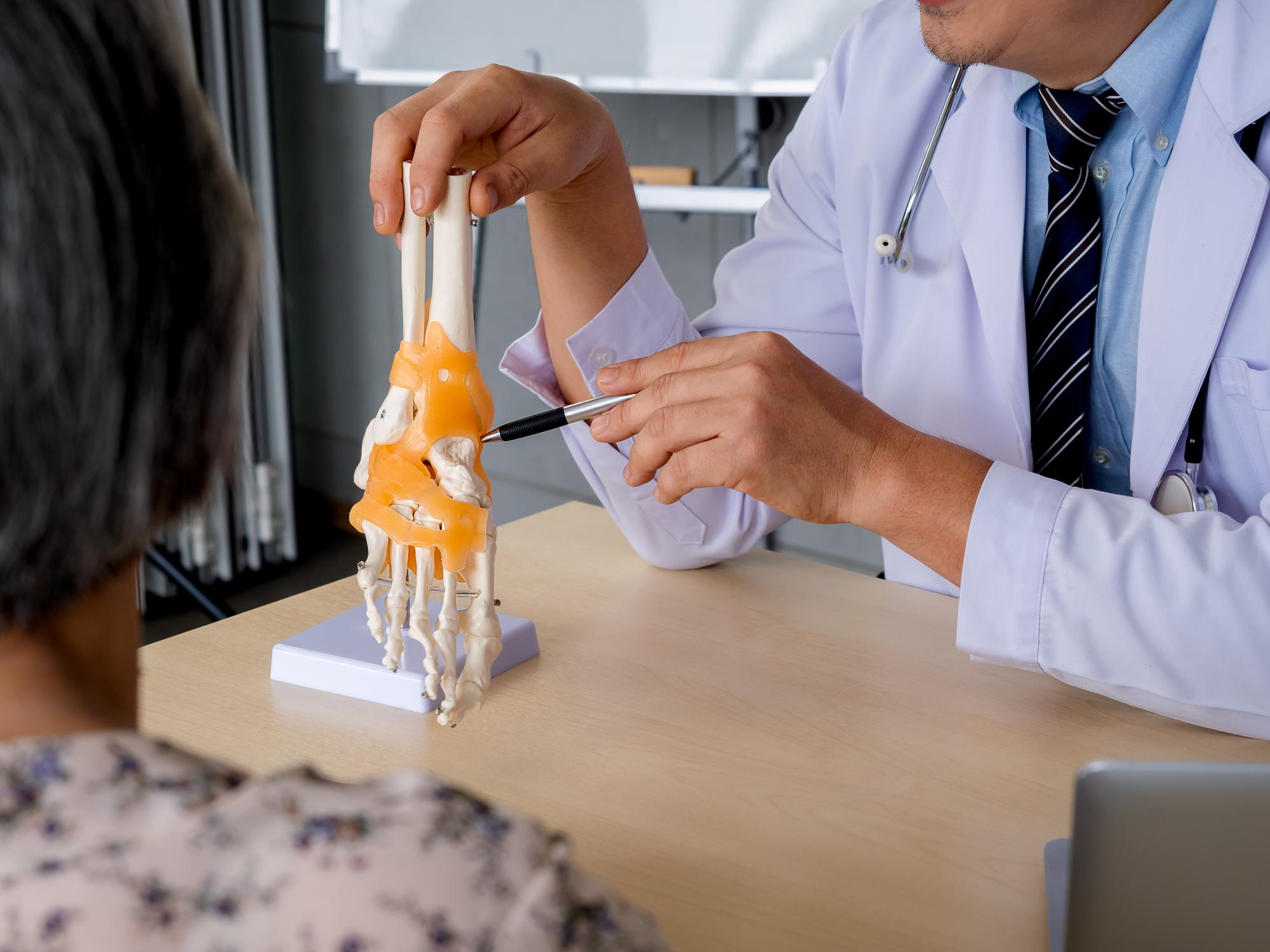
हड्डियों में सूजन के कारण, लक्षण और इलाज जानें। ऑस्टियोमाइलाइटिस, आर्थराइटिस और हड्डी के दर्द को नजरअंदाज न करें। Prakash Hospital में पाएं एडवांस ऑर्थोपेडिक उपचार।
9 Jun 2026
by Prakash Hospital
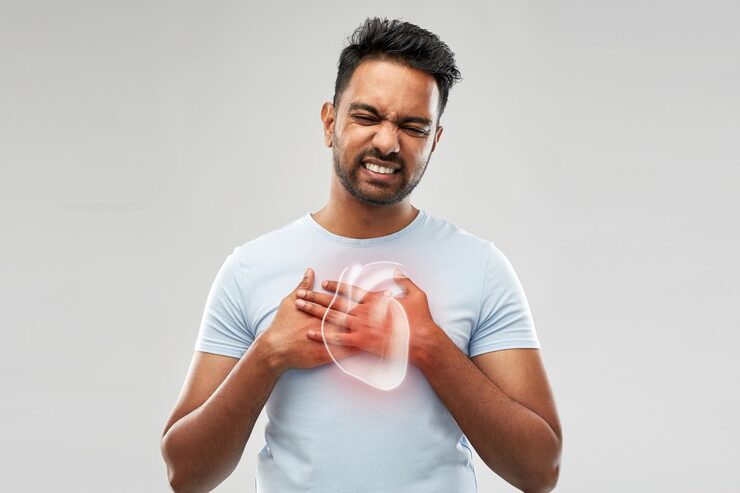
Heart attack warning signs in men and women, what to do immediately, and how to reduce risk. Visit Prakash Hospital Noida for cardiac care.
22 Jul 2026
by Prakash Hospital

Learn how stress affects heart health and discover simple daily habits to stay calm and protect your heart.
5 Aug 2025
by Prakash Hospital
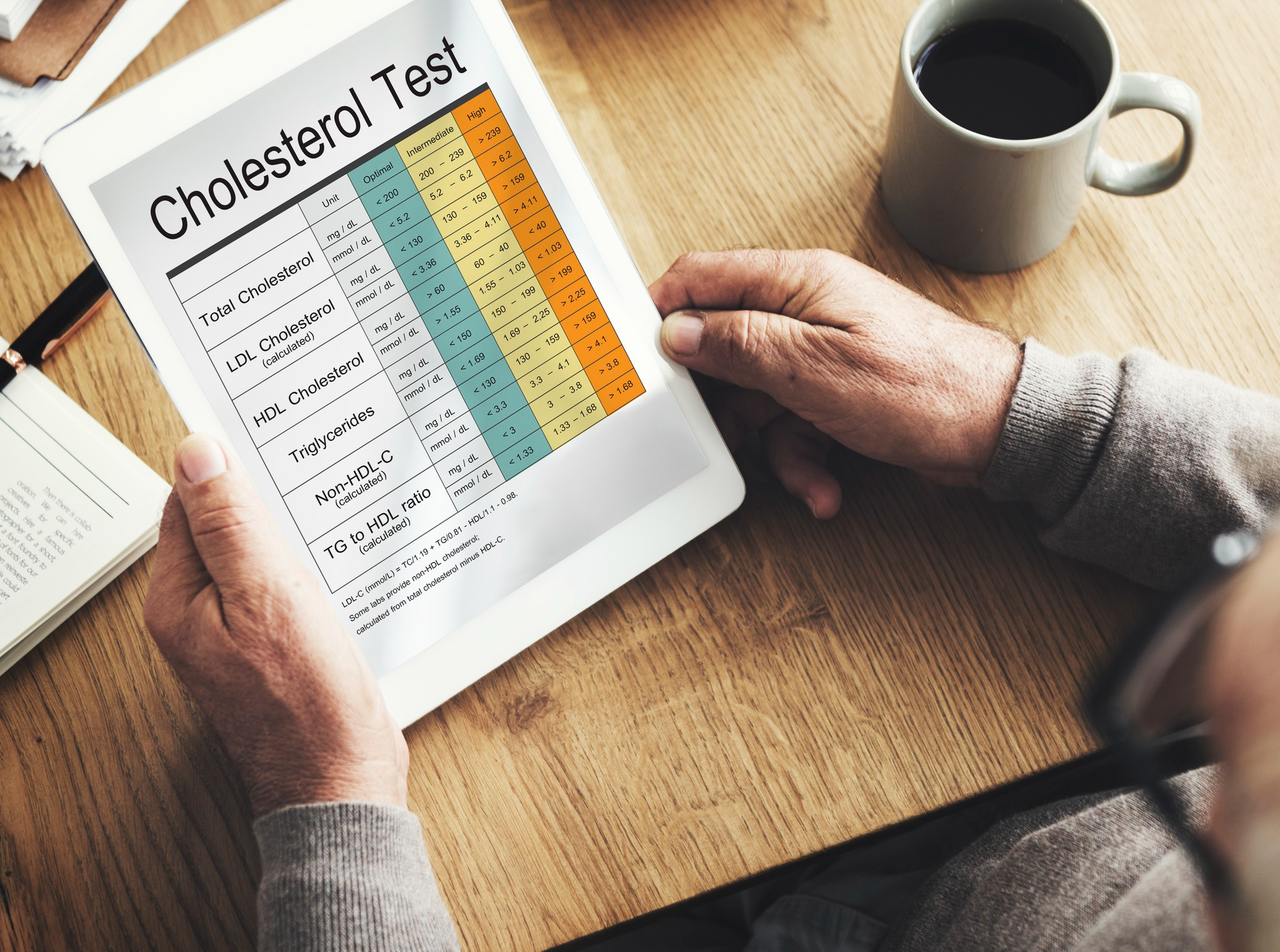
Understand HDL and LDL cholesterol, why balance matters, and how to support heart health effectively.
1 Dec 2025
by Prakash Hospital


Book a consultation with Prakash Hospital's specialists — 24/7 emergency care, 100+ doctors, NABH accredited.
View All Departments