


Sore Throat: Causes, Home Remedies, and When to See a Doctor
Sore throat treatment, home remedies that work, and warning signs that mean you need medical care. Visit Prakash Hospital Noida for consultation.
25 Jun 2026
by Prakash Hospital
A close look at your vocal cords under a microscope, with removal or biopsy of nodules, polyps or suspicious patches in the same sitting.

Your voice has been hoarse for a month, and it isn't a cold. Perhaps you teach, sing or spend the day on calls. Perhaps you smoke, or there's a cough that won't go, or a feeling of something stuck in your throat. Hoarseness that lasts more than 3 weeks always deserves a proper look at the vocal cords, especially in a smoker.
That first look usually happens in the clinic, with a thin scope passed through the nose or mouth. If it shows a growth, or the view isn't clear enough, microlaryngoscopy is the next step. Under general anaesthesia, the surgeon passes a straight, hollow metal tube called a laryngoscope through your mouth to the voice box and examines the vocal cords through an operating microscope at high magnification. Fine instruments passed down the tube can remove nodules, polyps and cysts, or take a small sample (biopsy) of anything suspicious. There's no cut on the neck.
For harmless lumps, removal usually brings a clearer voice over a few weeks, as long as the habits that caused them change too. Voice therapy often matters as much as the operation. When a biopsy is taken, the goal is an answer: whether a patch is harmless, pre-cancerous or cancer, and what treatment it needs.
Our ENT department evaluates hoarseness and vocal cord problems with laryngoscopy and video endoscopy, and treats them with anything from voice rest and therapy to surgery when needed. Throat tumours are assessed here and managed surgically where that's the right course.
Microlaryngoscopy is used both to diagnose and to treat. Your ENT surgeon suggests it after a clinic examination has found something that needs a closer look, a sample or removal.
Tiny scissors, forceps and knives remove nodules, polyps and cysts while protecting the delicate surface layer of the vocal cord that vibrates to make sound. The less healthy tissue disturbed, the better the voice afterwards.
When a patch or growth looks abnormal, part or all of it is removed and sent to the laboratory. Small lesions can sometimes be removed completely in the same sitting.
If one vocal cord is weak or paralysed, material can be injected into it to bulk it up, so the cords meet again and the voice becomes stronger.
When cancer is suspected, the surgeon may also check the throat, the food pipe and sometimes the windpipe under the same anaesthetic, to look for any second lesion.
You're fully asleep. A narrow breathing tube is used so the surgeon has room to work around it.
A guard protects your upper teeth. The laryngoscope is passed through the mouth and fixed in place to give a clear, steady view of the vocal cords.
The operating microscope magnifies the cords so the surgeon can judge the exact size and depth of any lesion, sometimes feeling it with a fine probe.
Nodules, polyps or cysts are removed, or a biopsy is taken, with fine instruments. Everything removed goes to the laboratory.
The procedure takes 20 to 60 minutes. You wake with a sore throat and are asked to rest your voice straight away.
The vocal cords heal like any wound. Talking and throat clearing rub the healing surfaces together, so resting your voice properly in the first two weeks helps the cords heal smoothly.
Most people go home the same day with a sore throat and a weak or hoarse voice. Start voice rest as your surgeon advises.
After nodules or polyps are removed, many surgeons advise complete voice rest for a few days to a week. That means no whispering either, because whispering strains the cords too. Drink plenty of water, take steam, avoid clearing your throat, and keep taking any reflux medicine.
Return to speaking gradually at a soft, normal volume. Voice therapy usually starts now and teaches you to use your voice without strain. Hold off on shouting, singing and long phone calls until you're cleared.
Laboratory results usually take several days to a week. If a biopsy shows cancer or pre-cancer, your ENT surgeon discusses the next steps with you, which may include further surgery, radiotherapy or regular checks.
Call us on +91-8826000033 or come straight to our 24/7 emergency department.
A voice or speech therapist teaches you to use your voice with less strain. Most vocal nodules shrink or disappear with therapy alone, so it's usually tried first.
Acid reflux, smoking, too little water and heavy voice use all inflame the cords. Dealing with them can settle swelling and hoarseness without surgery. If reflux is a big part of the picture, an upper GI endoscopy may be suggested.
Talk to our ENT team
Ask about your options, the cost and your insurance before you decide. See the insurance and TPA panels we work with.
This page explains Microlaryngoscopy (Vocal Cord Surgery and Biopsy) in general terms. Your own plan depends on your health, your test results and your doctor's advice. Please read our medical disclaimer.
Microlaryngoscopy (Vocal Cord Surgery and Biopsy) is led by our ENT team, with other departments stepping in at each stage of your care.
At Prakash Hospital, our ENT Department offers expert diagnosis and advanced treatments for ear, nose, throat, head, and neck conditions, ensuring better health and quality of life for all ages.
What the department treats
Sinus Surgery (FESS)
Tympanoplasty
Septoplasty
Tonsillectomy
Hearing Aid Fitting
Allergy Management
Procedures often considered alongside Microlaryngoscopy (Vocal Cord Surgery and Biopsy), or that treat related conditions.
Removes tonsils that cause repeated throat infections or block a child's breathing during sleep.
Endoscopic surgery through the nose that clears blocked sinuses and polyps when medicines stop working.
A camera test of the food pipe, stomach and duodenum for acidity, ulcers, bleeding and swallowing problems.
Removes part or all of the thyroid for a goitre, a suspicious nodule or an overactive gland.
Straightens the bent wall inside the nose to relieve a constantly blocked nostril, with no cut outside.
Other procedures our ENT team performs.
Removes enlarged adenoids that block a child's nose, disturb sleep or keep causing ear infections.
Closes a hole in the eardrum with your own tissue to stop ear discharge and protect or improve hearing.
Hearing tests, scans and counselling to decide whether a cochlear implant can help where hearing aids no longer do.
We offer expert care across key specialties, including Medicine, Cardiology, Orthopaedics, ENT, Gynaecology, and more—delivering trusted treatment under one roof.
Free tools to check your weight, plan a pregnancy, track calories and more.
Sore throat treatment, home remedies that work, and warning signs that mean you need medical care. Visit Prakash Hospital Noida for consultation.
25 Jun 2026
by Prakash Hospital
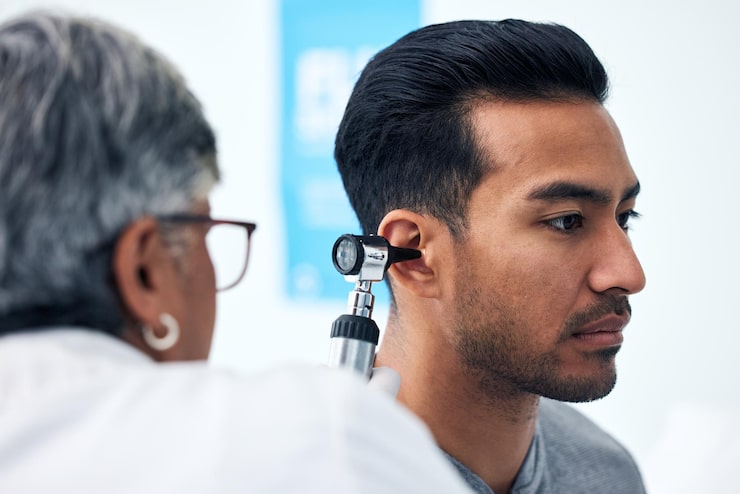
Learn everything about Cochlear implants through this helpful guide with the advice of seasoned experts from Prakash Hospital, Noida.
25 Aug 2025
by Prakash Hospital
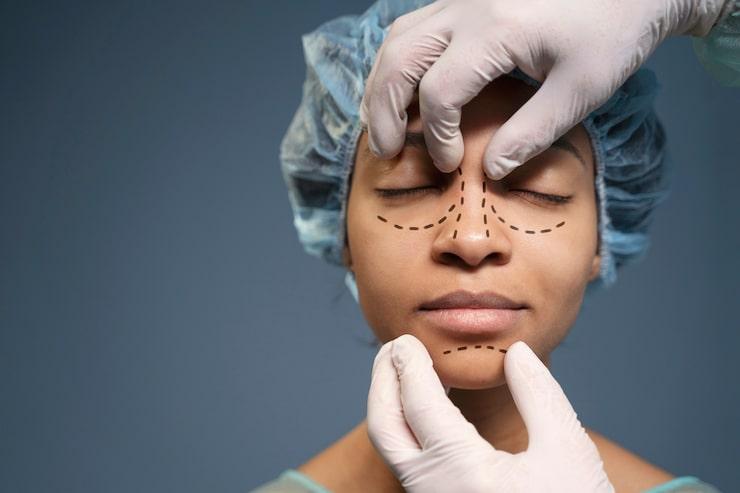
Learn all you need to before getting nose surgery with special insight from doctors at Prakash Hospital, Noida.
19 Aug 2025
by Prakash Hospital

Learn symptoms, risk factors, prevention tips and when to seek expert cardiac care in Noida.
25 Mar 2026
by Prakash Hospital

Comprehensive guide on lowering high blood pressure naturally through diet, exercise, weight control, and medical monitoring.
24 Feb 2026
by Prakash Hospital

सीने में जलन (एसिडिटी) और हार्ट प्रॉब्लम के लक्षणों में क्या फर्क है? कब यह गंभीर हो सकता है और डॉक्टर से कब मिलना चाहिए, पूरी जानकारी हिंदी में।
23 Apr 2026
by Prakash Hospital
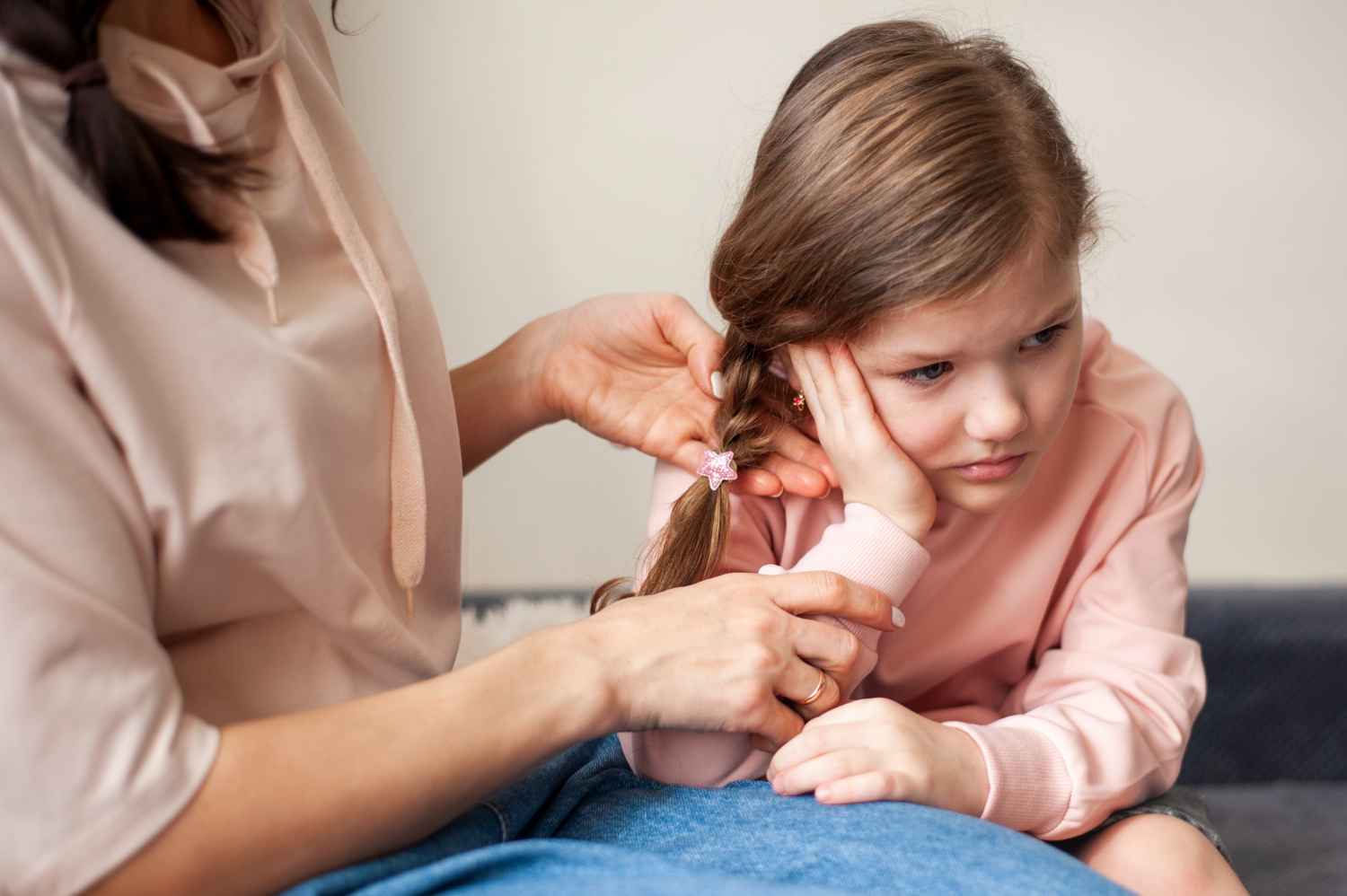
Learn what triggers ear infections, how to spot symptoms early, and which treatments work best for both children and adults.
4 May 2025
by Prakash Hospital

Discover the common causes of lumps behind the ear and how to identify when it's time to seek medical care. Learn about treatment options and diagnostic steps.
10 May 2025
by Prakash Hospital
Answers to common questions about Microlaryngoscopy (Vocal Cord Surgery and Biopsy) at Prakash Hospital, Noida.


Book a consultation with Prakash Hospital's specialists — 24/7 emergency care, 100+ doctors, NABH accredited.
View All Departments