


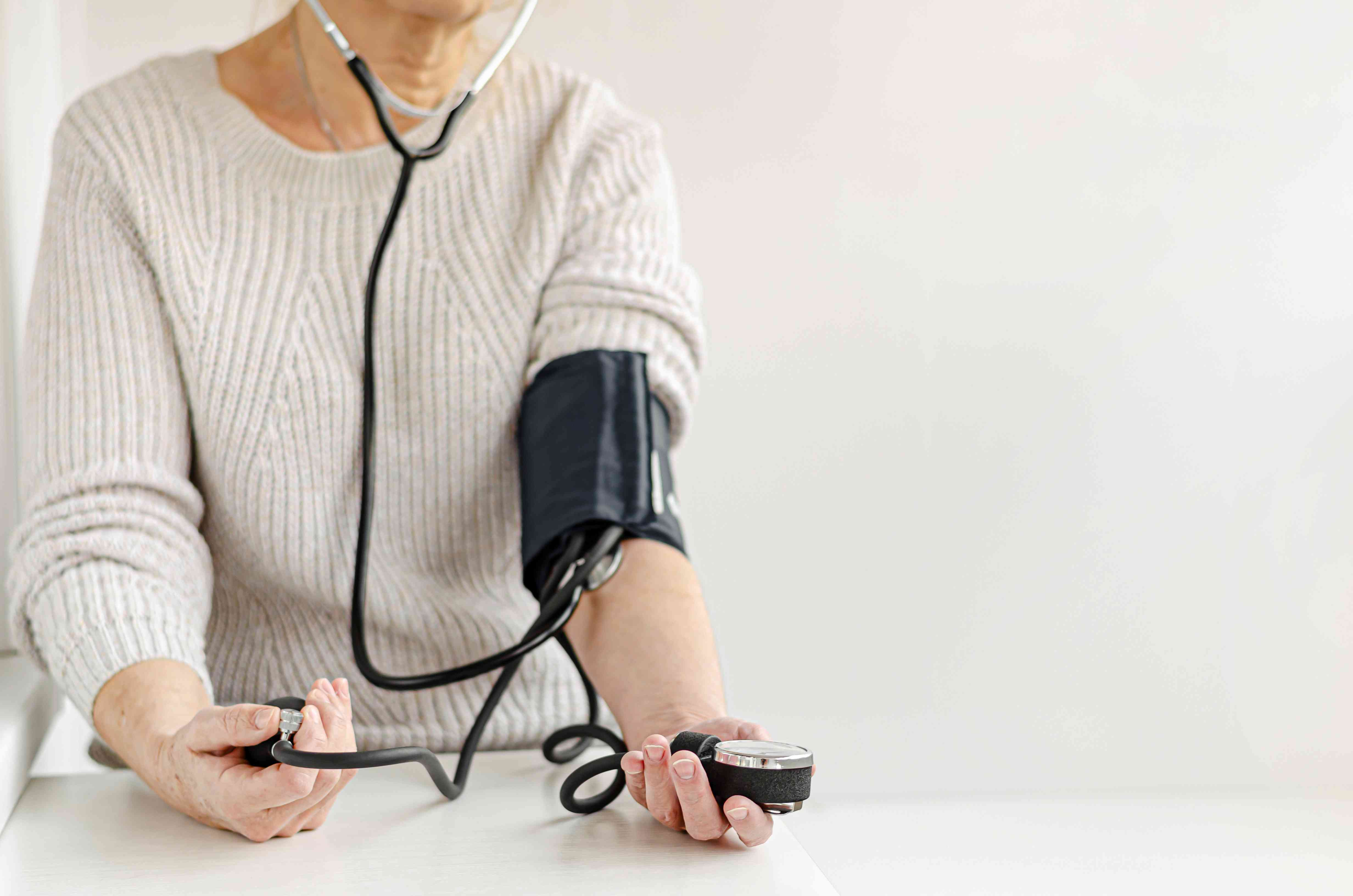
How to Lower Blood Pressure Naturally: What Works and Why
How to lower blood pressure naturally through diet, exercise, sleep and stress management. Evidence-based guide for Indians. Prakash Hospital Noida.
18 Aug 2026
by Prakash Hospital
by Prakash Hospital

A healthcare professional measuring blood pressure in a clinic setting.
Hypertension, also known as high blood pressure, is a chronic condition where blood pressure remains persistently elevated. This puts a strain on the heart and blood vessels. Hypertension is a major risk factor for cardiovascular diseases, stroke, kidney failure, and premature death.
According to world health data, hypertension has affected over 1 billion adults globally. Many people suffering from hypertension remain unaware of their condition due to the absence of noticeable symptoms.
Blood pressure is expressed by two numbers:
Hypertension occurs due to the following reasons:
In most adults, hypertension occurs due to primary or essential hypertension, where the reason for hypertension is unknown.
Lifestyle interventions reduce:
Evidence suggests structured lifestyle modification can reduce systolic blood pressure, depending on adherence.
Sodium retention causes increased blood volume and increased vascular resistance.
Hidden sources of sodium:
DASH stands for Dietary Approaches to Stop Hypertension.
DASH diet includes:
Potassium helps to increase the excretion of sodium and relax the blood vessels.
Include the following high-potassium foods in the diet:
However, patients with kidney disease should consult their physician before increasing potassium.
Excess adipose tissue may increase:
Abdominal adiposity is strongly related to hypertension.
Recommended: At least 150 minutes per week
Exercise may improve:

Individuals performing physical activity to support healthy blood pressure levels.
Alcohol increases blood pressure. Excessive consumption of alcohol also affects blood pressure.
Smoking causes damage to blood vessels. The nicotine in cigarettes causes acute vasoconstriction. The damage to blood vessels can also increase blood pressure.
Sleep quality is also related to hypertension. The reasons include:
Chronic stress causes hypertension. The reasons include:
Ways of managing stress:
Lifestyle changes form the foundation of treatment. However, in some cases, lifestyle changes may not be enough. These cases include:
Medicines used include:
Home monitoring is recommended for:
Proper technique includes:
Consistent tracking improves treatment outcomes.
In cases where blood pressure rises to 180/120 mmHg, with accompanying symptoms of:
This could be a warning of acute damage to organs.

Individual clutching the chest, showing signs of discomfort or pain.
The following can be used in the prevention of hypertension:
The natural way of reducing blood pressure requires a systematic approach that includes changes in diet, lifestyle, weight, stress, etc. This can go a long way in preventing heart attacks, stroke, kidney disease, etc.
At Prakash Hospital, our cardiology specialists provide comprehensive hypertension evaluation, advanced diagnostics, and individualized treatment plans to ensure long-term cardiovascular health.
Schedule your consultation today for expert blood pressure management.

Measures pressure and oxygen inside the heart and lungs through a thin tube, to guide valve and heart failure care.
An ultrasound of the heart that shows how well it pumps and how the valves work. Painless and radiation-free.
An X-ray dye test that maps blockages in the heart's arteries and guides the choice between medicines, stents and surgery.
Free tools to check your weight, plan a pregnancy, track calories and more.
We offer expert care across key specialties, including Medicine, Cardiology, Orthopaedics, ENT, Gynaecology, and more—delivering trusted treatment under one roof.
How to lower blood pressure naturally through diet, exercise, sleep and stress management. Evidence-based guide for Indians. Prakash Hospital Noida.
18 Aug 2026
by Prakash Hospital
Practical ways to lower blood pressure naturally through diet, exercise, and lifestyle — plus when medication is needed. Prakash Hospital Noida.
5 Aug 2026
by Prakash Hospital
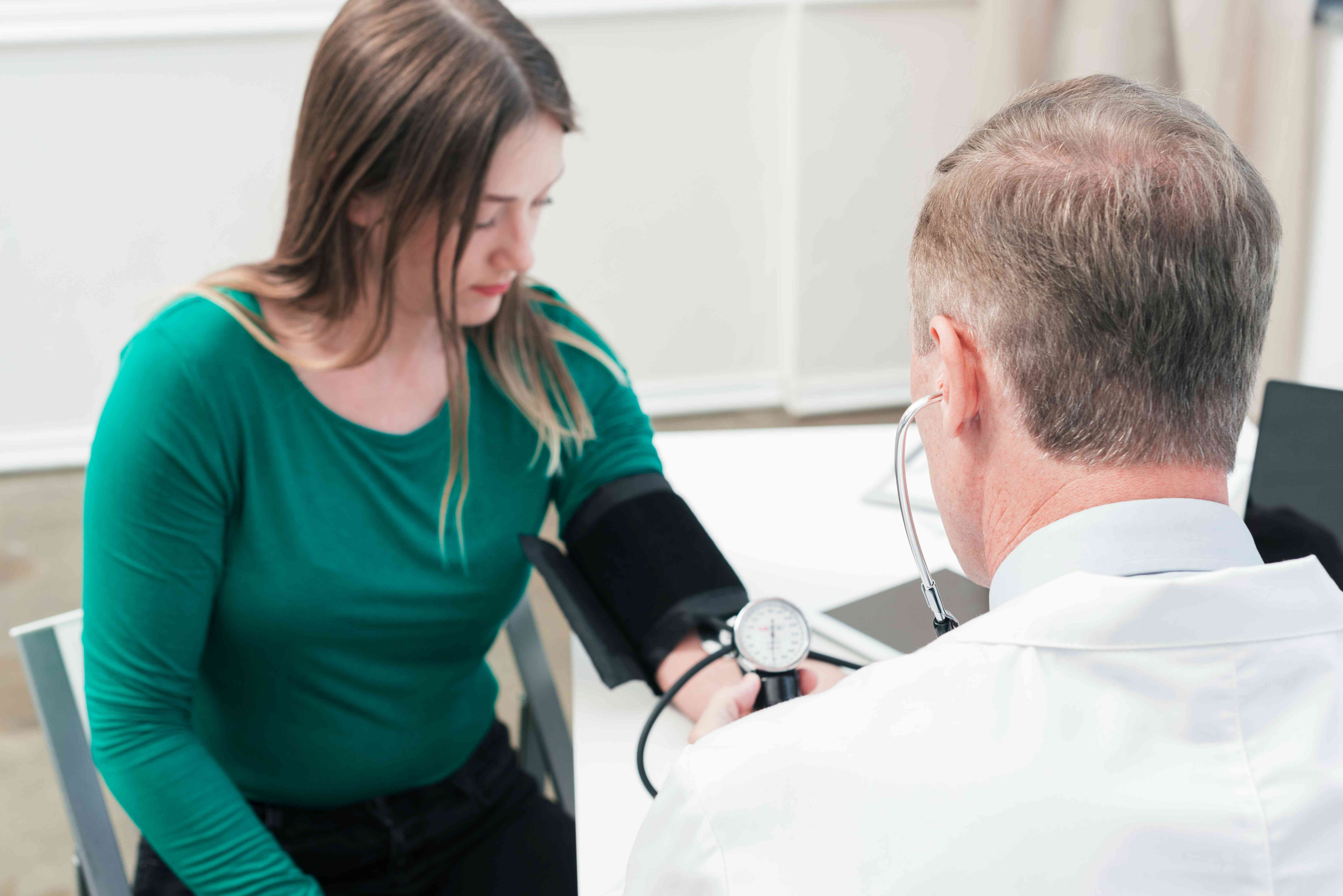
High blood pressure affects millions silently. Know symptoms, treatment, and lifestyle changes. Visit Prakash Hospital Noida.
22 Jul 2026
by Prakash Hospital

Learn the early symptoms of thyroid problems in women, common causes, and when to seek medical advice for timely diagnosis and treatment.
13 May 2026
by Prakash Hospital

Discover what causes insulin resistance and how diet, exercise, sleep, and lifestyle changes can help you take control of your health
9 Apr 2026
by Prakash Hospital

जानिए थायरॉइड टेस्ट कब करवाना चाहिए, किन लक्षणों में जांच जरूरी है, और कौन-कौन से टेस्ट होते हैं। सही समय पर Prakash Hospital से संपर्क करें।
2 Mar 2026
by Prakash Hospital

Learn symptoms, risk factors, prevention tips and when to seek expert cardiac care in Noida.
25 Mar 2026
by Prakash Hospital
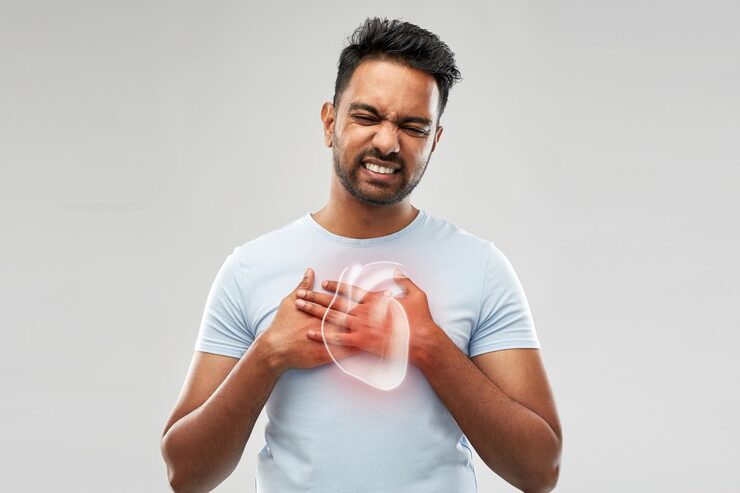
Heart attack warning signs in men and women, what to do immediately, and how to reduce risk. Visit Prakash Hospital Noida for cardiac care.
22 Jul 2026
by Prakash Hospital

Indian foods that help lower cholesterol, what to avoid, and a practical meal plan. Visit Prakash Hospital Noida for cardiology care.
21 Jul 2026
by Prakash Hospital


Book a consultation with Prakash Hospital's specialists — 24/7 emergency care, 100+ doctors, NABH accredited.
View All Departments