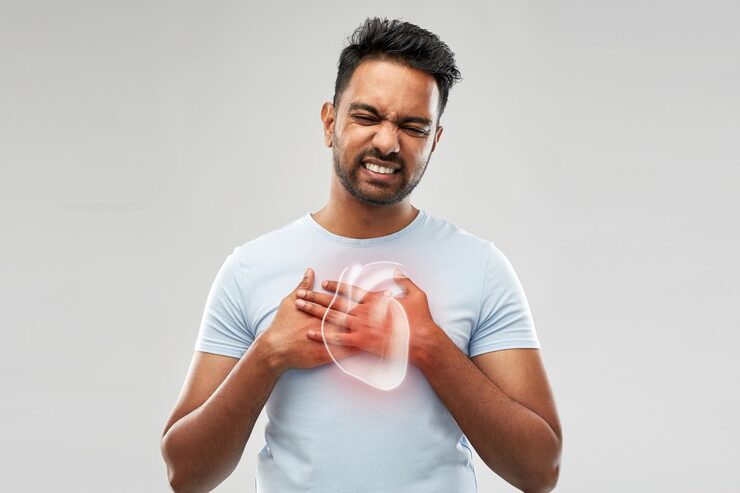
A man holds his chest, illustrating the connection between stress and heart-related issues.
Stress has rapidly turned into an unavoidable fact within our lives. The reason for this transformation is due to many different forces in our lives that can create a lifetime of stress such as deadlines, financial difficulties, family responsibilities and lifestyle demands. While stress on occasion can be normal, having chronic stress is a silent ability that will have potentially damaging effects on your physical health, particularly your heart.
Many studies have supported a strong connection between having long term stress and the development of heart disease. When you are aware of this connection, you can take action to help protect your cardiovascular health.
How Does Stress Affect the Body?
When you have experienced some type of stress, the response of "fight or flight" is activated in your body. The adrenal glands will then release adrenaline and cortisol. The general secretions of these hormones will lead to many different physical symptoms including:
Rapid heart rate
Increased blood pressure
Increased breathing rates
Constrictions of blood vessels
Increase in blood sugar
While the body's response to stress can have positive benefits in emergency situations, continuing to have this response over a period of time creates a constant state of being stressed out on your heart and blood vessels.
With the continual activation of the fight or flight response, there is a repeated stress response which could contribute to damage to your cardiovascular system in the long run.
How Can Existing Stress Affect the Heart?
1. High Blood Pressure
Long periods of stress can result in high blood pressure over time and elevated blood pressure can lead to damage to the inner walls of arteries or blood vessels which in turn increases the chance of plaque build up within your arteries.
Uncontrolled hypertension is a major risk factor for:
Diseases of the coronary arteries
Heart attacks
Strokes
Heart failure
2. Stress Increases Inflammation in the Body
Chronic stress causes the release of inflammatory markers, which are linked to the development of atherosclerosis (the narrowing of arteries due to plaque accumulation). In addition, inflamed blood vessels are more susceptible to being blocked.
3. Irregularities in Heart Rhythm
Stress can cause palpitations and abnormalities in heart rhythm. If you have a pre-existing heart condition, you may be at increased risk for experiencing serious complications as a result of this stress.
4. Stress-related Cardiomyopathy
In unusual situations, it is possible for extreme emotional distress to produce a temporary weakening of the heart muscle. This condition, which is sometimes called "broken heart syndrome," resembles a heart attack and requires medical treatment.
5. Indirect Effects of Stress on Your Heart
In addition to clearly damaging the heart, chronic stress affects lifestyle choices that are detrimental to your heart.
For example, if you are under chronic stress, you are likely to:
Smoke
Drink excessive amounts of alcohol
Eat poorly
Not exercise
Have trouble sleeping
All of these factors contribute to obesity, diabetes and high cholesterol, which are the three leading causes of heart disease.
People living in rapidly urbanizing areas such as Noida face additional stress due to the demands of long hours and a sedentary lifestyle.
Crisis Indicators That Indicate Stress Is Impacting Your Heart
Recognizing indications early on is crucial. Some frequent warnings of stress are:
Tightness in your chest
Heart pounding rapidly
Difficulties breathing
Feeling constantly fatigued
Headaches
Increased blood pressure reading at rest
If you experience chest discomfort and experience symptoms of profuse sweat, nausea, or pain radiating to your left arm or jawline, seek help at a hospital immediately.
A man holds his chest, indicating a feeling of tightness or discomfort.
Who is Most at Risk?
Certain groups are more susceptible to heart problems related to stress:
Those with established high blood pressure (hypertension)
Individuals with established diabetes
Individuals with existing heightened levels of cholesterol
Smokers
Individuals with previous cardiac history in family
Employees working in high-stress professions
Caregivers who experience chronic emotional stress
Middle-aged, working in high-stressed occupations are the most vulnerable.
Cortisol’s Role in Cardiovascular Disease
Cortisol, the most predominant hormone of stress, has a significant effect on the risk of cardiovascular disease.
Cortisol being elevated chronically may:
Increase abdominal (visceral) fat
Increase blood sugar levels
Elevate blood pressure
Change balance of cholesterol levels
When you combine the above changes in metabolism from chronic stress, it can result in an increasing risk of heart disease or developing heart disease over time.
Can Stress Alone Induce a Heart Attack?
Stress by itself may not cause a heart attack, also called Myocardial Infarction, but may exacerbate a preexisting coronary artery disease to induce one as a secondary event.
Emotional stress can also:
Increase myocardial oxygen demand
Cause transient vasoconstriction
Plaque rupture in vulnerable arteries leading to a sudden cardiac event
Ways to Reduce Stress to Protect Your Heart
Management of stress is important when it comes to preventing heart disease.
Regular Physical Activity
Regular physical activity is important for:
Lowering blood pressure
Improving mood
Decreasing cortisol levels Strengthening the heart
Aim for at least 30 minutes of moderate physical activity on most days of the week.
Improve Sleep Cycle
Quality of sleep affects stress hormone levels and risk of developing cardiovascular disease.
Be consistent with sleep/wake times
Avoid screens before sleep
Avoid caffeine in the afternoon/evening
Relaxation Techniques
Managing stress effectively can be done through the use of:
Deep breathing exercises
Meditation
Yoga
Mindfulness activities
Listening to calming music
Social Connections
Having supportive connections helps to decrease the impact of stress on the heart. Spending time with family and friends improves your overall well-being.
Healthy Diet
Eating a heart-healthy diet can be made by including fresh fruits and vegetables, whole grains, lean meats, and healthy fats. Avoiding processed foods, salt, and sugary drinks is also important.
Importance of Regular Check Ups
Regular check-ups with your doctor can help to identify risk factors (for heart disease) before symptoms develop.
A regular check-up may include checking:
Blood pressure
Lipids (cholesterol)
Blood sugar
ECG
Your doctor may also perform a stress test if they feel it is needed.
Finding cardiovascular issues early gives you the opportunity for timely intervention.
A man sits with a doctor during a routine health check-up.
When You Should Visit a Cardiologist
See a doctor if you have:
Frequent chest discomfort
Repeated episodes of palpitations
Unmanaged high blood pressure
Shortness of breath with very little exertion
Strong family history of cardiovascular illness
Early examination can stop serious complications in their tracks.
Frequently Asked Questions
1. Can emotional stress cause permanent damage to the heart?
Chronic (unmanaged) stress causes long-term damage to the heart and blood vessels especially when combined with other risk factors.
2. Is stress more dangerous for someone who already has heart disease?
Yes. People who have pre-existing heart problems are at greater risk for complications due to stress.
3. Are relaxation techniques effective in lowering blood pressure?
Yes. If used regularly, relaxation techniques can lower blood pressure and improve heart health.
4. How fast do you see changes in your heart due to stress?
Stressful events raise blood pressure and heart rate immediately. Long-term stress contributes to an increased risk over the years.
5. Is stress at work a serious health threat?
Yes. Continued high levels of pressure in the workplace increase the risk for cardiovascular disease if not appropriately managed.
Advanced Cardiac Care at Prakash Hospital
At Prakash Hospital in Noida, our experienced cardiologists provide comprehensive evaluation and management of heart-related conditions, including stress-associated cardiovascular risks.
Our cardiac services include:
Preventive heart health screening
Advanced ECG and echocardiography
Stress testing
Hypertension management
Lifestyle counseling
Emergency cardiac care
If you are experiencing symptoms or have multiple risk factors, do not ignore the warning signs. Early intervention can significantly reduce the risk of heart attack and other complications.
Visit Prakash Hospital, Noida for expert cardiac evaluation and personalized care designed to protect your heart and overall health.
We offer expert care across key specialties, including Medicine, Cardiology, Orthopaedics, ENT, Gynaecology, and more—delivering trusted treatment under one roof.
Understand the critical difference between a heart attack and cardiac arrest, their symptoms, causes, emergency response steps, and treatment options. Learn when to seek urgent help from expert cardiologists at Prakash Hospital.
Learn how heart disease affects women differently. Discover key risk factors, symptoms, and prevention tips from cardiology experts at Prakash Hospital.
Understanding early symptoms of heart disease can help prevent severe complications. Learn about the key warning signs such as chest discomfort, fatigue, and breathlessness in this in-depth guide.