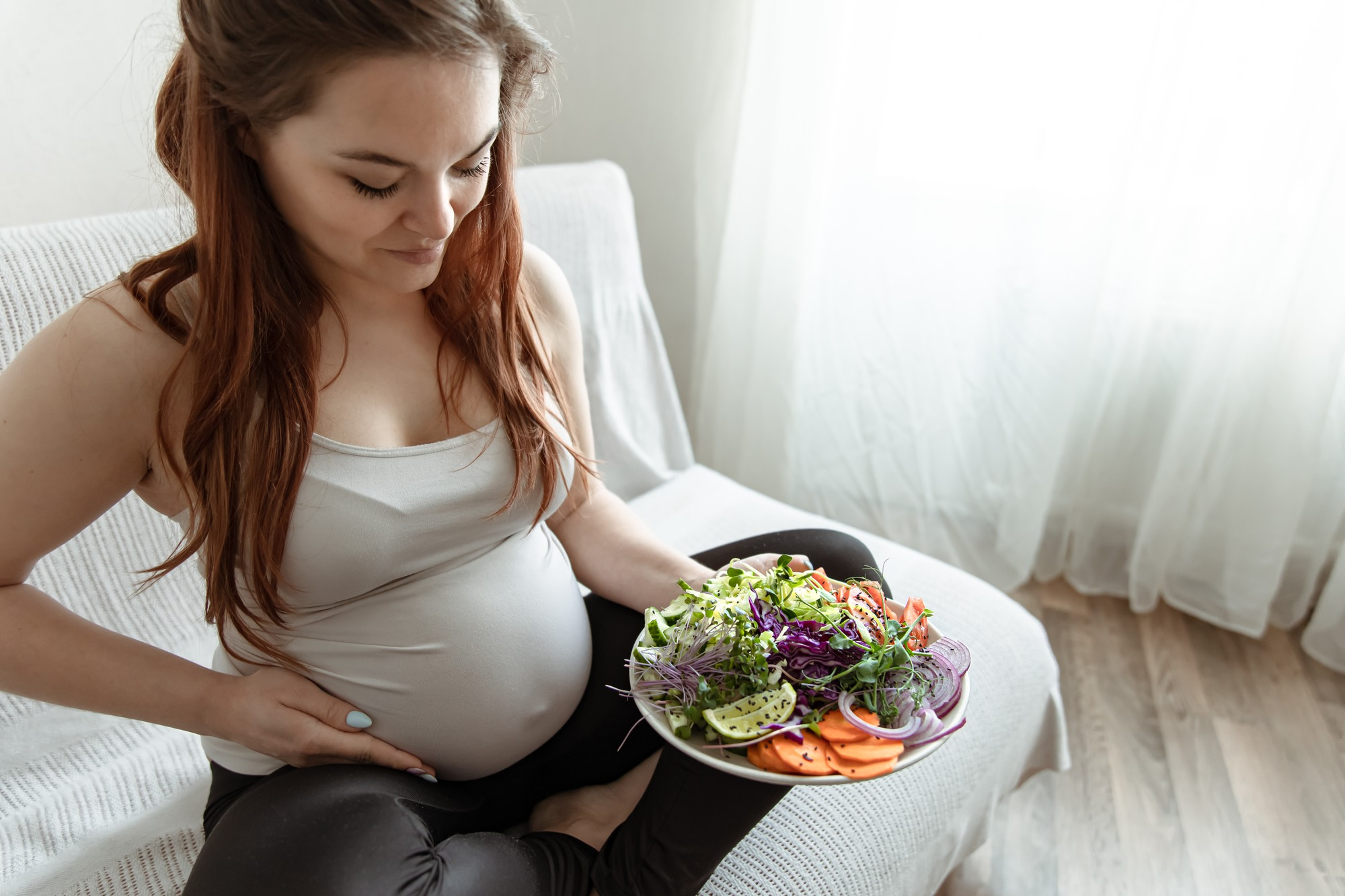
Pregnant woman sitting with a healthy food plate.
Proper nutrition during pregnancy is vital for the mother's health and that of the developing baby. What you eat throughout these nine months directly affects the growth of your fetus, the development of their brain, their immunity and overall pregnancy outcomes. A well-balanced pregnancy diet decreases complications such as low birth weight, gestational diabetes, anaemia and preterm labour. Understanding what to include and what to avoid can make pregnancy safer, smoother and healthier.
The nutritional demands of a woman rise considerably during pregnancy since the body not only works to sustain her health but also the growth of the baby inside. It helps in the building up of the placenta, development of organs, bones and strengthening of the immune system of the unborn child. Poor dietary habits during this phase may lead to fatigue, nutrient deficiencies, complications during childbirth and long-term health issues for the baby.
A healthy pregnancy diet also helps in the control of excessive weight gain, maintains stable energy levels and supports hormonal balance.
Certain nutrients become especially important during pregnancy and should be consumed on a daily basis.
It helps in preventing neural tube defects and supporting the development of the brain and spinal cord especially in the first trimester. Sources include green leafy vegetables, oranges, legumes, fortified cereals and spinach.
Iron is essential for the production of haemoglobin which carries oxygen to the baby. Lack of iron can lead to anemia and extreme fatigue. Good sources include spinach, beetroot, red meat, lentils, dates and jaggery.
It helps in the development of the baby's bones and teeth. This is necessary for the mother because it maintains bone strength. Sources include milk, yogurt, paneer, almonds, ragi and sesame seeds.
Proteins are necessary for the growth of the fetal tissues, which include the brain. Healthy sources include eggs, lean meat, fish (safe varieties), tofu, pulses, nuts and dairy products.
They support the brain and eye development of the baby. These can include walnuts, flaxseeds, chia seeds and fatty fish like salmon.
It assists in the absorption of calcium and thus supports immune functions. Sources include sunlight exposure, fortified dairy, eggs and mushrooms.
A healthy pregnancy diet must be well-rounded containing a variety of nutrient-dense foods for energy, vitamins and minerals.
Whole wheat, brown rice, oats and millets provide fibre and sustained energy. They also prevent constipation, a common pregnancy-related problem.
These provide vital antioxidants, vitamins and hydration. Aim for a colourful plate with seasonal fruits and vegetables.
Consume adequate amounts of healthy fat foods such as olive oil, nuts, seeds and avocados to maintain hormonal balance and support fetal development.
Milk and its products like curd and paneer give calcium and proteins which are essential for the development of bones.
Get enough protein from lentils, legumes, eggs, chicken, fish and tofu to help your muscles and tissues grow.
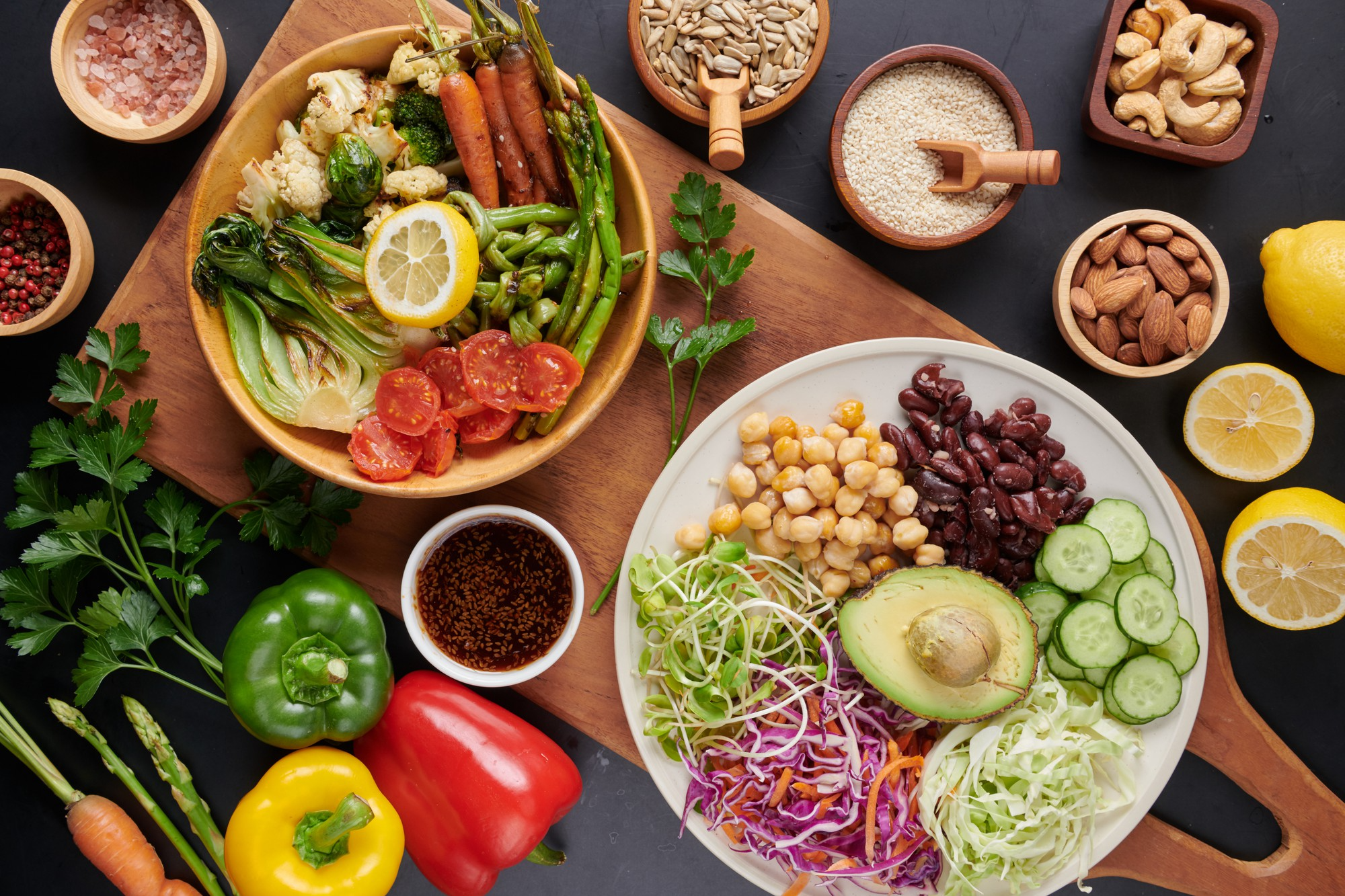
A colourful assortment of healthy foods ideal for pregnancy.
Certain foods carry a risk of infection or may harm the developing baby and thus are best limited or avoided.
Avoid raw seafood, undercooked eggs and partially cooked meat because they may contain dangerous bacteria such as Salmonella and Listeria.
Fish such as shark, swordfish and king mackerel have high levels of mercury that may affect the development of a baby's brain.
These may carry harmful bacteria and increase the risk of foodborne infections.
High caffeine intake is associated with low birth weight and miscarriage. Limit intake to one small cup of tea or coffee per day.
Most ultra-processed foods are high in added sugars, unhealthy fats and sodium and thus have been linked with excessive weight gain and low nutritional value.
Hydration is as critical as nutrition. Adequate hydration promotes digestion, prevents constipation, supports blood volume expansion and maintains amniotic fluid levels. A pregnant woman should drink at least 8-10 glasses of water per day and even more if the weather is hot or she is engaging in physical activity.
It can be minimized by eating small frequent meals, ginger and bland foods like crackers or toast.
Avoid spicy and greasy foods. Eat slowly, and remain upright after eating.
Increase fiber intake through fruits, vegetables and whole grains. Drink plenty of water.
Include iron-rich foods and keep meals balanced to avoid energy crashes.
Healthy weight gain during pregnancy varies depending on pre-pregnancy weight. However, balanced nutrition helps avoid excessive gain or unhealthy weight loss. Rather than eating for two, the goal should be eating smart with nutrient-dense foods.
If you suffer from acute nausea, rapid weight changes, gestational diabetes or food aversions limiting nutrient intake, seek medical advice. A healthcare professional will be able to recommend individual dietary plans and supplements if necessary.

A pregnant woman consulting a doctor during a prenatal check-up.
The nutritionists at Prakash Hospital play a vital role in supporting patients through personalised diet plans tailored to their medical needs, lifestyle and recovery goals. With a focus on balanced nutrition and long-term wellness, the approach combines expert guidance with practical meal advice to help patients improve immunity and optimise overall health as part of a comprehensive healthcare experience.
Proper nutrition during pregnancy is one of the most important steps toward ensuring a healthy pregnancy and safe delivery. A well-balanced diet rich in essential nutrients supports baby's growth, strengthens the mother's body, reduces complications and prepares the body for childbirth and breastfeeding. With healthy food selection, adequate hydration and avoidance of harmful substances, pregnant mothers can better the outcomes of pregnancy and lifelong health for their children. Consistency, awareness and mindful eating are just some of the important keys to a healthy and nourished pregnancy.
 Copy
CopyWe offer expert care across key specialties, including Medicine, Cardiology, Orthopaedics, ENT, Gynaecology, and more—delivering trusted treatment under one roof.


Book a consultation with Prakash Hospital's specialists — 24/7 emergency care, 100+ doctors, NABH accredited.

Prakash Hospital Pvt. Ltd. is a 100 bedded NABH NABL accredited multispecialty hospital along with a center of trauma and orthopedics. We are in the service of society since 2001.
OUR SPECIALITIES
Patient Services
PROCEDURES
Contact Us
D – 12A, 12B, Sector-33, G. B. Nagar, Noida, Uttar Pradesh 201301
+91-8826000033


© 2026 All rights reserved.
Designed and Developed by Zarle Infotech