



Best Foods for Hair Growth: What to Eat for Healthier Hair
Best Indian foods for hair growth — what to eat for thicker, stronger, faster-growing hair. Guide from Prakash Hospital Noida.
4 Sept 2026
by Prakash Hospital
by Prakash Hospital
by Prakash Hospital
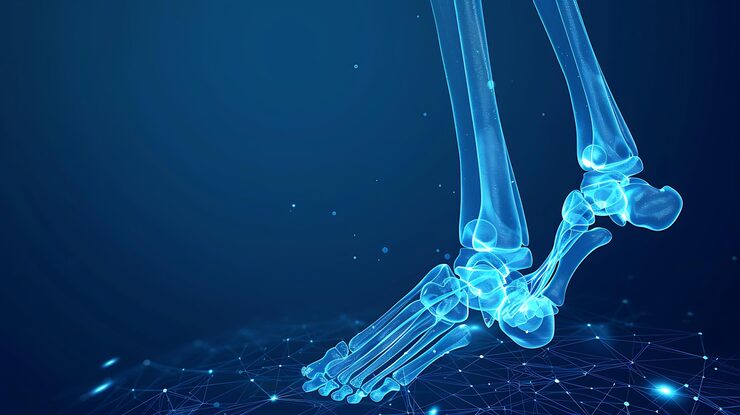
visual diagram of osteomyelitis
A lot of people think that bone discomfort is just an indication of an accident, too much use, or getting older. However, in other situations, long-term bone pain may indicate an infection called osteomyelitis, which is a far more severe condition. If you have this issue, you should consult a doctor straight away to avoid long-term complications, including bone damage or a systemic infection.
Osteomyelitis is a nasty infection of the bones that can happen when bacteria or, less often, fungi enter the bone tissue. This infection can make bones hurt, swell, and, in the worst cases, cause them to be damaged for good.
The infection could develop in the bone or travel there through the blood from another region of the body. It can happen after surgery or an injury to a bone, especially if bacteria get into the body through an open incision.
Persons of any age can have osteomyelitis, but it is more common in children, older individuals, and persons with weak immune systems.
Staphylococcus aureus (staph) germs, which are typically found on the skin or in the nose, are the most prevalent cause of osteomyelitis. These germs can get into the blood or a wound and then travel to the bone, where they can cause an infection.
Some things that can trigger or make things worse are:
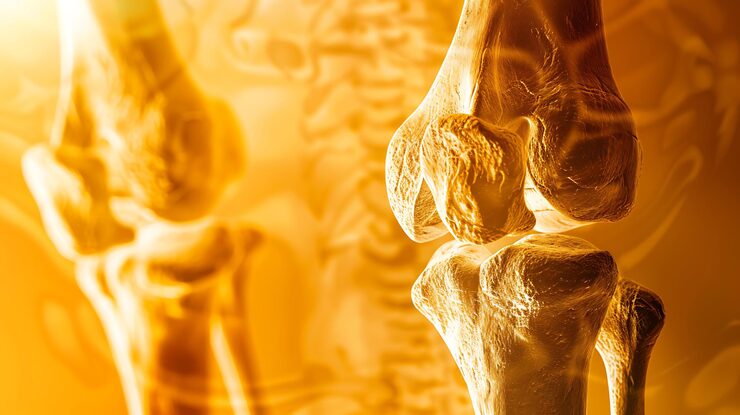
bones displaying signs of osteomyelitis
Knowing the early indicators of osteomyelitis is very important so that one can avoid further issues. The symptoms can be different depending on which bone is infected and if the infection is acute or persistent.
Some common indications are:
It is very crucial to find out about the infection early so it doesn't spread and damage bone tissue. The first thing a doctor will do is collect a comprehensive medical history and undertake a physical exam. After that, they will run tests to figure out what's wrong, such as:
If the white blood cell count and inflammatory markers (ESR and CRP) are high, blood testing can suggest that there is an infection.
Tests that employ pictures
The best approach to find out what's wrong is to do a bone biopsy. A little bit of bone is extracted to figure out what organism is causing the infection so that specific antibiotic therapy can be arranged.
The goal of treating osteomyelitis is to get rid of the infection, make the symptoms better, and stop the bones from getting worse. The approach utilized depends on how bad the infection is, where it is, and how healthy the person is generally.
1. Using antibiotics to treat
Usually, IV antibiotics are given right away, especially for extreme infections. For a few weeks, these are administered, and subsequently, antibiotics are given by mouth.
When lab testing reveals the germs that caused the disease, the antibiotics are altered to kill them.
People typically take clindamycin, vancomycin, or cephalosporins as antibiotics, depending on the kind of infection they have
2. An operation
Surgery may be necessary, especially for infections that linger a long time or are very serious. Here are the steps:
3. Supportive Care Immobilization: The damaged limbs may be put in a cast or splint to help them heal.
Pain relief: Analgesics aid with pain.
Food and water: A nutritious diet helps the immune system perform better and restore damaged tissue.
4. Dealing with current conditions
For people with diabetes or vascular disease, keeping blood sugar levels stable and improving circulation are very important to avoid getting ill again. If you don't get treatment, problems can happen. If osteomyelitis isn't treated or managed correctly, it can lead to major complications like chronic infection and death of the bone (necrosis).
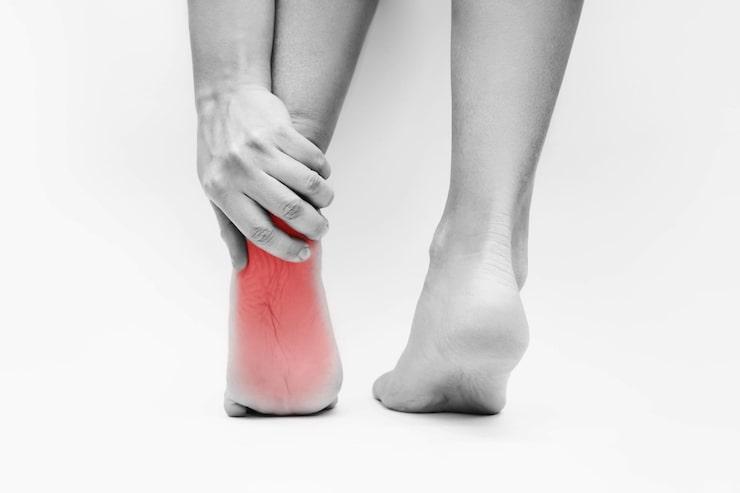
person experiencing bone pain
Not all cases can be avoided, but there are certain things you can do to minimize your risk of acquiring osteomyelitis:
If you have a fever, discomfort that won't go away, or open wounds, get medical care as soon as possible.
If you have unexplained bone pain, a fever, or a wound that won't heal, you need to visit a doctor immediately. Finding and treating problems early makes a major difference in how they turn out and stops them from getting worse over time.
Osteomyelitis is a dangerous infection of the bones that can be treated. Modern medicine has made it possible to get rid of diseases and maintain bones healthy using antibiotics and surgery.
Our orthopedic doctors, infectious disease experts, and surgeons at Prakash Hospital work together to give you full treatment, from establishing the appropriate diagnosis to helping you get better. If you fear you have a bone infection or are coping with chronic bone pain, don't wait to obtain medical care. Getting treatment early can make a major difference in how well you can move, how comfortable you are, and how good your life is.

Removes an inflamed appendix through three small cuts, usually with one or two nights in hospital.
Straightens the bent wall inside the nose to relieve a constantly blocked nostril, with no cut outside.
Removes part or all of the thyroid for a goitre, a suspicious nodule or an overactive gland.
Free tools to check your weight, plan a pregnancy, track calories and more.
We offer expert care across key specialties, including Medicine, Cardiology, Orthopaedics, ENT, Gynaecology, and more—delivering trusted treatment under one roof.
Best Indian foods for hair growth — what to eat for thicker, stronger, faster-growing hair. Guide from Prakash Hospital Noida.
4 Sept 2026
by Prakash Hospital
Lower back pain in women — why it happens, how hormones and PCOD play a role, and what actually helps. Prakash Hospital Noida.
25 Aug 2026
by Prakash Hospital

Vitamin D rich foods — a complete list of the best dietary sources, from fish and eggs to fortified foods and mushrooms. Visit Prakash Hospital Noida for health checkups.
21 May 2026
by Prakash Hospital

लिवर सिरोसिस के लक्षण, कारण, स्टेज और इलाज जानें। पीलिया, पेट में सूजन और थकान को नजरअंदाज न करें। Prakash Hospital में पाएं एडवांस लिवर केयर और गैस्ट्रोएंटरोलॉजी उपचार।
12 Jun 2026
by Prakash Hospital
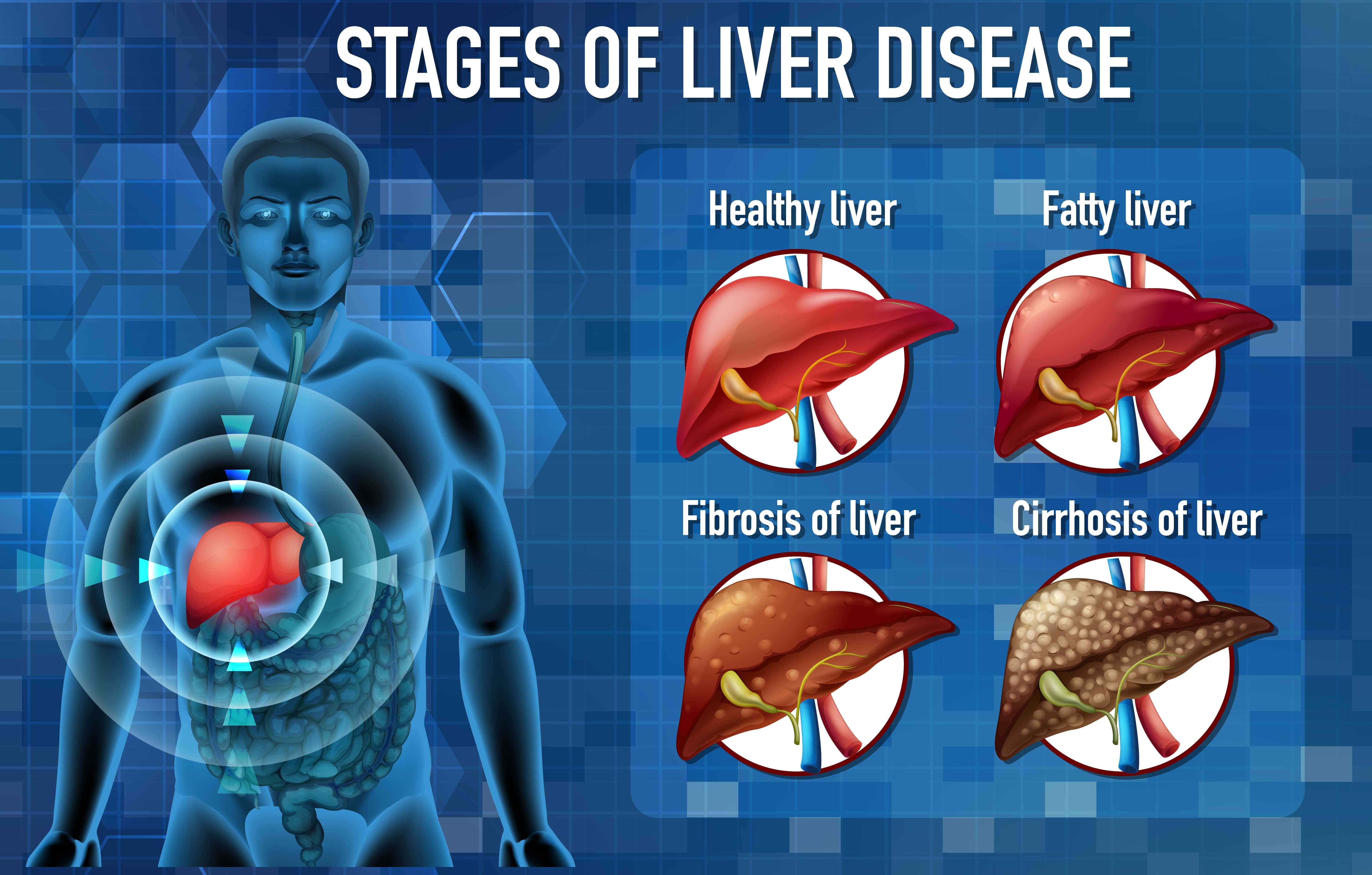
Home remedies to strengthen the liver — foods, lifestyle changes, and natural approaches that support liver health. Visit Prakash Hospital Noida for liver care.
11 Jun 2026
by Prakash Hospital

Hepatomegaly or enlarged liver — understand the causes, symptoms, and treatment options. Visit Prakash Hospital Noida for liver evaluation and care.
7 Jul 2026
by Prakash Hospital


Book a consultation with Prakash Hospital's specialists — 24/7 emergency care, 100+ doctors, NABH accredited.
View All Departments