


Nausea: Causes, Quick Relief, and What Actually Works
Nausea has many causes, from pregnancy to migraines to medications. Know the home remedies that work and when to see a doctor. Prakash Hospital Noida.
25 Jun 2026
by Prakash Hospital
by Prakash Hospital
by Prakash Hospital
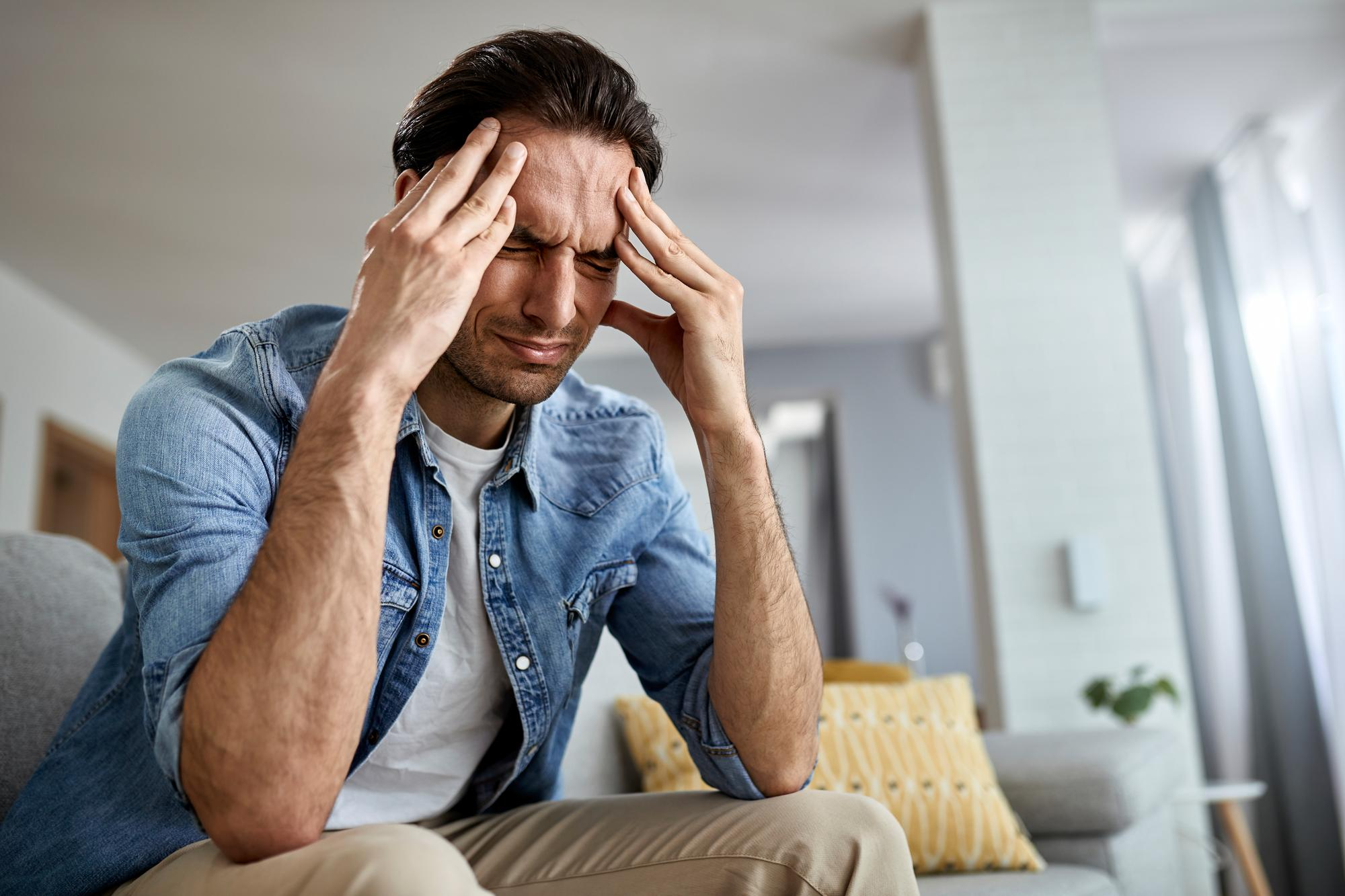
A stressed young man.
In today's busy world, it's nearly impossible to get through life without feeling stressed out at one point or another. Is it meeting deadlines, dealing with relationships or just dealing with the unknown? Everyone feels tension. But when that nagging worry begins to feel like a shadow that haunts you everywhere you go, it can be tricky to distinguish if it is just stress or anxiety?
Although they tend to co-occur, stress and anxiety are distinct. Knowing the difference is paramount to dealing with both successfully and staying mentally healthy.
Stress is a normal reaction to difficulty or challenges. It's your body's way of getting ready to deal with a situation such as an exam, job interview or fight. When you feel stressed, your body secretes hormones such as cortisol and adrenaline, which initiate the ‘fight or flight’ reaction. It keeps you awake and concentrated.
Short term stress is not necessarily a bad thing. It can actually help you get things done, figure out problems and stretch your limits. But when stress becomes chronic, weeks or months, it can begin to affect your physical and mental well-being.
Symptoms of stress are:
Although stress tends to resolve once the source of stress has passed, prolonged exposure can create more severe conditions such as anxiety, depression or burnout.
Anxiety is more than a response to particular challenges. It's a nagging sense of worry, fear or apprehension that tends to arise even when there is no apparent cause. While stress tends to dissipate once the issue is resolved, anxiety doesn't always do so and can even increase over time.
Some common signs of anxiety are:
Anxiety can interfere with daily routine, relationships and job performance. When they are intense and not easily controlled they can be a symptom of an anxiety disorder, like generalized anxiety disorder social anxiety or panic disorder.
Simply put, stress is your body's response to a challenge but anxiety is your mind's response to that stress, usually extended and exaggerated.
One of the most common anxiety disorder triggers is chronic stress. When your body continues in its state of high alertness, the stress hormones cannot recover to their normal levels. Eventually, it creates emotional exhaustion, panic attacks and a sense of being helpless.
For instance, a person with persistent work stress may start worrying excessively about their performance, fearing they will be criticized or expecting to fail even when they're performing well. This persistent pattern can convert normal stress to generalized anxiety.

An overworked man with workplace stress and burnout.
Both stress and anxiety impact practically all the body's systems.
Chronic exposure can lead to:
These consequences affect personal well-being and also impact work productivity, social relationships and overall quality of life.
Both stress and anxiety are controllable with practical strategies and good habits of living. Here are some useful strategies to take back control:
Maintain a journal to record what triggers your stress or anxiety. Having awareness is the first step to changing. Once you know your triggers such as social events, deadlines or individuals, you can prepare or react differently.
Mindfulness keeps you in the moment rather than worrying about what will happen next or what has already passed. A few simple breathing exercises, guided meditations or some yoga poses can soothe the mind and quiet down physiological stress reactions.
Tip: Practice deep breathing, breathe in for 4 seconds, hold for 4 and breathe out for 6. Do it a few times to tell your body that it's time to relax.
A woman practicing deep breathing techniques.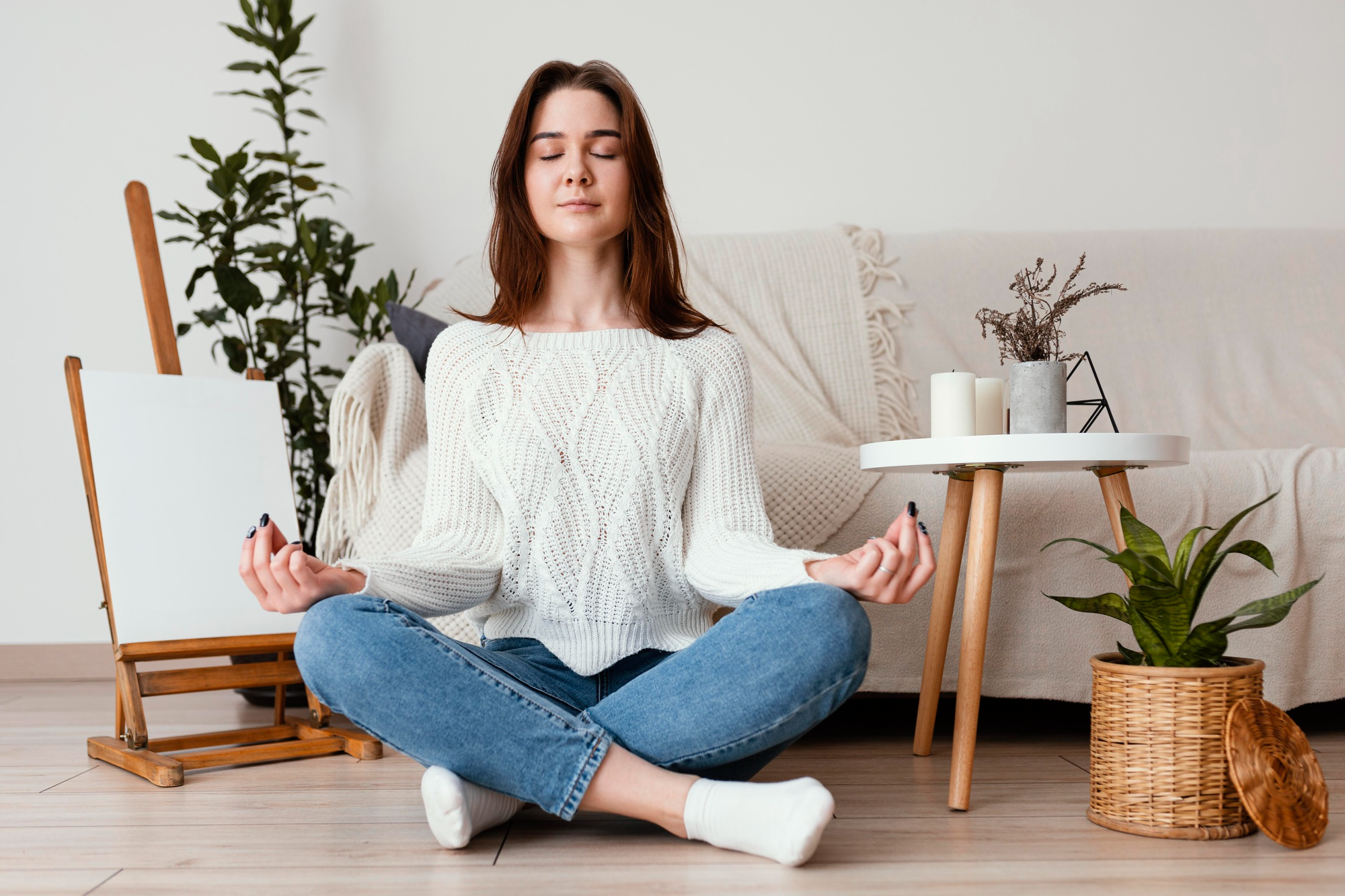
A healthy lifestyle can also help manage stress and anxiety.
Practice saying no when your plate is full. Doing too much can lead to burnout. Prioritize, delegate when you can and take breaks without a twinge of guilt.
Discussing your feelings can make all the difference. Whether it's a friend, relative, or counselor, talking helps decrease the emotional burden you carry on your own shoulders.
If anxiety or stress gets to be too much, it's worth getting some help from a counselor or therapist. Cognitive Behavioral Therapy, relaxation methods or medication can help and give you strategies to deal with it better.
Most individuals blame themselves for feeling stressed or anxious, yet these feelings are a natural part of being human. The most important thing is how you react. Treating yourself with kindness rather than judgment can calm the emotional effects of anxiety and build resilience.
Consider using affirmations such as:
These tiny reminders have the power to change your mind from panic to peace.
If stress or anxiety begins to interfere with your functioning like difficulty sleeping, worrying about a specific issue all the time or physical symptoms like feeling tight in the chest, it may be time to see a professional. Remember, asking for help is not a weakness.
Both anxiety and stress are human conditions but they need not run your life. By understanding the distinction, embracing mindful techniques and proactively working towards mental wellness, you can achieve tranquility even in turmoil.
Life's gonna have its ups and downs but learning to control your responses is what keeps you getting stronger. Breathe, slow down and take a moment to remember that peace starts within yourself.

Removes a breast lump after tests, usually as day care, and sends it to the lab to confirm what it is.
Targeted injections for chronic migraine, dystonia, eyelid spasm and muscle stiffness after a stroke.
A thin needle sample of liver tissue to diagnose liver disease and measure scarring when other tests can't.
Free tools to check your weight, plan a pregnancy, track calories and more.
We offer expert care across key specialties, including Medicine, Cardiology, Orthopaedics, ENT, Gynaecology, and more—delivering trusted treatment under one roof.
Nausea has many causes, from pregnancy to migraines to medications. Know the home remedies that work and when to see a doctor. Prakash Hospital Noida.
25 Jun 2026
by Prakash Hospital

शुगर कंट्रोल कैसे रखें? जानिए डायबिटीज को नियंत्रित रखने के आसान घरेलू उपाय, सही खानपान, दिनचर्या और ज़रूरी सावधानियाँ।
13 Feb 2026
by Prakash Hospital

हाई-रिस्क प्रेगनेंसी क्या होती है, इसके कारण, खतरे, जांच और सुरक्षित डिलीवरी के उपाय हिंदी में जानें।
27 Jan 2026
by Prakash Hospital

What is a balanced diet — understand the components, daily portions, and how to build one with Indian foods. Visit Prakash Hospital Noida for nutrition consultation.
19 Jun 2026
by Prakash Hospital

Healthy Indian breakfast ideas: high-protein, low-sugar options like eggs and moong dal chilla for steady energy. Practical guide from Prakash Hospital Noida.
1 Oct 2026
by Prakash Hospital

How to improve digestion naturally with Indian diet, lifestyle changes, and traditional remedies. Guide from Prakash Hospital Noida.
18 Aug 2026
by Prakash Hospital


Book a consultation with Prakash Hospital's specialists — 24/7 emergency care, 100+ doctors, NABH accredited.
View All Departments