Severe Risks of Heatstroke: Causes, Symptoms, and Life-Saving Treatments
·by Prakash Hospital
As summer temperatures rise, so do the health risks associated with excessive heat exposure. One of the most dangerous outcomes is heatstroke—a medical emergency that demands immediate attention. Despite common assumptions, heatstroke isn’t just about being uncomfortable in the sun; it’s a serious condition that can cause lasting damage or even be fatal.
Let’s take a closer look at the causes, symptoms, treatment options, and preventive strategies that could save lives.
A person showing signs of severe heatstroke under intense sunlight, highlighting the dangers of extreme heat.
What Is Heatstṣroke?
Heatstroke—sometimes called sun stroke—is the most severe form of heat-related illness. It occurs when the body’s core temperature rises above 104°F (40°C) and it loses the ability to cool itself through sweating or other mechanisms.
This condition leads to widespread organ dysfunction, particularly affecting the brain, heart, muscles, and kidneys. Without immediate medical intervention, it can lead to permanent damage or death.
Heatstroke is a critical condition where the body’s core temperature rises dangerously high and needs immediate treatment.
Types of Heatstroke
There are two main types of heatstroke:
1. Exertional Heatstroke
Occurs due to intense physical activity in hot conditions. Common among:
Athletes
Military personnel
Outdoor laborers
2. Classic (Non-Exertional) Heatstroke
Occurs after prolonged exposure to high temperatures, especially in:
Elderly individuals
Infants
People with chronic conditions or limited mobility
Early Signs and Symptoms of Heatstroke
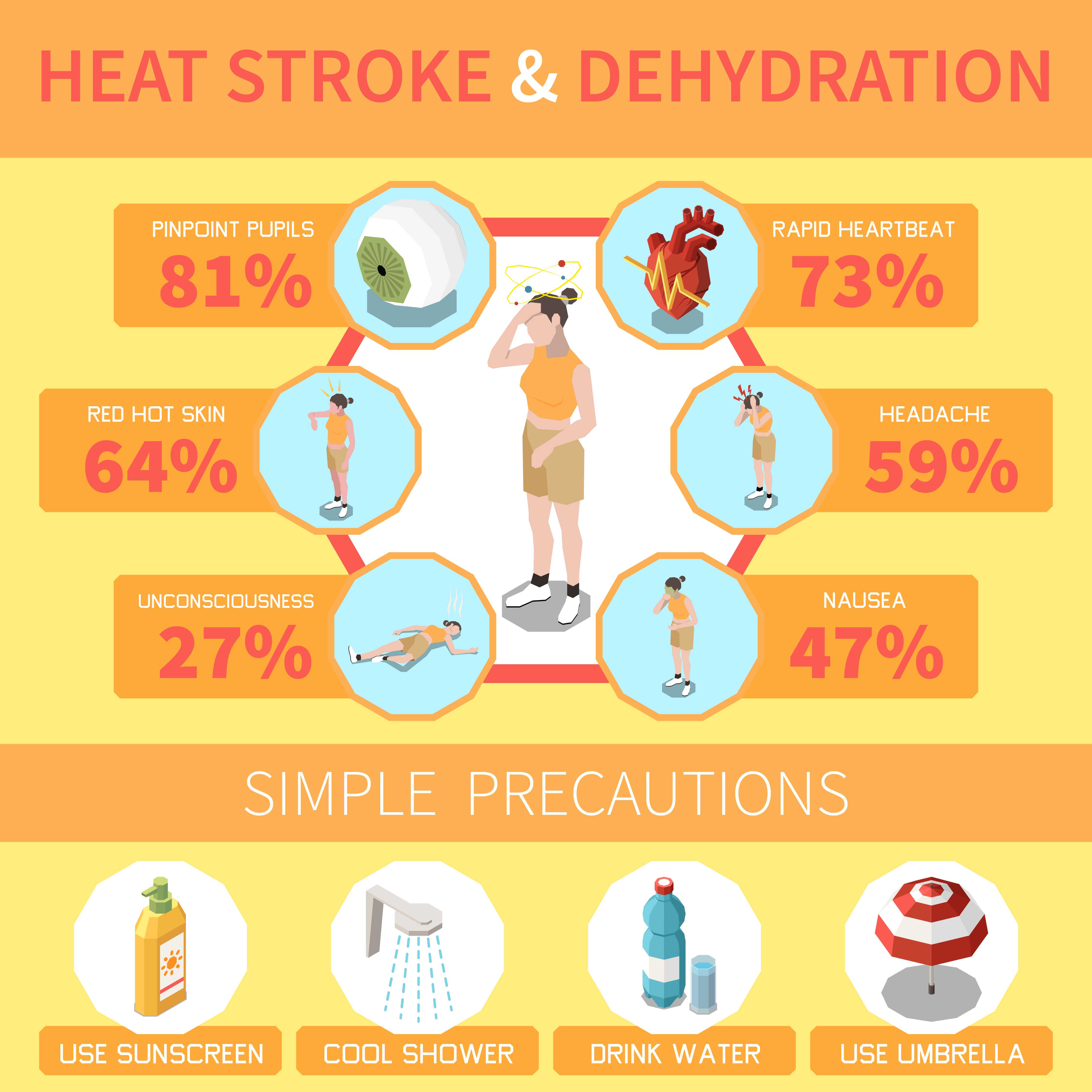
Recognizing symptoms early is key to preventing severe complications. Common signs include:
Core temperature above 104°F (40°C)
Altered mental state – confusion, agitation, delirium
Dry or sweaty skin – depending on type
Rapid heartbeat and breathing
Severe headache
Nausea or vomiting
Muscle cramps or weakness
Loss of consciousness or seizures
In children, the signs may be subtler but no less serious.
Drinking water helps during heatstroke.
Causes and Risk Factors of Heatstroke
Heatstroke happens when the body’s heat regulation system is overwhelmed. Contributing factors include:
Extended exposure to heat or humidity
Dehydration
Intense physical exertion
Wearing heavy or non-breathable clothing
Underlying medical conditions like obesity, heart disease, diabetes
Certain medications – diuretics, antihistamines, beta-blockers
Alcohol or drug use
Age – especially infants and older adults
How Is Heatstroke Diagnosed?
A diagnosis typically involves a combination of clinical symptoms, medical history, and tests:
Physical exam – Checking body temperature, heart rate, and mental status
Blood tests – To evaluate organ function and dehydration
Imaging – X-rays or CT scans if complications are suspected
ECG – To check for heart-related effects
Neurological assessment – If seizures or confusion are present
How to Treat Heatstroke Immediately
Heatstroke is a medical emergency. Begin treatment even before reaching a hospital:
1. Cool the Body
Move the person to a shaded or air-conditioned area
Apply cool, damp cloths or spray water on the skin
Use fans or cold packs on neck, armpits, and groin
Immerse in a cold bath if possible
2. Hydrate
Offer water only if the person is conscious and able to swallow
Avoid alcohol or caffeinated drinks
3. Seek Medical Help
Call emergency services immediately
In the hospital, care may include:
IV fluids to restore hydration
Medication for seizures or organ protection
Continuous monitoring of vitals
What Is the Prognosis for Heatstroke?
The outlook depends on how quickly treatment begins. With fast and effective cooling and hydration:
Most people recover fully
Some may experience short-term fatigue or confusion
However, delays in treatment can result in serious complications or death.
Long-Term and Serious Complications of Heatstroke
Heatstroke can lead to lasting health problems such as:
Brain damage – from prolonged elevated temperatures
Kidney or liver failure
Rhabdomyolysis – breakdown of muscle tissue
Seizures and coma
Disseminated Intravascular Coagulation (DIC) – a dangerous blood clotting disorder
Respiratory failure
Cardiac arrhythmias
Multi-organ failure
These effects can be permanent or fatal, emphasizing the need for rapid action.
Effective Ways to Prevent Heatstroke
Preventive care is the best strategy. Here's how to protect yourself and others:
Stay hydrated – Drink water frequently, even before feeling thirsty
Avoid peak heat – Stay indoors from 10 a.m. to 4 p.m.
Take regular breaks – Especially during exercise or outdoor work
Use fans or air conditioning
Apply sunscreen – Sunburn affects body cooling
Acclimate to the heat – Gradually build tolerance
Check on vulnerable individuals – Like older adults or young children
Be alert – Know the early signs and act fast
Frequently Asked Questions
How long does it take for heatstroke to happen?
In extreme conditions, heatstroke can develop in as little as 30 minutes. For vulnerable people, it may occur over days of heat exposure.
Can heatstroke happen indoors?
Yes. Poor ventilation and lack of cooling systems increase the risk indoors, especially during heat waves.
Is heatstroke contagious?
No. It is not infectious and cannot spread between people.
What to do if someone becomes unconscious from heatstroke?
Call emergency services. Begin cooling techniques and avoid giving them anything by mouth.
Can heatstroke cause lasting damage?
Yes. If not treated quickly, it can cause long-term brain damage, kidney failure, and other life-threatening complications.
Conclusion
Heatstroke is a preventable but life-threatening emergency. Recognizing the warning signs, acting quickly, and understanding how to stay safe in extreme heat can protect your health and the health of those around you.
If you or a loved one experience symptoms of heat-related illness, do not delay seeking care. Timely medical attention can make all the difference.
We offer expert care across key specialties, including Medicine, Cardiology, Orthopaedics, ENT, Gynaecology, and more—delivering trusted treatment under one roof.
Why gas and bloating are common in pregnancy, the causes in each trimester, safe relief at home, foods to adjust and pains that are not gas and need a doctor.
How to check muscle mass, what normal skeletal muscle mass looks like, the Asian sarcopenia cut-offs and simple home tests of strength. Prakash Hospital Noida.