An annoyed woman clutching her stomach due to PMS cramps.
Many women experience PMS or Premenstrual Syndrome and mood swings during the days leading up to a menstrual cycle. These changes can affect emotional health, physical comfort and daily productivity. While this is a natural process involving hormones, its symptoms can be incredibly overwhelming if not managed.
Understanding how to manage PMS and mood swings can help you regain control, improve quality of life and feel more balanced throughout your cycle.
What Is PMS?
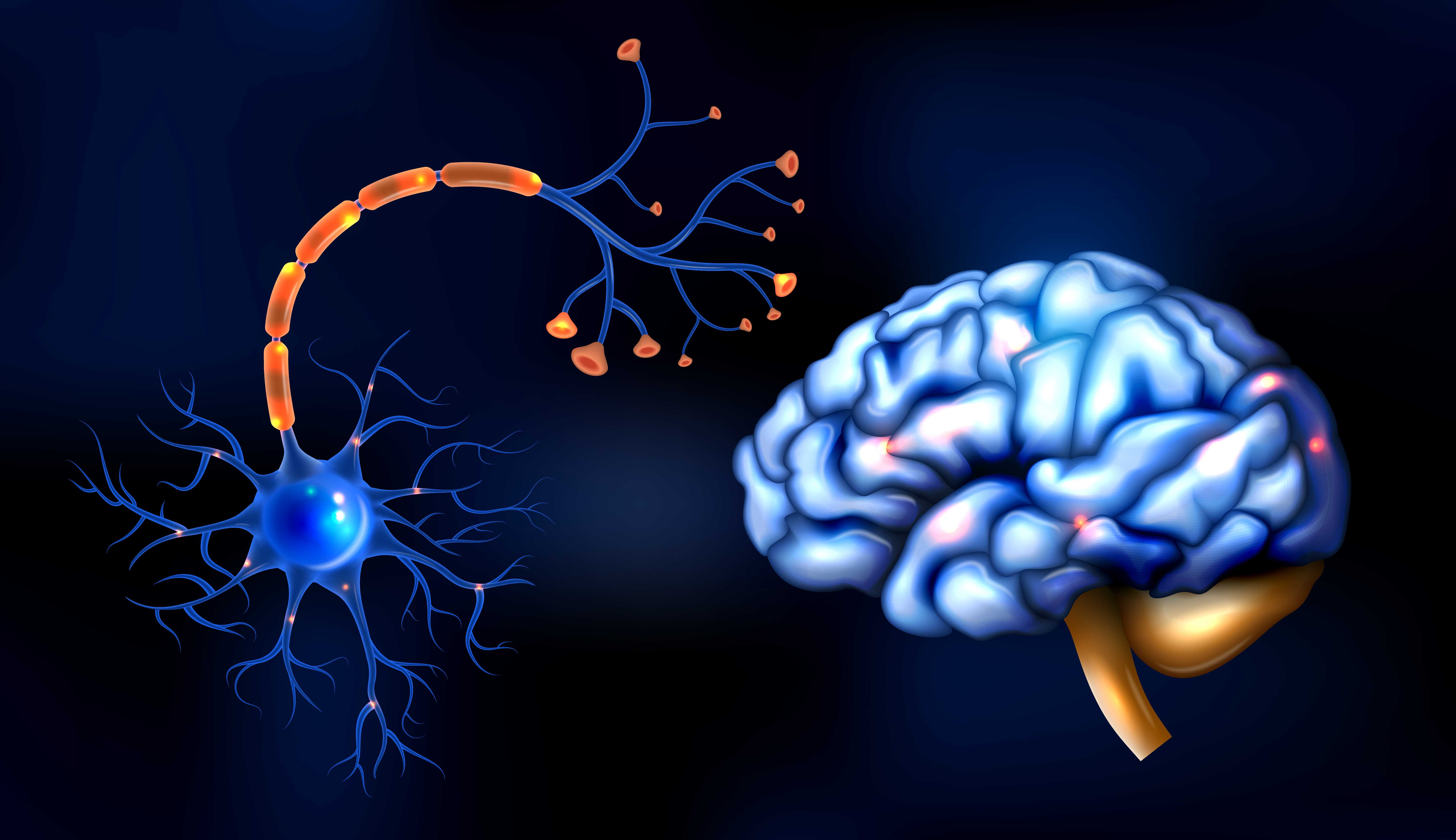
PMS describes the variety of physical, emotional and behavioral symptoms many females experience on a recurring basis, typically beginning from 1 to 2 weeks before menstruation. The symptoms are related to changes in estrogen and progesterone and are thought to affect neurotransmitters such as serotonin that control mood.
Common Symptoms Of PMS
Irritability and anxiety
Sudden feelings of sadness or overemotionality
Fatigue and low energy
Headaches and food cravings
Poor concentration
Swelling and tenderness of the breast
Sleep disturbances
Mild PMS is not uncommon, but when symptoms of PMS become severe enough to interfere with daily life, this may be PMDD- Premenstrual Dysphoric Disorder, an extreme version of PMS.
Why PMS Causes Mood Swings
Mood changes during PMS generally result from hormonal changes that affect neurochemistry. Lower estrogen levels at the end of a cycle could equate to lower serotonin levels which might predispose a woman to sadness, irritability and emotional instability.
Stress, poor sleep, lack of exercise and unhealthy eating can aggravate these symptoms, making mood swings feel even stronger and hard to manage.
How to Manage PMS and Mood Swings Naturally
Focus on a Balanced Diet
What you eat directly impacts your mood and energy level.
Helpful dietary tips include:
Eat complex carbohydrates like whole grains and brown rice
Increase consumption of leafy greens, fruits and vegetables
Include more magnesium-rich foods in your diet including nuts and seeds
Reduce caffeine, salt, and sugary foods
Lean proteins can help stabilize blood sugar.
A balanced diet prevents any sudden energy slump and also helps reduce emotional volatility.
Engage in Physical Activity
Regular exercise enhances the body's levels of endorphins which are natural mood elevators. Light physical activity such as walking, yoga or stretching can reduce discomfort and stress during PMS.
Benefits of exercise during PMS include:
Improved mood and reduced anxiety
Less bloating and fatigue
Better sleep quality
Cramps and tension are reduced
Practice Effective Stress Management
Stress aggravates the PMS symptoms and emotional imbalance. Including stress-management techniques to your lifestyle helps regulate moods.
Following are some of the efficient ways to relieve stress:
Deep breathing exercises
Meditation or mindfulness
Journaling thoughts and feelings
Listening to soothing music
Engaging in relaxing hobbies
A woman meditating in nature to manage PMS symptoms.
Improve Sleep Quality
Not getting enough sleep further deteriorates mood swings and irritability. Maintain a regular pattern of sleep. Aim for 7-9 hours of good quality sleep each night and avoid screen time before bedtime.
Tips for better sleep:
Sleep and wake up at the same time every day
Avoid heavy meals before bedtime
Encourage a quiet sleeping area
Limit evening caffeine consumption
Hydration
Hydration decreases bloating and fatigue as it helps the body to flush out extra sodium. Drinking plenty of water also can improve mental clarity and emotional stability.
Herbal teas like chamomile and peppermint can have added calming effects.
Consider Nutritional Supplements
Certain nutrients may help control PMS symptoms, if taken as advised by a health professional:
Calcium to lessen mood swings and fatigue
Vitamin B6 for emotional balance
Magnesium for muscle relaxation and stress relief
Omega-3 fatty acids for reduced inflammation
Always consult with a healthcare professional before initiating supplements.
Track Your Menstrual Cycle
Tracking your cycle helps you anticipate PMS symptoms and prepare in advance. Awareness lets you plan rest, reduce workload and practice self-care during vulnerable days. Tracking cycles can help one find patterns and triggers and thus manage symptoms more effectively.
Calendar showing menstrual cycle tracking.
Practice Emotional Self-Care
During PMS, emotional sensitivity increases. Self-compassion is important now. Instead of suppressing feelings, one needs to acknowledge and validate them.
Effective emotional care includes:
Establishing boundaries
Giving yourself permission to rest
Avoid unnecessary confrontations
Positive self-talk practice
When To Seek Medical Care
If symptoms severely impact relationships, work or mental well-being, it's important to consult a doctor.
Symptoms that may require medical attention include:
Severe depression
Intense anger or panic attacks
Extreme tiredness
Thoughts of self-harm
Treatment may include hormonal therapy, antidepressants or medical alterations to lifestyle depending on individual needs.
Lifestyle Habits that Decrease PMS Severity
Keep the same daily routine
Avoid smoking and excessive alcohol
Practice relaxation techniques regularly
Maintain a healthy weight
Eat at regular intervals
These lifestyle modifications work together to better balance mood and minimize hormonal disruptions.
Long-Term Approach to PMS Management
Managing PMS is about building long-term habits that support hormonal health. It is the consistency in diet, sleep, exercise, stress management and self-care that gradually improves and leads to overall well-being. Understanding your body and respecting its natural rhythms empowers you to be in control and confident in your menstrual cycle.
Conclusion
Understanding how to handle PMS and mood swings is crucial because it helps an individual maintain emotional balance, hence more productivity and quality of life. While hormonal changes are natural, their effects don’t have to take over your routine.
By being nutritionally conscious, reducing stress, exercising regularly, getting enough sleep and taking emotional care, you can minimize the severity of PMS and have a smoother menstrual cycle.
You can listen to your body and seek professional help when you need it. With the right approach, PMS becomes manageable as one advances through each month with greater comfort, clarity and confidence.
We offer expert care across key specialties, including Medicine, Cardiology, Orthopaedics, ENT, Gynaecology, and more—delivering trusted treatment under one roof.
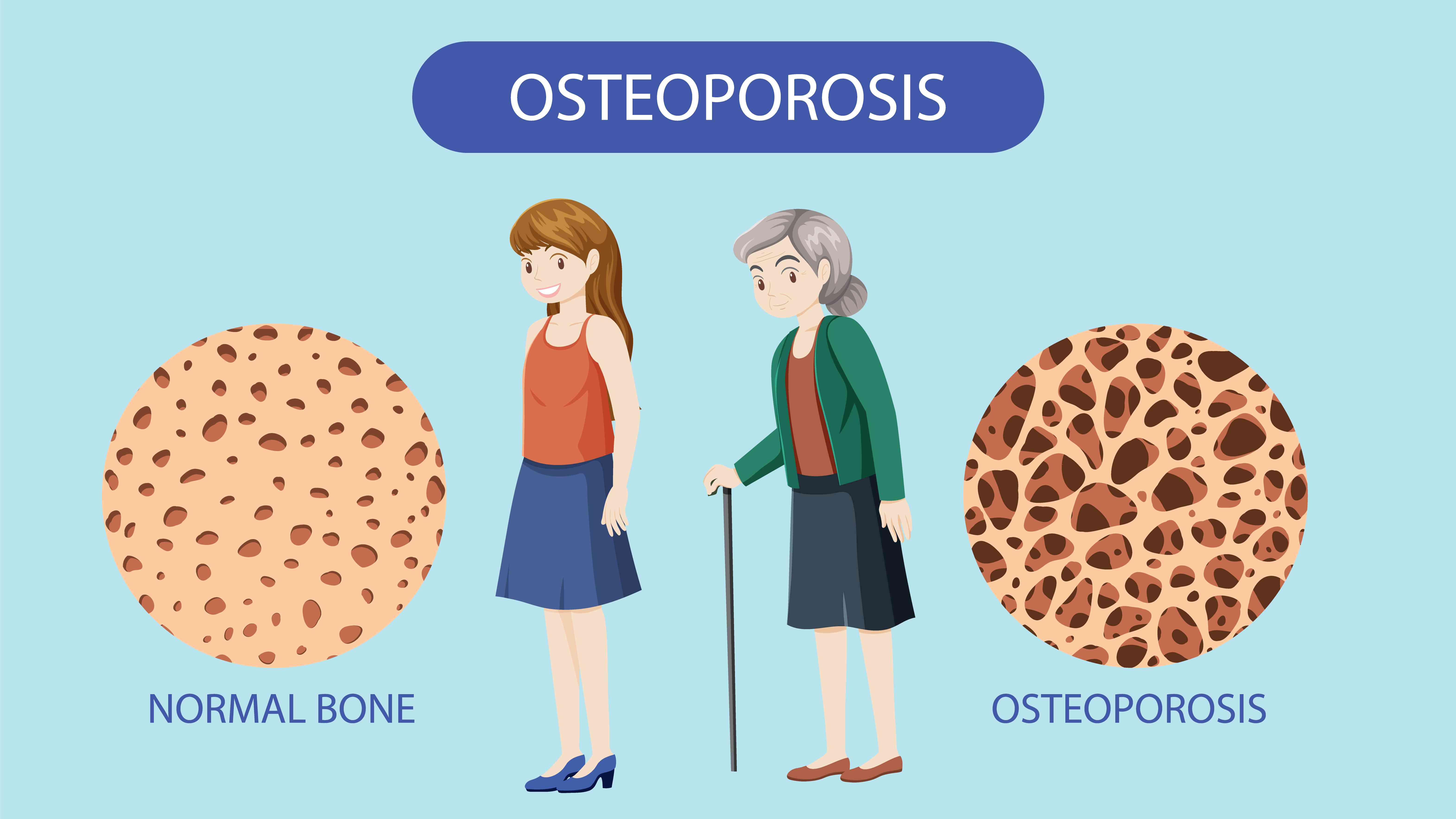
Learn how to identify the silent symptoms of osteoporosis in women. Discover early warning signs, risk factors, prevention strategies, and when to seek medical help.