


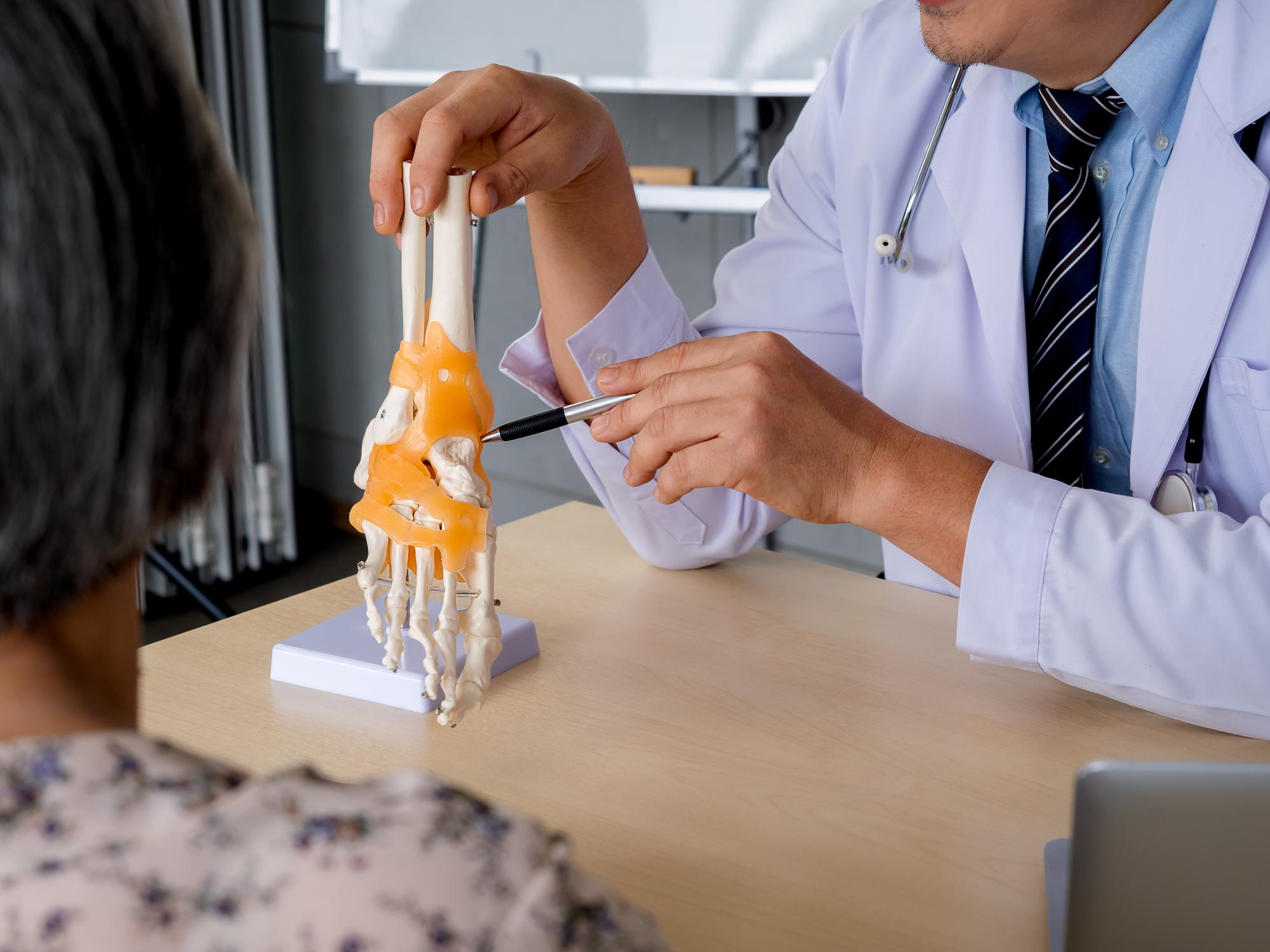
हड्डियों में सूजन (Bone Inflammation) क्यों होती है?
हड्डियों में सूजन के कारण, लक्षण और इलाज जानें। ऑस्टियोमाइलाइटिस, आर्थराइटिस और हड्डी के दर्द को नजरअंदाज न करें। Prakash Hospital में पाएं एडवांस ऑर्थोपेडिक उपचार।
9 Jun 2026
by Prakash Hospital
by Prakash Hospital

Person holding their hands in discomfort, illustrating pain and circulation issues commonly experienced in Raynaud’s disease.
In reaction to cold temperatures or emotional stress, Raynaud’s Disease causes abrupt blood vessel narrowing, which results in noticeable color changes, numbness and discomfort. Even though Raynaud's disease is typically not fatal, improper management can have a major impact on day-to-day functioning.
In order to help patients successfully manage Raynaud's disease and maintain healthy circulation, we at Prakash Hospital concentrate on early diagnosis, lifestyle counseling and appropriate treatment.
Raynaud's disease, sometimes referred to as Raynaud’s phenomenon, is a disorder where small blood vessels constrict excessively in response to stress or cold. This lowers blood flow to the afflicted areas which are usually the lips, nose, ears, fingers or toes. The illness may develop independently or as a result of another underlying medical condition. Treatment and management of Raynaud's disease are aided by knowledge of its type.
Raynaud's disease symptoms usually manifest as episodes or attacks brought on by emotional stress or exposure to cold. These are important symptoms.
The color changes can last anywhere from a few minutes to several hours and typically follow a predictable pattern.
Although the precise cause of Raynaud's disease is unknown, aberrant blood vessel responses are influenced by a number of factors. The following are typical triggers and causes.
Finding triggers is essential to good management.

Person sitting with head in hands, representing emotional stress and anxiety that can impact overall wellbeing and daily life.
The following people are at an increased risk of developing Raynaud's disease.
Reducing symptom severity is aided by early awareness.
A physical examination and medical history are typically used to make the diagnosis. Doctors may inquire about the duration of attacks, triggers and patterns of symptoms. The following are examples of diagnostic tests.
Our experts at Prakash Hospital guarantee a comprehensive assessment to differentiate between primary and secondary Raynaud's disease.
Raynaud's disease can be effectively managed with a combination of medical treatment and lifestyle modifications even though there is no permanent cure.
For the majority of patients the first line of treatment is lifestyle changes. Some helpful actions are as follows.
The frequency and intensity of attacks can be considerably decreased by taking these actions.
The actions listed below can aid in restoring blood flow in the event of an episode.
Medication may be recommended if lifestyle modifications prove ineffective. Typical options for treatment are as follows.
Treatment plans at Prakash Hospital are customized based on the symptoms and general health of each patient.
Identifying and avoiding triggers while adhering to medical advice are key components of long-term management. Here are some useful pointers:
Maintaining a consistent level of care helps avoid complications.
You ought to see a doctor if:
Better results and appropriate treatment are ensured by prompt diagnosis.

Person holding their hands due to pain, illustrating hand discomfort, stiffness or circulation related issues.
The majority of people with Raynaud's disease lead normal active lives when their condition is properly managed. Maintaining comfort and circulation depends heavily on education, preventive care and routine medical check-ups. The management of chronic vascular conditions at Prakash Hospital is based on patient education and individualized care.
In reaction to cold or stress, Raynaud's disease, a circulatory disorder, causes color changes, numbness and discomfort. Although there is no known cure, it can be effectively managed with medication and lifestyle modifications to greatly lessen symptoms and avoid complications. Raynaud's disease patients' quality of life is enhanced by prompt diagnosis and regular care.
It is crucial to get a medical evaluation if you frequently experience numbness brought on by the cold color changes in your fingers or toes, or pain when exposed to the cold. For Raynaud's disease and associated circulatory disorders, our skilled doctors at Prakash Hospital offer precise diagnosis, individualized treatment programs and long-term care. For professional care and direction stop by Prakash Hospital or schedule a consultation right now.

This article covers orthopaedic concerns. These Prakash Hospital doctors in Noida treat them.

Dr. Mayank Chauhan
Consultant Orthopaedics & Joint Replacement Surgeon
Orthopaedics · Joint Replacement

Dr. Manoj Mehra
Consultant Orthopaedics Surgeon
Orthopaedic Surgeon · Joint Replacement Surgeries
Replaces a knee worn out by arthritis with a metal and plastic joint to relieve pain and get you walking again.
Reattaches or rebuilds torn ligaments in the knee, ankle, elbow or thumb to steady an unstable joint.
Replaces a failed knee implant that is loose, worn, infected or unstable with new revision parts.
Free tools to check your weight, plan a pregnancy, track calories and more.
We offer expert care across key specialties, including Medicine, Cardiology, Orthopaedics, ENT, Gynaecology, and more—delivering trusted treatment under one roof.
हड्डियों में सूजन के कारण, लक्षण और इलाज जानें। ऑस्टियोमाइलाइटिस, आर्थराइटिस और हड्डी के दर्द को नजरअंदाज न करें। Prakash Hospital में पाएं एडवांस ऑर्थोपेडिक उपचार।
9 Jun 2026
by Prakash Hospital
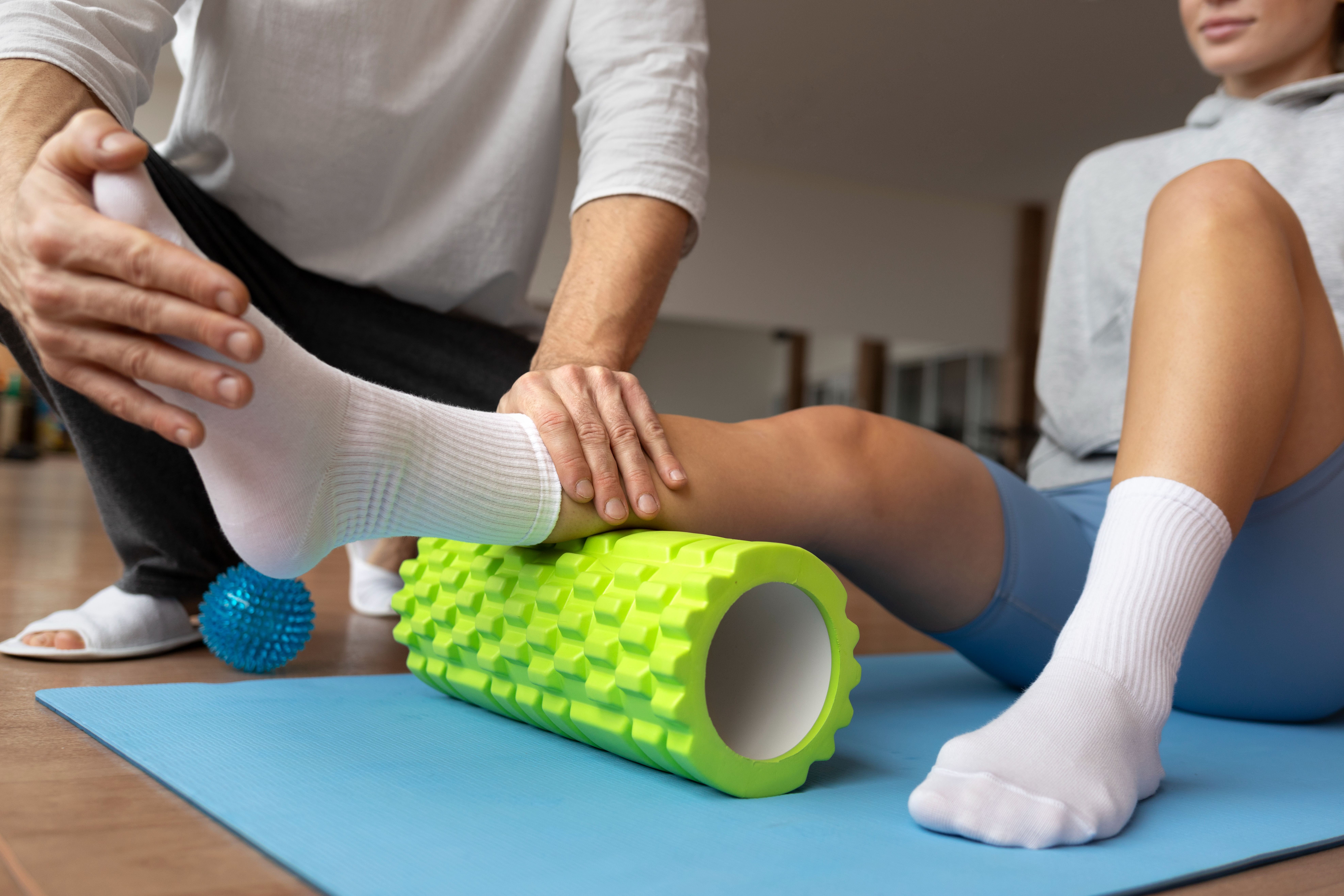
Discover expert-approved orthopedic fitness strategies with safe exercises to support your joints, reduce pain, and improve mobility. Ideal for all age groups.
25 Jun 2025
by Prakash Hospital

Recognize signs that indicate it’s time to consult an orthopedic specialist for joint, muscle, or bone issues.
14 Nov 2025
by Prakash Hospital

Skin pigmentation — what causes dark patches, melasma, and uneven skin tone, and what treatment works. Prakash Hospital Noida.
9 Sept 2026
by Prakash Hospital
How to get glowing skin naturally — Indian diet, hydration, sleep, and skincare tips that actually work. Prakash Hospital Noida.
9 Sept 2026
by Prakash Hospital

Dry skin causes, best Indian remedies, and when it's something more serious. Prakash Hospital Noida.
10 Sept 2026
by Prakash Hospital
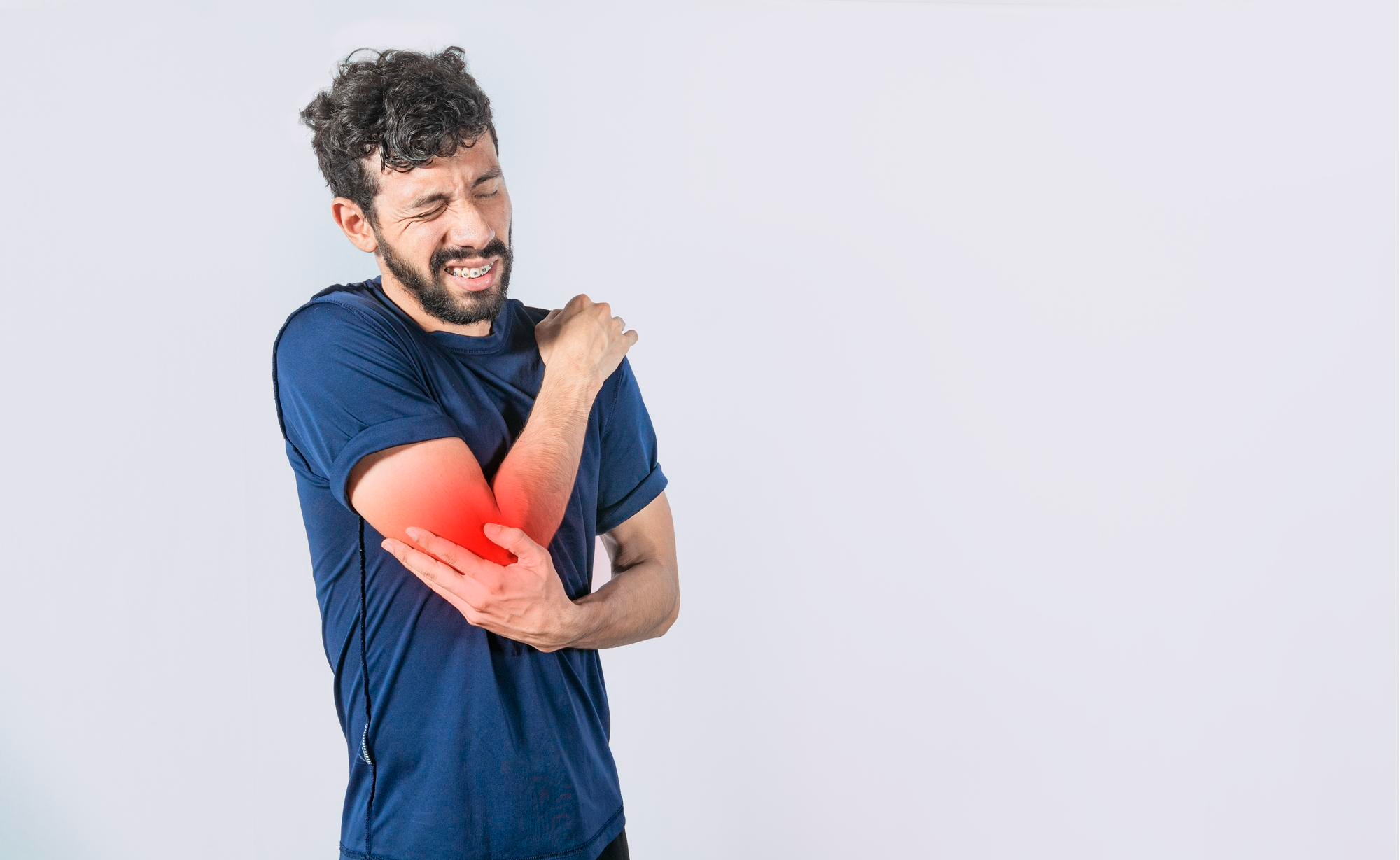
Learn why joint pain becomes common after 40 and how to prevent it. Discover causes, symptoms, and treatment options from experts at Prakash Hospital.
17 Nov 2025
by Prakash Hospital

Discover calcium rich foods for strong bones, daily calcium needs, deficiency signs, absorption tips, and how to maintain lifelong bone health.
6 Jan 2026
by Prakash Hospital

Calcium-rich foods — the best Indian sources for strong bones and teeth. Visit Prakash Hospital Noida for nutrition consultation and bone health.
20 Jul 2026
by Prakash Hospital


Book a consultation with Prakash Hospital's specialists — 24/7 emergency care, 100+ doctors, NABH accredited.
View All Departments