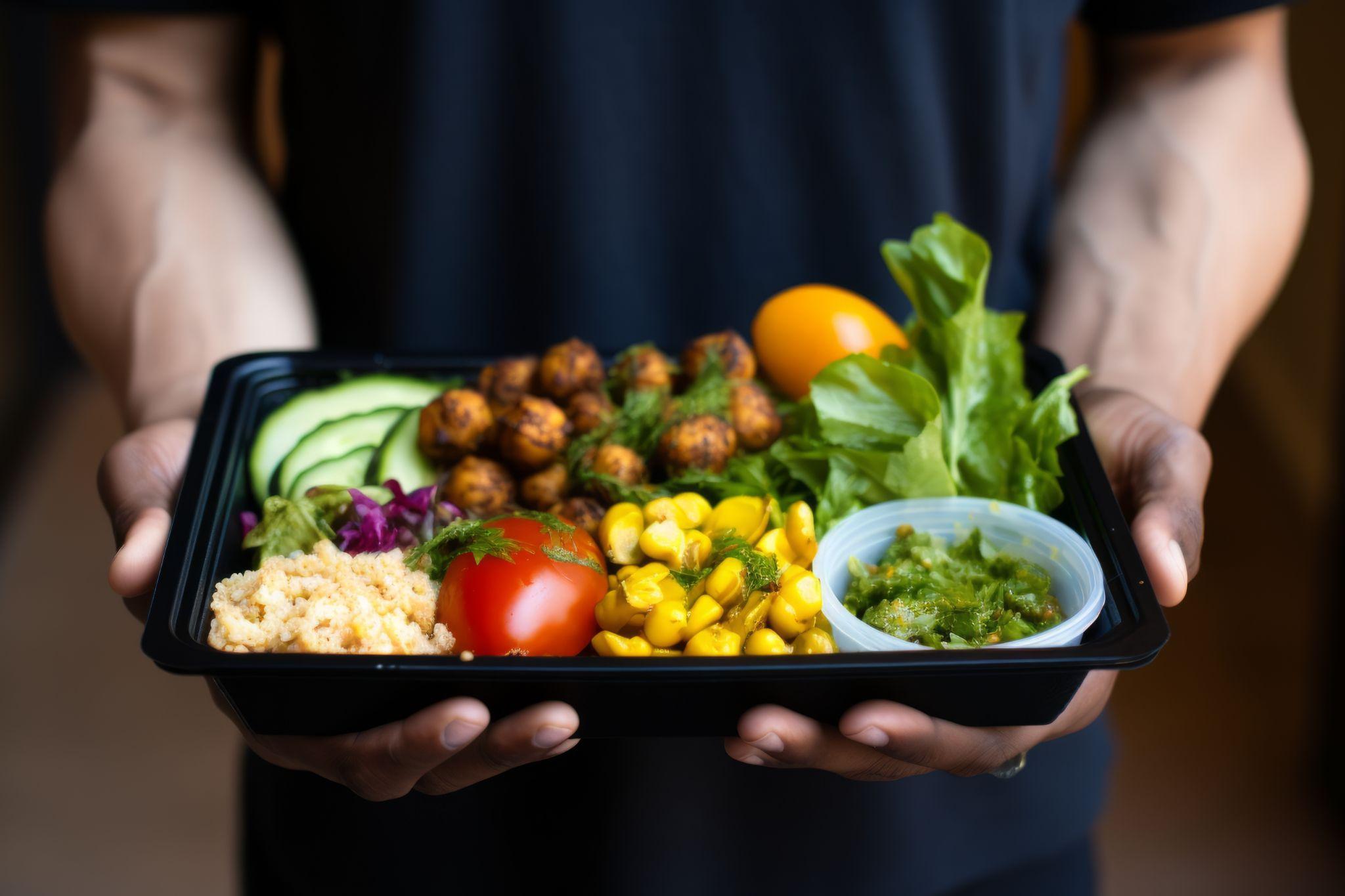
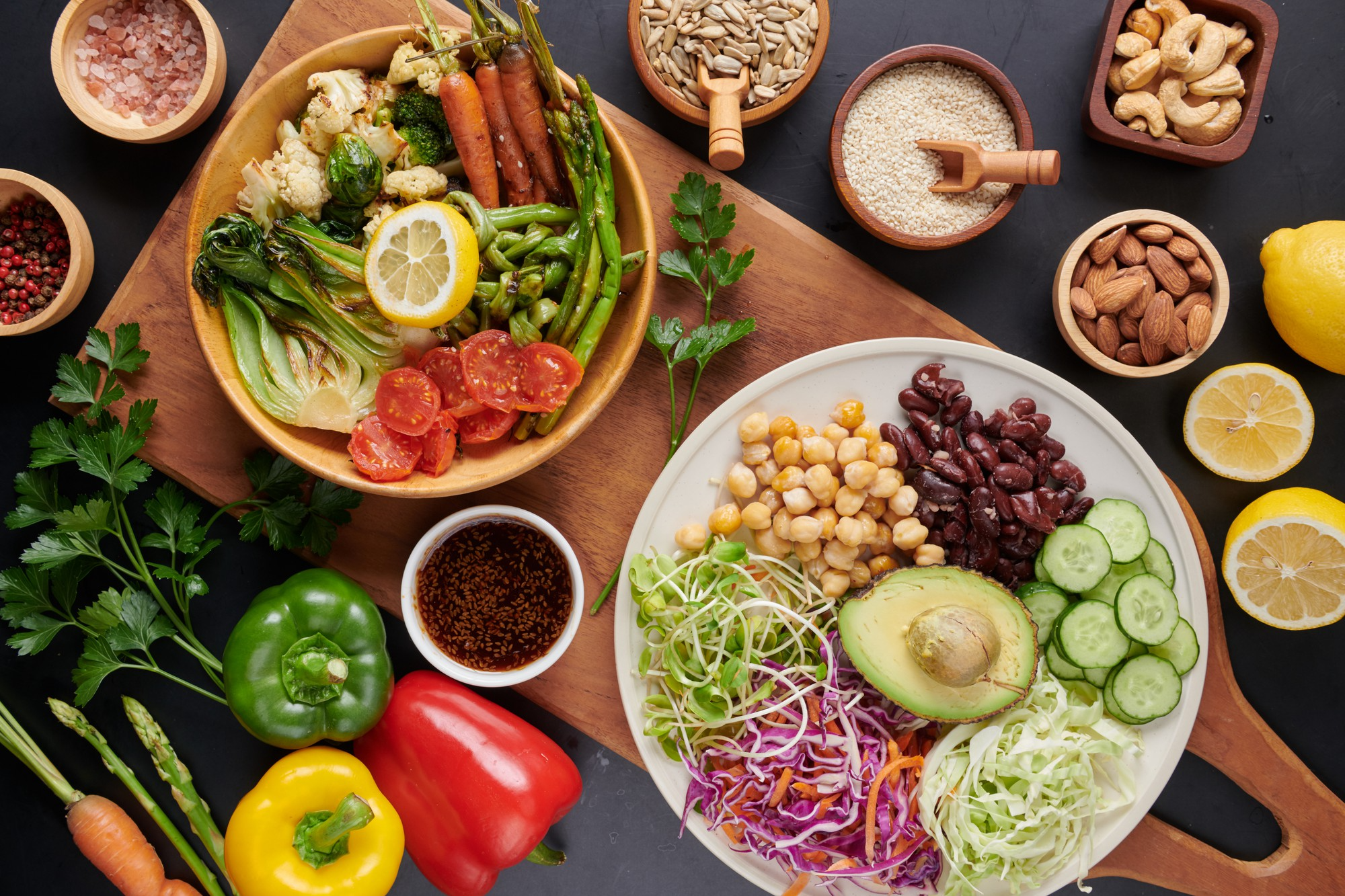
A meal on a platter with leafy green vegetables, corn, nuts, tomatoes, egg, and some avocados.
Strong immunity is not built in a week. It is built over months and years through consistent habits — diet, sleep, exercise, stress management, and overall lifestyle. There is no single food, supplement, or "boost" that transforms a weak immune system overnight. The marketing claims around immunity products often promise more than they deliver.
That said, certain foods reliably support immune function. Eaten regularly as part of a balanced diet, they strengthen the body's defences against infections, support faster recovery, and reduce the impact of seasonal illnesses. Indian cuisine is particularly rich in these foods — many traditional practices align well with modern nutritional science.
This article walks through the foods that genuinely support immunity, how they work, and how to incorporate them into daily Indian eating.
How Immunity Actually Works
The immune system is a coordinated network of organs, cells, proteins, and chemical messengers that defends against infections and harmful substances. Several layers work together.
Innate immunity — the rapid-response cells that attack invaders without specific recognition.
Adaptive immunity — the specialised cells that learn and remember specific threats, providing long-term protection.
For all these systems to function well, the body needs a steady supply of nutrients including vitamins A, C, D, E, B6, B12, folate, zinc, selenium, iron, and protein. Deficiencies in any of these weaken immune function.
The foods that support immunity provide these nutrients along with antioxidants and other compounds that help the immune system work effectively.
The Best Immunity-Boosting Foods
1. Citrus Fruits and Vitamin C Sources
Vitamin C supports immune cell function and is one of the most well-established immunity nutrients.
Amla (Indian gooseberry) — exceptional content, around 600 mg of vitamin C per fruit. Multiple times the daily requirement in a single amla.
Guava — about 125 mg per medium fruit.
Oranges — about 70 mg per medium fruit.
Lemons and limes — useful additions to water, meals, and salads.
Bell peppers — about 150 mg per medium pepper.
Kiwi — about 70 mg per fruit.
Strawberries — about 60 mg per cup.
Broccoli — about 80 mg per cup.
Papaya — about 90 mg per cup.
Practical use: Include vitamin C-rich foods at every meal. Squeeze lemon over dals and salads. Eat citrus or guava as snacks. Drink amla juice or eat amla murabba.
2. Garlic
A traditional immune supporter with scientific backing.
Garlic contains compounds including allicin that have antimicrobial and immune-supporting effects. Regular consumption is associated with fewer colds and faster recovery in studies.
Practical use: 1 to 2 cloves daily, raw or lightly cooked. Crushed garlic in dals, curries, chutneys, or simply with honey on an empty stomach.
Tip: Crushing or chopping garlic and letting it sit for 10 minutes before cooking maximises the active compounds.
3. Ginger
Anti-inflammatory and digestive support that benefits immunity indirectly.
Ginger contains gingerol and other compounds with anti-inflammatory and antimicrobial effects. Particularly useful during respiratory infections.
Practical use: Fresh ginger in tea, in dals and curries, in chutneys, as ginger juice with honey for sore throats.
4. Turmeric
Anti-inflammatory powerhouse central to Indian cooking.
Turmeric contains curcumin, which has anti-inflammatory and immune-modulating effects. Combining with black pepper improves absorption.
Practical use:
Daily use in cooking
Golden milk (turmeric milk) before bed
Turmeric in warm water with honey and lemon
5. Yogurt and Probiotics
Gut health and immunity are closely linked.
About 70 percent of the immune system is located in the gut. Probiotic foods support gut microbiota, which in turn supports immune function.
Practical use: Daily curd or buttermilk. Fermented foods regularly. Choose plain yogurt rather than sweetened varieties.
6. Almonds and Nuts
Vitamin E and healthy fats for immune cell support.
Almonds, walnuts, sunflower seeds, and similar foods provide vitamin E, which is an antioxidant that supports immune function.
Practical use: A handful of mixed nuts daily as a snack.
7. Green Tea
Antioxidants and immune support.
Green tea contains catechins and other antioxidants. Regular consumption is associated with reduced inflammation and better immune function.
Practical use: 1 to 2 cups daily, plain or with ginger, lemon, or tulsi leaves.
8. Tulsi (Holy Basil)
A traditional Indian herb with immune-supporting properties.
Tulsi has antimicrobial and adaptogenic properties. Used traditionally for cold and flu prevention.
Practical use: A few fresh leaves in morning water, in tea, or chewed directly.
9. Mushrooms
Beta-glucans and other immune-supporting compounds.
Edible mushrooms contain beta-glucans that have immune-modulating effects. Maitake, shiitake, and reishi are particularly studied. Button mushrooms also help.
Practical use: 100 grams of mushrooms 2 to 3 times per week. UV-exposed mushrooms also provide vitamin D, which is essential for immunity.
10. Honey
Antimicrobial properties and a traditional remedy.
Raw honey has antimicrobial properties. Useful for sore throats and as a natural sweetener.
Practical use: 1 teaspoon daily with warm water, lemon, and ginger. Or with turmeric for sore throats.
Note: Not for infants under 1 year due to botulism risk.
11. Dark Leafy Greens
Multiple immune-supporting nutrients.
Spinach, methi, amaranth, kale, and moringa provide vitamin A, vitamin C, folate, iron, and antioxidants.
Practical use: Daily inclusion in dals, sabzis, or salads.
Green vegetables on table with juice in one hand.
12. Coloured Vegetables and Fruits
Carotenoids and antioxidants.
Carrots, sweet potatoes, pumpkin, mangoes, papaya, beetroot, and tomatoes provide carotenoids (especially beta-carotene), which the body converts to vitamin A.
Practical use: Variety across the week. Aim for a mix of colours on the plate.
13. Legumes and Lentils
Zinc, iron, and protein for immune cell production.
Dals, chickpeas, rajma, and other legumes provide zinc, iron, and protein — all needed for immune cell production.
Practical use: Daily inclusion in meals.
14. Eggs (for Non-Vegetarians)
Complete protein with vitamins A, D, E, and B vitamins.
Practical use: 2 to 3 eggs daily for those who eat them.
15. Fatty Fish
Omega-3 fatty acids reduce inflammation.
Salmon, mackerel, sardines, and tuna provide omega-3 fatty acids with anti-inflammatory effects.
Practical use: Twice weekly for non-vegetarians.
16. Pumpkin Seeds and Sunflower Seeds
Zinc and vitamin E content.
Zinc is particularly important for immune function. Pumpkin seeds are among the best sources.
Practical use: A small handful daily as a snack or sprinkled on salads.
Regular moderate exercise — 30 minutes daily of walking, yoga, swimming, or similar activity. Both too little and too much (over-training) weaken immunity.
Stress management — chronic stress raises cortisol, which suppresses immune function. Meditation, yoga, hobbies, social connections all help.
Sunlight — vitamin D production from sun exposure supports immune function.
No smoking — smoking damages immune function across multiple mechanisms.
Vaccinations — routine adult vaccines, annual flu vaccines for high-risk groups, and recommended boosters.
A Practical Immunity-Supportive Day
Early morning: Warm water with lemon and a teaspoon of honey. Tulsi leaves chewed or in tea. 5 to 7 soaked almonds.
Breakfast: Vegetable oats with seeds and a fruit. Or moong dal chilla with mint chutney. Glass of milk or buttermilk.
Mid-morning: A piece of fruit (orange, guava, kiwi, or apple). Optional handful of nuts.
Lunch: Dal with mixed grains. Vegetable sabzi (with leafy greens and seasonal vegetables). Salad with lemon. Curd or buttermilk.
Afternoon: Green tea with a healthy snack. Or sprouts with lemon.
Dinner: Vegetable soup or curry. Protein source. Whole-grain roti. Salad.
Before bed: Golden milk (turmeric milk) or warm water with ginger.
Combined with adequate sleep, regular activity, and stress management, this pattern supports robust immune function over time.
Special Considerations
1. During Active Illness
When you are already sick, focus on:
Adequate fluids
Easy-to-digest foods
Soups and broths
Vitamin C and zinc-rich foods
Rest
Avoiding heavy or fatty meals that strain digestion
2. Seasonal Changes
Monsoon and winter bring more infections. Strengthen these habits in advance:
Build vitamin D stores through summer sun exposure
Include immune-supporting foods consistently
Ensure adequate sleep and stress management
Get flu vaccine if recommended
3. Children
The same principles apply with age-appropriate portions. Avoid honey under 1 year. Build healthy eating habits early.
4. Older Adults
Increased nutrient needs. Particular attention to protein, vitamin B12, vitamin D, zinc. Annual flu and pneumonia vaccines often recommended.
5. Pregnant Women
Most immune-supporting foods are safe and beneficial. Some herbs may need limitation — discuss with your doctor.
Common Misconceptions
"You can boost immunity in a week with the right foods." Strong immunity is built over months. Quick boosts are mostly marketing.
"More vitamin C cures and prevents colds." Adequate vitamin C is important. Megadoses do not dramatically reduce cold incidence or duration.
"Immunity boosters and supplements work better than food." Whole foods provide nutrients in absorbable forms with supporting compounds. Most supplements offer less.
"Strong immunity means never getting sick." A healthy immune system still encounters viruses and may develop infections. The difference is in severity and recovery.
"Only certain superfoods support immunity." Variety across many foods is more important than any single superfood.
"Drinking warm water with lemon transforms immunity." Useful habit but small contribution. Overall diet and lifestyle matter much more.
"Children need immunity supplements." Most children get adequate nutrition from balanced food. Supplements rarely needed unless deficiency is documented.
When to See a Doctor
A consultation makes sense when you have frequent infections (more than 4 to 6 per year for adults), unusual or severe infections, slow recovery, family history of immune disorders, or other concerning patterns.
Blood tests can identify deficiencies and other contributing factors.
Local Realities for Noida
Air quality in Delhi NCR poses ongoing challenges for respiratory immunity. Pollution increases inflammation and impairs respiratory defences. Working professionals face additional immune challenges from long hours, irregular eating, sleep deprivation, and stress.
Practical adaptations include consistent immune-supporting diet habits, masks during high-pollution days, indoor air purifiers, regular sun exposure when air quality permits, vaccinations as recommended, and prioritising sleep and stress management.
Prakash Hospital Noida — Nutrition and Wellness Care
At Prakash Hospital, Noida, experienced doctors and dieticians offer comprehensive nutritional evaluation, immunity assessment when relevant, personalised diet planning, and lifestyle guidance. Vaccinations and preventive care are part of the service.
Whether you are in Sector 18, Sector 62, Greater Noida West, or anywhere nearby, Prakash Hospital Noida is a trusted name for nutrition consultation and preventive health.
To book a consultation, call the number.
Closing Thoughts
Strong immunity is the cumulative result of many small daily choices over months and years. There is no shortcut, no miracle food, and no single supplement that transforms immune function overnight.
The reliable approach is consistent attention to the basics — varied diet rich in vegetables, fruits, lentils, whole grains, dairy or alternatives, healthy fats, herbs and spices; adequate sleep; regular activity; stress management; sunlight; hygiene; and vaccinations.
Indian cuisine offers a strong foundation. Daily use of turmeric, ginger, garlic, tulsi, and a variety of spices. Regular consumption of curd and fermented foods. Lentils at most meals. Seasonal fruits and vegetables. These habits, practised consistently, build robust immunity over time.
Start where you are. Add one or two immunity-supporting habits at a time. Make them routine. Give the process months rather than weeks. The benefits show up in fewer infections, faster recovery, better energy, and overall resilience.
Your immune system is doing remarkable work every day. Give it the foods and lifestyle it needs to keep doing that work well.
We offer expert care across key specialties, including Medicine, Cardiology, Orthopaedics, ENT, Gynaecology, and more—delivering trusted treatment under one roof.
Monsoon brings dengue, malaria, viral fever, and gut infections. Here's how to strengthen your immunity before and during the season. Prakash Hospital Noida.
Zinc deficiency symptoms such as frequent infections, hair fall and slow healing, who is most at risk in India, and how to fix it. Prakash Hospital Noida.
Best protein rich foods in India — vegetarian and non-vegetarian sources, daily requirements, and how to eat enough protein on an Indian diet. Prakash Hospital Noida.