


Hair Fall in Men: Why It Happens and What Can Be Done
Hair fall in men — male pattern baldness, causes, and what treatments actually work. Guide from Prakash Hospital Noida, Noida.
7 Sept 2026
by Prakash Hospital
by Prakash Hospital

Woman applying hair oil for healthy hair growth and scalp care.
When it comes to natural hair fall remedies, India has an exceptionally rich tradition — oils, pastes, herbs, and dietary prescriptions passed down through generations. Some of these have genuine biological plausibility and limited but positive scientific backing. Others are perpetuated by cultural inertia without meaningful evidence.
This guide separates the two. What follows are natural approaches with either established mechanisms or positive research, specifically those that are accessible in the Indian context.
Natural remedies work best on top of a solid nutritional foundation. If your hair is falling because of iron deficiency or protein inadequacy, no oil or herb will compensate. The most "natural" and evidence-based approach to hair fall is dietary.
Protein at every meal: hair is keratin — a protein. Without adequate dietary protein, the body deprioritises hair follicle activity. Aim for 60–80g of protein daily: dal at both meals (not just one), eggs, paneer, curd, chicken or fish if non-vegetarian.
Iron from food: rajma, masoor dal, chana, ragi, palak (with vitamin C for absorption), drumstick leaves, sesame seeds. Pair iron-rich foods with amla or lemon for better absorption. Avoid tea or coffee for 1 hour before and after iron-rich meals — tannins block absorption.
Amla daily: the highest vitamin C source in Indian food. Vitamin C is essential for iron absorption AND for collagen synthesis in the scalp. Fresh amla, amla powder in water, or amla chutney.
Methi (fenugreek) seeds: soak 1 teaspoon overnight in water; drink the water and eat the seeds in the morning. Methi contains protein, nicotinic acid, and lecithin — compounds that strengthen hair and support follicle function. Traditional practice with plausible mechanism.
Coconut oil is the only oil with research showing it penetrates the hair shaft rather than just coating it. Its low molecular weight and straight chain structure allow it to enter the cortex of the hair, reducing protein loss during washing.
How to use it correctly: apply to dry hair 30 minutes to 2 hours before washing (not as an overnight leave-in). This pre-wash application specifically reduces protein loss during the mechanical stress of washing and towel drying. It does not reverse follicle-level hair loss.
Apply from mid-shaft to tips; there's no need to saturate the scalp. Rinse thoroughly.
Leaving heavy oil on the scalp for extended periods can clog follicles and promote fungal overgrowth — the opposite of the intended benefit.
Amla is rich in vitamin C, tannins, and gallic acid — antioxidants that protect hair follicles from oxidative damage. Traditional Indian hair care has used amla in some form for millennia.
Amla oil (commercially available, or homemade by infusing dried amla in coconut or sesame oil) applied to the scalp has some traditional evidence and a plausible mechanism through antioxidant protection and improved circulation. Not definitively established in quality clinical trials, but widely used with reasonable rationale.
Bhringraj (Eclipta alba) is perhaps the most studied Ayurvedic herb for hair. Animal studies show it prolongs the anagen (growth) phase in a dose-dependent manner. Human studies are limited but positive. The mechanism appears to involve stimulation of hair follicle activity.
Available as a hair oil commercially (often mixed with sesame or coconut base). Regular scalp massage with bhringraj oil is a traditional practice with biological plausibility.
The one natural remedy with a published clinical trial. A 2002 study in the Journal of Dermatology showed that onion juice applied to the scalp twice daily for 2 months produced significant hair regrowth in alopecia areata patients compared to tap water. The proposed mechanism is sulphur compounds improving blood flow and keratin production.
The smell is the significant practical barrier. The study was small and specifically in alopecia areata — not necessarily transferable to other causes of hair fall.
If willing to try: blend a small onion, strain the juice, apply to the scalp for 15–30 minutes, wash out. The smell mostly washes out. 3–4 times weekly.
Neem has well-established antifungal and antibacterial properties. For dandruff-related hair fall (where Malassezia overgrowth inflames the scalp and contributes to shedding), neem oil applied to the scalp has genuine merit. Not for follicle-level hair loss without scalp infection.
Mix neem oil with a carrier (coconut or sesame), apply to the scalp, leave 30 minutes, wash out.
A 2016 Japanese study showed that 4 minutes of standardised scalp massage daily for 24 weeks increased hair thickness in healthy men. The proposed mechanism is mechanical stimulation of follicle cells and increased blood flow.
Scalp massage is accessible, free, and safe. Use fingertip pressure in circular motions over the scalp for 5–10 minutes daily. Can be done with or without oil.
Soak methi seeds overnight until soft. Grind to a paste. Apply to the scalp for 30–45 minutes. Rinse out. Once or twice weekly.
Methi contains proteins and lecithin that are said to strengthen the hair shaft, and nicotinic acid that may support follicle health. The practice has long traditional use and a reasonable basis, though clinical evidence specifically for topical application is limited.
Both Brahmi (Bacopa monnieri) and ashwagandha (Withania somnifera) are classified as adaptogens — herbs that modulate the stress response. Since chronic stress disrupts hair growth through cortisol-mediated mechanisms, adaptogens that reduce cortisol have a plausible pathway for supporting hair health.
Ashwagandha specifically has human trial evidence for reducing cortisol levels. Taking ashwagandha extract (300–600 mg of the root extract daily) for 3 months consistently reduces cortisol in stressed adults.
It won't regrow hair directly, but by reducing the cortisol-driven mechanism of stress-related hair fall, it's a reasonable adjunct for people with stress-driven hair loss.
Epigallocatechin gallate (EGCG) in green tea inhibits 5-alpha reductase — the enzyme that converts testosterone to DHT (the androgen that causes follicle miniaturisation in androgenetic alopecia). This suggests both a topical (green tea rinse) and internal (drinking green tea) potential benefit. Evidence is mostly laboratory-based rather than strong clinical trials, but drinking 2–3 cups daily has broad health benefits with this plausible additional mechanism.
Growth hormone — released primarily during deep sleep — is involved in hair follicle cycling. Consistently poor sleep disrupts hormonal balance, including cortisol (rises) and growth hormone (falls), both of which are unfavourable for hair retention. Seven to eight hours of consistent, quality sleep is a genuine hair health factor, not a platitude.
This doesn't stop follicle-level hair fall, but it prevents the hair fall that comes from breakage. Daily heat styling at high temperatures, tight hairstyles (tight ponytails, braids), and chemical treatments (straightening, bleaching) all cause shaft breakage. The hair falls earlier in its growth cycle and appears thinner. Reducing these stresses means each hair shaft survives longer.
Aloe vera applied to the scalp has anti-inflammatory properties and has been shown to reduce scalp inflammation in seborrhoeic dermatitis (dandruff-type scalp inflammation). Fresh aloe vera gel applied to the scalp 30 minutes before washing, 2–3 times weekly, is a gentle, low-risk approach with some rationale for dandruff-related hair fall.
Castor oil: extremely thick, difficult to wash out, clogs follicles with repeated use. No clinical evidence for preventing hair fall or stimulating growth. The thickness creates the illusion of thicker hair when applied, but this is cosmetic, not structural.
Egg mask for hair growth: eggs contain protein that can temporarily coat and smooth the hair shaft (conditioning effect), but protein applied topically does not enter the follicle or affect hair growth. Good conditioner; not a hair loss treatment.
Stopping hair washing: sebum and product buildup inflames the scalp and worsens dandruff — both contributors to hair fall. Washing the hair with a gentle shampoo appropriate for your scalp type does not cause hair loss.
Biotin supplements (without deficiency): genuine biotin deficiency is rare. In the absence of deficiency, additional biotin does not improve hair growth. The evidence for biotin supplementation in non-deficient individuals is essentially absent despite the marketing intensity.
Natural approaches support hair health but cannot reverse:
If you've been consistent with the natural approaches above for 3–4 months without meaningful improvement, blood tests and a medical evaluation are the next step. Natural approaches work best as prevention and as adjuncts to specific treatment — not as the sole response to significant hair fall.
At Prakash Hospital Noida, our physicians evaluate hair fall with blood tests to identify the underlying cause and guide an appropriate treatment plan combining evidence-based natural approaches with medical intervention where needed.
Whether you live in Sector 18, Sector 62, Greater Noida West, or anywhere in the NCR, Prakash Hospital Noida is a trusted name for hair fall treatment, nutrition assessment, and general wellness in Noida.
To book a consultation, call the number.
Tags: #HowToStopHairFallNaturally #NaturalHairFallRemedies #PrakashHospitalNoida

This article covers skin and hair concerns. These Prakash Hospital doctors in Noida treat them.

Dr. Mohna Chauhan
Consultant Dermatologist & Cosmetic Surgeon
Dermatology · Cosmetic Surgery
Creams, light therapy, tablets and grafting to stop white patches spreading and restore skin colour.
Laser light damages hair roots to reduce unwanted hair over 6 to 8 sessions, with settings matched to your skin.
A controlled acid solution lifts damaged surface skin to fade pigmentation, tanning and acne marks.
Free tools to check your weight, plan a pregnancy, track calories and more.
We offer expert care across key specialties, including Medicine, Cardiology, Orthopaedics, ENT, Gynaecology, and more—delivering trusted treatment under one roof.
Hair fall in men — male pattern baldness, causes, and what treatments actually work. Guide from Prakash Hospital Noida, Noida.
7 Sept 2026
by Prakash Hospital

Does dandruff cause hair fall? The link between scalp inflammation and hair loss — and how to treat both. Prakash Hospital Noida.
7 Sept 2026
by Prakash Hospital

Which vitamin deficiencies cause hair fall — iron, vitamin D, B12, and zinc. How to test and fix them. Prakash Hospital Noida.
4 Sept 2026
by Prakash Hospital

Early pregnancy signs — what to watch for in the first weeks, when to take a test, and what the symptoms mean. Prakash Hospital Noida.
23 Sept 2026
by Prakash Hospital

White discharge during pregnancy — what's normal leucorrhoea and what signs need a doctor. Prakash Hospital Noida.
27 Sept 2026
by Prakash Hospital

Early signs of pregnancy explained, including when to take a test and what to expect in the first weeks. Visit Prakash Hospital Noida for maternity care.
10 Jul 2026
by Prakash Hospital
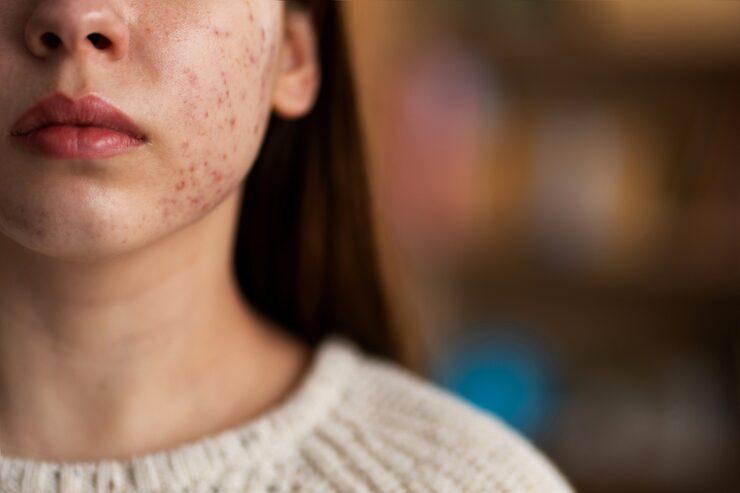
How to remove pimples — what causes acne, what works fast, and how to prevent pimples from returning. Guide from Prakash Hospital Noida.
8 Sept 2026
by Prakash Hospital
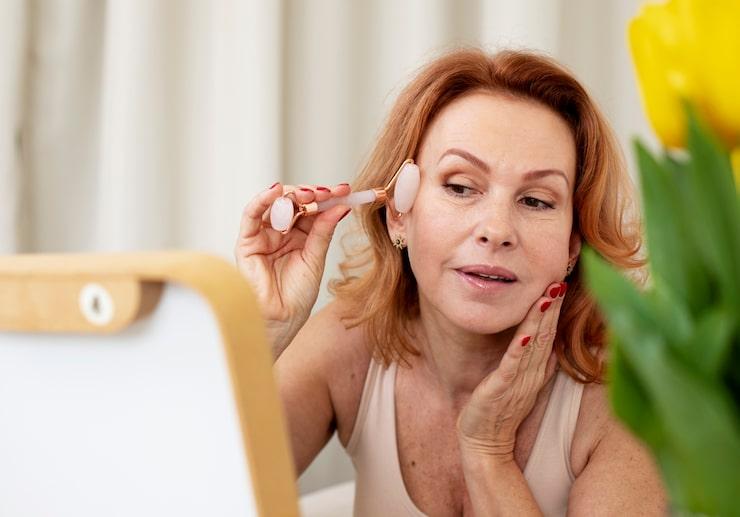
Oily skin causes in India, what makes it worse, and how to manage it with diet and skincare. Prakash Hospital Noida.
11 Sept 2026
by Prakash Hospital
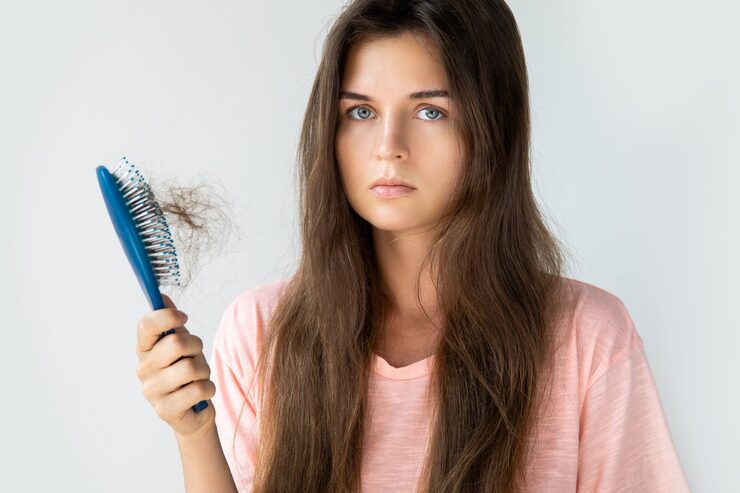
How to stop hair fall with diet, lifestyle changes, and proven treatments. Indian-specific guide from Prakash Hospital Noida.
1 Sept 2026
by Prakash Hospital


Book a consultation with Prakash Hospital's specialists — 24/7 emergency care, 100+ doctors, NABH accredited.
View All Departments