


Dandruff Home Remedies That Actually Work — and What to Skip
Dandruff home remedies — natural treatments that genuinely help and what to skip. Visit Prakash Hospital Noida for dermatology consultation.
15 Jun 2026
by Prakash Hospital
by Prakash Hospital

A woman getting her hair checked.
One of the most commonly asked questions in dermatology consultations in India is whether dandruff causes hair fall. The answer is nuanced — dandruff itself doesn't directly destroy hair follicles, but the scalp inflammation that comes with significant dandruff can shorten the hair growth phase and increase shedding. The relationship is real but indirect.
Understanding this connection helps explain why treating dandruff effectively often reduces hair fall — and why ignoring it doesn't.
Dandruff (medically termed seborrhoeic dermatitis when it involves inflammation, or pityriasis simplex capillitii for mild flaking without inflammation) is a chronic scalp condition characterised by:
The primary driver is overgrowth of Malassezia globosa — a naturally occurring yeast (fungi) present on virtually every human scalp. In most people, it lives harmlessly. In those who develop dandruff, it breaks down sebum (scalp oil) into oleic acid and other fatty acids that penetrate the scalp barrier, trigger an inflammatory immune response, and accelerate the turnover of scalp skin cells — producing the characteristic flaking.
The susceptibility factors include:
The inflammatory response to Malassezia — involving cytokines, prostaglandins, and immune cell infiltration of the scalp — creates an inhospitable environment for hair follicles. Research shows that the inflammatory environment near hair follicles in seborrhoeic dermatitis shortens the anagen (growth) phase and pushes follicles into the telogen (resting) phase earlier than normal. More follicles in telogen means more simultaneous shedding.
Significant itching leads to scratching — and vigorous scratching damages hair follicles mechanically, directly breaks hair shafts, and disrupts the scalp's protective barrier, allowing secondary bacterial infection and further inflammation.
The scalp has a microbial ecosystem — not just Malassezia but also bacterial populations. Significant dandruff disrupts this ecosystem in ways that further impair follicle health.
In very heavy dandruff or seborrhoeic dermatitis, the combination of excess sebum, dead skin cells, and inflammatory debris can partially block follicle openings, impairing normal hair shaft emergence.
The evidence suggests yes, in people where scalp inflammation is the primary driver. A review of clinical data shows that patients using ketoconazole shampoo (the most evidence-based antidandruff treatment) not only improved dandruff scores but also showed reduced hair shedding.
Ketoconazole specifically has been shown in some studies to inhibit DHT production locally at the scalp level — meaning it may have a modest direct hair-protective effect beyond the antifungal action. Some dermatologists use it as a complementary treatment alongside topical minoxidil for androgenetic alopecia.
Regular cosmetic shampoos do not treat dandruff — they may reduce flaking temporarily by washing away scales, but they don't address the Malassezia overgrowth causing it. Active medicated shampoos are needed.
Ketoconazole 2% shampoo: the most effective antidandruff agent with the strongest evidence. Available in India as Nizoral and generic equivalents. Use 2–3 times weekly: apply to wet scalp, lather, leave for 3–5 minutes, rinse. Once flaking is controlled, reduce to once weekly for maintenance.
Zinc pyrithione shampoo: antimicrobial against Malassezia with fewer side effects than ketoconazole. Used 2–3 times weekly. Good maintenance option (brands like Head & Shoulders contain zinc pyrithione, though concentration varies).
Selenium sulphide shampoo: effective antifungal for dandruff. Can cause scalp dryness with overuse.
Coal tar shampoo: slows scalp skin cell turnover. Particularly useful for psoriasis-type scalp involvement. Older treatment with moderate evidence.
Salicylic acid shampoo: helps shed the accumulated scale layers. Often combined with antifungal ingredients.
The practical approach:
Conditioner should be applied to the hair lengths and ends, not the scalp. Applying conditioner to a dandruff-prone scalp adds more lipids for Malassezia to metabolise, worsening the condition.
Oily scalps feed Malassezia. Washing the hair frequently enough to remove excess sebum (typically every 2–3 days for oily scalps in Indian weather) reduces the substrate available for the yeast. Not washing enough actually worsens dandruff on oily scalps.
Zinc deficiency is associated with increased Malassezia overgrowth. Eating zinc-rich foods (pumpkin seeds, sesame, eggs, rajma) and supplementing if deficient helps. B vitamin deficiency (particularly B2, B3, B6) also promotes seborrhoeic dermatitis.
Reducing high-sugar, high-glycaemic foods reduces sebum production (since sugar stimulates sebum through insulin and IGF-1) — relevant particularly for people with very oily scalps.
Stress is one of the most consistent triggers for dandruff flares. Cortisol increases sebum production and modulates the immune response in ways that favour Malassezia overgrowth. The same stress management strategies that help with overall hair fall are directly relevant here.
Neem has documented antifungal properties against Malassezia. Applying diluted neem oil (neem oil mixed with a carrier like coconut oil in a 1:4 ratio) to the scalp, leaving for 30 minutes, and washing out with an antidandruff shampoo is a traditional approach with reasonable mechanism. Not a substitute for medicated shampoo but may help as an adjunct.
See a doctor if:
Tinea capitis (scalp ringworm) is a different fungal infection — not Malassezia — that causes patchy hair loss with scaling and sometimes broken hairs. Much more common in children. Requires oral antifungal medication (not just topical) for several weeks.
At Prakash Hospital Noida, our dermatologists and physicians evaluate scalp conditions — including dandruff, seborrhoeic dermatitis, scalp psoriasis, and tinea capitis — and provide appropriate treatment including medicated shampoo prescription, antifungal treatment, and hair fall assessment.
Whether you live in Sector 18, Sector 62, Greater Noida West, or anywhere in the NCR, Prakash Hospital Noida is a trusted name for dandruff treatment, scalp health, and hair care in Noida.
Tags: #DandruffHairFall #DandruffTreatmentIndia #PrakashHospitalNoida

This article covers skin and hair concerns. These Prakash Hospital doctors in Noida treat them.

Dr. Mohna Chauhan
Consultant Dermatologist & Cosmetic Surgeon
Dermatology · Cosmetic Surgery
A controlled acid solution lifts damaged surface skin to fade pigmentation, tanning and acne marks.
Creams, light therapy, tablets and grafting to stop white patches spreading and restore skin colour.
Laser light damages hair roots to reduce unwanted hair over 6 to 8 sessions, with settings matched to your skin.
Free tools to check your weight, plan a pregnancy, track calories and more.
We offer expert care across key specialties, including Medicine, Cardiology, Orthopaedics, ENT, Gynaecology, and more—delivering trusted treatment under one roof.
Dandruff home remedies — natural treatments that genuinely help and what to skip. Visit Prakash Hospital Noida for dermatology consultation.
15 Jun 2026
by Prakash Hospital

How to remove dandruff — understand causes, get rid of flakes permanently, and prevent it from returning. Visit Prakash Hospital Noida for dermatology consultation.
4 Jun 2026
by Prakash Hospital

Discover effective home remedies for dandruff, including natural treatments and lifestyle tips to reduce flakes and maintain a healthy scalp.
5 May 2026
by Prakash Hospital

Best protein rich foods in India — vegetarian and non-vegetarian sources, daily requirements, and how to eat enough protein on an Indian diet. Prakash Hospital Noida.
18 Aug 2026
by Prakash Hospital

Magnesium deficiency symptoms like cramps, poor sleep and anxiety, why it is common in India, and the best Indian foods for magnesium. Prakash Hospital Noida.
1 Oct 2026
by Prakash Hospital

Discover the health benefits of intermittent fasting, including weight management, improved metabolism, and overall wellness support.
19 May 2026
by Prakash Hospital

Natural ways to stop hair fall at home — diet, scalp care, Ayurvedic remedies with evidence, and what to avoid. Prakash Hospital Noida.
2 Sept 2026
by Prakash Hospital
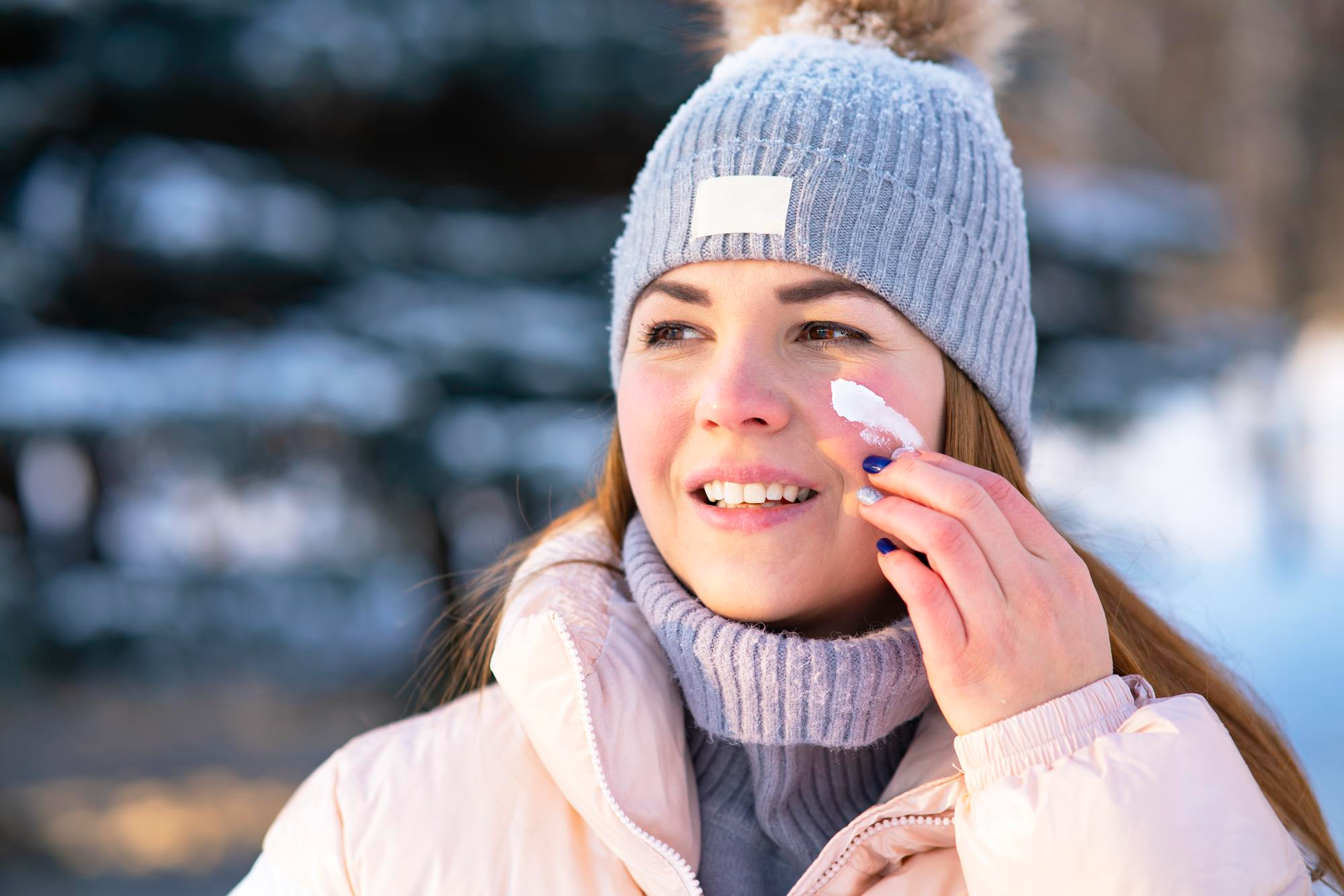
Protect your skin barrier this winter with dermatologist-approved skincare tips and routines by Prakash Hospital.
19 Nov 2025
by Prakash Hospital

Learn effective hair fall home remedies, causes of hair loss, natural treatments, diet tips and prevention methods for healthy and strong hair.
23 Jan 2026
by Prakash Hospital


Book a consultation with Prakash Hospital's specialists — 24/7 emergency care, 100+ doctors, NABH accredited.
View All Departments