


Hair Fall in Men: Why It Happens and What Can Be Done
Hair fall in men — male pattern baldness, causes, and what treatments actually work. Guide from Prakash Hospital Noida, Noida.
7 Sept 2026
by Prakash Hospital
by Prakash Hospital
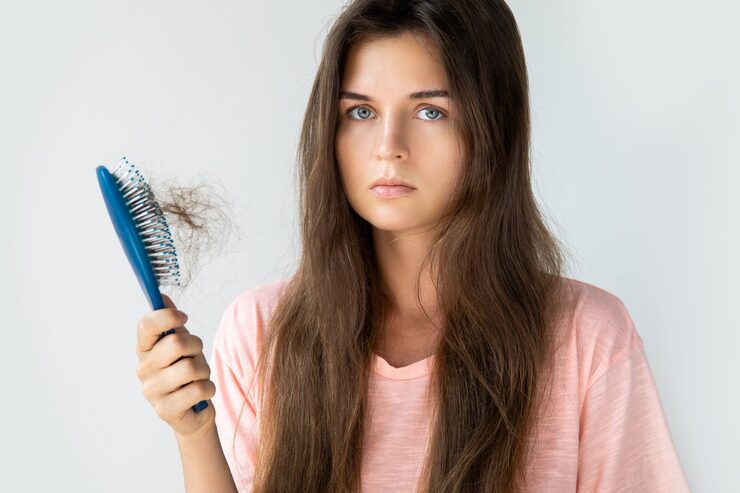
woman suffering from hairfall
Hair fall advice in India ranges from genuinely effective to outright myth. Hibiscus oil. Onion juice. Egg masks. Expensive shampoo serums. Biotin supplements taken in industrial quantities. Some of these have limited evidence; many don't. Meanwhile, the approaches with the strongest evidence — correcting iron deficiency, addressing thyroid disease, using minoxidil for pattern hair loss — are either underused or started too late.
This guide is built on what the evidence supports, shaped by what's practical in the Indian context.
No hair fall treatment works well without knowing the cause. Applying minoxidil to iron-deficiency hair fall won't stop the loss. Treating thyroid disease after years of untreated hypothyroidism allows significant hair loss to accumulate that might have been prevented.
Before spending money on hair treatments, invest in a blood test. The most useful panel for hair fall:
These four tests cover the most common and most correctable causes. If results are abnormal, fixing the underlying deficiency or condition is the most effective hair fall treatment available.
Iron deficiency — even without anaemia — is the leading correctable cause of hair fall in Indian women. Serum ferritin below 30–40 ng/mL consistently correlates with hair loss in clinical studies.
How to increase iron:
Supplement as needed to reach 25-OH vitamin D above 30 ng/mL. 1,000–2,000 IU of vitamin D3 daily for maintenance; higher doses under medical guidance for significant deficiency. Regular morning sunlight.
Hair is keratin. Without adequate protein, the body deprioritises hair follicle activity. Many Indian women — particularly those eating lightly — don't get enough protein.
Target: 0.8–1g of protein per kg of body weight daily. For a 60 kg woman: 48–60g minimum.
B12: supplement if deficient, particularly if vegetarian or on metformin. Biotin supplements are rarely needed — focus resources on the deficiencies that actually cause hair fall.
Beyond correcting deficiencies, certain foods actively support hair follicle function:
Eggs: contain biotin, protein, zinc, selenium — a complete hair nutrition package. Two eggs daily.
Amla: the highest vitamin C content of any Indian food, plus antioxidants that protect hair follicles. Also used topically in traditional care. Eat fresh amla or amla powder in water daily.
Methi (fenugreek) seeds: contain protein, nicotinic acid, and lecithin — compounds traditionally and now evidence-linkedly associated with hair strengthening. Soaking methi seeds overnight and consuming them in the morning addresses hair fall through their anti-inflammatory and hormone-balancing effects.
Walnuts and flaxseeds: omega-3 fatty acids reduce scalp inflammation and improve hair shaft quality. A small daily portion.
Pumpkin seeds: zinc-rich — one of the best plant sources of zinc, which is essential for hair follicle cycling.
Coconut oil (for the scalp, not eating): reduces protein loss from the hair shaft with pre-wash application. The only oil with evidence for penetrating the hair shaft rather than just coating it. Apply before washing — not as an overnight leave-in oil.
There is no evidence that washing hair frequently causes hair fall. This is a widespread myth in India. Washing with a gentle shampoo regularly removes buildup, reduces scalp inflammation (from dandruff, sebum accumulation), and maintains scalp health. Washing with appropriate frequency — whatever keeps the scalp clean — does not cause additional hair fall.
Hair that falls during washing was in the telogen (resting) phase and would have fallen regardless. You're just noticing it all at once because washing loosens the held-in shed hairs.
Chemical straightening, bleaching, perming, and colouring damage the hair shaft. Repeated chemical damage causes breakage — which looks like hair fall but is structurally different from follicle-level hair loss. Minimise harsh chemical treatments, particularly when the scalp is already stressed.
Heat styling: blow dryers and straighteners at high temperatures damage the hair cuticle. Use the coolest effective setting and a heat protectant.
Scalp massage increases blood flow to the scalp. Limited but positive evidence that regular scalp massage (4 minutes daily) increases hair thickness in early studies. The Ayurvedic practice of regular oil massage has a plausible mechanism through improved circulation. Use in combination with other approaches rather than as a standalone.
Malassezia-driven scalp inflammation from dandruff contributes to hair fall. Treating dandruff effectively reduces this component. Ketoconazole shampoo (2%), selenium sulphide shampoo, or zinc pyrithione shampoo used 2–3 times weekly. Not regular cosmetic shampoos, which don't address the underlying fungal component.
If hair fall started suddenly 2–3 months after an identifiable event (illness, surgery, childbirth, crash diet, severe stress, COVID), it's likely telogen effluvium. This typically resolves within 6–12 months as the trigger resolves.
What helps the recovery:
What doesn't speed it up significantly:
Stress — both acute and chronic — triggers or worsens hair fall through multiple mechanisms: cortisol disrupts the hair growth cycle; chronic stress can trigger alopecia areata; the behaviour changes of stress (poor sleep, poor diet) compound the nutritional factors.
Yoga, pranayama, adequate sleep, and genuine stress reduction (not just coping) address the cortisol-hair fall axis directly. This isn't soft wellness advice — it's physiologically direct.
The most widely evidence-based topical treatment for hair fall from androgenetic alopecia (pattern hair loss). Available over the counter in India.
Minoxidil is appropriate for androgenetic alopecia. It's less effective for hair fall from nutritional deficiency or telogen effluvium.
Oral finasteride (1 mg daily) blocks the conversion of testosterone to DHT and is highly effective for male pattern hair loss. Requires a prescription. Not for women of childbearing potential (causes birth defects). Takes 3–6 months to show benefit.
Oral contraceptive pills, spironolactone, or cyproterone acetate — reduce androgen levels and the androgen-driven follicle miniaturisation. Prescribed by a gynaecologist or endocrinologist based on hormonal profile.
An emerging treatment where the patient's own blood is processed to concentrate platelets, which are then injected into the scalp. Growth factors in platelets stimulate follicle activity. Evidence is growing but not yet definitive. Available at dermatology clinics.
Devices that deliver red light to the scalp. Some evidence for benefit in androgenetic alopecia. Available as clinic treatments and home devices (laser combs/caps). Not definitive but considered safe with modest benefit.
At Prakash Hospital Noida, our physicians and dermatologists evaluate hair fall with blood tests to identify correctable causes, prescribe appropriate treatments, and refer for specialist dermatological management when needed.
Whether you live in Sector 18, Sector 62, Greater Noida West, or anywhere in the NCR, Prakash Hospital Noida is a trusted name for hair fall treatment, skin and hair health, and general medicine in Noida.
To book a consultation, call the number.
Tags: #HowToStopHairFall #HairFallControl #PrakashHospitalNoida

This article covers skin and hair concerns. These Prakash Hospital doctors in Noida treat them.

Dr. Mohna Chauhan
Consultant Dermatologist & Cosmetic Surgeon
Dermatology · Cosmetic Surgery
A controlled acid solution lifts damaged surface skin to fade pigmentation, tanning and acne marks.
Laser light damages hair roots to reduce unwanted hair over 6 to 8 sessions, with settings matched to your skin.
Surgery, often with injections, to make wide, raised or tight scars flatter and less noticeable.
Free tools to check your weight, plan a pregnancy, track calories and more.
We offer expert care across key specialties, including Medicine, Cardiology, Orthopaedics, ENT, Gynaecology, and more—delivering trusted treatment under one roof.
Hair fall in men — male pattern baldness, causes, and what treatments actually work. Guide from Prakash Hospital Noida, Noida.
7 Sept 2026
by Prakash Hospital

Does dandruff cause hair fall? The link between scalp inflammation and hair loss — and how to treat both. Prakash Hospital Noida.
7 Sept 2026
by Prakash Hospital

Which vitamin deficiencies cause hair fall — iron, vitamin D, B12, and zinc. How to test and fix them. Prakash Hospital Noida.
4 Sept 2026
by Prakash Hospital

Magnesium deficiency symptoms like cramps, poor sleep and anxiety, why it is common in India, and the best Indian foods for magnesium. Prakash Hospital Noida.
1 Oct 2026
by Prakash Hospital

Discover a complete diet plan for diabetic patients, including foods to eat, foods to avoid, meal tips, and blood sugar control at Prakash Hospital.
16 Feb 2026
by Prakash Hospital

Discover the best iron-rich foods to increase hemoglobin levels, prevent anemia, and improve overall health with a balanced diet.
29 Apr 2026
by Prakash Hospital

Learn effective hair fall home remedies, causes of hair loss, natural treatments, diet tips and prevention methods for healthy and strong hair.
23 Jan 2026
by Prakash Hospital

Skin pigmentation — what causes dark patches, melasma, and uneven skin tone, and what treatment works. Prakash Hospital Noida.
9 Sept 2026
by Prakash Hospital
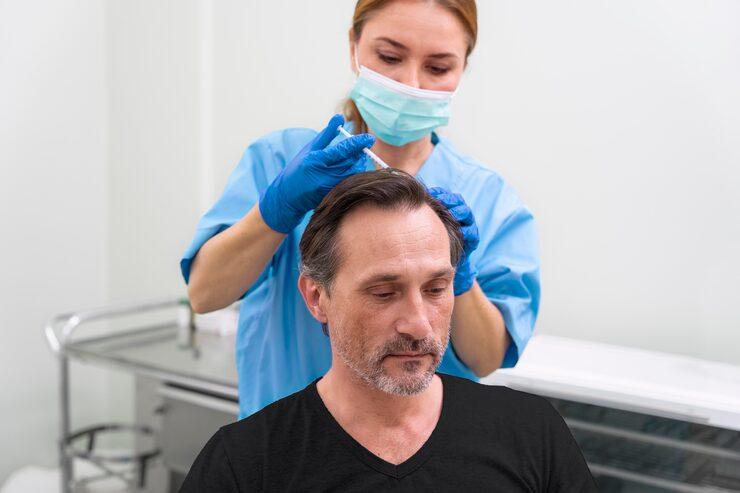
Learn how to get your confidence back with hair replacement surgery with the help of the experts at Prakash Hospital, Noida.
11 Sept 2025
by Prakash Hospital


Book a consultation with Prakash Hospital's specialists — 24/7 emergency care, 100+ doctors, NABH accredited.
View All Departments