


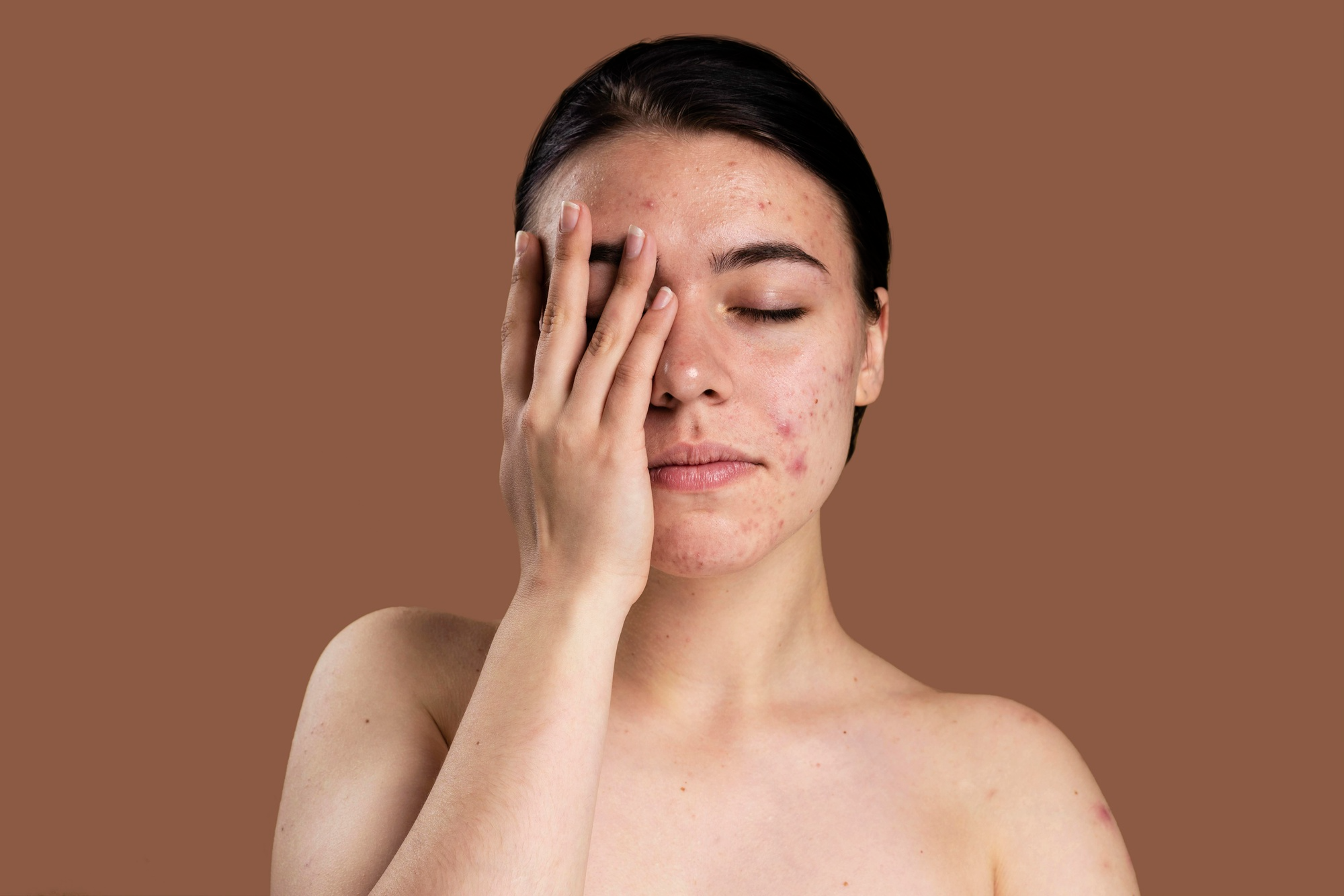
Acne in Adulthood: Causes, Treatments & When to See a Dermatologist
Learn the causes of adult acne, effective treatments, and when to seek dermatologist care for lasting relief.
13 Nov 2025
by Prakash Hospital
by Prakash Hospital
Here is something nobody tells you in your twenties: acne does not necessarily go away after your teens. For a significant number of women and some men, it follows them into adulthood, showing up as deep, painful cysts along the jaw and chin, often on a schedule that maps suspiciously well to the menstrual cycle.
This is hormonal acne. It is not the same thing as the teenage variety. It does not respond to the same treatments. And repeatedly throwing face washes and spot creams at it tends to produce, at best, modest improvement and at worst, a damaged skin barrier and a persistent breakout pattern that has not shifted at all.
Understanding why hormonal acne happens directly determines what will and won't work and why so many people spend years treating the wrong thing.
Acne, in any form, involves four things:
What makes hormonal acne distinct is what drives those four things.
In non-hormonal acne, the trigger might be an occlusive product, humidity, or a high-glycemic diet. In hormonal acne, the trigger is inside the body. A shift in hormone levels that sets off a cascade the skin cannot easily compensate for.
The hormones most directly responsible are androgens, particularly testosterone. Both men and women produce them. When androgen levels rise, even slightly, even temporarily, the skin's oil glands respond by producing more sebum. More sebum creates a richer environment for Cutibacterium acnes, the bacteria primarily responsible for inflammatory breakouts, to multiply. Dead skin cells that might otherwise shed normally start to accumulate and block follicles. The immune system responds to the bacterial overgrowth with inflammation. A cyst forms.
The whole process takes days, sometimes weeks. By the time the breakout is visible, the hormonal trigger that started it may have already passed which is one reason hormonal acne feels so hard to predict or intercept.
What makes it especially stubborn is that this is not a one-off event. For as long as hormonal fluctuations continue, the cycle repeats.
Not all adult acne is hormonal, though a significant proportion is. A few features make hormonal acne fairly recognisable:
Hormonal acne has a characteristic distribution, including:
This reflects the concentration of oil glands in these areas that are most sensitive to androgen stimulation. Acne that appears consistently in this lower-face pattern, particularly in adults, points strongly toward a hormonal driver.
Hormonal acne tends toward the deeper, more painful end of the spectrum.
Cysts and nodules are large, hard lumps with no surface head that sit under the skin for weeks. They are particularly associated with hormonal imbalance.
Surface blackheads and whiteheads can be part of the picture too, but the signature lesion of hormonal acne is the deep, slow-to-resolve cyst.
For women, the most telling feature is often cyclical timing.
Breakouts that flare reliably in the week or two before menstruation, then ease somewhat after it begins, are a textbook presentation of hormonally-driven acne.
The drop in estrogen and rise in relative androgen influence during the luteal phase is what drives this pattern.

A woman looks at her face in the mirror, concerned about recurring acne caused by hormonal changes.
If someone has tried multiple over-the-counter products consistently and seen minimal improvement, that is itself a signal.
Surface treatments work on surface problems. They cannot regulate oil gland activity driven by internal hormonal signals.
The most universal trigger for women. In the days before menstruation:
The breakout appears usually 7 to 10 days before the period starts, clustered around the chin and jaw and then gradually clears as menstruation begins and hormones shift again.
This monthly pattern is often the first clue that acne has a hormonal component, and it is one of the reasons many women feel like they are fighting an unwinnable battle with their skin.
Polycystic Ovary Syndrome is one of the most common hormonal disorders affecting women of reproductive age and persistent, treatment-resistant acne is one of its most frequent skin manifestations.
The chronically elevated androgen levels characteristic of PCOS keep oil production consistently elevated, which is why acne in this context tends to be more persistent and less cyclical than menstrual-related breakouts.
PCOS-related acne is particularly worth considering when breakouts are severe, when standard treatments including prescription skincare have produced little improvement, or when other signs of androgen excess are present like
In this situation, treating only the skin will never be enough.
Cortisol is the body's primary stress hormone. It increases oil production and drives inflammation. This is why periods of sustained stress reliably worsen acne for people who are already prone to it. Cortisol also disrupts other hormones, including those that regulate the menstrual cycle, which can amplify the skin effects further.
Stress is rarely the sole cause of hormonal acne, but it is one of the most consistent worsening factors.

A woman looks at a period tracker while noticing acne, highlighting how breakouts often occur around menstrual cycles due to hormonal changes.
Hormonal changes during pregnancy are dramatic and largely unpredictable in their effect on skin.
Some women see their skin improve significantly during pregnancy; others experience some of the worst acne of their adult lives, particularly in the first trimester.
Postpartum hormonal shifts can trigger breakouts too, at a time when most new mothers are already dealing with enough.
Adult-onset acne during perimenopause surprises a lot of women who never had significant skin issues when they were younger.
As estrogen declines during this transition, androgens remain relatively stable, meaning their influence on the skin increases proportionally.
The result, for some women, is acne appearing for the first time in their 40s or 50s. It tends to behave like other hormonal acne, concentrated on the lower face, often cystic, resistant to topical treatments alone.
Over-the-counter treatments such as:
are designed to address the skin-surface manifestations of acne. They help clear pores, reduce bacterial load, and manage oil on the skin's surface. For acne driven by external factors like product buildup or environmental exposure, they can work well.

A woman sits on her bed appearing stressed, illustrating how stress can contribute to hormonal acne and skin issues.
Hormonal acne is driven by what is happening several levels deeper, in the sebaceous glands, responding to systemic hormone levels.
No topical product can reach far enough into that mechanism to interrupt it meaningfully. This is not a failure of the person using the products. It is a mismatch between the treatment and the actual cause.
This is also why hormonal acne tends to keep coming back in the same places, in the same pattern, regardless of how carefully someone maintains their skincare routine.
Skincare is still important. It manages surface oil, reduces bacterial load, and helps prevent the hyperpigmentation and scarring that can follow cystic breakouts. It just cannot do the whole job on its own.
What helps:
What makes hormonal acne worse: physical scrubs, over-cleansing, using too many actives at once, and picking at cystic lesions, which drives inflammation deeper and increases scarring risk considerably.
For persistent hormonal acne, this is where meaningful improvement comes from. Options a dermatologist or endocrinologist at Prakash Hospital, Noida, may consider:
Diet does not cause hormonal acne, and no dietary change will cure it. What diet can do is influence the hormonal and inflammatory environment that acne develops in.
High glycemic index foods such as:
spike blood sugar and insulin, which in turn stimulates androgen production. Reducing these consistently can lower the baseline hormonal stimulus on oil glands.
Dairy, particularly skimmed milk, has shown up in multiple studies as a potential acne aggravator, possibly due to the hormonal content of milk. These associations are real, but modest, improving diet is supportive, not curative.
On the other side:
support both skin health and hormonal balance. Worth building into the overall approach, with realistic expectations.
Managing cortisol levels has direct skin benefits for people with hormonal acne. Regular exercise, adequate sleep, and reducing sustained psychological stress are not soft suggestions but they genuinely reduce the hormonal load on the skin.
Whether that translates to fewer breakouts depends on how central stress is to someone's hormonal picture, but for many people it is a more significant factor than they initially give credit for.
Hormonal acne that is consistently undertreated or treated with the wrong approach carries real long-term consequences:
Dark marks that linger for months after the acne itself has cleared, particularly on deeper skin tones
Especially from cystic lesions that take weeks to resolve or that have been picked at
The burden of persistent, visible facial acne is significant and should not be minimised. It affects confidence, social behaviour, and in some cases contributes to anxiety and depression
Getting the right treatment early prevents most of these outcomes. Cystic acne that is left unmanaged for years is considerably harder to address than cystic acne that is caught and treated appropriately from the start.
Mild, infrequent breakouts can be managed with good skincare. But a specialist evaluation makes sense when:
At that point, what is needed is a proper hormonal and dermatological assessment, not another skincare product.

A woman applies a clay face mask, helping to reduce acne and improve skin health.
Consistent location on the lower face and jaw, cyclical timing linked to the menstrual cycle, deep cystic lesions, and poor response to standard topical treatments are the main indicators. Any combination of these points toward a hormonal cause.
For some people, it improves naturally as hormone levels stabilise with age. For others, ongoing management is needed. With the right treatment approach, the vast majority of people with hormonal acne can achieve substantial, lasting improvement.
Good hydration supports skin health generally, but it will not meaningfully reduce hormonally-driven breakouts. It is one small piece of a much larger picture.
No. It is common across a wide age range including women in their 30s, 40s, and even 50s and can affect men too, though the triggers and patterns differ.
Stress amplifies and worsens hormonal acne, but is rarely the sole cause. It is more of an accelerant than an origin.
Hormonal acne sits at the overlap of dermatology and endocrinology. Treating just the skin without understanding what is driving it hormonally is why so many people cycle through treatments without resolution.
At Prakash Hospital, Noida, the approach to hormonal acne goes beyond the surface:
For patients across Noida who have been managing persistent or cystic acne without adequate results, a comprehensive evaluation at Prakash Hospital gets to what is actually driving it.
Book a consultation at Prakash Hospital, Noida today.

This article covers skin and hair concerns. These Prakash Hospital doctors in Noida treat them.

Dr. Mohna Chauhan
Consultant Dermatologist & Cosmetic Surgeon
Dermatology · Cosmetic Surgery
Surgery, often with injections, to make wide, raised or tight scars flatter and less noticeable.
Laser light damages hair roots to reduce unwanted hair over 6 to 8 sessions, with settings matched to your skin.
Creams, light therapy, tablets and grafting to stop white patches spreading and restore skin colour.
Free tools to check your weight, plan a pregnancy, track calories and more.
We offer expert care across key specialties, including Medicine, Cardiology, Orthopaedics, ENT, Gynaecology, and more—delivering trusted treatment under one roof.
Learn the causes of adult acne, effective treatments, and when to seek dermatologist care for lasting relief.
13 Nov 2025
by Prakash Hospital
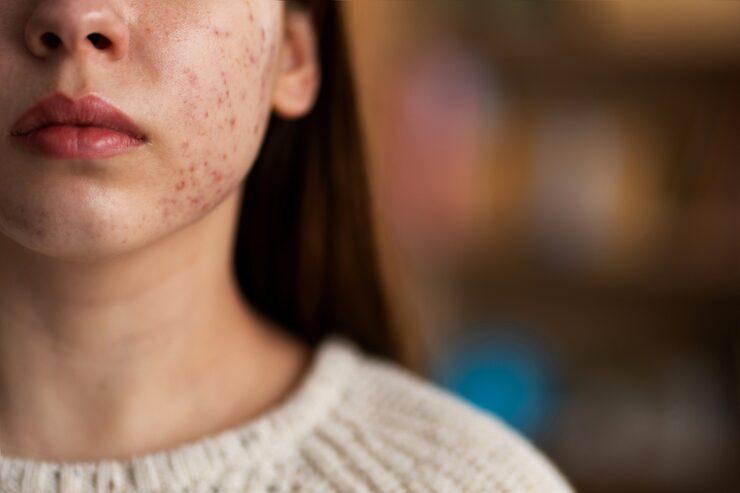
How to remove pimples — what causes acne, what works fast, and how to prevent pimples from returning. Guide from Prakash Hospital Noida.
8 Sept 2026
by Prakash Hospital
Learn the truth behind common skincare myths with dermatologist-approved insights and practical advice from Prakash Hospital.
11 Aug 2025
by Prakash Hospital

PCOD problems — the long-term health complications of polycystic ovarian disease and how to prevent them. Visit Prakash Hospital Noida for expert care.
2 Jun 2026
by Prakash Hospital

What is PCOD — a complete guide to causes, symptoms, hormones, and how the condition develops. Visit Prakash Hospital Noida for expert women's health care.
20 May 2026
by Prakash Hospital

यूरिन इंफेक्शन यानी UTI क्या होता है, महिलाओं में इसके लक्षण, कारण, जांच और सही इलाज की पूरी जानकारी हिंदी में।
22 Jan 2026
by Prakash Hospital

White patches on face — understand what causes them, when they are concerning, and treatment options. Visit Prakash Hospital Noida for dermatology consultation.
26 May 2026
by Prakash Hospital

Dark circles are not always about sleep. From anaemia and thyroid issues to genetics and sun damage, our dermatology team at Prakash Hospital, Noida breaks down the real causes and what actually works.
13 Apr 2026
by Prakash Hospital

Learn whether lipoma can be treated naturally, its causes, symptoms, and available medical and home management options for safe care.
20 Apr 2026
by Prakash Hospital


Book a consultation with Prakash Hospital's specialists — 24/7 emergency care, 100+ doctors, NABH accredited.
View All Departments