


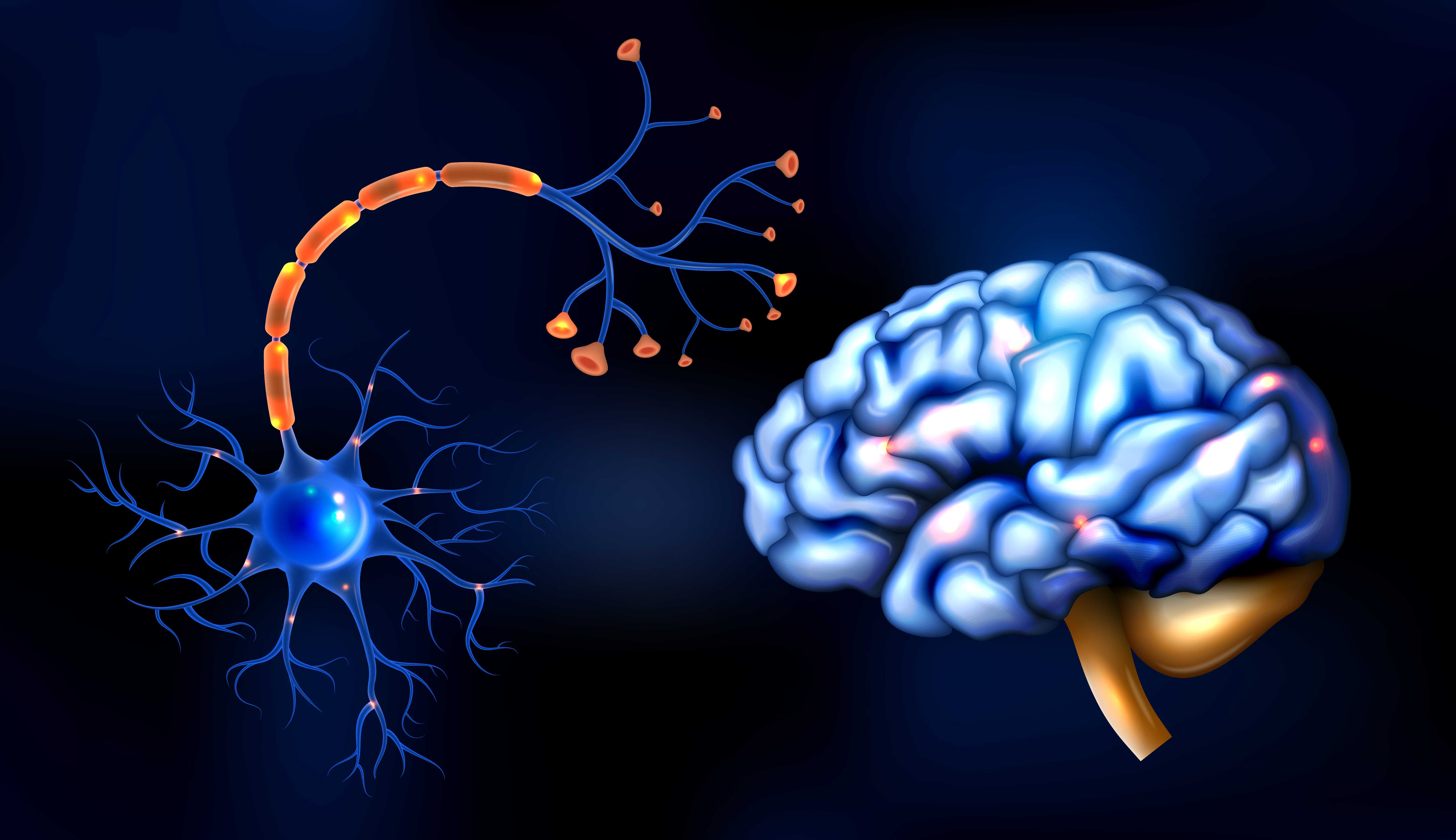
Brain Hemorrhage: Warning Signs, Causes and Emergency Treatment
Learn the warning signs of brain hemorrhage, possible causes, emergency treatment options, and why immediate medical attention is critical.
19 May 2026
by Prakash Hospital
by By Prakash Hospital

Attention improves most through sleep, exercise and better work habits rather than brain games.
You can train your attention, but the evidence says the apps and games that promise to do it mostly don't work the way their ads suggest. A large review of working memory training (Melby-Lervåg, Redick and Hulme, 2016) found that people got better at the trained tasks and similar ones, but the benefits did not carry over to everyday attention, school or work. What does build real-world focus is much less glamorous: protecting your attention from interruptions, practising one thing at a time for gradually longer stretches, sleeping enough, moving your body and doing a few minutes of deliberate attention practice each day.
This guide explains the research honestly, then gives you a four-week plan that treats focus like a skill you build in steps, the way you would build running distance.
Brain-training games make you better at brain-training games. When researchers pooled results from dozens of working memory studies, the gains were short-lived and specific to the tasks practised. There was little improvement in things like attention in class, reading or arithmetic. That doesn't mean attention is fixed. It means the best route to a better attention span is changing how you work and live, rather than playing puzzles.
Think of focus as a mix of capacity and conditions.
Most people get bigger gains from fixing conditions than from anything else, and they can do it today.
Sleep loss reduces attention, working memory and mood. Adults generally need seven to nine hours. Two weeks of six-hour nights can leave performance as impaired as a full night without sleep, and people often don't notice because they adapt to feeling off. Regular bed and wake times, a dark cool room and no screens in the last hour before bed all help.
Brisk walking, cycling, swimming or jogging for 30 minutes most days is linked to better attention and executive function in adults and children. A single bout can also sharpen focus for an hour or two afterwards. This is among the best-supported ways of improving attention.
Skipping meals leaves you irritable and unfocused for many people. Big, heavy, sugary lunches make the afternoon slump worse. Aim for regular meals with protein and fibre, and drink water through the day. Check for iron, B12 and vitamin D deficiency if you often feel foggy.
Anxiety and low mood cost attention. Regular breathing practice, time outdoors, connection with people and, if needed, professional help for anxiety or depression all indirectly improve focus.
Try these for one week before anything else.
Each interruption has a cost, because switching tasks leaves some of your attention behind with the previous one. Research on workplace interruptions suggests people can take many minutes to return fully to a demanding task after being interrupted.
Treat this like strength training: start easy, add a little each week, and rest.
By the end of four weeks, most people can manage a 45 to 60 minute focused block on a demanding task, with fewer urges to check devices. That sounds modest, but it's a big change from where many people start.
Schedule your demanding tasks into specific blocks on your calendar and treat them like meetings.
When you don't feel like starting, tell yourself you'll work for just two minutes. Starting is usually the hard part.
"If it is 9 a.m., then I open the report and write for 25 minutes." Specific if-then plans make follow-through more likely.
Underlining, summarising a paragraph in your own words or taking brief notes turns passive reading into active work.
Clear goals, short deadlines, a bit of challenge and immediate feedback all support absorption. Break big tasks into small, well-defined steps.
Mental breaks, short walks, and looking away from screens restore attention. Taking a short break before attention collapses is more effective than pushing until it does.
Studies of mindfulness training suggest small to moderate improvements in attention, particularly in sustained attention and mind wandering, after several weeks of practice. Effects are modest, and quality of studies varies. Still, even 5 to 10 minutes a day is a low-risk way to rehearse the "notice and return" skill.
Moderate caffeine (a few cups of tea or coffee, before the afternoon) can sharpen alertness in most adults, but too much raises anxiety and spoils sleep. Supplements marketed for focus are mostly unproven. Correct a documented deficiency (iron, B12, vitamin D) with your doctor's guidance. Do not use prescription stimulants or other drugs without a prescription: they carry real risks.
Keep a simple log for the month:
A rising count of completed blocks and a longer longest block are better signs of progress than how you feel on any single day.
If you've followed the plan for four weeks, with good sleep, and you still can't hold attention for 15 minutes on anything, or if poor focus came on suddenly or comes with other symptoms, get a medical check. Thyroid disease, anaemia, sleep apnoea, depression, anxiety and ADHD are all treatable causes. Our guide on focus, concentration and ADHD explains what an assessment involves.
Reduce interruptions, practise single-tasking in timed blocks that you lengthen gradually, do a few minutes of breath or mindfulness practice daily, exercise, and sleep enough.
Most people notice a difference within two to four weeks of consistent practice. Larger changes take longer.
They improve performance on the app's tasks, but the evidence shows little transfer to real-life attention.
By sleeping properly, exercising, controlling your environment, working in progressive blocks and practising attention exercises like breath counting.
Studies suggest modest benefits for attention. Even short daily practice can help.
It varies with the task, the person and the conditions. Many people can maintain deep focus for 45 to 90 minutes before needing a break.
Check sleep, mood, thyroid, iron, B12 and vitamin D, and consider an assessment for ADHD or anxiety. These are common and treatable.
See a doctor if poor concentration is new, sudden or getting worse, or comes with memory loss, severe headaches, confusion, weakness, changes in vision or speech, or low mood. Seek urgent care for sudden confusion, difficulty speaking, facial drooping or limb weakness.
Whether you live in Sector 18, Sector 62, Greater Noida West, or anywhere nearby, Prakash Hospital Noida is a trusted name for neurology and mental wellbeing care in Noida. Our doctors check for medical causes of poor focus and guide you to the right support.
To book a consultation, call the number.
Sources: Melby-Lervåg M, Redick TS, Hulme C. Working memory training does not improve performance on measures of intelligence or other measures of far transfer. Perspectives on Psychological Science, 2016. General evidence on exercise, sleep and mindfulness and attention drawn from published reviews.
Tags: #TrainYourBrainToFocus #IncreaseAttentionSpan #PrakashHospitalNoida

This article covers neurology concerns. These Prakash Hospital doctors in Noida treat them.

Dr. R.K. Majumdar
Sr Consultant Neurosurgeon
Advanced Spine Surgery · Neurooncosurgery · Endoscopic Brain Surgery
Collects spinal fluid from the lower back to diagnose meningitis, bleeding around the brain and nerve inflammation.
Targeted injections for chronic migraine, dystonia, eyelid spasm and muscle stiffness after a stroke.
Round-the-clock emergency scans and treatment for stroke, followed by rehabilitation and prevention.
Free tools to check your weight, plan a pregnancy, track calories and more.
We offer expert care across key specialties, including Medicine, Cardiology, Orthopaedics, ENT, Gynaecology, and more—delivering trusted treatment under one roof.
Learn the warning signs of brain hemorrhage, possible causes, emergency treatment options, and why immediate medical attention is critical.
19 May 2026
by Prakash Hospital

Best Indian foods for brain power, memory, and focus. What to eat to sharpen your mind naturally. From Prakash Hospital Noida.
27 Jul 2026
by Prakash Hospital

Natural, science-backed ways to increase brain power, sharpen thinking, and improve mental performance. From Prakash Hospital Noida.
24 Jul 2026
by Prakash Hospital

Yoga asanas for lower back pain that are evidence-backed, safe, and practical for Indian practitioners. Prakash Hospital Noida.
27 Aug 2026
by Prakash Hospital

पीठ दर्द क्यों होता है? जानिए इसके मुख्य कारण, लक्षण, घरेलू उपाय और पीठ दर्द से बचाव के आसान तरीके।
10 Feb 2026
by Prakash Hospital

Learn essential ergonomic tips for desk workers to prevent back pain, neck strain, wrist injuries, and posture-related problems.
10 Mar 2026
by Prakash Hospital

Improve memory and focus with proven daily habits that support long-term brain health and cognitive function.
27 Nov 2025
by Prakash Hospital

नस दबने की समस्या क्यों होती है? इसके शुरुआती लक्षण, कारण, इलाज और बचाव के तरीके जानें और कब डॉक्टर से संपर्क करना जरूरी है।
15 Apr 2026
by Prakash Hospital

Know the early signs of a stroke, the BE-FAST check, what to do first and why minutes matter. Causes, risk factors and prevention. Prakash Hospital Noida.
22 Oct 2026
by Prakash Hospital


Book a consultation with Prakash Hospital's specialists — 24/7 emergency care, 100+ doctors, NABH accredited.
View All Departments