A woman working at a desk while sitting in a strained posture.
In today's workplace, we tend to do most of our work sitting at desks in front of monitors with lots of repetitive actions performed with our hands. Office work is not considered physically demanding, but improper ergonomics and working components can lead to chronic lower back pain, neck strain, carpal tunnel syndrome, and musculoskeletal disorders.
Ergonomics is the science of designing the workplace to match the natural posture of your body and prevent injury. Good ergonomics helps you produce more work, feel less tired after work, and have a healthy back!
Sitting with no support on your back for long periods of time can result in:
A poor posture while sitting for long periods of time can lead to:
Making preventative changes can significantly reduce the risk of these conditions developing.
An ergonomic workstation begins with the chair you use.
Your Desirable Chair Features:
When you sit correctly, your body should be in line like this:
Sitting with your legs crossed for a prolonged period of time will put pressure on your blood vessels and create improper posture with respect to the position of your spine.
The normal curve of the human spinal cord forms the following three curves:
Ways to preserve spinal neutrality and balance when sitting:
Sitting in a slouched position for an extended period of time can increase the amount of pressure placed on your spinal discs and cause excess muscle fatigues.
The way your monitor is positioned will create problems for your neck if it is not aligned properly.
Ways to position your monitor correctly:
If you do not raise the height of the laptop you use, then you are putting excess pressure on the muscles in your neck by extending your neck forward.

Infographic comparing proper and poor sitting posture at a desk.
Improper hand placement may cause wrist strain and repetitive strain injuries.
Recommended Placement:
Avoid placing wrists on hard surfaces for extended periods.
Even with proper posture, sitting for extended periods of time impacts circulation and metabolism.
Adhere to the 30-60 minute rule:
Micro-movements throughout the day can prevent stiffness and promote circulation.
Stretching exercises help to avoid muscle contraction.
These exercises help to avoid muscle contraction and pain.
Insufficient lighting causes eye strain and headaches.
To avoid eye strain:
Digital eye strain causes dryness, blurred vision, and headaches.
Alternating between sitting and standing prevents constant pressure on the spine.
While standing:
Gradual adjustment is advised to prevent fatigue.

A woman using a standing desk while working.
If you have any of the following symptoms, consult a doctor:
Early signs of inadequate ergonomics can cause chronic musculoskeletal problems.
Adopting proper posture and ergonomic setup of your workspace:
Office work, although seeming less physically demanding, can have a dramatic effect on your spine and musculoskeletal system if proper ergonomics are not followed. Slouching, prolonged sitting, and improperly set up work environments can cause your muscles, joints, and nerves to weaken.
If you are suffering from constant back pain, neck stiffness, or problems with posture at work, then visit the specialists at Prakash Hospital. Our team of orthopedic and physiotherapists will help you work comfortably with our posture analysis and spinal evaluation services.
Schedule your appointment today.
 Copy
CopyWe offer expert care across key specialties, including Medicine, Cardiology, Orthopaedics, ENT, Gynaecology, and more—delivering trusted treatment under one roof.
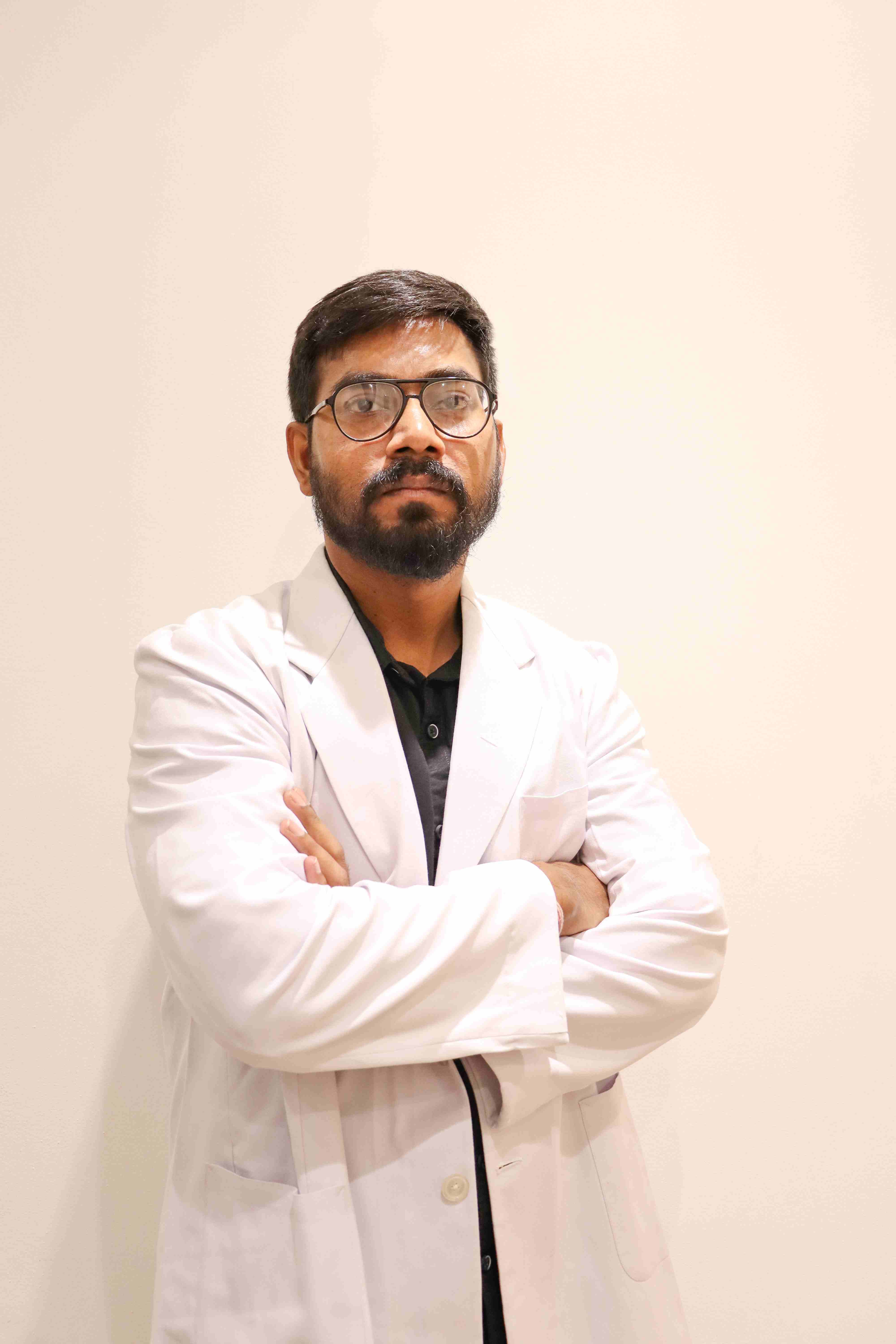
Dr. Abhishek
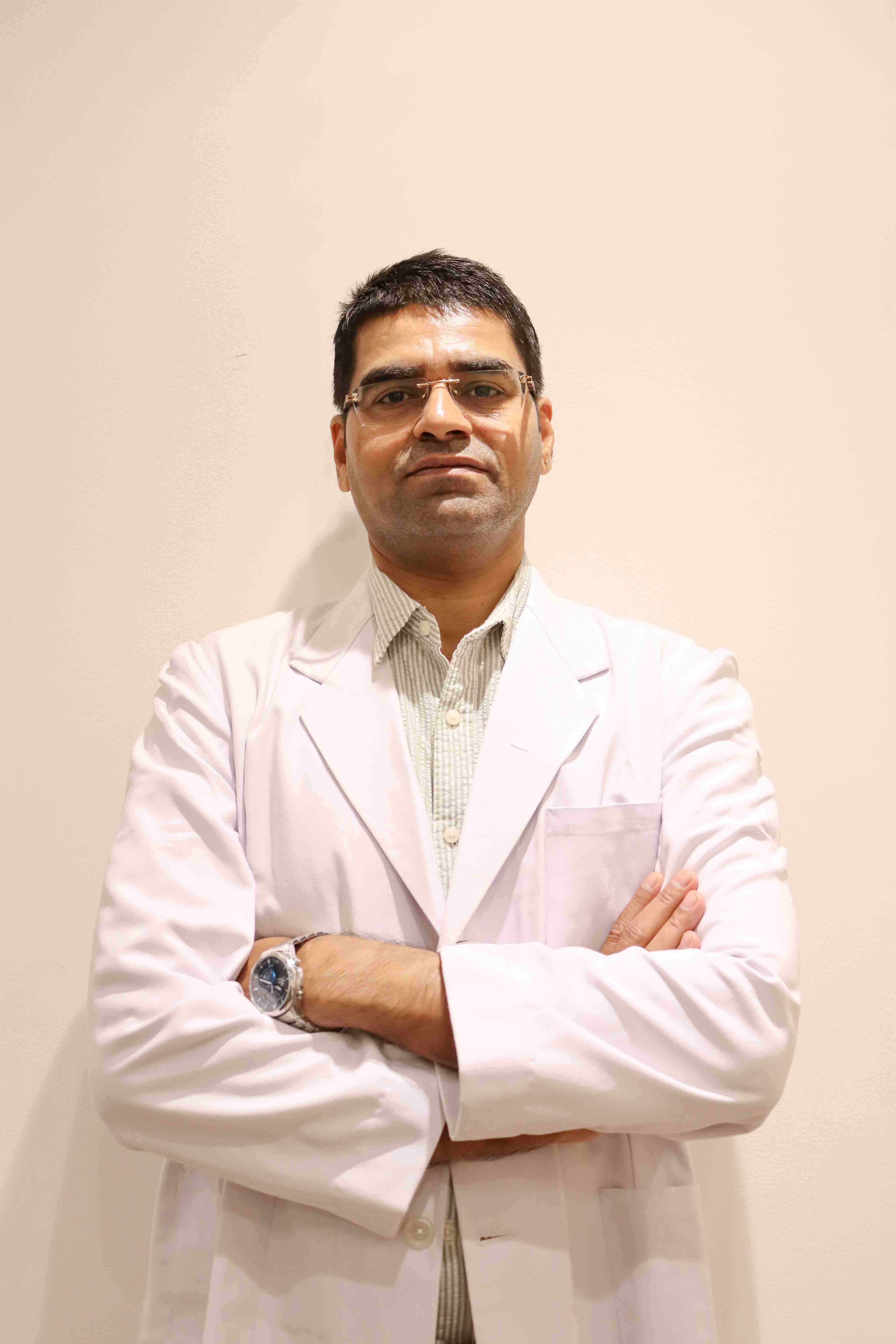
Dr. Divyajyoti Sharma

Dr. Megha


Book a consultation with Prakash Hospital's specialists — 24/7 emergency care, 100+ doctors, NABH accredited.

Prakash Hospital Pvt. Ltd. is a 100 bedded NABH NABL accredited multispecialty hospital along with a center of trauma and orthopedics. We are in the service of society since 2001.
OUR SPECIALITIES
Patient Services
PROCEDURES
Contact Us
D – 12A, 12B, Sector-33, G. B. Nagar, Noida, Uttar Pradesh 201301
+91-8826000033


© 2026 All rights reserved.
Designed and Developed by Zarle Infotech