


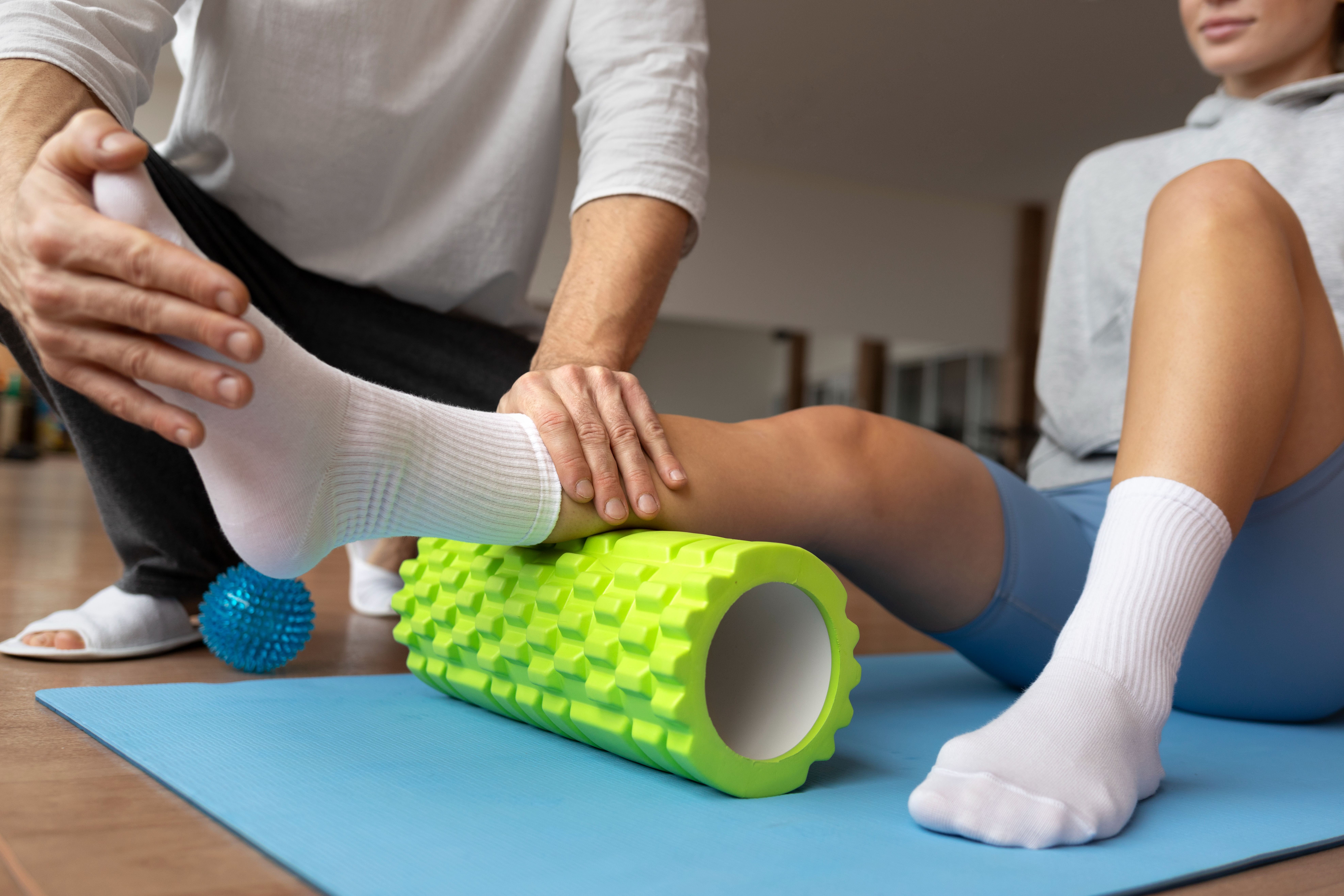
Orthopedic Fitness: Safe Exercise Tips for Joint Support
Discover expert-approved orthopedic fitness strategies with safe exercises to support your joints, reduce pain, and improve mobility. Ideal for all age groups.
25 Jun 2025
by Prakash Hospital
by Prakash Hospital

A young woman does yoga outside in the woods, illustrating an exercise routine before and after blood donation, emphasizing awareness.
Yoga and back pain have a long association in Indian culture — the tradition of managing spinal health through mindful movement, breath, and postural work is thousands of years old. What's newer is the growing body of scientific evidence confirming what practitioners have long believed: yoga reduces chronic lower back pain, improves function, and in many studies compares favourably with other active treatments like physiotherapy.
A 2017 Cochrane review — the gold standard of evidence synthesis — found that yoga produces clinically meaningful improvements in pain and function in people with chronic non-specific lower back pain, with effects maintained at 6 months. Multiple Indian trials have replicated these findings in the Indian context.
This guide presents the most evidence-backed and practically accessible yoga asanas for lower back pain, with instructions for doing them safely and modifications for beginners.
Who this is appropriate for: people with non-specific lower back pain (muscle, ligament, postural, mild disc-related) that is not in the acute severe phase. Yoga is most appropriate for subacute (4–12 weeks) and chronic (beyond 12 weeks) lower back pain.
Wait before starting if: your pain is in the acute severe phase (first 48–72 hours of an injury), you have significant nerve symptoms (shooting pain down the leg, leg weakness, numbness), or you have unstable spinal fracture, infection, or tumour.
Start gently: yoga for back pain is not power yoga. It's slow, mindful, and within your comfortable range of motion. Never force a posture.
Breathe continuously: breath retention during postures increases intra-abdominal pressure and spinal load.
Pain is a guide: mild discomfort during stretching is normal. Sharp pain, pain radiating further down the leg, or significantly worsening pain are signals to stop that posture.
Purpose: establishes grounding, activates the spinal erectors, and focuses breath.
How to do it:
This simple posture re-establishes spinal alignment and activates the deep postural muscles before more active postures.
Purpose: gently mobilises the entire spine, reduces morning stiffness, and warms up the lumbar region.
How to do it:
For herniated discs with leg pain: if the extension (cow) position worsens or centralises the leg pain, focus primarily on the cat (flexion) direction.
Purpose: creates gentle traction on the lumbar spine, stretches the lower back extensors and hips, and is a resting posture.
How to do it:
Modification: place a folded blanket between the thighs and calves if you can't sit the hips all the way to the heels.
Purpose: strengthens the gluteal muscles, hamstrings, and spinal extensors — the primary active stabilisers of the lumbar spine. One of the most directly therapeutic yoga postures for back pain.
How to do it:
Progression: when this becomes easy, try Eka Pada Setu Bandhasana — extend one leg while maintaining the hip height with the other.
Purpose: gently stretches the lower back and sacroiliac joints, relieves gas (hence the name), and is therapeutic for facet joint pain.
How to do it:
Single knee variation: hold one knee to the chest while the other leg lies straight on the floor. Hold 30 seconds each side.
Purpose: gently rotates the lumbar spine, releases the deep spinal rotator muscles (often chronically tight in back pain), and creates traction on the outer hip.
How to do it:
Caution: omit if twisting significantly worsens pain. For acute herniated disc, rotation can be provocative.
Purpose: gentle inversion that decompresses the lumbar spine, reduces swelling in the legs, and promotes parasympathetic (rest) nervous system activation — which is relevant because stress and tension worsen pain.
How to do it:
This posture feels remarkably restorative for most people with lower back pain.
Purpose: re-establishes neutral spinal alignment — the foundation from which all movement begins. The antidote to the chronic forward-head, rounded-shoulder posture that contributes to neck and back pain.
How to do it:
The awareness developed in Tadasana is what's needed all day — at the desk, in the car, in the kitchen.
Purpose: stretches the hamstrings (tight hamstrings pull on the pelvis and increase lumbar load) and creates gentle traction on the lower back.
How to do it (modified, for back pain):
Note: avoid this posture in the first few days of acute disc herniation, as forward flexion can worsen disc-related pain.
Purpose: complete rest, integration of the practice, and down-regulation of the nervous system. Not an afterthought — it is the posture where the therapeutic benefit of the preceding postures is integrated.
How to do it:
Modification for acute lower back pain: place a folded blanket under the knees (elevating the knees to 20–30 degrees reduces lumbar lordosis and is more comfortable for many people with lower back pain than lying completely flat).

Woman practicing yoga for back pain relief
Done 5–6 days per week, this routine produces measurable improvement within 4–6 weeks. The yoga research showing benefit typically involves 12-week programmes — consistency is where the results come from.
Full Sarvangasana (Shoulderstand) or Halasana (Plough): compresses the cervical spine and can worsen lumbar disc problems with the extreme spinal flexion involved.
Full Dhanurasana (Bow Pose) or Chakrasana (Wheel Pose): deep backbends loading the lumbar spine. Appropriate for experienced practitioners without disc disease; not for people with lower back pain.
Navasana (Boat Pose) with straight legs: very high hip flexor and lumbar loading. Not appropriate for back pain management in most people.
Forceful twists with breath retention: aggravates disc problems.
At Prakash Hospital Noida, our physicians provide assessment to determine whether yoga is appropriate for your specific type of back pain, and whether any postures should be modified or avoided based on your presentation.
Whether you live in Sector 18, Sector 62, Greater Noida West, or anywhere in the NCR, Prakash Hospital Noida is a trusted name for back pain management, yoga therapy guidance, and musculoskeletal care in Noida.

This article covers orthopaedic concerns. These Prakash Hospital doctors in Noida treat them.

Dr. Mayank Chauhan
Consultant Orthopaedics & Joint Replacement Surgeon
Orthopaedics · Joint Replacement

Dr. Manoj Mehra
Consultant Orthopaedics Surgeon
Orthopaedic Surgeon · Joint Replacement Surgeries
Replaces a knee worn out by arthritis with a metal and plastic joint to relieve pain and get you walking again.
Frees a trapped spinal nerve by removing slipped disc or bone, easing sciatica and leg pain.
Replaces a damaged shoulder ball and socket to relieve arthritis pain and help you use your arm again.
Free tools to check your weight, plan a pregnancy, track calories and more.
We offer expert care across key specialties, including Medicine, Cardiology, Orthopaedics, ENT, Gynaecology, and more—delivering trusted treatment under one roof.
Discover expert-approved orthopedic fitness strategies with safe exercises to support your joints, reduce pain, and improve mobility. Ideal for all age groups.
25 Jun 2025
by Prakash Hospital
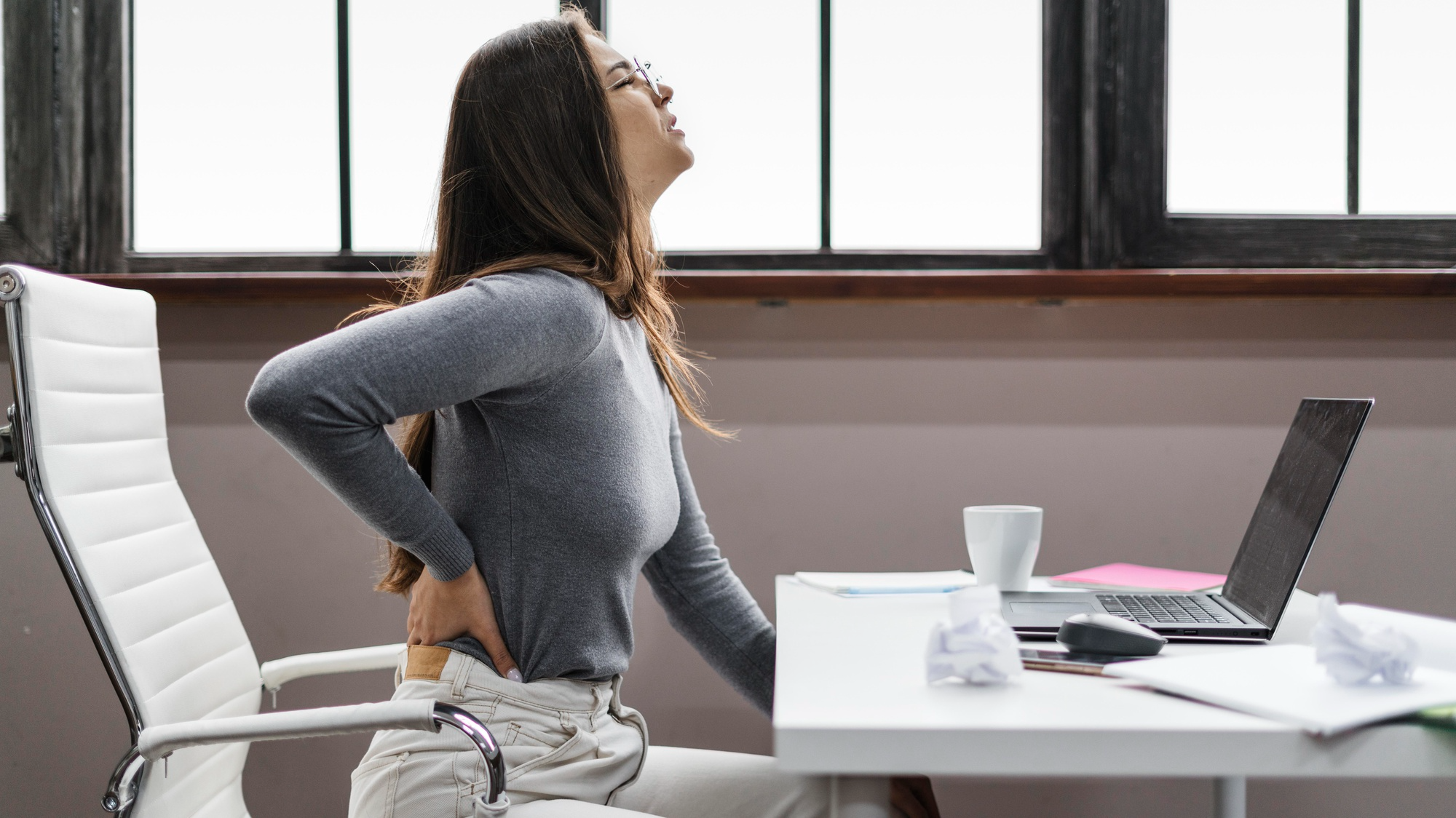
Recognize signs that indicate it’s time to consult an orthopedic specialist for joint, muscle, or bone issues.
14 Nov 2025
by Prakash Hospital

Identify warning signs of orthopedic problems early and learn when to consult a specialist for joint and bone care.
6 Jun 2025
by Prakash Hospital

Learn about different types of headaches, their causes, warning signs, diagnosis, and treatment options.
26 Feb 2026
by Prakash Hospital

बार-बार भूलना कब सामान्य है और कब यह गंभीर बीमारी का संकेत हो सकता है? मेमोरी लॉस के कारण, चेतावनी संकेत, जांच और इलाज के बारे में विस्तार से जानें।
25 Feb 2026
by Prakash Hospital

Why you can't focus and what helps: sleep, food, exercise, distraction control, medical causes and habits for sharper concentration. Prakash Hospital Noida.
9 Oct 2026
by Prakash Hospital

Discover the best calcium-rich foods to strengthen bones, improve bone density, and support overall health with simple dietary choices.
23 Apr 2026
by Prakash Hospital
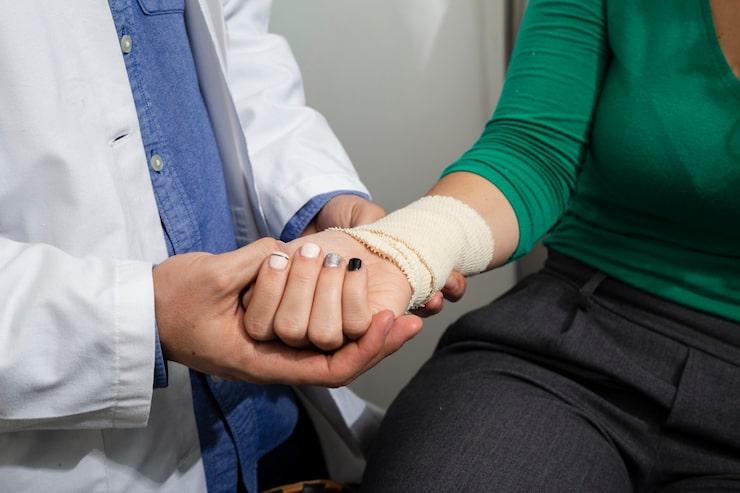
Learn about stress fractures, including causes, symptoms, treatment options, and recovery tips for faster healing and injury prevention.
18 May 2026
by Prakash Hospital

Learn essential ergonomic tips for desk workers to prevent back pain, neck strain, wrist injuries, and posture-related problems.
10 Mar 2026
by Prakash Hospital


Book a consultation with Prakash Hospital's specialists — 24/7 emergency care, 100+ doctors, NABH accredited.
View All Departments